Larix Decidua (European Larch)
In the world of botany, the European Larch (Larix decidua) holds a special place due to its unique characteristics and diverse uses. As a plant scientist.
Introduction
In the world of botany, the European Larch (Larix decidua) holds a special place due to its unique characteristics and diverse uses. As a plant scientist, I have had the opportunity to closely observe and study this remarkable tree, delving into its growth habits, ecological significance, and the various cultural and practical applications associated with it. In this comprehensive blog post, we will explore the intricate details of Larix decidua, addressing its cultural requirements, uses, preferred conditions for growth, as well as common diseases and pests that it may encounter. Furthermore, we will provide valuable insights into its propagation, pruning techniques, and fun facts about this captivating species.
What is Larix Decidua (European Larch)?
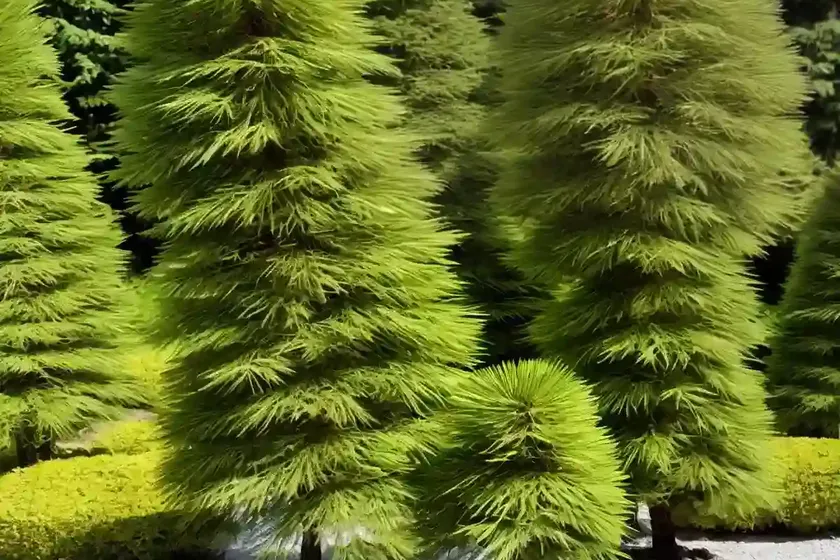
Larix decidua, commonly known as the European Larch, is a deciduous coniferous tree belonging to the Pinaceae family. Originating from the Alps and Carpathian Mountains in central Europe, this impressive species has established itself as a cherished component of both natural and cultivated landscapes. It exhibits a majestic growth habit, with a conical crown and distinctive drooping branches. The European Larch is esteemed for its timber, ornamental value, and ecological significance, making it a subject of great interest for botanists and horticulturists alike.
Key Takeaways – Larix Decidua (European Larch)
Before delving into the specifics of Larix decidua, let’s take a look at the key takeaways that will be explored in detail throughout this blog post.
Culture
- Preferred water requirements
- Sunlight needs
- Fertilizer recommendations
- Soil preferences
- Pruning techniques
- Propagation methods
- Container planting guidelines
Uses
- Timber applications
- Ornamental value
- Ecological importance
Water
- Water requirements
Sunlight
- Sunlight needs
Fertilizer
- Fertilizer recommendations
Soil
- Soil preferences
Pruning
- Pruning techniques
Propagation
- Propagation methods
Container
- Container planting guidelines
Popularity
- Larix decidua’s standing in the horticultural world
Common Diseases
- Identification and prevention of common diseases
Common Pests
- Understanding and managing common pests
Botanist’s Tips
- Insights and recommendations from experienced botanists
Fun Facts
- Intriguing and lesser-known facts about Larix decidua
Links to External Resources
- Further reading and resources for in-depth knowledge about Larix decidua
Now that we have outlined the key elements of our exploration, let’s proceed with a detailed examination of the European Larch.
Culture
Water
The European Larch thrives in moist, well-drained soils. However, it is also known for its adaptability to a wide range of moisture conditions, from moderately dry to moist. When establishing young trees, it is essential to ensure regular watering to facilitate healthy root development. Mature trees are generally resilient to short periods of drought, but adequate watering during prolonged dry spells enhances their overall vigor and vitality.
Sunlight
Larix decidua flourishes in full sun to partial shade. It is best suited to open, sunny locations that provide ample light for optimal growth. While it can tolerate partial shade, the European Larch displays its finest form and foliage coloration when exposed to ample sunlight.
Fertilizer
When it comes to fertilizer application, the European Larch generally benefits from an annual feeding in early spring. A balanced, slow-release fertilizer can be used to provide essential nutrients for robust growth. It is important to follow manufacturer recommendations and consider soil conditions when determining the appropriate fertilizer type and application rate.
Soil
The European Larch prefers well-drained, acidic to slightly acidic soils. It can tolerate a variety of soil textures, including loamy, sandy, and clay soils. However, adequate drainage is crucial to prevent waterlogging, which can adversely impact the tree’s health. Prior to planting, conducting a soil test to assess pH and fertility levels can guide soil amendment efforts to create an optimal growth environment for Larix decidua.
Pruning
Pruning is an essential aspect of European Larch tree care, particularly when shaping young trees and managing overall growth. Regular pruning can help maintain a desirable form, remove dead or diseased branches, and enhance air circulation within the crown. The best time to prune the European Larch is during the dormant season in late winter to early spring before new growth emerges. It is important to use sterilized pruning tools to prevent the spread of diseases and to make clean, precise cuts.
Propagation
Propagation of the European Larch can be achieved through various methods, including seed sowing and hardwood cuttings. Seeds should be collected from mature cones and stratified before sowing to promote germination. Hardwood cuttings can be taken in late autumn or early winter and rooted under controlled conditions. Propagation from cuttings may require the application of root-promoting hormones to enhance success rates.
Container
Larix decidua is also suitable for container cultivation, particularly for ornamental purposes or in spaces where planting in the ground is not feasible. When growing European Larch in containers, it is crucial to select a pot with adequate drainage holes and a well-draining planting mix. Regular watering and fertilization are essential to support healthy growth, as container plants are more reliant on these inputs compared to trees planted in the ground.
Uses
The European Larch serves a multitude of purposes, ranging from its valuable timber to its ornamental and ecological contributions.
Timber Applications
One of the primary uses of Larix decidua is its timber, which is highly prized for its strength, durability, and resistance to decay. The wood of the European Larch is utilized in construction, fencing, cladding, and various outdoor applications. It is known for its attractive grain patterns and natural durability, making it a preferred choice for outdoor structures and woodworking projects.
Ornamental Value
In horticulture and landscaping, the European Larch is esteemed for its ornamental value. Its vibrant green foliage in spring and summer, transitioning to golden hues in autumn, adds visual interest to gardens and natural landscapes. The graceful, pendulous branches create an elegant silhouette, making it a sought-after tree for ornamental plantings and park settings.
Ecological Importance
From an ecological perspective, Larix decidua contributes to biodiversity and habitat enrichment. Its dense foliage provides shelter and nesting sites for various bird species, while also offering cover for small mammals. Additionally, the European Larch plays a role in soil stabilization and erosion control, particularly in mountainous regions where it is native.
Common Diseases
The European Larch is susceptible to certain diseases, and being able to identify and address these issues is crucial for maintaining the tree’s health and vitality.
Disease Diagnosis
Some common diseases that may affect Larix decidua include:
– Phytophthora root rot: This soil-borne pathogen can cause root rot and subsequent decline in tree health. Symptoms include yellowing and thinning of foliage, as well as dieback of branches.
– Needlecast diseases: Various fungal pathogens can cause needle discoloration, premature shedding, and overall reduction in tree vigor. Proper management and sanitation practices are essential for minimizing the impact of needlecast diseases.
Disease Prevention
To prevent diseases, it is important to implement cultural practices that promote good tree health, including proper watering, mulching, and avoiding stress factors such as waterlogged soils and overcrowding. Additionally, regular monitoring for early signs of diseases and timely intervention, such as fungicidal treatments when necessary, can contribute to disease prevention and management.
Common Pests
In addition to diseases, the European Larch may face challenges from certain pests that can affect its overall growth and appearance.
Pest Identification
Some common pests that may affect Larix decidua include:
– Larch casebearer (Coleophora laricella): The larvae of this moth species feed on European Larch needles, causing defoliation and aesthetic damage.
– Adelgids: These small, aphid-like insects can infest the needles and twigs of the European Larch, leading to reduced vigor and deformities.
Pest Management
Integrated pest management (IPM) practices can be employed to manage pest infestations effectively. This can include the introduction of natural predators, targeted insecticide applications when necessary, and maintaining overall tree health to enhance resistance to pest pressures.
Botanist’s Tips
Through years of observation and study, experienced botanists have gathered valuable insights and recommendations for effectively caring for and appreciating the European Larch.
Insights from Botanists
- Maintain adequate soil moisture: While the European Larch can tolerate periods of drought, ensuring regular watering, especially during dry spells, can support its overall health and vitality.
- Monitor for diseases and pests: Regular observation and prompt intervention in the event of disease or pest issues can prevent long-term damage to the tree.
- Prune with purpose: When pruning Larix decidua, strive to maintain its natural form while removing any dead, diseased, or damaged branches to promote a healthy structure.
Fun Facts
In addition to its botanical and practical attributes, the European Larch boasts intriguing and lesser-known facts that contribute to its allure.
Captivating Facts
- Deciduous conifer: The European Larch is one of the few conifer species that sheds its needles in autumn, displaying a unique combination of coniferous and deciduous characteristics.
- Oldest in Europe: Some individual European Larch trees in their native range are estimated to be over 750 years old, providing a living testament to the species’ longevity and resilience.
- Wildlife habitat: Larix decidua serves as a valuable habitat for a diverse array of wildlife, including birds, small mammals, and insects, enriching local ecosystems.
Links to External Resources
To further explore the world of Larix decidua, I invite you to delve into the following external resources for comprehensive information and insights:
1. Royal Horticultural Society – Larix decidua
2. USDA Forest Service – European Larch
3. University of Florida IFAS Extension – European Larch
4. The Morton Arboretum – European Larch
5. Missouri Botanical Garden – Larix decidua
As we conclude our exploration of the captivating world of Larix decidua (European Larch), I hope that this blog post has provided valuable insights into the cultural requirements, uses, and unique attributes of this remarkable tree. Whether it’s for its timber applications, ornamental allure, or ecological contributions, the European Larch continues to enthrall plant enthusiasts, horticulturists, and nature lovers alike. With a deeper understanding of its growth habits, environmental preferences, and practical considerations, we can nurture and appreciate the enduring beauty and significance of the European Larch in diverse landscapes and ecosystems.
Plant Name: “Larix decidua (European Larch)”
LSI Keywords:
1. Larix decidua growth habit
2. European Larch tree
3. Larix decidua characteristics
4. European Larch foliage
5. Larix decidua timber uses
6. European Larch bark
7. Larix decidua cone production
8. European Larch landscaping
9. Larix decidua climate preferences
10. European Larch natural habitat
11. Larix decidua leaf color
12. European Larch tree care
13. Larix decidua wildlife habitat
14. European Larch ornamental value
15. Larix decidua seed dispersal
16. European Larch soil requirements
17. Larix decidua adaptability
18. European Larch ecological importance
19. Larix decidua pest and disease resistance
20. European Larch growth rate
21. Larix decidua winter hardiness
22. European Larch pruning techniques
23. Larix decidua cone size
24. European Larch fall color
25. Larix decidua water requirements
26. European Larch root system
27. Larix decidua sunlight needs
28. European Larch tree spacing
29. Larix decidua propagation methods
30. European Larch landscape design
31. Larix decidua lifespan
32. European Larch tree diseases
33. Larix decidua wood properties
34. European Larch timber durability
35. Larix decidua evergreen or deciduous?
36. European Larch tree symbolism
37. Larix decidua wildlife benefits
38. European Larch cone collection
39. Larix decidua planting guidelines
40. European Larch tree height
41. Larix decidua drought tolerance
42. European Larch leaf arrangement
43. Larix decidua wind resistance
44. European Larch tree lifespan
45. Larix decidua soil pH preferences
46. European Larch tree uses
47. Larix decidua autumn aesthetic
48. European Larch tree diseases prevention
49. Larix decidua cone dispersal mechanism
50. European Larch timber commercial value


