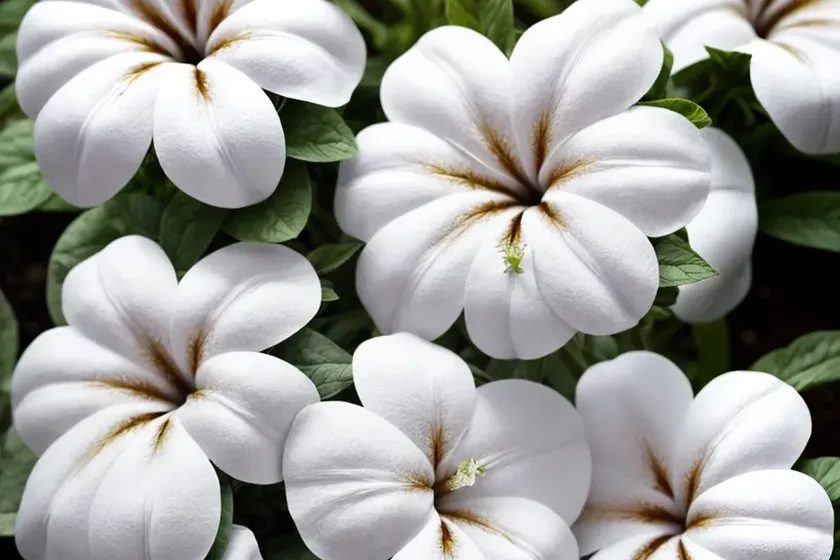
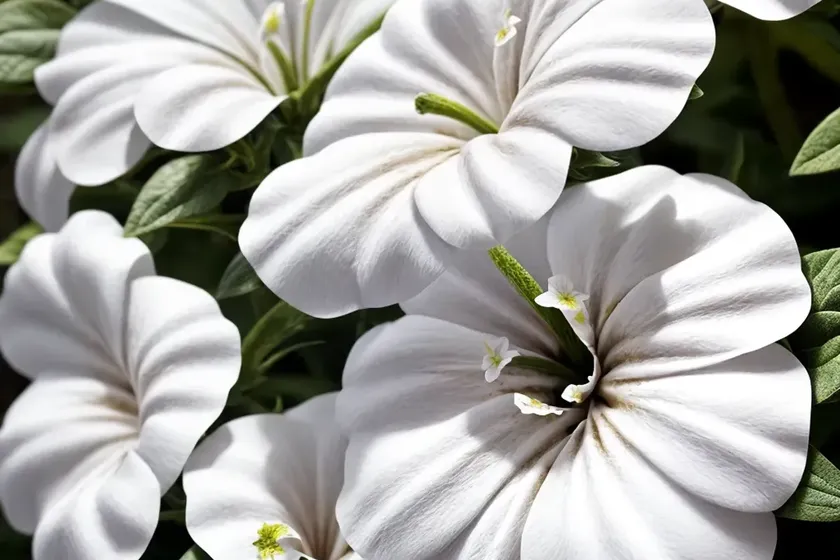
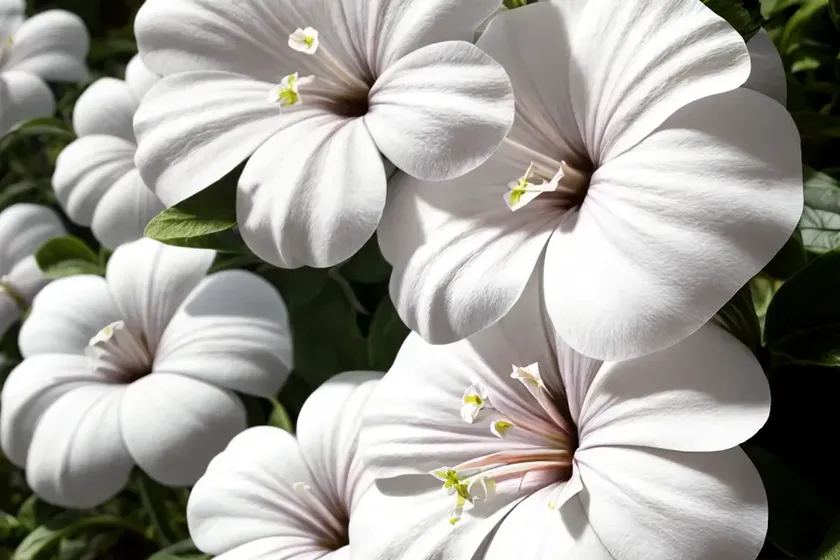
Large White Petunia (Petunia Axillaris)
Plants are living organisms that belong to the kingdom Plantae, comprising a wide variety of species ranging from simple, non-vascular plants like mosses.
What is a Plant?
Plants are living organisms that belong to the kingdom Plantae, comprising a wide variety of species ranging from simple, non-vascular plants like mosses to the more complex flowering plants. They play a critical role in the ecosystem, serving as the primary producers and forming the base of the food chain. Their ability to photosynthesize, converting sunlight into energy, makes them essential for the survival of other organisms on the planet. In addition to their ecological significance, plants also hold immense cultural, aesthetic, and economic value.
Plants exhibit remarkable diversity, with each species having its own unique characteristics, requirements, and uses. In this comprehensive guide, we delve into the captivating world of Petunia axillaris, the large white petunia, exploring its culture, uses, care requirements, and more. So, let’s embark on this botanical journey and uncover the fascinating aspects of this beautiful plant.
Large White Petunia (Petunia axillaris)
Petunia axillaris is a stunning species of petunia known for its large, white flowers that exude elegance and charm. This ornamental plant belongs to the family Solanaceae, which includes several other popular ornamental and economically important plants such as tomatoes, potatoes, and tobacco. The large white petunia is characterized by its profusion of blooms, each radiating a sense of purity and tranquility. It is a versatile plant that can be utilized in various landscaping settings, from borders and containers to hanging baskets and garden beds.
Key Takeaways
- Scientific Name: Petunia axillaris
- Common Name: Large white petunia
- Family: Solanaceae
- Flower Color: White
- Plant Type: Ornamental
Culture
Before diving into the specific care requirements for large white petunias, it’s essential to understand its culture, which encompasses its traditional uses, historical significance, and broader role in horticulture.
Uses
The large white petunia, with its pristine white blooms, has been a beloved choice for various ornamental and decorative purposes. Its elegant appearance and prolific flowering make it an excellent candidate for enhancing the visual appeal of gardens, landscapes, and urban spaces. Furthermore, Petunia axillaris is often employed in floral arrangements, adding a touch of grace and sophistication to bouquets and centerpieces.
Water
Proper hydration is crucial for the health and vigor of Petunia axillaris. Adequate watering, especially during the growing season, helps maintain vibrant blooms and lush foliage. However, it’s essential to strike a balance and avoid overwatering, which can lead to waterlogged soil and root rot. Regular monitoring of the soil moisture and adjusting the watering frequency based on environmental conditions are key factors in ensuring optimal growth.
Sunlight
As a sun-loving plant, large white petunias thrive in bright, well-lit environments. Providing ample sunlight is essential for stimulating robust flowering and overall plant development. Ideally, they should be planted in locations where they can receive at least 6-8 hours of direct sunlight daily. In regions with intense heat, partial shade during the hottest part of the day may be beneficial to prevent sun damage.
Fertilizer
Applying a balanced fertilizer can significantly enhance the performance of Petunia axillaris. A regular feeding regimen, incorporating a high-phosphorus, water-soluble fertilizer, can promote healthy growth and abundant flowering. It’s advisable to follow the manufacturer’s instructions regarding application rates and frequency, ensuring that the plant is receiving the necessary nutrients for sustained vitality.
Soil
The soil composition plays a pivotal role in the overall well-being of large white petunias. Well-draining, fertile soil with a slightly acidic to neutral pH range is ideal for supporting vigorous growth. Amending the soil with organic matter, such as compost or peat moss, can enhance its texture and nutrient content, creating an optimal growing medium for Petunia axillaris.
Pruning
Regular pruning is essential for maintaining the shape, vigor, and blooming capacity of large white petunias. Removing spent blooms, leggy stems, and damaged foliage not only improves the plant’s appearance but also encourages the production of new flowers. Pruning also helps prevent disease and pest problems by eliminating potential hiding places and reducing overcrowding.
Propagation
Propagating Petunia axillaris can be achieved through various methods, including seed sowing and stem cuttings. Each approach has its own requirements and techniques, offering plant enthusiasts the means to expand their collection or share their love for these exquisite flowers with others.
Container Popularity
Large white petunias are prized for their versatility in container gardening. Their compact growth habit and abundant flowering make them perfect candidates for adorning patios, balconies, and other urban spaces. By carefully selecting suitable container sizes and providing adequate care, Petunia axillaris can thrive and bring joy to container gardens.
Common Diseases
Like many other plants, large white petunias are susceptible to various diseases that can hamper their growth and vitality. Understanding these common ailments and their associated symptoms is pivotal for effective management and prevention.
Disease Diagnosis
Recognizing the signs of plant diseases is crucial in implementing appropriate control measures and safeguarding the health of Petunia axillaris. By identifying symptoms such as leaf spots, wilting, discoloration, and unusual growth patterns, gardeners can promptly address potential disease issues and mitigate their impact.
Common Pests
In addition to diseases, large white petunias may face challenges from pests that seek to feed on their tender foliage and succulent blooms. Familiarizing oneself with the common pests afflicting Petunia axillaris, such as aphids, spider mites, and caterpillars, is the first step in implementing targeted pest management strategies to protect the plants from harm.
Botanist’s Tips
Drawing insights from experienced botanists and horticulturists can provide valuable guidance for maximizing the potential of large white petunias. Their expertise, practical tips, and innovative approaches can inspire enthusiasts to elevate their gardening skills and create thriving displays of Petunia axillaris.
Fun Facts
Uncovering intriguing and captivating facts about large white petunias can deepen one’s appreciation for these enchanting plants. From historical anecdotes to unique botanical characteristics, delving into the fun facts surrounding Petunia axillaris offers a delightful journey of discovery.
Now that we’ve delved into the cultural, horticultural, and botanical aspects of Petunia axillaris, let’s explore some external resources that provide further insights into the world of large white petunias.
Links to External Resources
In conclusion, the large white petunia (Petunia axillaris) stands as a captivating symbol of natural beauty, resilience, and botanical diversity. Its pristine white flowers, combined with its adaptability and ornamental versatility, have endeared it to gardeners, horticulturists, and plant enthusiasts worldwide. By embracing the knowledge and insights shared in this comprehensive guide, individuals can embark on an enriching journey of cultivating, appreciating, and celebrating the allure of large white petunias.


