Lantana Urticoides (Texas Lantana)
Lantana urticoides, commonly known as Texas Lantana, is a beautiful and vibrant flowering plant native to the southern regions of the United States. It is.


Introduction
Lantana urticoides, commonly known as Texas Lantana, is a beautiful and vibrant flowering plant native to the southern regions of the United States. It is a member of the Verbenaceae family, which includes around 150 species of Lantana. Texas Lantana is cherished for its stunning clusters of colorful flowers and its ability to attract pollinators, making it a favorite for gardeners and landscapers alike.
In this comprehensive guide, we will delve into the various aspects of Texas Lantana, discussing its cultural preferences, uses, maintenance, and propagation. We will also explore common diseases and pests that may affect this plant, along with botanist’s tips, fun facts, and links to external resources, to provide you with a complete understanding of this remarkable species.
What is Plant: Lantana Urticoides (Texas Lantana)?
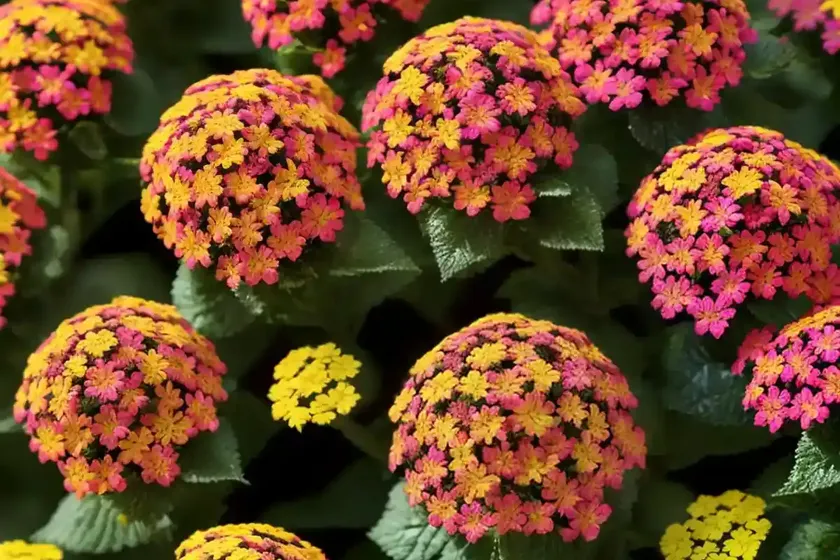
Lantana urticoides, commonly referred to as Texas Lantana, is a perennial flowering plant that is native to the southern regions of the United States, particularly Texas. This species is known for its vibrant and aromatic flowers, which bloom in an array of colors, including shades of orange, yellow, and pink. Texas Lantana is a hardy and drought-tolerant plant, making it well-suited for the arid climate of its native habitat.
Key Takeaways – Lantana Urticoides (Texas Lantana)
- Scientific Name: Lantana urticoides
- Common Name: Texas Lantana
- Family: Verbenaceae
- Native Range: Southern United States, particularly Texas
- Blooming Period: Spring to Fall
- Growth Habit: Perennial
- Notable Traits: Drought-tolerant, vibrant and aromatic flowers
- Attracts: Butterflies, pollinators
Now that we have a brief overview of Texas Lantana, let’s explore the various aspects of its cultivation and maintenance to help you successfully grow and nurture this stunning plant.
Culture
Cultivating Lantana urticoides involves understanding its specific requirements for water, sunlight, fertilizer, soil, and pruning. Additionally, learning about propagation methods and its adaptability to containers will provide valuable insights into the plant’s cultural needs.
Uses
Before delving into the cultural requirements of Texas Lantana, let’s explore its common uses, which add to its overall appeal and desirability:
- Garden Borders: Texas Lantana is often used to create striking borders or edging due to its bushy and compact growth habit.
- Pollinator Gardens: Its ability to attract butterflies and bees makes it a popular choice for pollinator gardens, contributing to the local ecosystem.
- Landscaping: With its vibrant flowers and resilience, Texas Lantana is widely used in landscaping to add color and visual interest to outdoor spaces.
- Container Planting: Its adaptability to containers and hanging baskets makes it an ideal choice for patios, balconies, and other small spaces.
Water
Texas Lantana, once established, is remarkably drought-tolerant. However, it is essential to provide regular watering, especially during the initial stages of growth and in extreme heat. Here are some key points to consider regarding water requirements:
- Establishment: During the first few months after planting, frequent watering is necessary to support root development and overall growth.
- Mature Plants: Once established, Texas Lantana can thrive on minimal water, making it suitable for xeriscaping and water-wise gardening.
- Soil Moisture: Ensure that the soil is well-draining to prevent waterlogging, which can lead to root rot.
Sunlight
Texas Lantana flourishes in full sun and requires at least 6-8 hours of direct sunlight daily. Adequate sunlight is crucial for promoting robust growth and prolific flowering. Here are some essential points related to sunlight requirements:
- Optimal Exposure: Locate planting areas where Texas Lantana will receive ample sunlight, preferably in south or west-facing locations for maximum exposure.
- Shade Tolerance: While Texas Lantana prefers full sun, it can tolerate partial shade. However, reduced sunlight may lead to decreased flowering and overall vigor.
Fertilizer
When it comes to fertilizing Texas Lantana, a balanced and controlled approach is recommended. Excessive fertilization may lead to excessive foliage growth at the expense of flowers. Here are some key considerations for fertilizing Texas Lantana:
- Timing: Apply a balanced fertilizer in early spring as new growth emerges, and then again in mid-summer to support continuous flowering.
- Type of Fertilizer: A general-purpose fertilizer with equal proportions of nitrogen, phosphorus, and potassium is suitable for Texas Lantana.
- Organic Alternatives: Organic fertilizers, such as compost and well-rotted manure, can be used as an alternative to synthetic options.
Soil
Lantana urticoides thrives in well-draining soil and can adapt to a variety of soil types, including sandy or loamy soils. Here are some soil-related factors to consider when cultivating Texas Lantana:
- Drainage: Ensure that the soil has good drainage to prevent waterlogging, which can lead to root rot and other issues.
- pH Level: Texas Lantana prefers slightly acidic to neutral soil with a pH range of 6.0 to 7.5. Regular soil testing can help in maintaining the appropriate pH levels.
- Amendment: If the soil is heavy and poorly draining, amending it with organic matter such as compost can improve its structure and drainage.
Pruning
Pruning is an essential aspect of maintaining the health and appearance of Texas Lantana. Regular pruning can help promote continuous flowering and keep the plant tidy. Here are some key points to keep in mind when pruning Texas Lantana:
- Deadheading: Regularly removing spent flowers encourages the plant to produce new blooms, extending the flowering period.
- Rejuvenation Pruning: In late winter or early spring, perform rejuvenation pruning by cutting back the plant to encourage new growth and a bushier habit.
- Safety Note: Wear gloves and protective clothing when pruning Texas Lantana, as some species of Lantana can cause skin irritation due to the presence of toxins in their foliage.
Propagation
Adding new Texas Lantana plants to your garden can be achieved through propagation techniques such as seeds, cuttings, or division. Here are some insights into the propagation methods for Texas Lantana:
- Seeds: Collect ripe seeds from the plant and sow them in a well-draining potting mix. Keep the soil consistently moist until the seeds germinate.
- Cuttings: Take 4-6 inch stem cuttings from a healthy Texas Lantana plant and root them in a potting mix. Provide warmth and consistent moisture for successful rooting.
- Division: Divide mature plants in early spring to create new specimens, ensuring that each division has a viable root system.
Container Popularity
Texas Lantana exhibits great versatility in container gardening, making it a popular choice for urban and small-space gardening. Here are some key points to consider when growing Texas Lantana in containers:
- Container Size: Choose a container that provides ample space for the root system to develop. Ensure that the container has drainage holes to prevent waterlogging.
- Potting Mix: Use a well-draining potting mix enriched with organic matter to support healthy growth and flowering.
- Placement: Position the container in a location that receives sufficient sunlight, such as a south or west-facing patio or balcony.
Common Diseases
Despite being a resilient plant, Texas Lantana can be susceptible to certain diseases. Understanding these diseases, their diagnosis, and potential preventive measures is crucial for maintaining the plant’s health and vigor.
Disease Diagnosis
Several diseases can affect Texas Lantana, including fungal infections and bacterial pathogens. Here are some common diseases and their symptoms:
- Powdery Mildew: This fungal disease appears as a powdery, white substance on the leaves. It can lead to stunted growth and decreased flowering.
- Leaf Spot: Characterized by the development of dark, circular spots on the leaves, caused by various fungal pathogens.
- Anthracnose: Symptoms include sunken lesions on stems and leaves, often with a reddish-brown appearance.
Preventive Measures
While Texas Lantana is generally resistant to diseases, practicing good cultural habits can help minimize the risk of infections:
- Proper Air Circulation: Ensure that the plants have adequate spacing to promote good air circulation, reducing the likelihood of fungal infections.
- Avoid Overhead Watering: Water at the base of the plant to prevent foliage from remaining wet, which can contribute to the development of diseases.
- Maintain Plant Health: Healthy plants are better equipped to resist diseases, so ensure optimal cultural conditions and regular maintenance.
Common Pests
Several pests can afflict Texas Lantana, impacting its growth and flowering. Familiarizing yourself with these pests and their control measures is essential for safeguarding the plant.
Pest Identification
Texas Lantana can be susceptible to various pests, including:
- Aphids: Small, sap-sucking insects that can cause distorted growth and weaken the plant.
- Spider Mites: These tiny arachnids can cause stippling and discoloration of the leaves.
- Whiteflies: They can be found on the undersides of leaves and can lead to yellowing and weakened growth.
Pest Control
Integrated pest management (IPM) strategies can be employed to control pest infestations in Texas Lantana:
- Biological Control: Encourage natural predators such as ladybugs and lacewings that feed on aphids and mites.
- Horticultural Oils: Use horticultural oils to suffocate and control pest populations, applied according to manufacturer instructions.
- Regular Inspections: Regularly inspect the plant for signs of pest infestations, and take appropriate measures at the earliest detection.
Botanist’s Tips
Here are some expert tips for successfully growing and maintaining Texas Lantana:
- Soil Amendment: Amend heavy or poorly draining soils with organic matter to improve drainage and provide essential nutrients.
- Deadheading and Pruning: Regular deadheading of spent flowers and occasional rejuvenation pruning can promote continuous blooming and maintain overall plant health.
- Native Plant Landscaping: Incorporate Texas Lantana into native plant landscapes to support local biodiversity and provide valuable resources for pollinators.
Fun Facts
To further appreciate the unique qualities of Texas Lantana, here are some interesting fun facts about this species:
- Butterfly Magnet: Texas Lantana is known for its exceptional ability to attract butterflies, adding a delightful and colorful spectacle to gardens.
- Widely Used in Landscaping: Its adaptability to various landscaping designs and its vibrant flowers make it a popular choice for public and private landscapes.
Links to External Resources
For additional information and resources on Texas Lantana, you can explore the following external links:
- Lady Bird Johnson Wildflower Center – Lantana urticoides
- Texas A&M AgriLife Extension – Lantana Species
- University of Florida IFAS Extension – Lantana Camara
In conclusion, Lantana urticoides, or Texas Lantana, is a remarkable plant that embodies resilience, beauty, and ecological significance. By understanding its cultural preferences, uses, maintenance needs, and potential challenges, gardeners and landscapers can cultivate and enjoy this exceptional species to the fullest.
For additional guidance and support, do not hesitate to reach out to local nurseries, botanical gardens, or cooperative extension services, as they can provide regionally specific insights and recommendations for growing Texas Lantana in your area.
Remember that tending to Texas Lantana is not only a rewarding endeavor for your garden but also contributes to the preservation and appreciation of native plant species and their ecological importance.
Thank you for exploring the world of Lantana urticoides (Texas Lantana) with us. May your gardening endeavors be filled with vibrant blooms and joyous encounters with nature.


