Lantana Lucky� Lemon Glow (Bigleaf Lantana)
Welcome to the world of plants! Lantana Lucky Lemon Glow, also known as Bigleaf Lantana, is a delightful addition to any garden or landscape. In this blog.
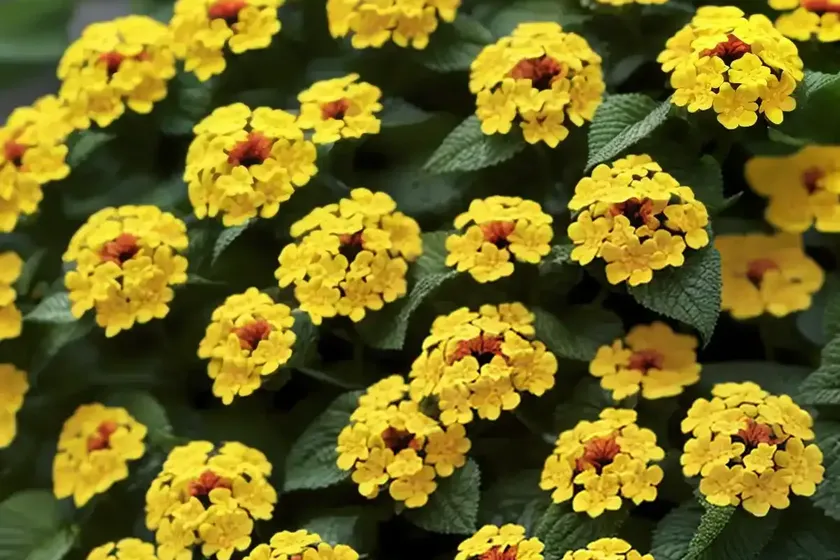
Welcome to the world of plants! Lantana Lucky Lemon Glow, also known as Bigleaf Lantana, is a delightful addition to any garden or landscape. In this blog, we will explore the various aspects of this plant, including its culture, uses, maintenance, and much more. Whether you are a seasoned gardener or just starting your journey with plants, this comprehensive guide will provide you with valuable insights into the care and characteristics of Lantana Lucky Lemon Glow.
What is Lantana Lucky Lemon Glow (Bigleaf Lantana)?
Lantana Lucky Lemon Glow is a vibrant and versatile plant that belongs to the Verbenaceae family. This cultivar is renowned for its stunning clusters of multi-colored flowers and lush green foliage. With its attractive appearance and low maintenance requirements, Lantana Lucky Lemon Glow has gained popularity among gardeners and landscapers alike.
Key Takeaways – Lantana Lucky Lemon Glow (Bigleaf Lantana)
Before diving into the specifics of Lantana Lucky Lemon Glow, it’s important to highlight some key takeaways regarding this plant variety. These essential points will give you a quick overview of what to expect when growing and caring for Lantana Lucky Lemon Glow.
- Common Name: Lantana Lucky Lemon Glow, Bigleaf Lantana
- Botanical Name: Lantana camara
- Growth Habit: Perennial shrub
- Mature Height: 18-24 inches
- Mature Spread: 24-36 inches
- Flower Color: Shades of yellow, orange, and pink
- Foliage: Glossy dark green with serrated edges
- Attracts: Butterflies, bees, and hummingbirds
- Uses: Landscaping, borders, containers, and ground cover
- Hardiness Zones: 8-11
- Sunlight: Full sun to part shade
- Soil Type: Well-drained, fertile soil
- Drought Tolerance: Moderate
- Watering: Regular watering, especially during dry periods
- Common Pests: Whiteflies, spider mites
- Common Diseases: Powdery mildew, rust
Now that we have an overview of the key characteristics of Lantana Lucky Lemon Glow, let’s delve into the details of its culture and maintenance.
Culture of Lantana Lucky Lemon Glow
Cultivating Lantana Lucky Lemon Glow involves understanding its specific cultural requirements to ensure optimal growth and flowering. From soil preferences to pruning techniques, here’s a comprehensive guide to the culture of this captivating plant.
Uses
Lantana Lucky Lemon Glow is valued for its versatility in various landscaping and gardening applications. Some common uses of this plant include:
- Landscaping: The vibrant colors of Lantana Lucky Lemon Glow make it an excellent choice for adding visual interest to landscapes. It can be used as a border plant, in mixed beds, or as a focal point in garden designs.
- Containers: Due to its compact nature and colorful blooms, Lantana Lucky Lemon Glow thrives in containers. It can be featured in patio pots, hanging baskets, or as a standalone potted plant.
- Ground Cover: When planted en masse, Lantana Lucky Lemon Glow serves as an attractive ground cover, spreading its cheerful blooms across the area.
- Attracting Wildlife: The nectar-rich flowers of Lantana Lucky Lemon Glow are irresistible to butterflies, bees, and hummingbirds, making it a valuable addition to wildlife gardens.
Water
Proper watering is essential for the health and vigor of Lantana Lucky Lemon Glow. While this plant exhibits moderate drought tolerance once established, it benefits from regular watering, especially during periods of intense heat or dryness. However, it’s important to avoid overwatering, as consistently soggy soil can lead to root rot and other moisture-related issues.
A general guideline for watering Lantana Lucky Lemon Glow is to provide a thorough soaking when the top inch of soil feels dry to the touch. Additionally, applying a layer of organic mulch around the base of the plant can help retain soil moisture and reduce water evaporation.
Sunlight
Lantana Lucky Lemon Glow thrives in full sun to part shade, making it a suitable choice for a variety of garden settings. In regions with hot summers, providing some afternoon shade can benefit the plant, as excessively high temperatures may cause stress. When grown in full sun, Lantana Lucky Lemon Glow tends to produce an abundance of flowers, showcasing its radiant color palette.
Fertilizer
Applying a balanced fertilizer formulated for flowering plants can support the growth and blooming of Lantana Lucky Lemon Glow. A water-soluble fertilizer can be applied every 4-6 weeks during the growing season, following the manufacturer’s recommended dilution and application rates.
When choosing a fertilizer, look for a formulation with a higher phosphorus content to promote blooming and overall plant health. It’s important to refrain from over-fertilizing, as excessive nutrients can lead to lush foliage growth at the expense of flowers.
Soil
Well-drained, fertile soil is fundamental for the thriving of Lantana Lucky Lemon Glow. A loamy or sandy soil with good drainage capabilities is ideal for this plant. If the native soil on your property is heavy or compacted, amending it with organic matter such as compost, peat moss, or aged manure can improve its texture and drainage.
Before planting Lantana Lucky Lemon Glow, perform a soil test to assess the pH and nutrient levels. Aim for a slightly acidic to neutral pH range (6.0-7.5), which is conducive to optimal nutrient uptake by the plant.
Pruning
Pruning is a valuable practice for maintaining the form and vigor of Lantana Lucky Lemon Glow. Regular pruning helps promote branching, controls the plant’s size, and encourages a bushy, well-shaped appearance. When flower clusters fade, deadheading (removing spent blooms) can extend the blooming period and stimulate the development of new flowers.
In regions with mild winters, pruning Lantana Lucky Lemon Glow in late winter or early spring can rejuvenate the plant and stimulate fresh growth. Additionally, removing any dead or damaged branches throughout the growing season enhances the overall health and appearance of the plant.
Propagation
Lantana Lucky Lemon Glow can be propagated through several methods, including stem cuttings, division, and seeds. Here are brief descriptions of each propagation technique:
- Stem Cuttings: This is one of the most common methods of propagating Lantana Lucky Lemon Glow. Select a healthy, non-flowering stem and cut it just below a node. Remove the lower leaves, dip the cut end in rooting hormone, and plant the cutting in a well-draining propagation medium. Keep the medium consistently moist and provide gentle bottom heat to encourage root development.
- Division: If the plant has developed multiple stems or offshoots, it can be divided into separate sections and replanted. Dividing Lantana Lucky Lemon Glow is best performed during the spring when the plant is actively growing.
- Seeds: Collecting and germinating seeds from Lantana Lucky Lemon Glow can be a rewarding way to propagate new plants. Keep in mind that this method may result in variations in flower color and overall characteristics, as the offspring may not be true to the parent plant.
Container Popularity
The compact and colorful nature of Lantana Lucky Lemon Glow makes it a popular choice for container gardening. Whether grown in individual pots or combined with other compatible plants in mixed containers, this cultivar adds a vibrant touch to outdoor living spaces, patios, and balconies.
When selecting a container for Lantana Lucky Lemon Glow, opt for a spacious, well-draining pot that allows room for the plant’s root system to expand. Ensure that the container has drainage holes to prevent waterlogging, and use a quality potting mix that offers good aeration and moisture retention.
Common Diseases
Lantana Lucky Lemon Glow is generally resilient to diseases, but it can occasionally encounter issues that affect its health and appearance. Being aware of common diseases and their symptoms allows for proactive management and treatment.
Disease Diagnosis
-
Powdery Mildew: This fungal disease appears as a white, powdery growth on the leaves and stems of the plant. It thrives in humid conditions and can weaken the plant over time. To prevent powdery mildew, ensure proper air circulation around the plant and avoid overhead watering. Fungicidal treatments may be necessary if the disease becomes widespread.
-
Rust: Rust is characterized by orange, powdery spots on the undersides of the leaves. It can lead to premature leaf drop and reduced vigor in the plant. Promptly remove any affected plant material and consider applying a suitable fungicide to manage the spread of the disease.
Common Pests
Lantana Lucky Lemon Glow is susceptible to certain pests that can impact its growth and vitality. Understanding the common pests and implementing appropriate control measures is essential for preserving the health of the plant.
-
Whiteflies: These tiny, white insects feed on the sap of Lantana Lucky Lemon Glow, causing yellowing of the leaves and overall decline in plant health. A gentle spray of insecticidal soap or neem oil can help deter whiteflies from infesting the plant.
-
Spider Mites: Spider mites are arachnids that thrive in hot, dry conditions. Their presence is often indicated by stippling and fine webbing on the undersides of leaves. Regularly misting the plant to increase humidity and applying a horticultural oil can reduce spider mite populations.
Botanist’s Tips for Lantana Lucky Lemon Glow
As a plant scientist with a passion for Lantana Lucky Lemon Glow, I’m excited to share some valuable tips and insights for successfully growing and caring for this captivating plant. Here are some expert recommendations to help you make the most of your Lantana Lucky Lemon Glow:
-
Choose a Well-Draining Location: When planting Lantana Lucky Lemon Glow in the ground, select a site with well-draining soil to prevent waterlogged conditions, which can compromise root health.
-
Prune Regularly: Regular pruning not only maintains the plant’s shape but also encourages new growth and flowering. Don’t be afraid to trim back Lantana Lucky Lemon Glow to promote a bushy, compact form.
-
Monitor Watering Closely: While Lantana Lucky Lemon Glow exhibits moderate drought tolerance, consistent and adequate watering during dry periods is crucial, especially for plants in containers.
-
Encourage Pollinators: By planting Lantana Lucky Lemon Glow, you’re creating a welcoming habitat for pollinators. Embrace the presence of butterflies, bees, and hummingbirds as they visit your garden.
-
Keep an Eye on Pests and Diseases: Regularly inspect your plants for signs of pests and diseases. Early detection allows for timely intervention and prevents issues from escalating.
Fun Facts about Lantana Lucky Lemon Glow
To add an intriguing twist to our exploration of Lantana Lucky Lemon Glow, here are some fun and fascinating facts about this captivating plant:
-
The vibrant flower clusters of Lantana Lucky Lemon Glow change color as they mature, creating a beautiful multicolored effect within a single cluster.
-
Lantana Lucky Lemon Glow is recognized for its butterfly-attracting properties, making it a valuable addition to butterfly gardens and pollinator-friendly landscapes.
-
In some regions, Lantana Lucky Lemon Glow is considered to have medicinal properties and is utilized in traditional herbal remedies for various ailments.
-
Lantana Lucky Lemon Glow is prized for its heat tolerance, making it an excellent choice for gardens in hot climates, where it thrives during the peak of summer.
-
The colorful berries produced by some Lantana varieties are not edible and should be kept out of reach, especially in households with young children and pets.
Links to External Resources
To further enrich your knowledge and understanding of Lantana Lucky Lemon Glow, here are some recommended external resources that provide valuable insights into the care, characteristics, and cultivation of this delightful plant:
- University of Florida IFAS Extension: Lantana camara
- Missouri Botanical Garden: Lantana camara
- North Carolina State University Extension: Lantana camara for North Carolina Gardens
- Texas A&M AgriLife Extension: Low-Maintenance Landscaping with Lantanas
By exploring these resources, you can gain additional perspectives and expert recommendations for nurturing and enjoying the beauty of Lantana Lucky Lemon Glow in your own garden or landscape.
In conclusion, Lantana Lucky Lemon Glow, also known as Bigleaf Lantana, emerges as a versatile, visually captivating, and beneficial plant variety for diverse horticultural settings. It’s my hope that this comprehensive guide has equipped you with the knowledge and inspiration to welcome Lantana Lucky Lemon Glow into your botanical repertoire, whether as a striking standalone specimen or as part of a stunning garden composition. Happy gardening!
References:
– Krajina, A. (2021). Lantana camara. University of Florida IFAS Extension. Link
– Missouri Botanical Garden. (n.d.). Plant Finder: Lantana camara. Link
– North Carolina State University Extension. (n.d.). Lantana camara for North Carolina Gardens. Link
– Texas A&M AgriLife Extension. (2018). Low-Maintenance Landscaping with Lantanas. Link


