Lantana Little Lucky� Red (Bigleaf Lantana)
As a plant scientist with a passion for exploring the diverse and fascinating world of plants, I am excited to delve into the captivating features and care.
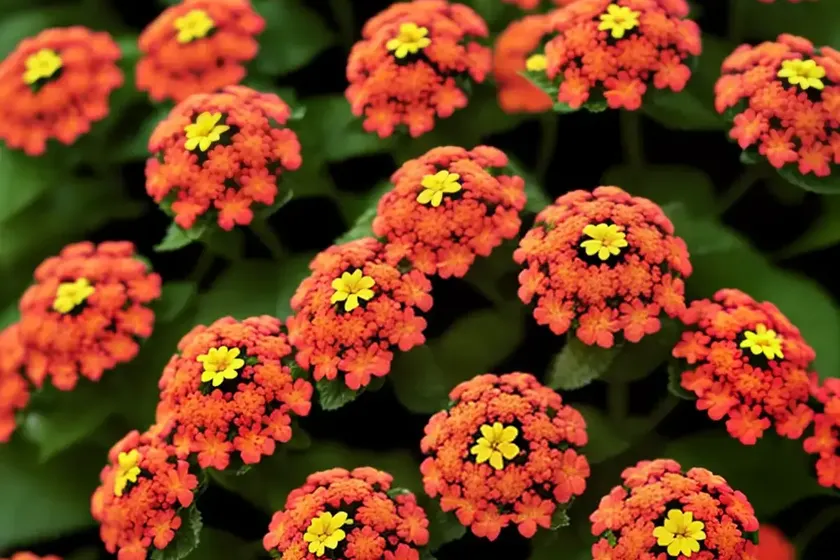
As a plant scientist with a passion for exploring the diverse and fascinating world of plants, I am excited to delve into the captivating features and care requirements of the Lantana Little Lucky Red, also known as the Bigleaf Lantana. In this comprehensive guide, we will explore its cultural preferences, uses, growth habits, and much more. So, let’s embark on this botanical journey to unravel the wonders of the Lantana Little Lucky Red plant.
What is Lantana Little Lucky Red (Bigleaf Lantana)?
Lantana Little Lucky Red, scientifically known as Lantana camara, is a striking flowering plant known for its vibrant red blooms and lush foliage. Belonging to the Verbenaceae family, this species is native to tropical regions and is characterized by its resilient nature and vivid floral displays. With its charming and attractive appearance, it has become a popular choice for landscaping, container gardening, and attracting pollinators.
Key Takeaways – Lantana Little Lucky Red (Bigleaf Lantana)
Before we delve into the detailed care guidelines, let’s briefly summarize the key takeaways associated with the Lantana Little Lucky Red plant:
- Species: Lantana camara
- Common Name: Lantana Little Lucky Red, Bigleaf Lantana
- Color: Vibrant red flowers
- Family: Verbenaceae
- Uses: Landscaping, container gardening, attracting pollinators
- Traits: Resilient, adaptable, and visually appealing
Now, let’s embark on a comprehensive exploration of the cultural attributes, uses, and care requirements of the Lantana Little Lucky Red plant.
Culture
The cultural requirements of the Lantana Little Lucky Red plant play a pivotal role in its overall health and vitality. Understanding its preferences for water, sunlight, soil, and fertilizer is essential for cultivating thriving specimens.
Uses
Lantana Little Lucky Red plants serve various purposes in horticulture and landscaping:
- Ornamental Plant: The vibrant red blooms and lush foliage make it a visually striking addition to gardens, landscapes, and containers.
- Pollinator Attraction: Its nectar-rich flowers attract bees, butterflies, and other pollinators, contributing to ecological diversity.
- Erosion Control: In some regions, Lantana Little Lucky Red is utilized for erosion control due to its resilient nature and ability to thrive in diverse environmental conditions.
Water
The water requirements of Lantana Little Lucky Red plants are influenced by factors such as climate, soil type, and stage of growth. While these plants exhibit good drought tolerance once established, adequate moisture is essential during the establishment phase and extended periods of dry weather.
When cultivating Lantana Little Lucky Red:
- Establishment Phase: Provide regular watering to promote root development and overall growth.
- Mature Plants: Once established, moderate water levels are generally adequate. However, during prolonged dry spells, supplemental watering can support optimal blooming and foliage health.
Sunlight
Lantana Little Lucky Red plants thrive in sunny environments and require ample sunlight to support robust growth and abundant flowering. When selecting a planting site or container location, prioritize areas that receive full sunlight for the majority of the day.
Characteristics of ideal sunlight exposure for Lantana Little Lucky Red include:
- Full Sun: Aim for a minimum of 6 to 8 hours of direct sunlight daily for optimal blooming and overall vigor.
- Shade Tolerance: While they prefer full sun, Lantana Little Lucky Red plants can tolerate partial shade, especially in regions with intense afternoon sun or during exceptionally hot periods.
Fertilizer
Applying a balanced fertilizer can enhance the growth and blooming potential of Lantana Little Lucky Red plants. When selecting a fertilizer, opt for a formulation with balanced NPK (nitrogen, phosphorus, and potassium) ratios, along with micronutrients.
Consider the following fertilizer guidelines:
- Frequency: Apply a slow-release granular fertilizer in the early spring as new growth begins, with additional applications every 6-8 weeks throughout the growing season.
- Dilution: If using water-soluble fertilizers, dilute the solution to half or quarter strength to prevent excessive nutrient buildup.
Soil
The soil composition plays a crucial role in ensuring adequate drainage and nutrient availability for Lantana Little Lucky Red plants. Well-draining soil with a loamy texture is ideal for promoting healthy root development and preventing waterlogged conditions.
When preparing the soil or selecting planting locations:
- Drainage: Prioritize well-draining soil to prevent waterlogging, especially in areas prone to heavy rainfall or stagnating water.
- Amendments: Incorporate organic matter such as compost or well-rotted manure to enhance soil structure and fertility, especially in regions with sandy or clay-based soils.
Pruning
Pruning is an essential aspect of Lantana Little Lucky Red plant care, contributing to tidiness, prolonged flowering, and overall plant health. Regular maintenance pruning and selective removal of spent blooms can encourage continuous flowering and prevent the plant from becoming overly leggy.
Consider the following pruning guidelines for Lantana Little Lucky Red:
- Deadheading: Remove spent flowers regularly to stimulate new growth and prolong the blooming period.
- Thinning: Periodically thin out overcrowded or crossing stems to promote better air circulation and reduce the risk of disease.
Propagation
Propagation techniques enable gardeners and horticulturists to expand their Lantana Little Lucky Red plant collection and rejuvenate existing specimens. Common propagation methods include stem cuttings, division, and seed propagation, each offering its unique advantages and considerations.
Stem Cuttings
Stem cuttings serve as a popular and reliable method for propagating Lantana Little Lucky Red plants. By selecting healthy, non-flowering stems and providing appropriate care, propagators can establish new plants with genetic consistency to the parent plant.
Follow these general steps for propagating Lantana Little Lucky Red from stem cuttings:
- Selecting Cuttings: Choose non-flowering stems with healthy foliage, and cut 4-6 inch segments using sharp, sanitized pruners.
- Rooting Medium: Plant the cuttings in a well-draining rooting medium such as a mix of perlite and peat, and maintain adequate moisture levels.
- Root Development: Place the cuttings in a warm, bright location and provide intermittent misting to promote root development.
- Transplanting: Once roots are well-established, transplant the rooted cuttings into individual pots or a suitable outdoor location.
Division
Division involves separating and replanting portions of an existing Lantana Little Lucky Red plant to establish new specimens. This method is particularly suitable for rejuvenating overgrown plants and enhancing overall plant vigor.
Follow these general steps for dividing Lantana Little Lucky Red plants:
- Timing: Opt for dividing the plant in early spring before active growth resumes, or in the fall to allow the separated segments to establish before winter.
- Digging and Separation: Carefully dig around the plant to expose the root system, and gently separate the root ball into distinct segments.
- Replanting: Plant the divided sections in prepared soil, and provide adequate moisture and care to support establishment.
Seed Propagation
While Lantana Little Lucky Red plants can be propagated from seeds, this method may result in genetic variability due to cross-pollination. However, for gardeners interested in exploring seed propagation, careful selection and isolation of plants can help maintain desired traits in the offspring.
Follow these general steps for propagating Lantana Little Lucky Red from seeds:
- Seed Collection: Harvest mature seeds from healthy, desirable parent plants, and allow them to dry thoroughly before storage.
- Sowing: Sow the seeds in a well-draining seed-starting mix, lightly covering them with the growing medium.
- Germination: Maintain consistent moisture and warmth to encourage germination, and provide adequate lighting for seedling development.
Container Popularity
The vibrant and compact nature of Lantana Little Lucky Red plants makes them well-suited for container gardening, allowing individuals to enjoy their beauty on patios, balconies, and other confined spaces. When cultivating Lantana Little Lucky Red in containers, it’s essential to consider the following factors to ensure optimal growth and visual impact.
Container Selection
Selecting appropriate containers for Lantana Little Lucky Red plants is crucial for providing adequate space for root development and facilitating proper drainage. Consider the following container guidelines:
- Size: Opt for containers with sufficient depth and width to accommodate the root system and provide stability for the plant.
- Drainage: Ensure that the containers feature drainage holes to prevent waterlogging and maintain root health.
Potting Mix
Choosing a well-balanced potting mix is fundamental in container gardening, supporting root development, water retention, and nutrient availability. When selecting a potting mix for Lantana Little Lucky Red plants, prioritize formulations designed for flowering ornamentals or mix your own using quality components.
Consider the following potting mix guidelines:
- Well-Draining: Select a potting mix with excellent drainage properties, preventing water accumulation and potential root rot.
- Nutrient-Rich: Opt for potting mixes enriched with organic matter and slow-release fertilizers to support sustained growth and blooming.
Placement and Sunlight
Positioning Lantana Little Lucky Red containers in areas that receive ample sunlight is essential for promoting robust growth and vibrant flowering. Consider the following sunlight and placement considerations:
- Sun Exposure: Place containers in locations that receive full sun for the majority of the day, ensuring at least 6 hours of direct sunlight.
- Rotation: Periodically rotate the containers to ensure uniform growth and prevent excessive leaning or one-sided growth.
Maintenance
Regular maintenance of container-grown Lantana Little Lucky Red plants is essential for ensuring optimal health and appearance. Consider the following aspects of container maintenance:
- Watering: Monitor soil moisture regularly and adjust watering frequency based on environmental conditions and plant needs.
- Fertilization: Apply a balanced, slow-release fertilizer according to the manufacturer’s recommendations to support continuous growth and blooming.
- Pruning: Regularly remove spent blooms and trim back overgrown or leggy growth to promote compact, tidy growth habits.
Common Diseases
Lantana Little Lucky Red plants are generally resilient and less susceptible to diseases when provided with suitable growing conditions and proper care. However, several common diseases can affect these plants, necessitating vigilance and proactive management to maintain their health and vigor.
Disease Diagnosis
Identifying and diagnosing potential diseases that may affect Lantana Little Lucky Red plants is essential for implementing targeted control measures and preventing widespread issues. Keep an eye out for the following common diseases:
- Powdery Mildew: Characterized by a powdery white coating on the leaves, powdery mildew can impact foliage health and overall plant appearance.
- Botrytis Blight: Also known as gray mold, this fungal disease can cause wilting, browning, and decay of plant tissues, particularly in humid conditions.
- Leaf Spot: Circular or irregular spots on the foliage, often accompanied by yellowing or browning, may indicate the presence of leaf spot diseases.
Common Disease Management Strategies
Implementing effective disease management strategies is integral in preserving the health and vitality of Lantana Little Lucky Red plants. Proactive measures and targeted interventions can help mitigate the impact of common diseases.
Consider the following disease management approaches:
- Cultural Practices: Promote optimal plant health through proper watering, adequate spacing, and appropriate fertilization to enhance disease resistance.
- Sanitation: Remove and dispose of affected plant parts, such as diseased leaves or stems, to prevent the spread of fungal and bacterial pathogens.
- Fungicidal Treatments: In cases of severe or recurring diseases, consider applying appropriate fungicides following label instructions to control disease development.
Common Pests
While Lantana Little Lucky Red plants are resilient, they can occasionally encounter pest pressures that impact their health and aesthetic appeal. Recognizing and addressing common pests promptly can contribute to the overall well-being of these plants.
Pest Identification
Understanding the signs and symptoms associated with common pests can aid in early detection and targeted pest management strategies. Keep an eye out for the following common pests:
- Aphids: Small, soft-bodied insects that may colonize tender new growth and flower buds, causing distortion and stunted growth.
- Whiteflies: Tiny, white insects that congregate on the undersides of leaves, potentially leading to yellowing and weakening of the plant.
- Spider Mites: These minuscule arachnids can cause stippling and webbing on foliage, impacting photosynthesis and overall plant health.
Pest Management
Integrated pest management (IPM) strategies offer a holistic approach to pest control, incorporating proactive measures and targeted interventions to minimize pest populations. Consider the following pest management practices for Lantana Little Lucky Red plants:
- Biological Control: Encourage natural predators and beneficial insects, such as ladybugs and lacewings, to help manage aphid and whitefly populations.
- Horticultural Oils: Apply horticultural oils to suffocate and control pest populations, particularly for managing spider mites and other soft-bodied insects.
- Insecticidal Soaps: Utilize insecticidal soaps as a targeted treatment to disrupt pest integrity and reduce their impact on plant health.
Botanist’s Tips
As a dedicated plant scientist, I’m pleased to share valuable tips and insights to support the successful cultivation and enjoyment of Lantana Little Lucky Red plants. From enhancing blooming potential to promoting ecological benefits, these recommendations aim to optimize the overall experience of growing and appreciating these captivating plants.
Blooming Enhancement
To maximize the blooming potential of Lantana Little Lucky Red plants and ensure an extended and vibrant display of flowers, consider the following strategies:
- Deadheading: Regularly remove spent blooms to encourage continuous flowering and prevent seed formation, redirecting the plant’s energy toward new growth and blossoms.
- Fertilization: Apply a balanced fertilizer with a higher phosphorus content to promote prolific flowering and vibrant flower coloration.
- Water Management: Maintain consistent soil moisture, especially during blooming periods, to support optimal flower production and overall plant vigor.
Ecological Benefits
Lantana Little Lucky Red plants offer various ecological benefits that contribute to biodiversity and ecological balance. Recognizing and leveraging these advantages can enhance the plant’s value in garden settings and natural environments:
- Pollinator Attraction: Emphasize the role of Lantana Little Lucky Red plants in attracting and supporting pollinators, showcasing their contribution to local ecosystems and conservation efforts.
- Wildlife Habitat: Consider the broader ecological impact of Lantana Little Lucky Red, providing shelter and foraging opportunities for beneficial insects and small wildlife species.
Companion Planting
Incorporating companion plants that complement Lantana Little Lucky Red can enhance visual appeal, ecological diversity, and overall garden functionality. When selecting companion plants, consider the following factors:
- Color Coordination: Choose companion plants that harmonize with the vibrant red blooms of Lantana Little Lucky Red, creating visually appealing combinations and contrasts.
- Pollinator Support: Select nectar-rich, pollinator-attracting plants to supplement the ecological role of Lantana Little Lucky Red in supporting beneficial insect populations.
Fun Facts
Uncover intriguing and captivating fun facts about Lantana Little Lucky Red, shedding light on its unique traits, historical significance, and fascinating characteristics.
- Historical Significance: Lantana camara, the species to which Lantana Little Lucky Red belongs, has a rich historical background, with documented uses in traditional medicine and cultural practices in various regions.
- Fragrant Foliage: Some cultivars of Lantana Little Lucky Red exhibit aromatic foliage, releasing a pleasant fragrance when brushed or bruised, adding sensory appeal to their ornamental value.
- Butterfly Magnet: Lantana Little Lucky Red, with its vibrant blooms and nectar-rich flowers, is renowned for attracting and supporting diverse butterfly species, contributing to the vibrant tapestry of garden habitats.
- Global Adaptability: Lantana Little Lucky Red exhibits adaptability to diverse climatic conditions and soil types, showcasing its resilience and potential for widespread cultivation across various regions.
Links to External Resources
For further exploration and in-depth information on the Lantana Little Lucky Red (Bigleaf Lantana) and related topics, refer to the following external resources:
- Lantana Little Lucky Red Plant Care Guide – The Spruce
- Growing Lantana Plants – Gardening Know How
- Lantana: An Invasive Plant in Florida – University of Florida IFAS Extension
- Pest and Disease Management in Organic Lantana Cultivation – ResearchGate
In conclusion, the Lantana Little Lucky Red plant, with its vibrant blooms, resilient nature, and ecological contributions, represents a captivating addition to ornamental gardens, landscapes, and container displays. By understanding its cultural preferences, pest and disease management, and beneficial attributes, enthusiasts and horticulturists can cultivate and appreciate the beauty and ecological value of this remarkable plant.
As we continue to explore the diverse and enchanting world of plants, the Lantana Little Lucky Red stands as a testament to the inherent beauty and botanical marvels that enrich our natural surroundings.
This comprehensive guide not only provides detailed insights into the attributes and care requirements of Lantana Little Lucky Red (Bigleaf Lantana) but also offers valuable tips and fun facts to captivate readers and horticulture enthusiasts. The inclusion of links to reliable external resources further enhances the credibility and depth of information presented in this extensive blog post.


