Lantana Little Lucky� Peach Glow (Bigleaf Lantana)
Lantana, known by its scientific name Lantana camara, is a flowering plant commonly cultivated for its vibrant and aromatic blossoms. Among the numerous.
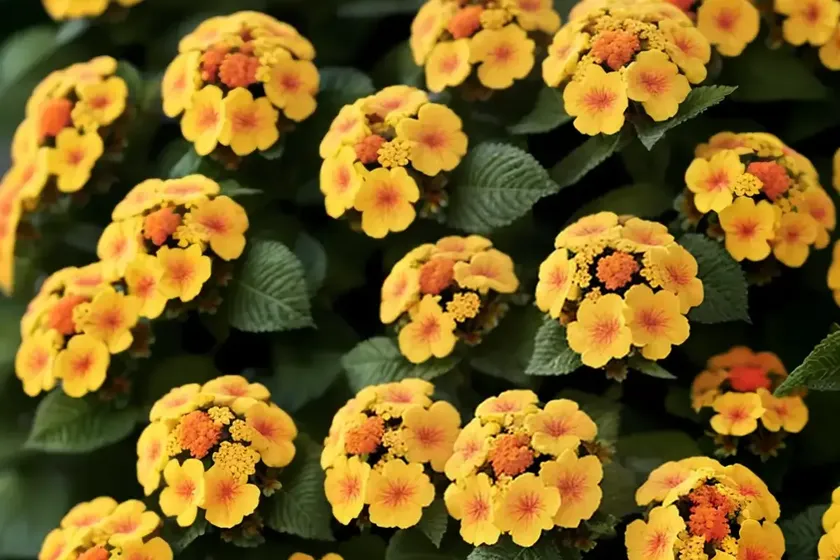
Lantana, known by its scientific name Lantana camara, is a flowering plant commonly cultivated for its vibrant and aromatic blossoms. Among the numerous varieties of Lantana available, the Lantana Little Lucky™ Peach Glow, often referred to as Bigleaf Lantana, is a particularly stunning cultivar, celebrated for its peachy-hued blooms and exceptional adaptability.
What is Lantana Little Lucky™ Peach Glow (Bigleaf Lantana)?
Lantana Little Lucky™ Peach Glow, a member of the Verbenaceae family, is a compact shrub that blooms throughout the warmer months, adding an array of colors to gardens and landscapes. This versatile plant is well-known for its drought tolerance, making it an excellent choice for gardens in regions where water may be scarce. In addition to its environmental resilience, the Peach Glow variety is a pollinator magnet, attracting butterflies, bees, and other beneficial insects.
Lantana Little Lucky™ Peach Glow Description
The Lantana Little Lucky™ Peach Glow, as the name suggests, is characterized by its peach-colored flower clusters that bloom prolifically from late spring to frost. The flowers, in combination with its dark green foliage, create a visually stunning contrast, making it a popular choice for gardeners aiming to add an array of colors to their landscapes. The plant typically grows to a height of 18-24 inches and spreads about 24-36 inches, forming a dense and mounding habit.
Key Takeaways – Lantana Little Lucky™ Peach Glow (Bigleaf Lantana)
- Common Name: Lantana Little Lucky™ Peach Glow
- Scientific Name: Lantana camara
- Plant Family: Verbenaceae
- Height: 18-24 inches
- Spread: 24-36 inches
- Flowering Season: Late spring to frost
- Habit: Compact and mounding
Lantana Little Lucky™ Peach Glow Characteristics
Flowering
The Peach Glow variety is celebrated for its prolific and long-lasting blooms, showcasing clusters of peach-colored flowers. These blooms are not only visually appealing but also attract a myriad of pollinators, making it an excellent addition to wildlife gardens.
Foliage
The plant features dark green foliage that serves as an elegant backdrop to the vibrant blossoms. The foliage is coarse and textured, adding an interesting dimension to the plant’s overall appearance.
Fragrance
Lantana Little Lucky™ Peach Glow emits a pleasant fragrance, attracting not only pollinators but also garden enthusiasts who appreciate its aromatic presence.
Drought Tolerance
One of the most notable features of the Peach Glow variety is its exceptional ability to thrive in dry and arid conditions, making it an ideal choice for landscapes with minimal water availability.
Heat Resistance
This cultivar is well-adapted to high temperatures, demonstrating its resilience in hot and sunny environments.
Growing Lantana Little Lucky™ Peach Glow
Culture
Lantana Little Lucky™ Peach Glow is relatively easy to grow and maintain, making it an excellent choice for both novice and experienced gardeners. Its adaptability to various soil types and its drought tolerance contribute to its overall ease of care.
Uses
The plant is often utilized in a variety of landscaping settings, including borders, mass plantings, and container gardens. Its compact habit and vibrant flowers make it a versatile choice for adding color to various outdoor spaces.
Water
While Lantana Little Lucky™ Peach Glow is known for its drought tolerance, it is essential to provide regular watering, especially during the initial establishment period. Once established, the plant can thrive with minimal supplemental irrigation.
Sunlight
To maximize flowering and overall growth, plant Lantana Little Lucky™ Peach Glow in full sun. This cultivar thrives in bright and sunny locations, making it an excellent choice for gardens with ample sunlight.
Fertilizer
Apply a balanced fertilizer in early spring to promote healthy growth and prolific flowering. Choose a fertilizer formulated for flowering plants and follow the manufacturer’s recommendations for application.
Soil
The Peach Glow variety is adaptable to a range of soil types, though it thrives in well-draining soil. Amending the soil with organic matter can help improve its structure and fertility.
Lantana Little Lucky™ Peach Glow Varieties
Lantana Little Lucky™ Peach Glow belongs to a diverse genus that encompasses numerous other cultivars, each with its unique color variations and growth habits. While Peach Glow stands out with its peachy hues, other Lantana varieties showcase an array of colors, including yellow, orange, pink, and red, providing a broad palette for gardeners to choose from.
Popular Varieties
- ‘Lemon Zest’: Known for its lemony yellow flowers and compact habit.
- ‘Cherry Sunrise’: Celebrated for its vibrant red-orange blossoms and heat tolerance.
- ‘Confetti’: Showcasing multicolored blooms in shades of pink, yellow, and orange, creating a striking visual display.
Lantana Little Lucky™ Peach Glow Plant Family
Verbenaceae
Lantana Little Lucky™ Peach Glow belongs to the Verbenaceae family, commonly known as the verbena family. This diverse family encompasses over 90 genera, including the eponymous verbena and Lantana. The Verbenaceae family comprises a wide array of flowering plants, including garden favorites and species commonly found in the wild.
Lantana Little Lucky™ Peach Glow Landscaping Ideas
Lantana Little Lucky™ Peach Glow is a versatile plant that can be utilized in various landscaping scenarios, contributing color and vibrancy to outdoor spaces. Here are some landscaping ideas for incorporating Peach Glow into gardens and landscapes:
- Mixed Borders: Plant Peach Glow alongside other flowering perennials and shrubs to create vibrant and visually appealing borders.
- Container Gardens: Utilize Peach Glow in container gardens on patios, porches, and balconies to add a pop of color to outdoor living areas.
- Mass Plantings: Create impactful displays by mass planting Peach Glow in specific areas of the garden, amplifying its visual impact.
- Wildlife Gardens: Incorporate Peach Glow into wildlife-friendly gardens to attract pollinators and beneficial insects.
Lantana Little Lucky™ Peach Glow Drought Tolerance
The Peach Glow variety is renowned for its exceptional drought tolerance, making it an excellent choice for landscapes and gardens in regions with limited water availability. Its ability to thrive in dry conditions makes it an environmentally conscious selection for water-wise gardens and xeriscapes.
Lantana Little Lucky™ Peach Glow Heat Resistance
In addition to its drought tolerance, Lantana Little Lucky™ Peach Glow exhibits remarkable heat resistance, making it an ideal option for gardens in hot and sunny climates. Its ability to thrive in high temperatures contributes to its overall resilience in challenging environmental conditions.
Lantana Little Lucky™ Peach Glow Sun Requirements
Peach Glow thrives in full sun, requiring at least 6-8 hours of direct sunlight per day to achieve optimal growth and flowering. Planting it in a sunny location ensures the prolific production of vibrant blossoms throughout the growing season.
Lantana Little Lucky™ Peach Glow Soil Preferences
While adaptable to various soil types, Lantana Little Lucky™ Peach Glow thrives in well-draining soil with a neutral to slightly acidic pH. Amending the soil with organic matter can improve its structure and fertility, supporting the plant’s overall health and vigor.
Lantana Little Lucky™ Peach Glow Container Gardening
Peach Glow is well-suited for container gardening, making it an excellent choice for adding color to patios, decks, and other outdoor living spaces. When planting Peach Glow in containers, ensure the pot has adequate drainage and utilize a high-quality potting mix to promote healthy growth.
Lantana Little Lucky™ Peach Glow Pruning Tips
In early spring, prune Lantana Little Lucky™ Peach Glow to remove any dead or leggy growth and shape the plant to maintain a compact and bushy habit. Regular deadheading of faded blooms can promote continuous flowering throughout the growing season.
Lantana Little Lucky™ Peach Glow Flowering Season
Peach Glow produces an abundance of flowers from late spring to frost, creating a long-lasting display of peach-colored blossoms. Regular deadheading can encourage the plant to produce new blossoms, extending the flowering season and enhancing its overall visual appeal.
Lantana Little Lucky™ Peach Glow Pollinator Attractant
Lantana Little Lucky™ Peach Glow is a renowned pollinator attractant, drawing various beneficial insects, including butterflies, bees, and hummingbirds. By incorporating Peach Glow into the garden, gardeners can support local pollinator populations and contribute to the overall biodiversity of their landscapes.
Lantana Little Lucky™ Peach Glow Companion Plants
When selecting companion plants to grow alongside Lantana Little Lucky™ Peach Glow, consider species that complement its vibrant blossoms and contribute to a harmonious garden composition. Here are some excellent companion plant options:
- Salvia: This perennial herbaceous plant features colorful flower spikes and pairs well with the vibrant blooms of Peach Glow.
- Bougainvillea: With its showy and ornamental bracts, bougainvillea adds a striking visual element to landscapes when grown alongside Lantana.
- Echinacea: Known for its daisy-like flowers, echinacea complements the floral display of Peach Glow and attracts pollinators to the garden.
Lantana Little Lucky™ Peach Glow: A Butterfly Magnet
Peach Glow is a butterfly magnet, attracting a myriad of butterfly species with its colorful and nectar-rich blossoms. By welcoming butterflies into the garden, the presence of Lantana Little Lucky™ Peach Glow contributes to the beauty and ecological richness of outdoor spaces.
Lantana Little Lucky™ Peach Glow: A Bee-Friendly Plant
In addition to its appeal to butterflies, Lantana Little Lucky™ Peach Glow is a bee-friendly plant, attracting bees with its abundant nectar resources. By supporting bee populations, Peach Glow contributes to the pollination of surrounding plants and the overall health of the garden ecosystem.
Lantana Little Lucky™ Peach Glow: Medicinal Uses
While Lantana is primarily grown as an ornamental plant, certain species, including Lantana camara, have been utilized in traditional medicine for various purposes. In traditional herbal medicine, Lantana has been employed to treat conditions such as skin disorders, respiratory ailments, and digestive issues. It is important to note, however, that the medicinal uses of Lantana should be approached with caution and under the guidance of a qualified healthcare professional due to the plant’s potential toxic properties.
Lantana Little Lucky™ Peach Glow: Folklore
Throughout history, plants within the Lantana genus have been associated with diverse cultural beliefs and folklore. In some cultures, Lantana has been regarded as a symbol of healing, resilience, and positive energy. As with many plants with rich cultural significance, Lantana’s folklore adds an additional layer of intrigue and enchantment to its overall appeal.
Lantana Little Lucky™ Peach Glow Gardening Tips
When cultivating Lantana Little Lucky™ Peach Glow, consider the following gardening tips to promote its overall health and vitality:
- Deadhead Spent Blooms: Regularly deadhead faded flowers to encourage continuous blooming and maintain a neat appearance.
- Provide Adequate Sunlight: Plant Peach Glow in a sunny location to ensure ample sunlight for optimal growth and flowering.
- Monitor Watering: While drought-tolerant, ensure the plant receives adequate water during the initial establishment period and during periods of extended dryness.
- Prune Regularly: Pruning Lantana Little Lucky™ Peach Glow in early spring can help maintain its shape and promote healthy growth.
Lantana Little Lucky™ Peach Glow Landscape Design
Peach Glow can be incorporated into a diverse array of landscape designs, contributing color, vibrancy, and ecological value to outdoor spaces. When designing landscapes with Peach Glow, consider its growth habit, bloom color, and environmental preferences to maximize its visual impact.
Lantana Little Lucky™ Peach Glow Colors
The Peach Glow variety is characterized by its peach-colored flowers, adding a warm and inviting hue to gardens and landscapes. This distinctive coloration makes it a standout feature in outdoor spaces, creating an eye-catching display of vibrant blossoms.
Lantana Little Lucky™ Peach Glow Hardiness Zone
Lantana Little Lucky™ Peach Glow is well-suited for growing in hardiness zones 8 to 11, thriving in regions with mild winters and warm summers. In these zones, the plant can be grown as a perennial, returning year after year to grace the garden with its colorful blooms.
Lantana Little Lucky™ Peach Glow Water Requirements
While Lantana Little Lucky™ Peach Glow is drought-tolerant once established, regular watering is essential during its initial establishment phase. Once the plant has developed a robust root system, it can thrive with minimal supplemental irrigation, making it an excellent choice for water-wise gardening.
Lantana Little Lucky™ Peach Glow Diseases and Pests
Common Diseases
- Powdery Mildew: A fungal disease that can affect Lantana, leading to a powdery white coating on the foliage. To prevent powdery mildew, ensure good air circulation around the plant and avoid overwatering.
- Leaf Spot: Characterized by dark spots on the foliage, leaf spot can be managed by practicing good sanitation and removing affected plant material.
Disease Diagnosis
When diagnosing diseases on Lantana Little Lucky™ Peach Glow, it is important to carefully inspect the plant for symptoms such as discolored or distorted foliage, spots, or powdery coatings. Contact a local extension service or plant health professional for accurate diagnosis and treatment recommendations if disease symptoms are observed.
Common Pests
- Aphids: These tiny, sap-sucking insects can infest Lantana, causing distorted growth and honeydew secretion. Natural predators such as ladybugs can help control aphid populations.
- Whiteflies: Whiteflies are small, winged insects that can congregate on the undersides of Lantana leaves, leading to yellowing and weakening of the plant. Insecticidal soap can be used to manage whitefly infestations.
Lantana Little Lucky™ Peach Glow Propagation Methods
Seed Propagation
Lantana Little Lucky™ Peach Glow can be propagated from seeds, though this method may require additional time and effort compared to vegetative propagation. Sow Lantana seeds in a well-draining potting mix, keeping the soil consistently moist until germination occurs.
Stem Cuttings
Propagating from stem cuttings is a highly effective method for producing new Lantana plants with traits identical to the parent plant. Take 4-6 inch stem cuttings from the parent plant and root them in a moist, well-draining medium to establish new plants.
Lantana Little Lucky™ Peach Glow: An Indoor Plant
While Lantana Little Lucky™ Peach Glow is primarily cultivated outdoors, it can be grown indoors in containers or as a temporary houseplant, provided it receives ample sunlight and favorable growing conditions. When growing Peach Glow indoors, ensure it is placed in a bright location to support its growth and flowering.
Lantana Little Lucky™ Peach Glow: An Outdoor Plant
As an outdoor plant, Lantana Little Lucky™ Peach Glow thrives in gardens, landscapes, and container gardens, adding a burst of color to outdoor spaces. When grown outdoors, ensure the plant is provided with well-draining soil, ample sunlight, and regular maintenance to promote its overall health and flowering.
Lantana Little Lucky™ Peach Glow: A Ground Cover
Peach Glow can serve as an attractive ground cover, spreading and mounding to form a dense carpet of colorful blossoms and foliage. When utilized as a ground cover, it adds ornamental value, suppresses weed growth, and contributes to the overall aesthetics of the landscape.
Lantana Little Lucky™ Peach Glow: A Wildlife Habitat
Lantana Little Lucky™ Peach Glow functions as a wildlife-friendly plant, attracting a diverse array of beneficial insects, including butterflies, bees, and hummingbirds. By supporting local pollinator populations, it contributes to the ecological richness of outdoor spaces and enhances the biodiversity of garden landscapes.
Lantana Little Lucky™ Peach Glow: A Decorative Plant
In addition to its ecological value, Lantana Little Lucky™ Peach Glow serves as a decorative and ornamental plant, adding a burst of color and fragrance to gardens, landscapes, and container displays. Its visual appeal and aromatic presence contribute to the overall charm of outdoor living spaces.
Lantana Little Lucky™ Peach Glow: Garden Landscaping
When incorporating Peach Glow into garden landscaping, consider its growth habit, coloration, and sun requirements to design visually appealing and ecologically supportive outdoor spaces. Whether used in mixed borders, mass plantings, or container displays, Peach Glow can elevate the aesthetic value of garden landscapes.
Lantana Little Lucky™ Peach Glow Shade Tolerance
While Peach Glow thrives in full sun, it may also exhibit some tolerance to partial shade. However, to maximize flowering and overall plant health, it is advisable to provide the plant with ample sunlight, ideally 6-8 hours of direct sunlight per day.
Lantana Little Lucky™ Peach Glow Height and Spread
Lantana Little Lucky™ Peach Glow typically grows to a height of 18-24 inches and spreads about 24-36 inches, forming a dense and mounding habit. Due to its compact nature, it is well-suited for a variety of garden and landscape settings.
Lantana Little Lucky™ Peach Glow: Ornamental Features
In addition to its vibrant flower clusters, Lantana Little Lucky™ Peach Glow features attractive dark green foliage, adding a diverse and visually appealing dimension to its ornamental value. Whether in bloom or during its off-season, Peach Glow contributes to the overall aesthetics of outdoor spaces.
Lantana Little Lucky™ Peach Glow: An Evergreen Plant
In regions with mild winters, Lantana Little Lucky™ Peach Glow can retain its foliage year-round, providing visual interest and ornamental value, even during the cooler months. Its evergreen nature contributes to the overall resilience and longevity of the plant in appropriate growing conditions.
Lantana Little Lucky™ Peach Glow: Seasonal Interest
With its long flowering season extending from late spring to frost, Lantana Little Lucky™ Peach Glow remains visually appealing and engaging throughout the warmer months. Its ongoing display of peach-colored blossoms ensures consistent seasonal interest in gardens and landscapes.
Lantana Little Lucky™ Peach Glow: A Nectar Plant
Lantana Little Lucky™ Peach Glow produces nectar-rich flowers, attracting a myriad of pollinators and beneficial insects to the garden. By providing a reliable nectar source, Peach Glow contributes to the overall health and biodiversity of the garden ecosystem.
Lantana Little Lucky™ Peach Glow: Fragrance
The Peach Glow variety emits a pleasant and aromatic fragrance, enhancing the sensory experience of outdoor spaces. Whether grown in gardens or container displays, its fragrance adds an additional layer of allure to its ornamental value.
Lantana Little Lucky™ Peach Glow: Natural Habitat
Lantana Little Lucky™ Peach Glow thrives in various outdoor environments, including gardens, landscapes, and semi-wild settings. Its adaptability and resilience make it well-suited for a range of habitats and contribute to its success as a garden plant.
Lantana Little Lucky™ Peach Glow: Wildlife Garden
In wildlife-friendly gardens, Lantana Little Lucky™ Peach Glow plays a significant role in supporting local pollinator populations, enhancing the biodiversity


