Lantana (Lantana Camara)
Lantana (Lantana camara) is a popular perennial flowering plant cherished for its vibrant and aromatic blooms. This versatile plant is not only a favorite.
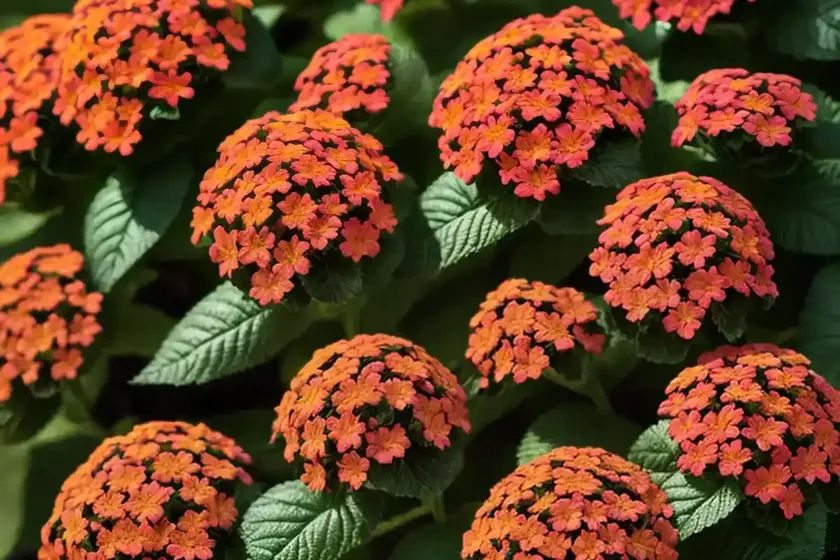
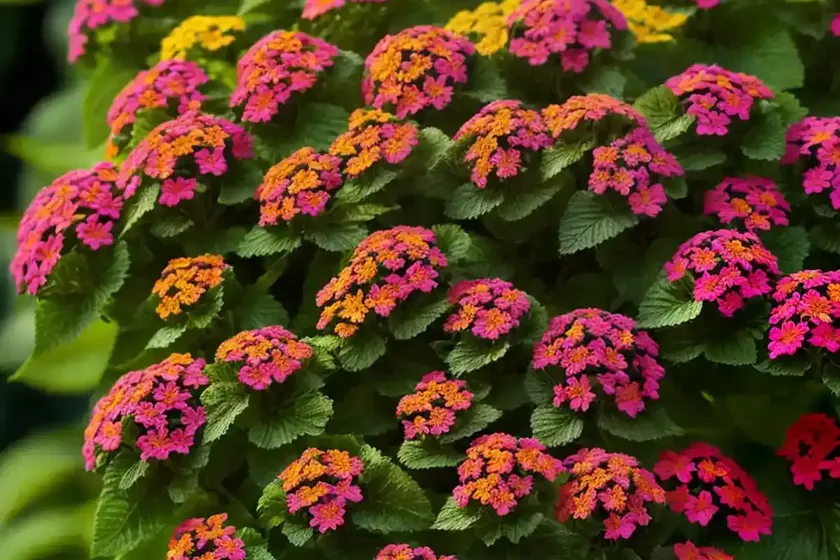
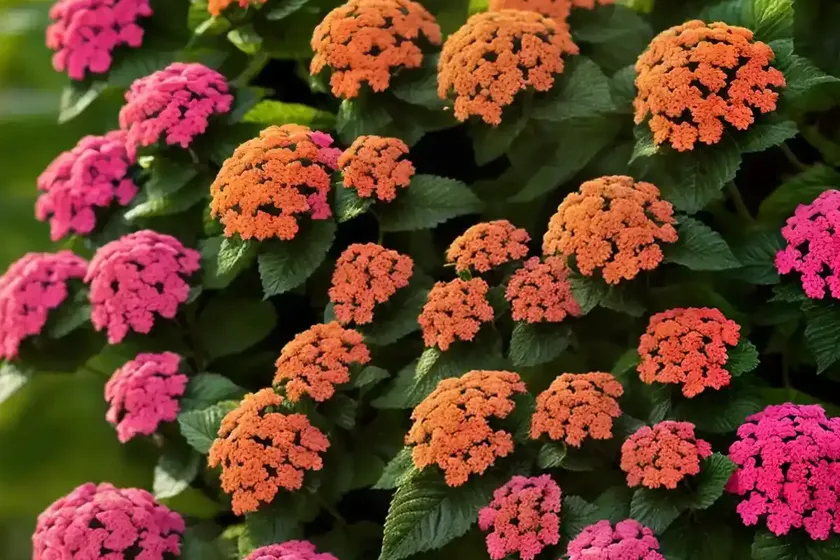
Lantana (Lantana camara) is a popular perennial flowering plant cherished for its vibrant and aromatic blooms. This versatile plant is not only a favorite among gardeners and horticulturists but also holds significance in traditional and modern medicinal applications. In this comprehensive guide, we will delve into the intricacies of Lantana plant care, its uses, and various cultivation practices.
Table of Contents
- What is Lantana (Lantana Camara)?
- Lantana (Lantana Camara): Key Takeaways
- Culture
- Uses
- Water
- Sunlight
- Fertilizer
- Soil
- Pruning
- Propagation
- Container Popularity
- Common Diseases
- Disease Diagnosis
- Common Pests
- Botanist’s Tips
- Fun Facts
- Links to External Resources
What is Lantana (Lantana Camara)?
Lantana camara, commonly known as lantana, is a species of flowering plant within the family Verbenaceae. Native to the tropical regions of the Americas and Africa, Lantana has gained widespread popularity for its colorful, multi-hued flower clusters and its adaptability to various environments. The plant typically grows as a shrub and exhibits an impressive range of flower colors, including vibrant shades of red, yellow, orange, and pink.
Lantana (Lantana Camara): Key Takeaways
Culture
Lantana is known for its easy-going nature, making it a popular choice among novice and seasoned gardeners alike. Understanding the cultural requirements of this plant is essential for its successful growth and blooming. Here are some key cultural aspects to consider:
- Hardiness Zones: Lantana is usually cultivated in hardiness zones ranging from 7 to 11, exhibiting excellent tolerance to warm and humid climates.
- Soil Preferences: Well-drained, slightly acidic to neutral soils are ideal for lantana cultivation. It can adapt to a variety of soil types, including sandy or loamy soils.
- Watering Needs: While lantana is relatively drought-tolerant once established, regular watering is crucial, especially during hot and dry periods. However, it’s important to avoid waterlogged conditions, as excessive moisture can lead to root rot.
- Sunlight Requirements: Lantana thrives in full sun, requiring at least 6-8 hours of direct sunlight for optimal growth and profuse flowering.
Uses
Lantana offers a multitude of uses, ranging from ornamental and medicinal to ecological and landscaping applications. Its diverse range of applications has contributed to its widespread cultivation and popularity. Here are some key uses of lantana:
- Ornamental Purposes: Lantana’s vibrant and long-lasting flower clusters make it a cherished choice for ornamental landscaping, adding a touch of color to gardens, parks, and public spaces.
- Medicinal Properties: Traditional medicinal practices utilize various parts of the lantana plant for treating ailments such as respiratory disorders, fever, and skin conditions. However, it’s important to note that certain species of lantana may contain toxic compounds and should be used with caution under professional guidance.
- Wildlife Attraction: Lantana’s nectar-rich flowers attract a plethora of pollinators, including butterflies, bees, and hummingbirds, making it an invaluable addition to wildlife gardens and conservation areas.
Water
Maintaining optimal soil moisture levels is crucial for the healthy growth and blooming of lantana. Inadequate or excessive watering can lead to various issues, including wilting, root rot, and reduced flowering. Here are some key points to consider regarding lantana’s water requirements:
- Regular Watering: Newly planted lantana should be watered regularly, ensuring that the soil remains consistently moist during the establishment period. Once established, lantana exhibits good drought tolerance, requiring watering only during prolonged dry spells.
- Avoid Waterlogging: Overly wet or waterlogged soils can be detrimental to lantana, leading to root suffocation and susceptibility to diseases. Adequate drainage is crucial to prevent waterlogging in lantana beds or containers.
Sunlight
Lantana thrives in full sun conditions, showcasing vigorous growth and prolific flowering when provided with ample sunlight. Here are some key considerations regarding lantana’s sunlight requirements:
- Full Sun Exposure: Lantana plants should ideally be situated in locations that receive at least 6-8 hours of direct sunlight daily. Inadequate sunlight may lead to leggy growth and reduced flowering.
- Indoor Cultivation: When grown indoors, lantana plants should be placed in brightly lit areas, such as near south-facing windows or under grow lights, to ensure they receive sufficient sunlight.
Fertilizer
Appropriate fertilization plays a pivotal role in promoting robust growth and blooming in lantana plants. Understanding the type and timing of fertilizer application is crucial for maximizing the plant’s ornamental and ecological potential. Here are some key fertilizer-related considerations for lantana:
- Balanced Fertilizer: Lantana benefits from the application of a balanced, slow-release fertilizer with a formulation such as 10-10-10 or 20-20-20. This provides essential nutrients without promoting excessive vegetative growth at the expense of flowering.
- Frequency: Fertilize lantana plants once every 4-6 weeks during the growing season, typically from early spring to mid-fall. However, it’s important to adjust the frequency based on the specific fertilizer product and the plant’s response.
Soil
Lantana exhibits considerable adaptability to different soil types, provided that they offer good drainage and aeration. Understanding the optimal soil conditions for lantana cultivation is essential for ensuring its long-term health and blooming. Here are some key considerations concerning lantana’s soil preferences:
- Well-Drained Soil: Lantana thrives in well-drained soils and is susceptible to root rot in waterlogged or poorly drained conditions. Amending heavy or compacted soils with organic matter can enhance drainage and create a more favorable growing environment for lantana.
- Soil pH: Lantana prefers slightly acidic to neutral soil pH levels ranging from 6.0 to 7.5. Conducting a soil test can help determine the pH of the planting site and guide the necessary soil amendments.
Pruning
Pruning is an essential horticultural practice that helps maintain the vigor, shape, and flowering capacity of lantana plants. Proper pruning techniques can enhance the overall aesthetic appeal of the plant while safeguarding it from potential issues. Here are some key points to consider when pruning lantana:
- Deadheading: Regular deadheading of spent flowers promotes continuous blooming and prevents the formation of seed heads, thus diverting the plant’s energy towards the production of new flower clusters.
- Shape Maintenance: Pruning lantana helps control its growth and shape, contributing to a compact and well-branched appearance. Prune back leggy or overgrown stems to encourage bushier growth and renewed flowering.
Propagation
Lantana can be propagated through various methods, including seeds, stem cuttings, and division. Understanding the appropriate propagation techniques is crucial for expanding lantana populations and preserving desirable cultivars. Here are some key points regarding lantana propagation:
- Seed Propagation: Lantana seeds can be collected from mature flower clusters and sown directly into prepared seed beds or containers. Germination typically occurs within 2-3 weeks under favorable conditions.
- Stem Cuttings: Stem cuttings taken from healthy, actively growing lantana plants can be rooted in well-draining potting mix to propagate genetically identical clones of the parent plant.
- Division: Established lantana plants can be divided into multiple sections, each containing a portion of the root system and aboveground growth. This method allows for the rapid expansion of lantana populations and the rejuvenation of older plants.
Container Popularity
Lantana’s adaptability and ornamental appeal make it an excellent candidate for container gardening, allowing individuals with limited garden space to enjoy its beauty and ecological benefits. Here are some key considerations for cultivating lantana in containers:
- Container Selection: Choose well-draining containers of appropriate size to accommodate the root system and growth habit of lantana. Ensure that the containers have drainage holes to prevent waterlogging.
- Potting Mix: Fill the containers with a high-quality potting mix that provides adequate aeration and drainage. Amending the mix with perlite or coarse sand can enhance its drainage capacity.
- Watering and Fertilization: Container-grown lantana may require more frequent watering and fertilization than their in-ground counterparts due to the limited soil volume and nutrient availability. Monitor the moisture levels and nutrient status of the potting mix regularly.
Common Diseases
Like any other plant, lantana is susceptible to certain diseases that can adversely affect its health and ornamental value. Recognizing the symptoms of common lantana diseases and implementing appropriate management strategies is crucial for mitigating their impact. Here are some prevalent diseases that affect lantana:
- Powdery Mildew: Powdery mildew, caused by fungal pathogens, manifests as a white powdery coating on the leaves, stems, and flowers of lantana. It thrives in conditions of high humidity and poor air circulation.
- Leaf Spot: Various fungal and bacterial pathogens can cause leaf spot diseases in lantana, leading to the formation of dark, necrotic spots on the foliage and eventual defoliation under severe infestations.
- Root Rot: Overly wet or waterlogged soils can predispose lantana to root rot, characterized by the browning and decay of the root system. This can result in wilting, stunted growth, and overall decline in plant health.
Disease Diagnosis
Prompt and accurate diagnosis of lantana diseases is essential for implementing targeted management strategies and preventing the spread of pathogens. Here are key steps to consider when diagnosing diseases in lantana:
- Symptom Recognition: Pay close attention to the symptoms exhibited by lantana plants, including abnormal discoloration, leaf deformation, and the presence of powdery or slimy coatings on the foliage.
- Pathogen Identification: Consult with local horticultural extension services or diagnostic laboratories to identify the specific pathogens responsible for the observed symptoms. This may involve submitting plant samples for laboratory analysis.
- Cultural and Chemical Management: Based on the diagnosis, implement cultural practices such as improving air circulation and modifying irrigation practices, along with targeted fungicidal treatments to control the spread of diseases.
Common Pests
Lantana plants are subject to attack by various pests, ranging from aphids and whiteflies to spider mites and caterpillars. Vigilant monitoring and appropriate pest management strategies are essential for safeguarding lantana from pest-related damage. Here are some common pests that affect lantana:
- Aphids: These small, soft-bodied insects feed on the sap of lantana, causing stunted growth, distorted foliage, and the secretion of sticky honeydew, which promotes the growth of sooty mold.
- Spider Mites: Spider mites are minute arachnids that feed on the undersides of lantana leaves, leading to the development of fine webbing, chlorotic speckling, and premature leaf drop.
- Caterpillars: Certain caterpillar species, such as the lantana camara moth caterpillar, can defoliate lantana plants if their populations are left unchecked.
Botanist’s Tips
To enhance your lantana cultivation experience and achieve optimal results, consider these expert tips and suggestions:
- Companion Planting: Pair lantana with complementary companion plants, such as salvias, verbenas, and pentas, to create visually appealing and ecologically beneficial garden arrangements.
- Regular Monitoring: Routinely inspect your lantana plants for signs of pests, diseases, or nutrient deficiencies. Early intervention can significantly mitigate potential issues and preserve the health of your plants.
Fun Facts
- Lantana blooms are known to change color as they mature, leading to captivating multi-colored flower clusters on each inflorescence.
- The aromatic foliage of lantana is reputed to possess natural insect-repellent properties, contributing to its resilience in gardens and landscapes.
Links to External Resources
For more in-depth information on lantana camara, its cultivation, and ecological significance, refer to the following external resources:
- Lantana camara – Invasive Species Compendium
- Lantana Camara: A Noxious Weed in Florida
- Lantana camara in South Africa – Ecology and Management
- Medicinal and Biological Potential of Lantana camara
- Lantana Camara: Poisonous Plants – North Carolina State University
In conclusion, Lantana camara stands out as a resilient, ornamental, and ecologically valuable plant that warrants attention for its versatility and significance in various horticultural, medicinal, and ecological contexts. By understanding and implementing the essential practices and considerations outlined in this guide, you can cultivate and appreciate lantana to its fullest potential, while contributing to the biodiversity and beauty of your gardens and landscapes.
For more personalized insights and guidance on lantana camara cultivation, consult with local horticultural professionals and extension services to address specific regional considerations and best practices.
Author: Plant Scientist
Disclaimer: The content provided in this guide is for informational purposes only and should not be construed as professional advice. The cultivation and use of lantana camara may vary based on regional regulations, climate conditions, and individual circumstances. Always consult with local horticultural professionals and adhere to applicable laws and regulations when cultivating and utilizing lantana camara.


