Lamium Maculatum (Spotted Dead Nettle)
Lamium maculatum, commonly known as Spotted Dead Nettle, is a versatile and visually appealing perennial plant that is prized for its low maintenance.
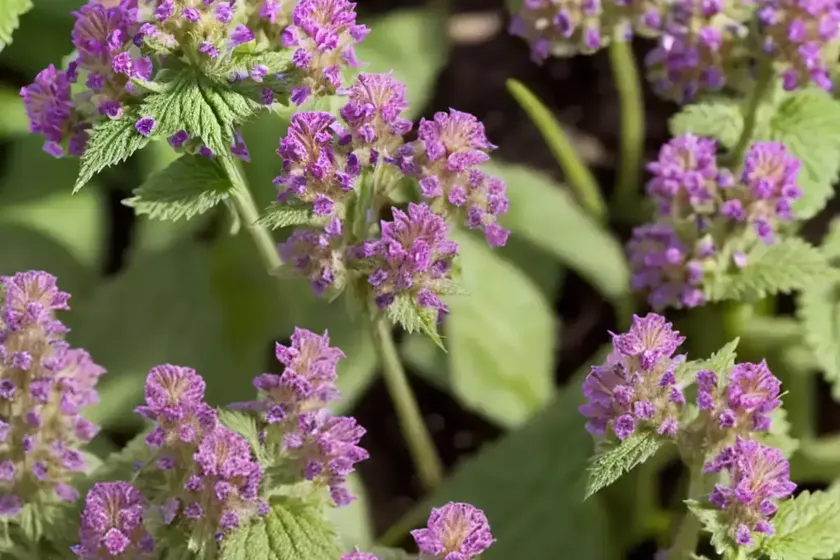
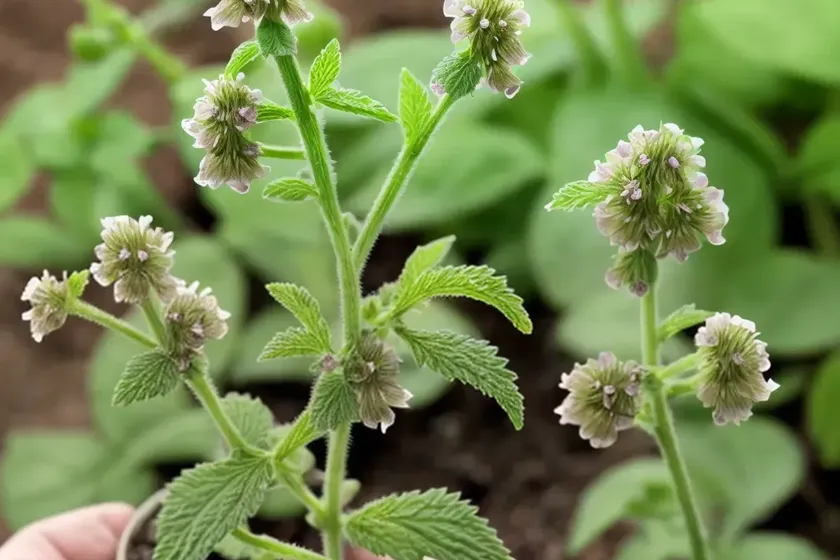
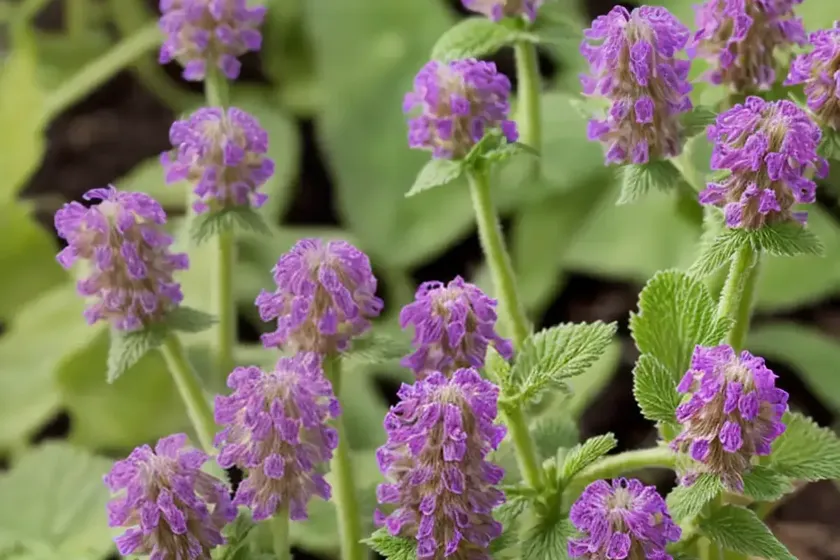
Lamium maculatum, commonly known as Spotted Dead Nettle, is a versatile and visually appealing perennial plant that is prized for its low maintenance, striking foliage, and ability to thrive in various environmental conditions. This plant belongs to the Lamiaceae family and is native to Europe and Asia. Lamium maculatum is favored by gardeners and landscapers for its exceptional ground cover properties and its ability to attract pollinators. In this comprehensive guide, we will delve into the various aspects of Lamium maculatum, providing a detailed understanding of its culture, uses, propagation, maintenance, and much more.
What is Lamium maculatum (Spotted Dead Nettle)?
Scientific Classification:
– Kingdom: Plantae
– Clade: Tracheophytes
– Clade: Angiosperms
– Clade: Eudicots
– Clade: Asterids
– Order: Lamiales
– Family: Lamiaceae
– Genus: Lamium
– Species: Lamium maculatum
Description: Lamium maculatum is a herbaceous perennial that typically reaches a height of 6-12 inches and spreads vigorously via stolons to form a dense mat. The plant is characterized by its heart-shaped leaves with distinct silver-gray markings, which lend it the common name “Spotted Dead Nettle.” Additionally, the plant produces small, tubular, two-lipped flowers in various shades of pink, purple, or white, enhancing its ornamental appeal.
Key Takeaways – Lamium maculatum (Spotted Dead Nettle)
Before diving into the specifics of Lamium maculatum care and cultivation, let’s highlight some key takeaways associated with this fascinating plant:
- Lamium maculatum, also known as Spotted Dead Nettle, is valued for its attractive foliage, colorful flowers, and ground cover capabilities.
- This plant belongs to the Lamiaceae family and is native to Europe and Asia.
- Lamium maculatum is a low-maintenance perennial that thrives in various soil types and environmental conditions.
- It is known for its rapid spread and is often used in landscaping to create beautiful ground cover.
- The plant attracts pollinators, making it a valuable addition to wildlife-friendly gardens.
- Lamium maculatum comes in several cultivated varieties, offering a range of foliage colors and flower characteristics for diverse landscaping applications.
Now that we have established an overview of Lamium maculatum, let’s delve deeper into its culture, uses, care requirements, and more.
Culture
Water
Lamium maculatum is adaptable to different moisture levels, making it suitable for both dry and moderately moist conditions. When establishing the plant, regular watering is essential to ensure proper root development and establishment. Once established, Spotted Dead Nettle is relatively drought tolerant and requires minimal supplemental watering, as it can source moisture from its spreading roots. However, during prolonged dry spells, especially in regions with high temperatures, providing occasional irrigation can help maintain the plant’s vigor and appearance.
Sunlight
Spotted Dead Nettle thrives in diverse light conditions, displaying the versatility to grow in both partial shade and full shade. The plant’s ability to prosper in shaded areas makes it an excellent choice for underplanting in wooded gardens, along the edges of tree canopies, or in shaded borders where few other plants will grow. While Lamium maculatum can tolerate some sun, especially in cooler climates, it generally prefers shaded environments and may exhibit better coloration and overall performance when provided with adequate shade.
Fertilizer
Lamium maculatum generally does not have high fertilizer requirements and can thrive in moderately fertile soil. Before planting, amending the soil with organic matter such as compost can provide beneficial nutrients and enhance soil structure to support healthy growth. Additionally, applying a balanced, slow-release fertilizer in spring can further support the plant’s growth and vigor. However, it is essential to avoid excessive fertilization, as this may lead to overly lush growth and can potentially diminish the plant’s ornamental qualities.
Soil
Spotted Dead Nettle is adaptable to various soil types, including loamy, sandy, or clay soils, as long as they are well-draining. While the plant can tolerate different pH levels, it generally thrives in slightly acidic to slightly alkaline soil ranging from pH 6.0 to 7.5. Ensuring good drainage is crucial, as Lamium maculatum is susceptible to root rot in waterlogged conditions. Adding organic matter to the soil before planting can improve its structure and fertility, promoting favorable conditions for the plant’s root establishment and growth.
Pruning
Pruning Spotted Dead Nettle is generally minimal, primarily focusing on the removal of spent flowers and occasional tidying to maintain the plant’s shape and prevent it from encroaching on neighboring plantings. Deadheading the flowers can encourage continued blooming and prevent the plant from exerting energy on seed production. Additionally, removing any excessively leggy or discolored stems can help rejuvenate the plant’s appearance and promote a fuller, more vibrant growth habit. Pruning can be undertaken throughout the growing season as needed, with a more significant cleanup conducted in late fall or early spring to refresh the plant for the upcoming season.
Propagation
Division
Lamium maculatum can be propagated through division, making it an excellent way to rejuvenate established clumps and expand plantings. Division is typically carried out in early spring as new growth emerges, providing ample time for the divided sections to establish before the onset of summer heat. To propagate through division:
- Dig up a mature clump of Spotted Dead Nettle, ensuring that the root mass remains intact.
- Gently separate the root mass into smaller sections, ensuring that each division has several healthy stems and a viable root system.
- Replant the divisions at the desired location, making sure to water them thoroughly to support their establishment.
Seed
While Spotted Dead Nettle can produce seeds, it is important to note that the plant has a tendency to self-sow vigorously. As a result, controlling seed dispersal may be necessary to prevent the plant from becoming invasive. To collect seeds for intentional propagation, allow the flowers to mature and form seed heads. Harvest the seeds when they are fully developed and sow them in a prepared seedbed or containers. Maintain consistent moisture and provide adequate light to support successful germination.
Container Popularity
Spotted Dead Nettle is highly suitable for container cultivation, offering an attractive option for adding visual interest and color to outdoor spaces, including patios, balconies, and walkways. When grown in containers, Lamium maculatum’s trailing habit and colorful foliage make it an excellent choice for cascading over the edges of pots and planters, providing a striking accent to the container garden. Additionally, its adaptability to shade allows for diverse placement options, making it an ideal choice for shaded outdoor areas that may be challenging for other plants.
Common Diseases
Lamium maculatum is generally resilient to diseases, especially when grown in suitable cultural conditions that promote its vigor and natural defenses. However, certain environmental factors and cultural practices can predispose the plant to potential diseases. Some common diseases that may affect Spotted Dead Nettle include:
- Powdery Mildew: This fungal disease can manifest as a powdery, white substance on the foliage, leading to weakened growth and diminished aesthetic appeal.
- Crown Rot: Prolonged exposure to waterlogged conditions can result in crown rot, causing the plant to exhibit signs such as wilting, yellowing foliage, and overall decline.
- Root Rot: Excessive moisture and poorly draining soil can contribute to root rot in Lamium maculatum, resulting in stunted growth and eventual plant death.
Disease Diagnosis
Diagnosing and addressing potential diseases in Lamium maculatum involves proactive maintenance and attentive observation. By closely monitoring the plant for any signs of abnormal growth, foliage discoloration, or texture changes, gardeners can detect early symptoms of diseases and take necessary measures to mitigate their impact. Cultural practices, including providing well-draining soil, adequate air circulation, and proper irrigation, can significantly reduce the risk of disease occurrence. Additionally, promptly removing and disposing of any affected plant material can help prevent the spread of diseases within the garden.
Common Pests
Spotted Dead Nettle is relatively resistant to pest infestations, owing to its robust growth habit and natural defense mechanisms. However, certain pests may occasionally pose a threat to the plant’s health and appearance. Common pests that may affect Lamium maculatum include:
- Aphids: These small, sap-sucking insects can congregate on the plant’s tender growth, leading to distorted foliage and the potential for sooty mold development.
- Spider Mites: These minuscule pests can inflict damage by feeding on the plant’s foliage, causing stippling, discoloration, and overall decline.
- Slugs and Snails: These mollusks can feed on the plant’s foliage, resulting in irregular holes and damage to the leaves, especially in damp, shaded environments.
Botanist’s Tips
- Companion Planting: Pairing Lamium maculatum with shade-tolerant companion plants, such as hostas, ferns, and heucheras, can create visually appealing and diverse garden compositions.
- Mulching: Applying a layer of organic mulch around the base of Spotted Dead Nettle can help retain soil moisture, suppress weed growth, and provide insulation to the root zone, contributing to the plant’s overall health and vitality.
- Wildlife Habitat: The nectar-rich flowers of Lamium maculatum attract pollinators, making it a valuable addition to wildlife-friendly landscapes that support biodiversity and contribute to ecological balance.
Fun Facts
- The common name “Dead Nettle” refers to the plant’s resemblance to true nettles, despite being non-stinging and harmless. This characteristic makes it a safe and family-friendly plant for gardens and landscapes.
- In addition to its ornamental value, Lamium maculatum has been traditionally used in herbal medicine for its purported medicinal properties, including anti-inflammatory and astringent effects.
Links to External Resources
For more information on Lamium maculatum (Spotted Dead Nettle) and its cultivation, including Lamium maculatum care, varieties, landscaping ideas, and more, you can explore the following external resources:
- Royal Horticultural Society – Lamium maculatum
- Missouri Botanical Garden – Lamium maculatum
- University of Maryland Extension – Ground Covers for Shade
- The Spruce – Lamium maculatum Growing and Care Guide
In conclusion, Lamium maculatum, or Spotted Dead Nettle, is a captivating and resilient plant that offers a wealth of ornamental and practical attributes for gardeners and landscapers. Its adaptability to shade, low maintenance requirements, and aesthetic appeal make it a valuable addition to diverse outdoor spaces. By understanding the cultural needs, propagation methods, and maintenance practices associated with this versatile perennial, enthusiasts can effectively integrate Lamium maculatum into their gardens, creating captivating, low-maintenance landscapes that are both visually appealing and ecologically beneficial. Whether utilized as a ground cover, container specimen, or accent plant, Lamium maculatum continues to captivate and inspire gardeners with its enduring charm and abundance of unique attributes.


