Lamium Maculatum ‘Red Nancy’ (Spotted Dead Nettle)
Lamium maculatum ‘Red Nancy’, also known as Spotted Dead Nettle, is a versatile and visually appealing perennial plant. Its unique foliage and vibrant.
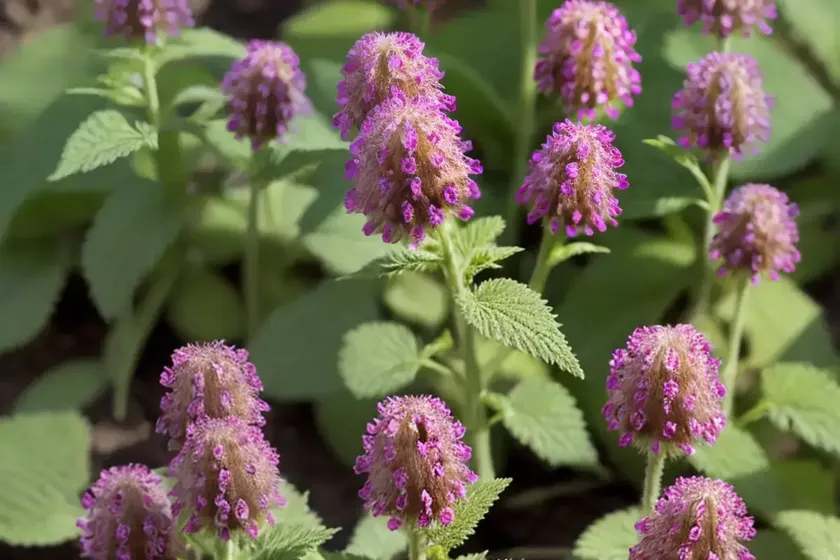
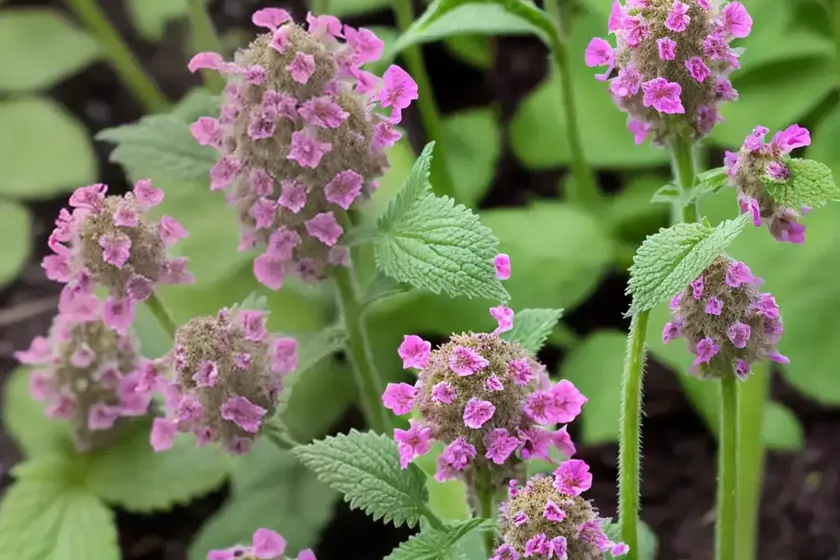
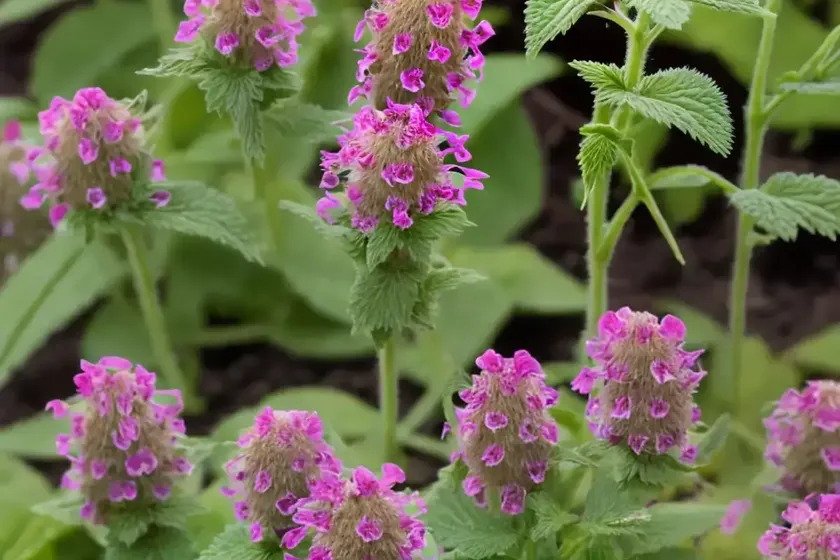
Lamium maculatum ‘Red Nancy’, also known as Spotted Dead Nettle, is a versatile and visually appealing perennial plant. Its unique foliage and vibrant flowers make it a popular choice for gardens and landscapes. In this comprehensive guide, we will explore the various aspects of caring for and growing Lamium maculatum ‘Red Nancy’, as well as its cultural significance and ecological roles.
What is Lamium maculatum ‘Red Nancy’?
Lamium maculatum ‘Red Nancy’ belongs to the Lamiaceae family and is native to Europe and western Asia. It is characterized by its heart-shaped leaves with silver markings and its striking magenta-pink flowers. This low-growing perennial thrives in shaded areas, making it an excellent choice for underplanting in woodland gardens or as a ground cover in shaded borders.
Key Takeaways – Lamium maculatum ‘Red Nancy’
Before delving into the specific care and cultivation practices for Lamium maculatum ‘Red Nancy’, let’s highlight some key takeaways about this plant:
- Common Name: Spotted Dead Nettle ‘Red Nancy’
- Family: Lamiaceae
- Foliage: Silver-marked, heart-shaped leaves
- Flowers: Magenta-pink blooms
- Growth Habit: Low-growing, spreading
- Preferred Habitat: Partial to full shade
- Cultural Uses: Ground cover, border plant, woodland gardens
- Wildlife Attraction: Pollinators, such as bees and butterflies
- Maintenance Level: Low-maintenance
Now, let’s explore the specific care requirements and growth conditions necessary for nurturing healthy and flourishing Lamium maculatum ‘Red Nancy’ plants.
Culture
Water
Lamium maculatum ‘Red Nancy’ prefers consistently moist soil, especially during the growing season. However, it is crucial to ensure that the soil is well-draining to prevent waterlogged conditions, which can lead to root rot. Regular watering is essential, particularly during dry periods, to support healthy growth and flowering.
Sunlight
In terms of sunlight exposure, Spotted Dead Nettle ‘Red Nancy’ thrives in partial to full shade. It is well-suited for shaded garden areas, such as under trees or along north-facing borders. While it can tolerate some morning sun, it generally performs best in locations with dappled or filtered light.
Fertilizer
When it comes to fertilizer application, a balanced, slow-release fertilizer can be beneficial for Lamium maculatum ‘Red Nancy’. Applying a layer of organic mulch around the plants in spring can help maintain soil moisture and provide some nutrients as the mulch breaks down. Avoid excessive nitrogen fertilization, as it can promote lush foliage at the expense of flowering.
Soil
Spotted Dead Nettle ‘Red Nancy’ thrives in well-draining, humus-rich soil with a slightly acidic to neutral pH. Amending the soil with organic matter, such as compost or leaf mold, can improve its texture and fertility, creating an optimal growing environment for this perennial. Additionally, maintaining a consistent moisture level in the soil is crucial for the plant’s overall health and vigor.
Pruning
Pruning is an essential aspect of Lamium maculatum ‘Red Nancy’ care, particularly to promote compact growth and encourage flowering. In early spring, remove any damaged or dead foliage and trim back overgrown or leggy stems to encourage a more rounded and dense habit. Deadheading spent flowers throughout the blooming season can also prolong the display of blooms and prevent self-seeding.
Propagation
Lamium maculatum ‘Red Nancy’ can be propagated through several methods, including division, stem cuttings, and seed sowing. Here are some key pointers for propagation:
- Division: In early spring or fall, carefully divide established clumps of Lamium maculatum ‘Red Nancy’, ensuring that each division has a healthy root system and several shoots. Replant the divisions in prepared soil and water thoroughly.
- Stem Cuttings: Take 4-6 inch stem cuttings from healthy, non-flowering shoots in spring or early summer. Remove the lower leaves and dip the cut ends in rooting hormone before planting them in a well-draining rooting medium. Keep the cuttings consistently moist and provide bottom heat for optimal rooting.
- Seed Sowing: Collect mature seeds from the plant and sow them in a prepared seedbed in fall or early spring. Keep the soil moist, and once the seedlings have developed several true leaves, they can be transplanted to their permanent location.
Container Popularity
Due to its spreading and low-growing nature, Lamium maculatum ‘Red Nancy’ is well-suited for container cultivation. The striking foliage and colorful blooms make it an excellent choice for adding visual interest to shaded patios, balconies, or other outdoor living spaces. When growing Spotted Dead Nettle ‘Red Nancy’ in containers, ensure that the pot has adequate drainage and use a high-quality potting mix to provide the necessary nutrients and moisture retention.
Common Diseases
While Lamium maculatum ‘Red Nancy’ is relatively resilient, it can be susceptible to certain diseases under unfavorable growing conditions. Being aware of common diseases and their symptoms allows for timely intervention and effective management strategies to maintain plant health.
Disease Diagnosis
Here are some common diseases that can affect Lamium maculatum ‘Red Nancy’ and their associated symptoms:
- Powdery Mildew: This fungal disease appears as a powdery, white coating on the leaves, eventually leading to leaf distortion and reduced plant vigor.
- Root Rot: Excessive soil moisture or poor drainage can cause root rot, resulting in yellowing, wilting, and eventual collapse of the plant.
- Botrytis Blight: Also known as gray mold, this disease causes brown lesions on leaves and stems, often accompanied by a fuzzy gray mold growth.
Common Pests
In addition to diseases, certain pests can pose a threat to the health and vitality of Lamium maculatum ‘Red Nancy’. Monitoring the plants regularly enables early pest detection and the implementation of appropriate pest control measures to mitigate damage and prevent infestations.
Botanist’s Tips
To ensure the successful cultivation of Lamium maculatum ‘Red Nancy’, here are some botanist’s tips to keep in mind:
- Mulching: Applying a layer of organic mulch around the base of the plants helps conserve soil moisture, suppress weeds, and provide a gradual release of nutrients as it decomposes.
- Companion Planting: Pair Spotted Dead Nettle ‘Red Nancy’ with shade-loving companions, such as hostas, ferns, and brunnera, to create visually appealing and harmonious plant combinations in shaded landscapes.
Fun Facts
To add some intrigue and fascination to the discussion, here are a few fun facts about Lamium maculatum ‘Red Nancy’:
- The common name “Dead Nettle” refers to the plant’s resemblance to true nettles (genus Urtica) without the stinging hairs, hence the “dead” descriptor.
- Lamium maculatum has a long history of traditional medicinal use, with certain species being associated with anti-inflammatory and astringent properties.
As we celebrate the multifaceted beauty and resilience of Lamium maculatum ‘Red Nancy’, it is imperative to recognize the ecological contributions and visual allure that this remarkable plant brings to diverse landscapes and gardens. The next sections will feature a range of external resources that further enhance the understanding and appreciation of this captivating perennial.
Links to External Resources
Here are some valuable external resources for enthusiasts and gardeners interested in learning more about Lamium maculatum ‘Red Nancy’ and its cultivation:
- Royal Horticultural Society (RHS): Comprehensive guidance on growing and caring for Lamium maculatum, including cultivar selections and maintenance tips.
- Missouri Botanical Garden: Detailed information on the botanical characteristics, habitat preferences, and landscape uses of Lamium maculatum.
- University of Florida IFAS Extension: Insights into the cultural practices, pest management, and disease control strategies for Lamium species in the garden.
Stay tuned for the latest updates and garden tips from our team as we delve into the diverse world of plant species and their captivating features. Happy gardening!


