Lamium Maculatum Pink Chablis� (Spotted Dead Nettle)
Plants are an essential part of our environment, providing beauty, oxygen, and contributing to a balanced ecosystem. Among the diverse range of plants, the.
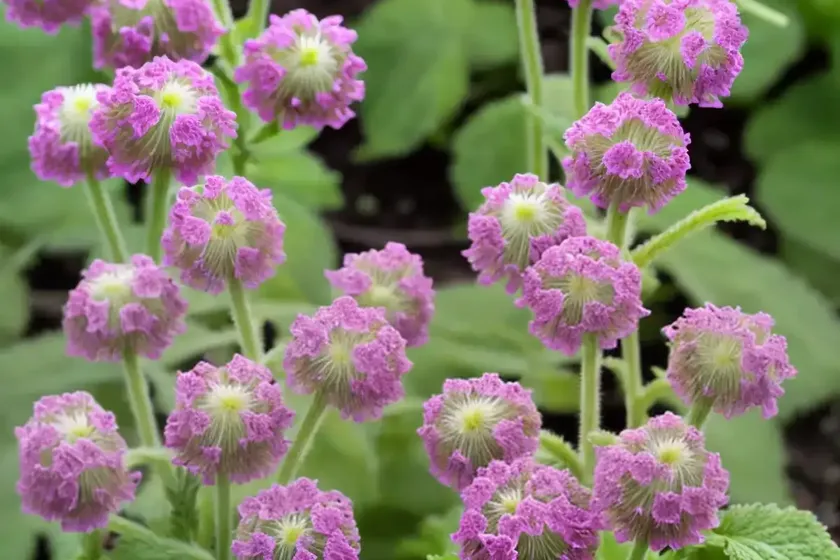
Plants are an essential part of our environment, providing beauty, oxygen, and contributing to a balanced ecosystem. Among the diverse range of plants, the Lamium maculatum Pink Chablis, commonly known as Spotted Dead Nettle, stands out with its distinct characteristics and versatile uses. In this comprehensive guide, we will delve into the world of the Lamium maculatum Pink Chablis, understanding its culture, uses, care requirements, and interesting facts that make it a valuable addition to any garden or landscape.
What is Lamium maculatum Pink Chablis?
Lamium maculatum, or Spotted Dead Nettle, is a herbaceous perennial flowering plant belonging to the mint family, Lamiaceae. With its striking foliage and delicate blooms, it is a popular choice for ground cover and ornamental purposes in gardens and landscapes.
Key Takeaways – Lamium maculatum Pink Chablis
- Plant Name: Lamium maculatum Pink Chablis (Spotted Dead Nettle)
- Variety: Pink Chablis
- Species: Lamium maculatum
- Family: Lamiaceae
- Characteristics: Variegated foliage with pink or purple flowers
- Uses: Ground cover, ornamental plant
- Water: Moderate
- Sunlight: Partial to full shade
- Soil: Well-draining, fertile soil
- Propagation: Stem cuttings, division
- Common Diseases: Powdery mildew, root rot
- Common Pests: Aphids, spider mites
Culture
Understanding the cultural requirements of the Lamium maculatum Pink Chablis is essential for successfully growing and maintaining this plant. Let’s explore the key aspects of its culture.
Uses
The Lamium maculatum Pink Chablis is valued for its versatile uses, making it a desirable addition to various landscaping and gardening projects. Its main uses include:
- Ground Cover: With its spreading habit and dense foliage, it serves as an excellent ground cover, filling in bare areas and suppressing weed growth.
- Ornamental Plant: The variegated foliage and charming flowers make it an attractive ornamental plant, suitable for borders, pathways, and woodland gardens.
Water
Proper watering is crucial for the health and vigor of the Lamium maculatum Pink Chablis. While it is relatively tolerant of different moisture levels, it thrives in moderately moist conditions. Overwatering should be avoided to prevent waterlogged soil, which can lead to root rot and other issues.
Sunlight
The Pink Chablis variety of Lamium maculatum prefers partial to full shade, making it an ideal choice for shaded or woodland garden areas. Excessive direct sunlight can cause leaf scorch, particularly in hot climates, so providing filtered light or morning sun is recommended.
Fertilizer
When it comes to fertilization, the Lamium maculatum Pink Chablis benefits from a balanced, slow-release fertilizer applied in the spring. This helps support healthy growth and abundant flowering. It’s important to follow the recommended dosage to prevent over-fertilization, which can lead to excessive foliage at the expense of flowers.
Soil
The Spotted Dead Nettle thrives in well-draining, fertile soil with a slightly acidic to neutral pH. Amending the soil with organic matter such as compost or leaf mold can improve its texture and nutrient content, promoting optimal growth and vigor.
Pruning
Pruning is an essential aspect of maintaining the Lamium maculatum Pink Chablis and encouraging bushy, compact growth. Regular deadheading of spent flowers can prolong the blooming period and prevent self-seeding, which can lead to unwanted spread in certain garden settings.
Propagation
Lamium maculatum Pink Chablis can be propagated through various methods, including stem cuttings and division. These techniques allow for the expansion of plantings or the creation of new plants for additional garden areas.
Stem Cuttings
Taking stem cuttings from healthy, established plants is a simple and effective way to propagate the Pink Chablis variety. By selecting non-flowering stems and providing the right environmental conditions, successful rooting can be achieved within a few weeks.
Division
Dividing mature clumps of Lamium maculatum Pink Chablis is another reliable method of propagation. This is usually done in the early spring or fall, when the plant is not actively growing. Divided sections can be replanted in suitable locations, ensuring the continuity of this charming ground cover plant.
Container Popularity
The compact nature and ornamental appeal of the Lamium maculatum Pink Chablis make it well-suited for container gardening. Its trailing habit and colorful foliage can enhance the visual interest of container arrangements, whether used alone or as part of mixed plantings.
Container Common Diseases
When grown in containers, the Pink Chablis variety may be susceptible to certain diseases, including root rot and fungal infections. Proper drainage, suitable potting mix, and adequate airflow can help mitigate these issues and promote a healthy growing environment.
Disease Diagnosis
Timely diagnosis and appropriate management are essential for addressing any diseases that may affect the Lamium maculatum Pink Chablis. Observation of symptoms such as yellowing foliage, wilting, or abnormal growth should prompt further examination to determine the underlying cause and implement targeted treatment.
Common Pests
Pests such as aphids and spider mites can potentially infest the Pink Chablis Spotted Dead Nettle, particularly in warm and dry conditions. Regular monitoring and the application of pest control measures, such as neem oil or insecticidal soap, can help prevent pest infestations and minimize damage to the plants.
Botanist’s Tips
For botanical enthusiasts and gardening aficionados, here are some insightful tips for growing and caring for the Lamium maculatum Pink Chablis:
- Shade-tolerant: Utilize its preference for partial to full shade by incorporating it into shaded garden areas or woodland landscapes for a vibrant, low-maintenance ground cover.
- Companion Planting: Pair with other shade-loving perennials such as hostas, ferns, and tiarellas to create visually appealing and cohesive plantings.
- Border Planting: Create attractive borders or edgings by planting the Pink Chablis variety along paths, beneath trees, or around garden beds, adding a splash of color and texture to such areas.
- Container Combinations: Explore creative container combinations by pairing the Lamium maculatum Pink Chablis with complementary foliage and flowering plants, showcasing its versatility and aesthetic appeal.
Fun Facts
Discover some intriguing and fun facts about the Lamium maculatum Pink Chablis that add to its allure and charm:
- The name “Spotted Dead Nettle” derives from the resemblance of its leaves to those of the stinging nettle, despite lacking the stinging hairs, and its ability to thrive in shaded, moist environments, similar to true nettles.
- The variegated foliage of the Pink Chablis variety provides year-round interest, with silver-green leaves adorned with splashes of white and sometimes pink accents, adding visual appeal even when not in bloom.
- Lamium maculatum Pink Chablis can attract pollinators such as bees and butterflies when in flower, contributing to the support of local ecosystems and biodiversity in the garden.
Links to External Resources
For further information on the Lamium maculatum Pink Chablis, its cultivation, and its varied uses, consider exploring these reputable resources:
-
Royal Horticultural Society (RHS): The RHS offers valuable insights into the characteristics and cultivation of Lamium maculatum, providing guidance for gardeners and enthusiasts.
- Website: Royal Horticultural Society
-
Missouri Botanical Garden: The Missouri Botanical Garden’s plant database includes detailed information about Lamium maculatum Pink Chablis, expanding on its botanical features and cultural requirements.
- Website: Missouri Botanical Garden
-
University Cooperative Extension Services: Cooperative extension services of various universities often provide locally relevant information on plant care and cultivation, including specifics about Lamium maculatum Pink Chablis in different regions.
In conclusion, the Lamium maculatum Pink Chablis (Spotted Dead Nettle) is a delightful and versatile plant that enriches garden landscapes with its distinctive foliage, charming flowers, and ease of maintenance. With an understanding of its culture, uses, care requirements, and botanical significance, enthusiasts and gardeners can appreciate and effectively incorporate this elegant perennial into their outdoor spaces, enhancing the overall beauty and ecological value of their gardens.
Remember to check local regulations and recommendations regarding plant selection and cultivation to ensure the suitability of Lamium maculatum Pink Chablis for your specific region and garden conditions. By embracing this captivating plant variety, one can contribute to the vibrancy and sustainability of garden environments while enjoying its aesthetic and ecological benefits.
This comprehensive blog post aims to provide valuable insights into the Lamium maculatum Pink Chablis, catering to botanical enthusiasts, gardeners, and individuals seeking to enhance their knowledge of horticulture and plant cultivation. The inclusion of practical tips, fun facts, and external resource links further enriches the content, ensuring a well-rounded and informative read. The structured and detailed approach offers readers a comprehensive understanding of the subject matter while fostering an appreciation for the diversity and appeal of this fascinating plant variety.


