Lamium Maculatum ‘Elisabeth De Haas’ (Spotted Dead Nettle)
Lamium maculatum ‘Elisabeth de Haas’, commonly known as Spotted Dead Nettle, is a versatile and attractive perennial plant. In this comprehensive guide, we.
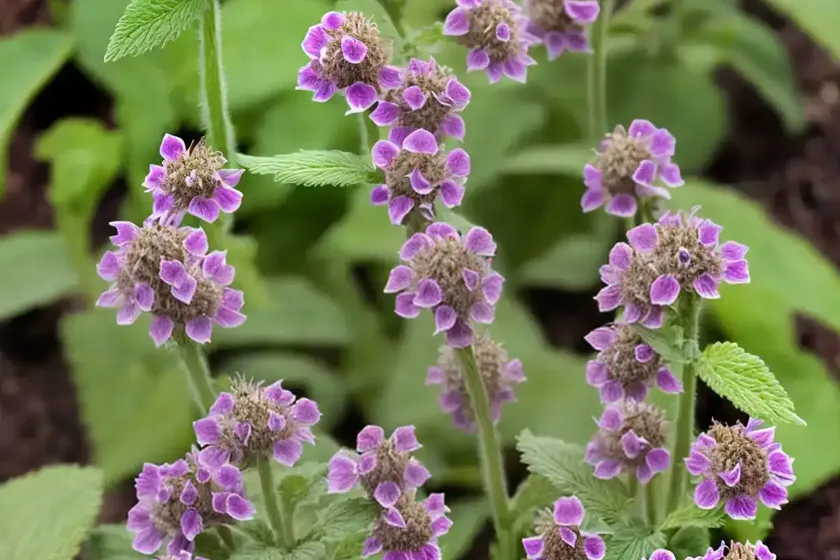
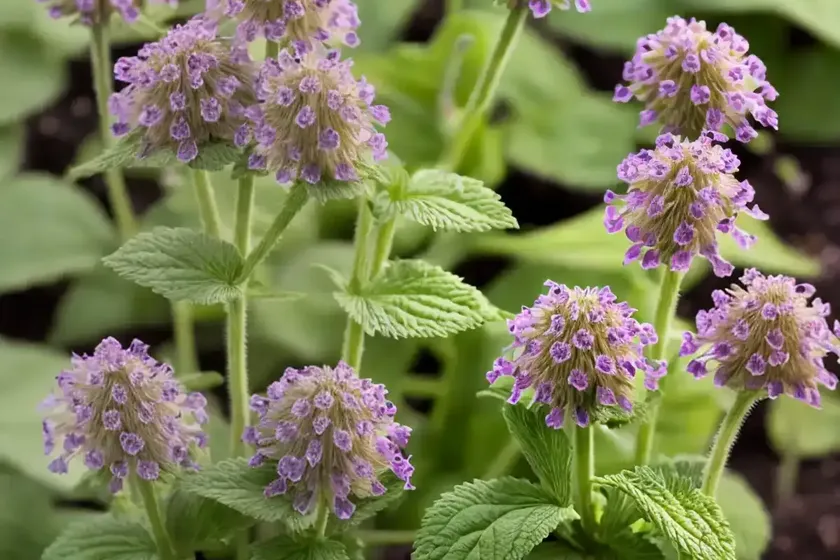
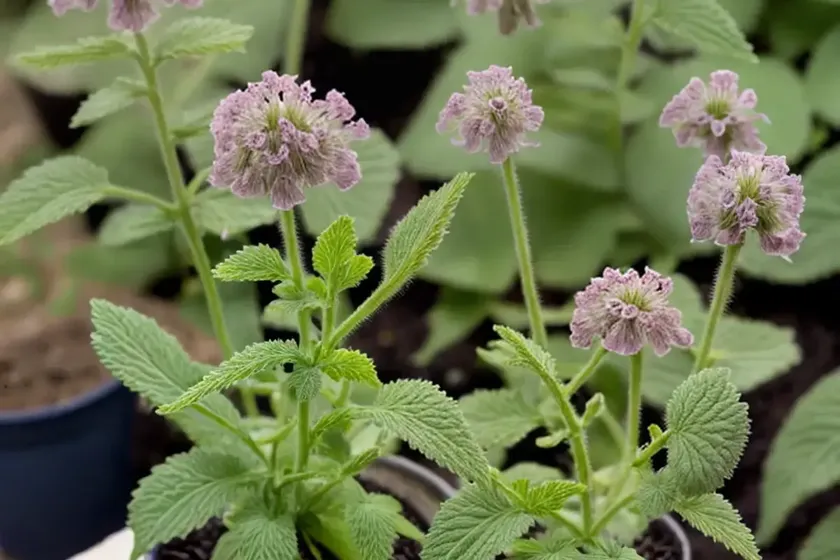
Lamium maculatum ‘Elisabeth de Haas’, commonly known as Spotted Dead Nettle, is a versatile and attractive perennial plant. In this comprehensive guide, we will explore the key aspects of caring for and growing this plant. From its cultural requirements to uses, common diseases, pests, and propagation techniques, this guide aims to provide plant enthusiasts and horticulturists with valuable insights into the world of Lamium maculatum ‘Elisabeth de Haas’.
What is Lamium maculatum ‘Elisabeth de Haas’?
Lamium maculatum ‘Elisabeth de Haas’ is a member of the mint family, Lamiaceae. It is prized for its colorful and variegated foliage, making it a popular choice for gardeners and landscapers. This low-growing perennial is native to Europe and Western Asia and is cultivated for its ornamental qualities. With heart-shaped leaves and delicate, hooded, pink flowers, Lamium maculatum ‘Elisabeth de Haas’ adds a touch of elegance to any garden or landscape.
Key Takeaways – Lamium maculatum ‘Elisabeth de Haas’ (Spotted Dead Nettle)
Before delving into the specific care and cultivation aspects of Lamium maculatum ‘Elisabeth de Haas’, let’s highlight the key takeaways of this plant:
- Scientific Name: Lamium maculatum ‘Elisabeth de Haas’
- Common Name: Spotted Dead Nettle
- Family: Lamiaceae
- Native Habitat: Europe and Western Asia
- Foliage: Variegated, heart-shaped leaves
- Flowers: Delicate, hooded, pink flowers
- Growth Habit: Low-growing perennial
- Uses: Ornamental landscaping, ground cover
Now that we have a brief overview of Lamium maculatum ‘Elisabeth de Haas’, let’s explore the various aspects related to its culture, uses, and maintenance.
Culture
Cultivating Lamium maculatum ‘Elisabeth de Haas’ successfully requires an understanding of its cultural requirements. From water and sunlight needs to soil conditions and pruning, each aspect plays a crucial role in nurturing healthy and vibrant Spotted Dead Nettle plants.
Water
Lamium maculatum ‘Elisabeth de Haas’ thrives in moist, well-drained soil. While it prefers consistent moisture, it is essential to avoid waterlogged conditions that can lead to root rot. During hot and dry periods, regular watering is necessary to support optimal growth and prevent the soil from drying out completely.
Sunlight
In terms of sunlight, Lamium maculatum ‘Elisabeth de Haas’ exhibits a versatile nature. It can adapt to various light conditions, including full sun to partial shade. However, in regions with intense afternoon sun, providing some shade during the hottest part of the day can benefit the plant and prevent leaf scorching.
Fertilizer
When it comes to fertilization, applying a balanced, slow-release fertilizer in the spring can promote healthy growth and vibrant foliage. Selecting a fertilizer with an N-P-K ratio of 10-10-10 or similar, and following the manufacturer’s recommendations for application rates, can ensure that the Spotted Dead Nettle receives the necessary nutrients for robust development.
Soil
Lamium maculatum ‘Elisabeth de Haas’ thrives in well-drained, fertile soil. It can adapt to various soil types, including loamy, sandy, and clay soils. Prior to planting, amending the soil with organic matter, such as compost or aged manure, can improve its structure and fertility, providing an ideal growing medium for the plant.
Pruning
Pruning plays a vital role in maintaining the attractive appearance of Lamium maculatum ‘Elisabeth de Haas’. Regular removal of spent flowers and occasional trimming of the plant can promote new growth and prevent it from becoming leggy. Additionally, pruning can help manage the plant’s size and shape, making it suitable for both formal and informal garden settings.
Uses
Lamium maculatum ‘Elisabeth de Haas’ offers a range of uses, making it a versatile addition to gardens, landscapes, and even container plantings. From its role as a ground cover to its ornamental value, understanding the diverse uses of this plant can inspire creative gardening and landscaping endeavors.
Ground Cover
The low-growing habit and sprawling nature of Lamium maculatum ‘Elisabeth de Haas’ make it an excellent choice for ground cover. When planted in mass, it forms a beautiful, dense carpet of variegated foliage, creating visual interest and suppressing weed growth. Its ability to thrive in shaded areas further enhances its appeal as a ground cover plant for challenging garden spaces.
Ornamental Landscaping
With its attractive variegated leaves and delicate pink flowers, Spotted Dead Nettle is often used as an ornamental plant in landscaping projects. Whether in borders, rock gardens, or woodland settings, its colorful foliage and low-maintenance nature make it a valuable addition to diverse landscape designs.
Container Plantings
Lamium maculatum ‘Elisabeth de Haas’ also excels in container plantings, adding a vibrant and trailing element to potted arrangements. Its adaptability to partial shade further extends its suitability for adornment in shaded patios, balconies, and outdoor living spaces. Whether cascading from hanging baskets or spilling over the edges of containers, its ornamental value is undeniable.
Propagation
Understanding the propagation techniques for Lamium maculatum ‘Elisabeth de Haas’ enables enthusiasts to expand their plant collections and share this beautiful species with others. From division to seed propagation, let’s explore the various methods of multiplying this delightful plant.
Propagation by Division
Propagating Lamium maculatum ‘Elisabeth de Haas’ through division involves separating the plant’s root clumps to create new, individual plants. This method is typically performed in early spring or fall when the plant is not actively flowering. By carefully dividing the root mass and ensuring that each division has adequate roots and shoots, successful establishment of new plants can be achieved.
Propagation by Seed
While Spotted Dead Nettle can self-seed in favorable conditions, collecting and sowing seeds can also be a viable method of propagation. Harvesting the seeds from mature plants and sowing them in a well-prepared seed-starting mix can kickstart the germination process. Providing the seeds with consistent moisture and warmth can lead to the development of seedlings that can later be transplanted to their designated growing areas.
Container Popularity
Lamium maculatum ‘Elisabeth de Haas’ has gained popularity as a container plant due to its adaptability to partial shade and its trailing nature, making it an excellent candidate for cascading over the edges of pots and containers. The exquisite foliage of this plant adds an attractive dimension to potted arrangements, and its low-maintenance requirements make it appealing for both novice and experienced gardeners.
Fun Facts
- The specific epithet “maculatum” in the scientific name Lamium maculatum refers to the plant’s spotted or mottled leaves, adding to its visual appeal.
- Lamium species, including Lamium maculatum ‘Elisabeth de Haas’, are valued for their role in attracting pollinators, such as bees and butterflies, to the garden.
Common Diseases
While Lamium maculatum ‘Elisabeth de Haas’ is generally a resilient and low-maintenance plant, it can be susceptible to certain diseases under specific environmental conditions. Recognizing the signs of common diseases and implementing appropriate management strategies are essential for preserving the health and vigor of this ornamental species.
Disease Diagnosis
- Powdery Mildew: The development of a powdery, white coating on the leaves and stems, often accompanied by leaf distortion, can indicate the presence of powdery mildew. This fungal disease thrives in warm, humid conditions and can affect the overall aesthetics of the plant.
Management Strategies
- Cultural Practices: Promoting good air circulation around the plants and avoiding overhead irrigation can help reduce the risk of powdery mildew development.
- Fungicidal Treatments: In severe cases, applying fungicidal treatments labeled for powdery mildew control can help manage the disease and prevent its spread.
Common Pests
Lamium maculatum ‘Elisabeth de Haas’ is relatively resistant to pests, but certain insects can occasionally pose challenges to its growth and appearance. Identifying the common pests and implementing proactive measures can safeguard the plant from potential infestations.
- Aphids: These small, soft-bodied insects can congregate on the tender shoots and leaf undersides, causing damage by sucking sap from the plant. Their presence can lead to distorted growth and the development of sticky honeydew on the foliage.
Management Strategies
- Hose Spray: Using a strong stream of water to dislodge aphids from the plant can provide effective control without the need for chemical interventions.
- Beneficial Insects: Attracting and conserving natural predators of aphids, such as ladybugs and lacewings, can help maintain a balanced ecosystem in the garden and manage aphid populations.
Botanist’s Tips
- Lamium maculatum ‘Elisabeth de Haas’ is an excellent choice for shaded or woodland gardens, where its variegated foliage can brighten up dimly-lit areas.
- When designing mixed borders or flower beds, consider pairing Spotted Dead Nettle with complementary flowering perennials to create captivating plant combinations.
Links to External Resources
For additional information on Lamium maculatum ‘Elisabeth de Haas’ and related topics, explore the following resources:
- Royal Horticultural Society – Lamium maculatum ‘Elizabeth de Haas’
- University of Maryland Extension – Native Plants for Wildlife Habitat and Conservation Landscaping: Spotted Dead Nettle
- Missouri Botanical Garden – Lamium maculatum ‘Elisabeth de Haas’
- American Society for the Prevention of Cruelty to Animals – Toxic and Non-Toxic Plants: Spotted Dead Nettle
In conclusion, Lamium maculatum ‘Elisabeth de Haas’ is a captivating and versatile plant that offers a myriad of benefits to gardeners, landscapers, and nature enthusiasts. By understanding its cultural needs, uses, propagation techniques, and potential challenges, individuals can harness the full potential of this remarkable species, creating stunning and sustainable garden landscapes. Whether as a ground cover, container plant, or ornamental feature, Spotted Dead Nettle has firmly established its place in the world of horticulture, captivating the hearts of all those who encounter its beauty.


