Lamium Galeobdolon (Yellow Archangel)
As a plant scientist, I am constantly amazed by the diverse and fascinating world of plants. In this blog post, I am excited to shine the spotlight on.
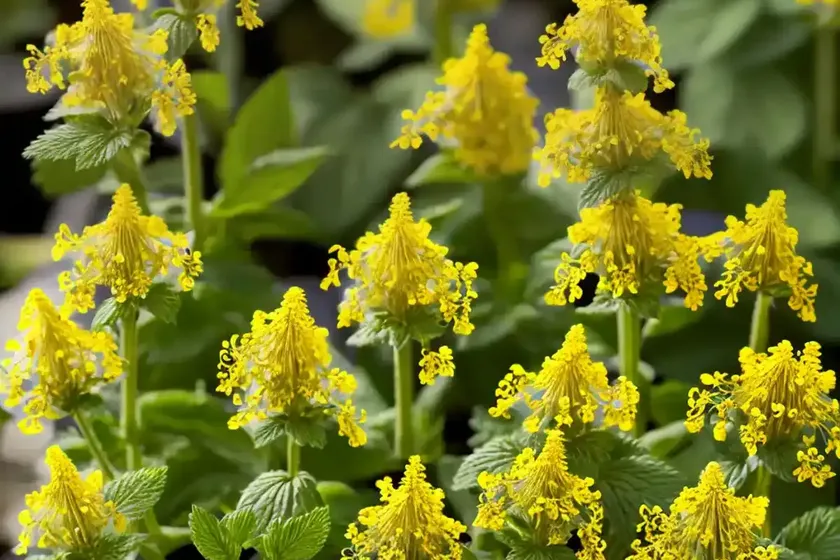
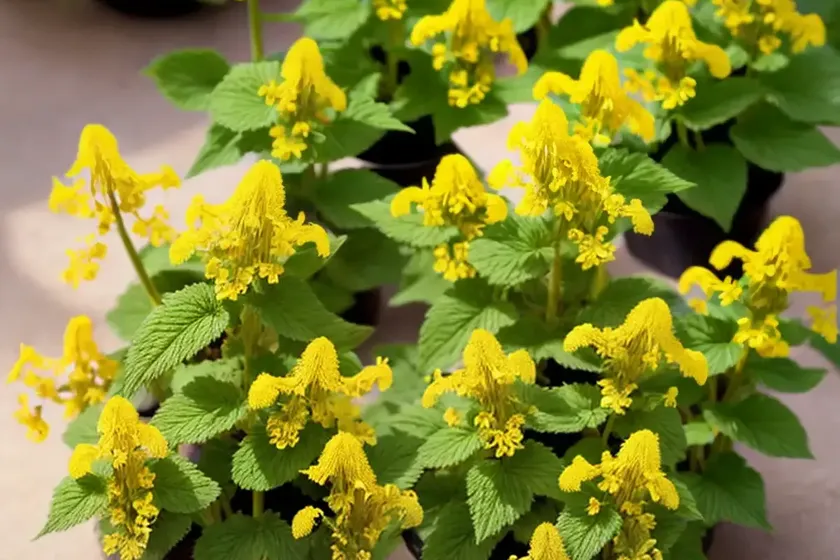
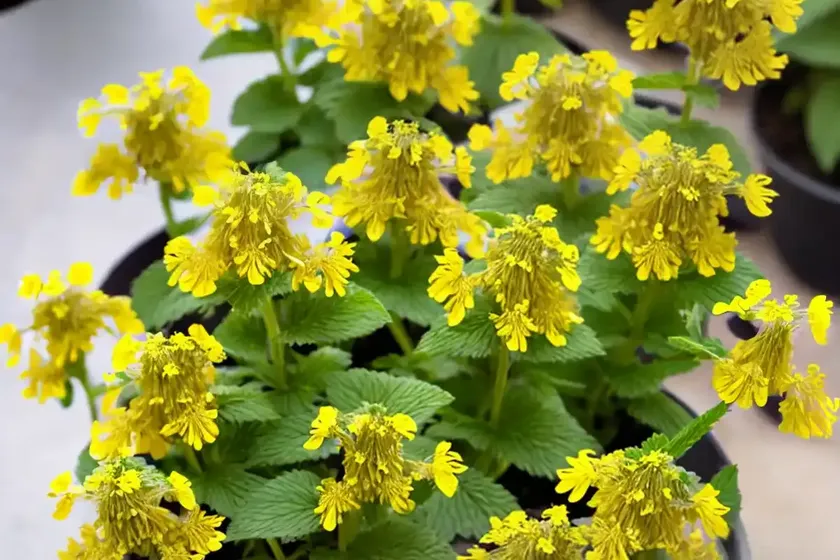
As a plant scientist, I am constantly amazed by the diverse and fascinating world of plants. In this blog post, I am excited to shine the spotlight on Lamium galeobdolon, also known as Yellow Archangel. This perennial plant species belongs to the Lamiaceae family and is renowned for its striking yellow flowers and ground-covering capabilities. Throughout this comprehensive guide, we will explore everything there is to know about Lamium galeobdolon, including its culture, uses, care tips, and more. So, let’s dive into the intriguing world of Yellow Archangel and uncover its hidden wonders.
What is Lamium galeobdolon?
Lamium galeobdolon or Yellow Archangel is a low-growing perennial plant native to Europe and Western Asia. As a member of the Lamiaceae family, it is closely related to mint and dead-nettle species. This plant features vibrant yellow flowers and attractive foliage, making it a popular choice for ground cover and ornamental purposes. While it is beloved for its ornamental value, Yellow Archangel is also recognized for its historical medicinal uses and ecological significance. However, it is essential to note that in certain regions, Lamium galeobdolon has been listed as an invasive species, requiring careful management and control strategies.
Key Takeaways – Lamium galeobdolon (Yellow Archangel)
Before delving into the specific aspects of Lamium galeobdolon care and cultivation, let’s first outline the key takeaways that will guide our exploration:
- Scientific Name: Lamium galeobdolon
- Common Name: Yellow Archangel
- Family: Lamiaceae
- Native Range: Europe, Western Asia
- Plant Type: Perennial
- Flower Color: Yellow
- Uses: Ground cover, ornamental, historical medicinal
- Special Feature: Invasive potential, ecological significance
Now that we have a foundational understanding of Yellow Archangel, let’s delve into the specific aspects of its culture, uses, and care requirements.
Culture
Understanding the cultural requirements of Lamium galeobdolon is essential for successfully cultivating and maintaining this plant. Here are the key cultural considerations to keep in mind:
Water
Yellow Archangel thrives in moist, well-drained soil conditions. While it can tolerate occasional dry spells, consistent moisture is beneficial for its growth and flowering. When establishing Lamium galeobdolon in a garden or landscape, it is crucial to provide regular watering, especially during periods of drought. However, it is essential to avoid waterlogged soil, as this can lead to root rot and other detrimental issues.
Sunlight
In terms of sunlight requirements, Lamium galeobdolon demonstrates a versatile nature. It can adapt to varying light conditions, including full sun to partial shade. This adaptability makes it suitable for a range of garden settings, from sunny borders to shaded woodland areas. However, in regions with intense summer heat, providing some shade during the hottest part of the day can help protect Yellow Archangel from stress and potential sunburn.
Soil
Yellow Archangel prefers organically rich, loamy soil with good drainage. It can adapt to different soil types, including clay and sandy soils, as long as they are well-drained. While Lamium galeobdolon exhibits some tolerance to soil pH variations, slightly acidic to neutral soil (pH 6.0-7.0) is generally favorable for its growth and overall health.
Fertilizer
When it comes to fertilization, Yellow Archangel generally does not have high nutrient demands. However, incorporating organic matter, such as compost, into the soil during planting can provide a beneficial nutrient boost. Additionally, a balanced, slow-release fertilizer applied in early spring can support healthy growth and vibrant flowering throughout the growing season.
Uses
The uses of Lamium galeobdolon extend beyond its ornamental appeal, encompassing various practical and historical applications. Here are the primary uses of Yellow Archangel:
-
Ground Cover: One of the most popular uses of Yellow Archangel is as a ground cover plant. Its vigorous and spreading growth habit, coupled with attractive foliage and flowers, makes it an excellent choice for covering large areas and controlling soil erosion.
-
Ornamental: In garden and landscape design, Lamium galeobdolon is valued for its aesthetic qualities. It can be utilized in borders, woodland gardens, and naturalistic landscapes to add a bright pop of color and lush ground cover.
-
Historical Medicinal Uses: Throughout history, certain traditional medicinal practices have incorporated Lamium galeobdolon for its purported medicinal properties. While these historical uses should be approached with caution and scientific scrutiny, they reflect the cultural significance of this plant.
Pruning
Pruning plays a significant role in maintaining the health, appearance, and vigor of Lamium galeobdolon. Proper pruning practices can help manage its growth, encourage flowering, and prevent issues such as overcrowding and sprawl. Here are the key pruning tips for Yellow Archangel:
-
Deadheading: Regular deadheading of spent flowers can promote prolonged blooming and prevent the plant from expending energy on seed production.
-
Thinning: If the plant becomes overly dense or starts to encroach on other garden elements, selectively thinning out stems can help maintain an open and balanced growth habit.
-
Renewal Pruning: Performing occasional renovation or rejuvenation pruning by cutting back the entire plant to a few inches above the ground can revitalize older or declining stands of Lamium galeobdolon.
Propagation
The propagation of Lamium galeobdolon can be achieved through various techniques, allowing for the multiplication of this plant and the creation of new specimens. Here are the primary propagation methods for Yellow Archangel:
-
Division: Dividing established clumps of Yellow Archangel in early spring or fall can yield new plants. Carefully separate the root mass into sections, ensuring that each division has sufficient roots and healthy growth points.
-
Seed: While Lamium galeobdolon can self-seed under favorable conditions, collecting and sowing seeds can also be an effective propagation method. Sow seeds in a well-prepared seedbed or containers, and provide the appropriate conditions for germination and early growth.
-
Stem Cuttings: Taking stem cuttings from healthy, non-flowering shoots and rooting them in a suitable growing medium can produce new plants. Ensure that the cuttings have a node or leaf joint and provide the appropriate moisture and warmth to encourage rooting.
Container Popularity
In addition to its uses in garden and landscape settings, Lamium galeobdolon has gained popularity as a container plant. Its trailing and spreading growth habit, combined with its vibrant foliage and flowers, make it an appealing choice for container gardens and mixed planters. When selecting a container for Yellow Archangel, opt for one with adequate drainage and sufficient space for the plant to flourish.
Common Diseases
While Yellow Archangel is generally resistant to many common plant diseases, it can occasionally encounter issues that affect its health and appearance. Being aware of potential diseases and their management strategies is important for maintaining the vitality of Lamium galeobdolon. Here are some common diseases that may impact this plant:
-
Powdery Mildew: In conditions of high humidity and poor air circulation, Yellow Archangel may be susceptible to powdery mildew, characterized by a white, powdery growth on the leaves. To prevent this, ensure proper spacing, adequate air circulation, and consider fungicidal treatments if needed.
-
Root Rot: Overly wet or waterlogged soil can lead to root rot, causing the plant to exhibit wilting, yellowing foliage, and stunted growth. Avoid overwatering and improve soil drainage to mitigate the risk of root rot.
-
Botrytis Blight: Botrytis blight, caused by the fungus Botrytis cinerea, can affect the flowers and foliage of Lamium galeobdolon, leading to browning, wilting, and decay. Implementing proper sanitation practices and providing good air circulation can help prevent this disease.
Disease Diagnosis
Diagnosing diseases in Lamium galeobdolon involves carefully observing the plant’s symptoms, conducting thorough inspections, and, if necessary, seeking professional assistance or diagnostic testing. Here are some general steps for disease diagnosis in Yellow Archangel:
-
Symptom Recognition: Pay close attention to any changes in the plant’s growth, foliage color, and overall appearance. Symptoms such as leaf spots, wilting, or abnormal growth patterns can indicate potential diseases.
-
Examination: Inspect the plant for signs of pests, fungal growth, or other abnormalities. Take note of any environmental stressors or changes that may be impacting the plant.
-
Consultation: If unsure about the cause of the plant’s symptoms, consult with a plant health specialist or extension service for professional guidance and potential laboratory testing.
Through attentive observation and proactive management practices, many disease issues in Lamium galeobdolon can be mitigated or prevented.
Common Pests
In addition to diseases, Lamium galeobdolon may also be susceptible to certain pests that can impact its growth and vitality. Understanding the common pests and their control methods is crucial for maintaining the health of Yellow Archangel. Here are some pests that may pose a threat to this plant:
-
Aphids: Small, sap-sucking insects such as aphids can infest the foliage and tender shoots of Lamium galeobdolon, causing distortion, leaf curling, and honeydew production. Physical removal, insecticidal soaps, and natural predator introduction are potential control measures.
-
Slugs and Snails: These voracious feeders can damage the leaves and stems of Lamium galeobdolon, particularly in moist and shaded environments. Use barriers, traps, or iron phosphate-based baits to manage slug and snail populations.
-
Spider Mites: In hot, dry conditions, spider mites may target Yellow Archangel, causing stippling, webbing, and leaf discoloration. Regularly spraying the foliage with water and applying horticultural oils can help deter and manage spider mite infestations.
By monitoring for signs of pest activity and implementing targeted control strategies, it is possible to safeguard Lamium galeobdolon from the detrimental effects of common pests.
Botanist’s Tips
As a botanist, I have gathered valuable insights and practical tips for cultivating and appreciating Lamium galeobdolon. Here are some botanist-approved tips for successfully growing and enjoying Yellow Archangel:
-
Promote Biodiversity: When incorporating Lamium galeobdolon into garden and landscape designs, consider its role in supporting local pollinators and wildlife. Planting a diverse array of nectar-rich and pollen-producing species alongside Yellow Archangel can enhance ecological resilience and attract beneficial insects.
-
Naturalize Responsibly: In regions where Lamium galeobdolon is not native, exercise caution and consider its potential impact on the surrounding ecosystem. Implement responsible management practices to prevent the spread of invasive species and prioritize the preservation of native flora and fauna.
-
Educate and Engage: Share the fascinating attributes and ecological significance of Yellow Archangel with others. By fostering an appreciation for native and ornamental plant species, we can contribute to the conservation and sustainable enjoyment of natural landscapes.
Fun Facts
To further entice and inform plant enthusiasts and nature lovers about Lamium galeobdolon, here are some captivating fun facts about Yellow Archangel:
-
Medicinal Heritage: In traditional herbal medicine, Lamium galeobdolon has been used for various purported health benefits, including addressing skin conditions and soothing sore throats.
-
Wildlife Habitat: Yellow Archangel serves as a valuable habitat and food source for pollinators, including bees and butterflies, enhancing the biodiversity of garden and woodland settings.
-
Folklore Connection: Throughout history, Lamium galeobdolon has been associated with folklore and superstitions, adding to its cultural significance and mystique.
These engaging facts add depth and intrigue to the story of Lamium galeobdolon and its place in the natural world.
Links to External Resources
For further exploration of Lamium galeobdolon, its care, and its ecological significance, here are some valuable external resources:
- Royal Horticultural Society: Lamium galeobdolon
- Missouri Botanical Garden: Lamium galeobdolon
- USDA Plants Database: Lamium galeobdolon
- The Wildlife Trusts: Yellow Archangel
These resources offer a wealth of information and insights for enthusiasts, horticulturists, and conservationists interested in the captivating world of Lamium galeobdolon.
In conclusion, Lamium galeobdolon stands as a captivating plant species with a rich tapestry of uses, cultural significance, and ecological connections. By understanding and appreciating the unique attributes of Yellow Archangel, we can cultivate it responsibly, contribute to wildlife conservation, and draw inspiration from its radiant beauty. Whether as a ground cover in a shaded garden or a focal point in a pollinator-friendly landscape, Lamium galeobdolon continues to captivate and enrich our natural surroundings.
Remember, the next time you encounter the cheerful yellow blooms and lush foliage of Lamium galeobdolon, take a moment to celebrate the valuable role it plays in our gardens and the greater ecosystem.
References:
- “Lamium galeobdolon.” Royal Horticultural Society. https://www.rhs.org.uk/plants/201887/i-lamium-galeobdolon-i/details
- “Lamium galeobdolon.” Missouri Botanical Garden. http://www.missouribotanicalgarden.org/PlantFinder/PlantFinderDetails.aspx?kempercode=f410
- “Lamium galeobdolon.” USDA Plants Database. https://plants.usda.gov/core/profile?symbol=LAGA5
- “Yellow Archangel.” The Wildlife Trusts. https://www.wildlifetrusts.org/wildlife-explorer/wildflowers/yellow-archangel


