Lagerstroemia Rhapsody In Pink� (Crape Myrtle)
Crape Myrtles are incredibly popular ornamental plants, prized for their vibrant and abundant flowers, attractive bark, and relatively low-maintenance.
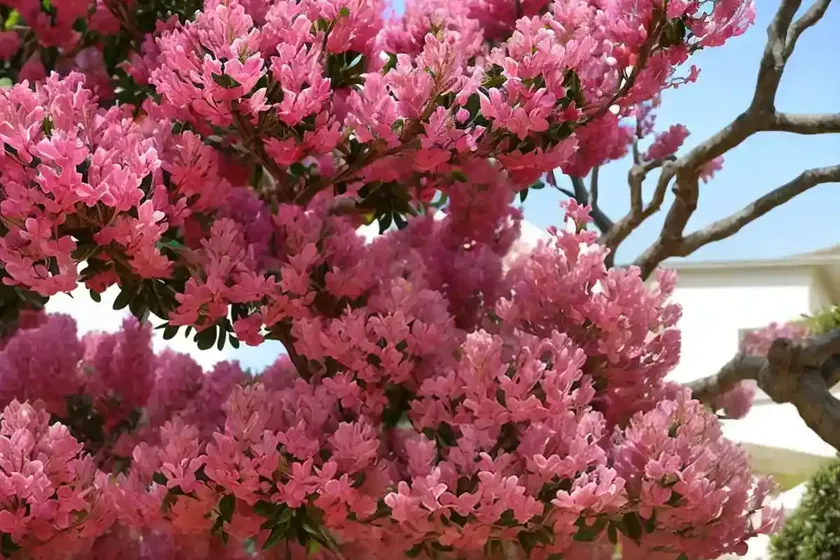
Crape Myrtles are incredibly popular ornamental plants, prized for their vibrant and abundant flowers, attractive bark, and relatively low-maintenance requirements. Among the various Crape Myrtle cultivars, “Lagerstroemia Rhapsody in Pink” stands out with its stunning pink blooms and versatile nature. In this comprehensive guide, we will delve into every aspect of cultivating and caring for this beautiful plant, from its cultural requirements to pruning and propagation techniques, common diseases and pests, and interesting fun facts.
Key Takeaways – Lagerstroemia Rhapsody in Pink (Crape Myrtle)
Before we dive into the details, let’s take a quick look at the key takeaways for Lagerstroemia Rhapsody in Pink:
- Scientific Name: Lagerstroemia indica ‘Rhapsody in Pink’
- Common Names: Pink Crape Myrtle, Rhapsody in Pink Crape Myrtle
- Plant Type: Flowering shrub/small tree
- Watering Needs: Moderate
- Sunlight Requirements: Full sun
- Soil Type: Well-draining, fertile soil
- Fertilizer Needs: Balanced fertilizer in spring
- Pruning: Regular pruning to shape and promote flowering
- Propagation: Easily propagated from softwood cuttings
- Container Use: Suitable for containers
- Disease Resistance: Some cultivars are more disease-resistant than others
- Common Pests: Aphids, powdery mildew
- Popularity: Widely popular in garden and landscape designs
- Fun Fact: Crape Myrtles are resistant to juglone, a toxin released by walnuts and hickories.
Now, let’s explore each of these aspects in detail to understand how to best care for Lagerstroemia Rhapsody in Pink.
What is Lagerstroemia Rhapsody in Pink (Crape Myrtle)?
Plant Description
Lagerstroemia Rhapsody in Pink, a variety of Lagerstroemia indica, is a striking deciduous shrub or small tree well-loved for its eye-catching clusters of pink flowers and attractive bark. With a mature height of around 8-12 feet and a spread of 6-10 feet, Rhapsody in Pink is a compact and versatile plant that can thrive in various landscapes, from borders to containers.
Blooms and Foliage
This cultivar is renowned for its profuse summer blooms, which appear in brilliant shades of pink, creating an enchanting display of color in the garden. During the fall season, the foliage transitions to vibrant shades of orange and red, adding further visual interest. The foliage is lustrous and deep green, serving as an elegant backdrop to the dazzling floral show.
Bark and Winter Interest
As the plant matures, its bark begins to exfoliate, revealing a smooth, mottled surface with shades of gray, tan, and cinnamon. This unique bark texture adds winter interest to the landscape, ensuring year-round appeal.
With its stunning flowers, attractive bark, and impressive adaptability, Lagerstroemia Rhapsody in Pink is a valuable addition to any garden or landscape setting.
Culture
Water
Crape Myrtles, including Rhapsody in Pink, have moderate water needs. It’s important to establish a consistent watering routine, especially during prolonged periods of drought or extreme heat. Newly planted specimens require regular watering to aid in root establishment, while established plants generally tolerate brief dry spells.
Watering Tips:
– Water deeply, ensuring the moisture reaches the entire root zone.
– Use mulch to conserve soil moisture and regulate temperature.
Sunlight
Lagerstroemia Rhapsody in Pink thrives in full sun, basking in at least 6-8 hours of direct sunlight per day. Adequate sunlight is crucial for promoting robust flowering and overall plant vigor. Ensure the chosen planting location provides ample sunlight for the best results.
Sunlight Guidelines:
– Plant in a location with full sun exposure.
– Avoid planting in areas with excessive shade, as it may inhibit flowering.
Fertilizer
Proper fertilization is essential for promoting healthy growth and abundant blooms in Crape Myrtles. Apply a balanced, slow-release fertilizer in the early spring, before the onset of new growth. Avoid excessive nitrogen fertilizers, as they can promote lush foliage at the expense of flowers.
Fertilizer Application:
– Use a 10-10-10 NPK (nitrogen, phosphorus, potassium) fertilizer or a specially formulated fertilizer for flowering shrubs.
– Follow the manufacturer’s instructions for application rates and methods.
Soil
Crape Myrtles prefer well-draining, slightly acidic to neutral soil with good fertility. Amending the soil with organic matter, such as compost or well-rotted manure, can improve its structure and fertility, providing an optimal growing environment for Rhapsody in Pink and promoting healthy root development.
Soil Preparation:
– Test the soil pH and amend it if necessary to achieve the optimum range of 5.5-6.5.
– Ensure the soil is well-draining to prevent waterlogged conditions.
Pruning
Pruning is a critical aspect of Crape Myrtle care, impacting both the plant’s aesthetic appeal and its overall health and vigor. Proper pruning not only maintains a desirable shape and size but also encourages robust flowering by stimulating new growth.
Pruning Guidelines
Timing: Prune Rhapsody in Pink in the late winter or early spring while the plant is still dormant. Avoid pruning in the fall, as it can stimulate new growth that may be susceptible to winter frost damage.
Techniques:
– Remove any dead, damaged, or diseased branches.
– Thin out crowded or crossing branches to improve air circulation within the canopy.
– Maintain an open and balanced canopy structure to allow sunlight to penetrate the interior of the plant.
Deadheading: Remove spent flowers to encourage continuous blooming and prevent the formation of seed capsules.
Pruning for Trees vs. Shrubs
For those growing Rhapsody in Pink as a multi-stemmed shrub, focus on shaping the plant by removing any competing or crossing branches to achieve an open, well-ventilated structure. If cultivating it as a small tree, select one to three dominant trunks and regularly remove any new shoots arising from the base to maintain the desired form.
Proper pruning is an essential skill for Crape Myrtle cultivation, and when performed correctly, it can enhance the plant’s natural beauty and promote long-term health.
Propagation
Lagerstroemia Rhapsody in Pink can be easily propagated through softwood cuttings, offering a cost-effective way to increase your plant collection or share this exquisite cultivar with friends and fellow gardening enthusiasts.
Propagation Steps
1. Selecting Cuttings: Choose healthy, non-flowering shoots from the current season’s growth. These should be softwood, meaning they are not overly woody but neither too tender.
2. Preparing Cuttings: Take 6-8 inch cuttings and remove the lower leaves, leaving only a few leaves at the tip. Dip the cut end in a rooting hormone to aid in root development.
3. Planting and Care: Insert the cuttings into a well-draining potting mix, and keep them consistently moist while they establish roots. Once rooted, transplant them into individual pots or the desired planting location.
Timing: Early summer to early fall is the best time to take softwood cuttings for propagation.
Propagating Lagerstroemia Rhapsody in Pink is a rewarding process, allowing you to create new plants from a favored specimen and expand the presence of this stunning cultivar in your garden.
Container Use
Crape Myrtles, including Rhapsody in Pink, can be successfully grown in containers, making them an excellent choice for those with limited garden space or those looking to add a pop of color to patios, balconies, or outdoor living areas.
Container Guidelines
Container Size: Select a spacious container that provides ample room for the plant’s roots to spread. A 20- to 24-inch diameter container is suitable for a young Rhapsody in Pink, while a mature specimen may require a larger container.
Soil Mix: Use a well-draining potting mix with good fertility. A mix formulated for woody ornamentals or flowering shrubs is ideal.
Location: Place the container in a sunny spot, ensuring it receives at least 6-8 hours of direct sunlight each day.
Watering: Container-grown Crape Myrtles may require more frequent watering than those planted in the ground, as the soil in containers tends to dry out more rapidly.
Overwintering: In regions with cold winters, move the container to a sheltered location or consider providing insulation to protect the roots from freezing temperatures.
Container gardening with Lagerstroemia Rhapsody in Pink offers the flexibility to enjoy this stunning cultivar in a range of outdoor settings, from small urban spaces to expansive landscapes.
Popularity
Lagerstroemia Rhapsody in Pink has earned widespread popularity among gardeners, landscapers, and horticultural enthusiasts for its outstanding ornamental features and ease of care. Its lovely pink blooms, compact size, and adaptability to various growing conditions make it a sought-after choice for a range of landscaping applications.
Use in Garden and Landscape Design
Rhapsody in Pink is commonly utilized in:
– Mixed borders and flower beds, where its vibrant flowers provide a striking contrast to other plants.
– Urban and suburban gardens, as its relatively small size allows it to thrive in limited spaces.
– Foundation plantings, adding charm and color to the perimeters of buildings.
– Container gardens, bringing a splash of color to patios, decks, and entryways.
Its versatility and visual appeal make Lagerstroemia Rhapsody in Pink a valuable asset in enhancing the beauty of diverse garden and landscape settings.
Common Diseases
While Crape Myrtles are generally sturdy and disease-resistant, they may occasionally encounter certain ailments, particularly if grown in unsuitable conditions or subjected to environmental stressors.
Disease Diagnosis
Powdery Mildew: This fungal disease manifests as a powdery white coating on the leaves, typically occurring in humid and poorly ventilated conditions.
Cercospora Leaf Spot: Identified by the appearance of small, reddish-brown spots with yellow halos on the foliage, this fungal disease can lead to premature leaf drop.
Disease Prevention
To prevent disease occurrences, maintain good cultural practices such as:
– Providing adequate air circulation by spacing plants appropriately.
– Avoiding overhead watering, especially during the evening, to reduce humidity around the foliage.
– Removing and disposing of any infected plant debris to prevent the spread of diseases.
Disease-Resistant Cultivars
When selecting Crape Myrtle varieties, consider disease-resistant cultivars that exhibit enhanced tolerance to prevalent ailments. Several cultivars, including some members of the Rhapsody series, are known for their resistance to powdery mildew and other common diseases.
Adhering to proper cultural practices and selecting disease-resistant cultivars can aid in preventing the onset and spread of diseases in Crape Myrtles, ensuring the plants remain healthy and vibrant throughout the growing season.
Common Pests
Crape Myrtles, including Lagerstroemia Rhapsody in Pink, may be susceptible to infestations by certain pests that can impact their growth and overall vitality.
Common Pests in Crape Myrtles
Aphids: Small, soft-bodied insects that cluster on new growth, feeding on plant sap and excreting honeydew, which can lead to sooty mold.
Scale Insects: These pests appear as small, waxy bumps on the stems and leaves, sapping the plant’s resources and causing yellowing and stunted growth.
Pest Management
Natural Predators: Beneficial insects such as ladybugs and lacewings can help control aphid populations. Attracting and conserving these predators can aid in pest management.
Horticultural Oils: Apply horticultural oils during the dormant season to suffocate overwintering pests and their eggs, reducing the chances of infestation in the coming growing season.
Integrated Pest Management (IPM)
Implementing an integrated approach to pest management that combines cultural, biological, and, if necessary, chemical control methods can effectively mitigate pest issues while minimizing environmental impact.
Botanist’s Tips
As a botanist, here are some additional tips for growing and caring for Lagerstroemia Rhapsody in Pink:
-
Mulching: Apply a 2-3 inch layer of organic mulch around the base of the plant to conserve moisture, suppress weeds, and insulate the roots from temperature extremes.
-
Avoid Wet Feet: Ensure proper drainage to prevent waterlogging, as overly wet soil can lead to root rot and other moisture-related issues.
-
Annual Inspection: Regularly inspect the plant for signs of pests, diseases, or nutrient deficiencies, addressing any issues promptly to maintain plant health.
-
Winter Protection: In colder climates, consider wrapping young or vulnerable plants with burlap or providing other forms of winter protection to shield them from extreme cold.
-
Supporting Wildlife: Crape Myrtles, including Rhapsody in Pink, can attract birds, butterflies, and other pollinators, contributing to a thriving and biodiverse garden ecosystem.
Implementing these tips can contribute to the overall health and success of Lagerstroemia Rhapsody in Pink, ensuring it flourishes and continues to adorn the landscape with its stunning blooms.
Fun Facts
- Crape Myrtles are known for their resistance to juglone, a toxin released by walnut and hickory trees, making them suitable companions for these species.
- The common name “Crape Myrtle” is derived from the crinkled texture of the flowers, resembling crepe fabric.
- In addition to their ornamental value, Crape Myrtles have been used in traditional medicine for various purposes, including the treatment of diarrhea and dysentery.
Links to External Resources
For further information on Lagerstroemia Rhapsody in Pink and Crape Myrtle cultivation, consider exploring the following resources:
- American Society for the Prevention of Cruelty to Animals (ASPCA): Plants Toxic to Animals
- The United States National Arboretum: Crape Myrtle Bark Scale
- Clemson Cooperative Extension: Crapemyrtle Pruning
- North Carolina State University Extension: Crape Myrtle Culture
In conclusion, Lagerstroemia Rhapsody in Pink, with its captivating pink blooms, elegant foliage, and versatile nature, is an exceptional addition to any garden or landscape. By understanding and implementing the appropriate cultural practices, maintenance techniques, and pest and disease management strategies, enthusiasts and horticulturalists can ensure the continued vibrancy and beauty of this remarkable Crape Myrtle cultivar.
We hope this comprehensive guide has provided valuable insights into the cultivation and care of Lagerstroemia Rhapsody in Pink, equipping you with the knowledge to nurture and appreciate the splendor of this captivating plant.
Happy gardening and happy growing!


