Korean Azalea (Rhododendron yedoense var. poukhanense)
Introduction
Welcome to the world of Korean azaleas! In this comprehensive guide, we will explore the captivating Korean azalea, also known as Rhododendron yedoense var. poukhanense. This stunning plant is beloved for its vibrant and abundant blooms, making it a popular choice for gardens, landscaping, and container gardening. Throughout this blog post, we will delve into various aspects of Korean azalea care, maintenance, and cultivation, providing valuable insights to help you unleash the full potential of this remarkable plant.
What is a Plant: Korean Azalea (Rhododendron yedoense var. poukhanense)?
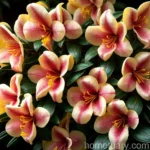
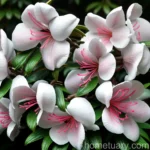
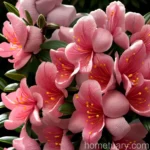
The Korean azalea, scientifically known as Rhododendron yedoense var. poukhanense, is a species of flowering shrub that hails from the Korean Peninsula. Belonging to the Rhododendron genus, this exquisite plant is highly sought after for its spectacular clusters of flowers, which bloom in an array of vivid colors, ranging from delicate pinks and purples to fiery reds and crisp whites. Often celebrated for its ability to thrive in various growing conditions, the Korean azalea is a versatile and resilient addition to any garden or landscape.
Key Takeaways – Korean Azalea (Rhododendron yedoense var. poukhanense)
Culture
The cultural significance of Korean azaleas is deeply rooted in the rich heritage of Korea. These enchanting blooms hold a special place in Korean culture and are often revered for their symbolic meanings, evoking sentiments of love, femininity, and gentle elegance. In addition to their cultural significance, Korean azaleas are celebrated for their ecological contributions, as they provide valuable nectar for pollinators and support the biodiversity of their natural habitats.
Uses
Korean azaleas are widely used in horticulture and landscaping, adding a touch of splendor to gardens, parks, and public spaces. With their show-stopping floral displays, they are frequently utilized as ornamental plants, creating picturesque landscapes adorned with a riot of colors. Moreover, Korean azaleas are also well-suited to container gardening, enabling their enchanting blooms to adorn balconies, patios, and indoor spaces.
Water
Proper watering is essential for the health and vitality of Korean azaleas. These plants prefer consistently moist, well-draining soil, and it is crucial to avoid both waterlogged conditions and prolonged dry spells. Regular and thorough watering, especially during periods of active growth and flowering, will help promote lush foliage and bountiful blooms.
Sunlight
Korean azaleas thrive in partial shade to full sun, although their sunlight requirements may vary based on regional climate and environmental factors. In general, providing them with ample sunlight in the morning hours, coupled with dappled shade or filtered light in the afternoon, is conducive to their overall well-being and flowering potential.
Fertilizer
Applying a balanced, acidic fertilizer formulated for azaleas and other acid-loving plants is instrumental in supporting the vigorous growth and flowering of Korean azaleas. The proper timing and dosage of fertilizer application, usually in spring and early summer, can significantly enhance the vibrancy and longevity of their blooms while fostering robust foliage.
Soil
Acidic, well-drained soil with a pH range of approximately 5.0 to 6.0 is ideal for Korean azaleas. Additionally, incorporating organic matter, such as peat moss or compost, can improve soil structure and fertility, creating an optimal growing environment for these captivating plants.
Pruning
Pruning plays a pivotal role in shaping the form and enhancing the overall health of Korean azaleas. Skillful pruning is essential for removing spent blooms, controlling the plant’s size, and stimulating new growth. By implementing strategic pruning techniques, you can sculpt your Korean azaleas into visually appealing arrangements while bolstering their vigor and flower production.
Propagation
The propagation of Korean azaleas can be achieved through methods such as stem cuttings, layering, or seed propagation. Each approach offers its own set of advantages and considerations, allowing enthusiasts to expand their collection of Korean azaleas and propagate prized cultivars with precision and care.
Container Popularity
With their exquisite blooms and compact growth habit, Korean azaleas are well-suited to container gardening. Their adaptability to containers makes them versatile additions to small spaces, patios, balconies, and urban environments, where they can infuse vibrant colors and natural beauty into limited landscapes.
Container Common Diseases
While Korean azaleas are relatively low-maintenance when grown in containers, they may still be susceptible to certain diseases, including root rot, powdery mildew, and leaf spot. Implementing proper cultivation practices and providing adequate ventilation can help mitigate the risk of these common container diseases.
Disease Diagnosis
Identifying and promptly addressing diseases that affect Korean azaleas is crucial for preserving their health and vitality. Recognizing symptoms such as discolored or distorted foliage, abnormal growth, or signs of fungal infection enables timely intervention, such as targeted treatments or cultural adjustments, to alleviate the impact of diseases and sustain the plant’s well-being.
Common Pests
Several pests, such as lace bugs, spider mites, and azalea caterpillars, can pose challenges to the well-being of Korean azaleas. Vigilant monitoring and proactive pest management practices, including the use of horticultural oils or insecticidal soaps, can help control and prevent pest infestations, safeguarding the resilience of Korean azaleas.
Botanist’s Tips
- When planting Korean azaleas, ensure that the root ball is level with the surrounding soil to support proper establishment and growth.
- Mulching around Korean azaleas helps retain moisture, regulate soil temperature, and suppress weed growth, contributing to their overall health and vigor.
- Regularly inspecting the foliage of Korean azaleas allows for early detection of pests, diseases, or nutrient deficiencies, facilitating timely remedies and preventive measures.
Fun Facts
- Korean azaleas are sometimes referred to as “Poukhan azaleas,” drawing inspiration from the picturesque Mount Poukhan in Korea, where this species is native to.
- The captivating blooms of Korean azaleas are prized for their enchanting fragrance and delicate charm, making them an irresistible attraction for pollinators and admirers alike.
Links to External Resources
To deepen your understanding of Korean azaleas and augment your horticultural knowledge, we recommend exploring the following resources:
- The American Rhododendron Society – www.rhododendron.org
- The Royal Horticultural Society – www.rhs.org.uk
- The American Azalea Society – www.azaleas.org
- The Korean Garden Society – www.koreangarden.org
By delving into these valuable resources, you can gain access to a wealth of expertise, guidance, and insights tailored specifically to Korean azaleas and their cultivation.
In conclusion, the mesmerizing allure and botanical splendor of Korean azaleas, specifically Rhododendron yedoense var. poukhanense, continue to captivate enthusiasts and gardeners around the world. With their resplendent blooms, adaptability, and ornamental appeal, Korean azaleas stand as a testament to the timeless allure of nature’s botanical treasures. By embracing the practical tips and embracing the profound beauty of Korean azaleas, you can embark on an enriching journey of cultivation and appreciation, unlocking the intrinsic marvels of these remarkable plants.
Keywords: Korean azalea varieties, Rhododendron yedoense poukhanense, Poukhan Korean azalea, Korean azalea care guide, Growing Korean azalea plants, Rhododendron yedoense poukhanense care tips, Korean azalea pruning techniques, Rhododendron yedoense poukhanense varieties, Tips for planting Korean azalea, Korean azalea landscape ideas, Rhododendron yedoense poukhanense in gardens, Best soil for Korean azaleas, Fertilizing Korean azalea plants, Korean azalea pest control, Rhododendron yedoense poukhanense diseases, Watering needs of Korean azalea, Propagating Korean azalea, Winter care for Korean azalea, Prized Korean azalea cultivars, Rhododendron yedoense poukhanense growth habits, Korean azalea companion plants, How to multiply Korean azalea plants, Korean azalea flowers and colors, Rhododendron yedoense poukhanense landscape uses, Korean azalea in container gardening, Pruning schedule for Korean azalea, Rhododendron yedoense poukhanense soil requirements, Korean azalea sun or shade preferences, Pests and diseases affecting Korean azaleas, Companion plants for Rhododendron yedoense poukhanense, Korean azalea maintenance tips, Rhododendron yedoense poukhanense landscaping ideas, Winterizing Korean azalea plants, Pruning Korean azalea for optimal growth, Rhododendron yedoense poukhanense watering schedule, Korean azalea propagation methods, Rhododendron yedoense poukhanense drought tolerance, Popular Korean azalea varieties, Using Korean azalea in mixed borders, Rhododendron yedoense poukhanense in coastal gardens, Korean azalea container care tips, Rhododendron yedoense poukhanense fertilization requirements, Korean azalea vs. other azalea types, Rhododendron yedoense poukhanense pruning techniques, Growing Korean azalea from seeds, Korean azalea disease prevention, Rhododendron yedoense poukhanense in rock gardens, Korean azalea mulching tips, Rhododendron yedoense poukhanense propagation success, Mastering Korean azalea cultivation