Kniphofia ‘Timothy’ (Red Hot Poker)
As a plant scientist, I am excited to delve into the world of Kniphofia ‘Timothy’, commonly known as Red Hot Poker. This striking perennial plant is.
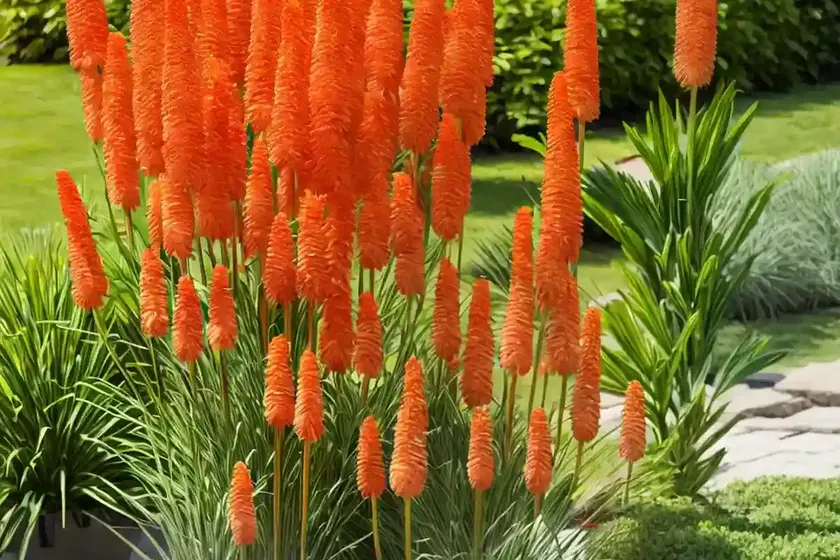
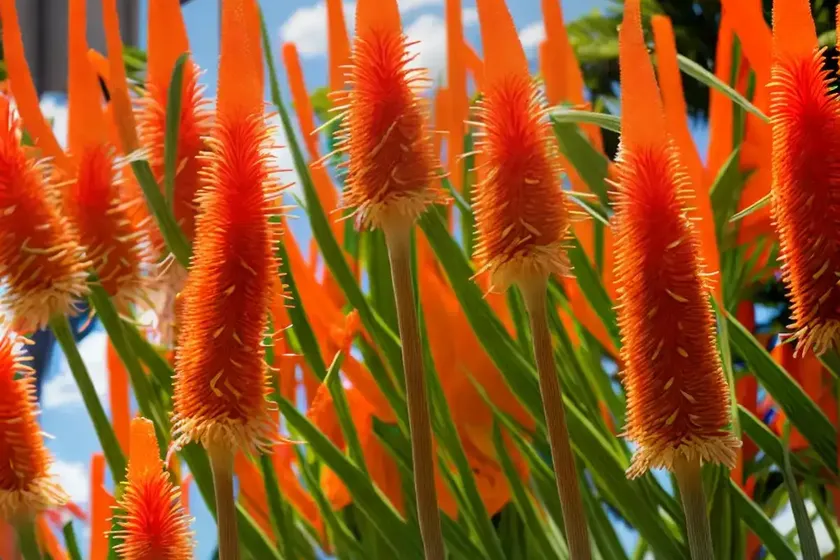
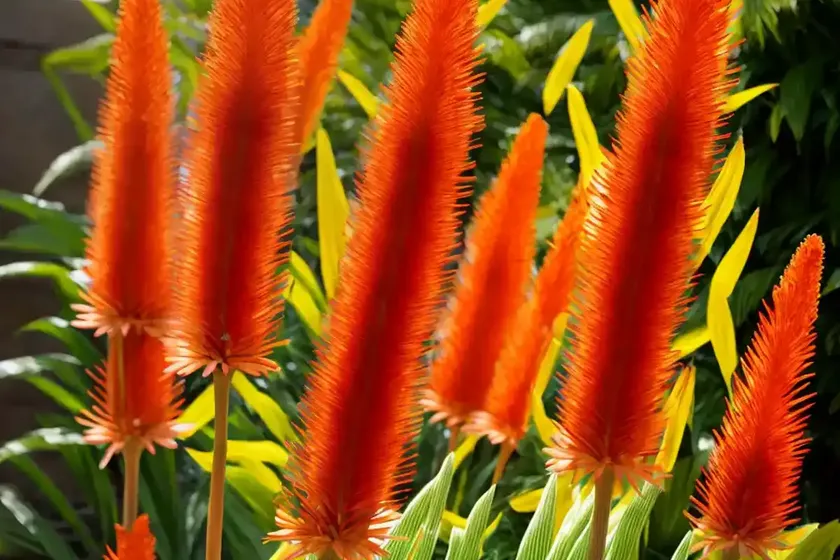
As a plant scientist, I am excited to delve into the world of Kniphofia ‘Timothy’, commonly known as Red Hot Poker. This striking perennial plant is renowned for its vibrant flowers and unique characteristics. In this comprehensive guide, we will explore the culture, uses, maintenance, and fascinating attributes of Kniphofia ‘Timothy’. Whether you are an experienced gardener or a passionate plant enthusiast, this guide aims to provide valuable insights into the world of Red Hot Poker.
What is Kniphofia ‘Timothy’ (Red Hot Poker)?
Kniphofia, a genus in the Asphodelaceae family, is a group of perennial flowering plants that are native to Africa. Known for their distinctive flower spikes, these plants are commonly referred to as Red Hot Poker or Torch Lily due to the fiery appearance of their flowers.
Kniphofia ‘Timothy’ is a specific variety renowned for its striking characteristics, making it a popular choice among gardeners and landscapers. This cultivar is prized for its vibrant blooms and ability to attract pollinators, making it a valuable addition to any garden or landscape.
Key Takeaways – Kniphofia ‘Timothy’ (Red Hot Poker)
Before delving into the specifics of caring for Kniphofia ‘Timothy’, let’s take a look at the key takeaways that will be covered in this comprehensive guide:
- Culture
- Uses
- Maintenance
- Propagation
- Container Gardening
- Common Diseases
- Common Pests
- Botanist’s Tips
- Fun Facts
- Links to External Resources
Now, let’s explore each of these aspects in detail to gain a deeper understanding of this remarkable plant.
Culture
Understanding the cultural requirements of Kniphofia ‘Timothy’ is essential for ensuring its optimal growth and development. From sunlight exposure to soil preferences, each aspect plays a crucial role in nurturing this plant.
Water
Kniphofia plants generally prefer moderately moist soil, but they can also tolerate periods of drought once established. It’s important to provide consistent moisture during the growing season, especially during periods of prolonged heat or drought. However, it’s equally important to avoid overwatering, as excessive moisture can lead to root rot and other issues.
Sunlight
One of the defining characteristics of Kniphofia ‘Timothy’ is its preference for full sun to partial shade. When planted in a location that receives ample sunlight, the plant is more likely to produce an abundance of vibrant flowers, showcasing its true beauty.
Soil
The ideal soil for Kniphofia ‘Timothy’ is well-draining and fertile. It thrives in soil with a slightly acidic to neutral pH, and it’s important to avoid waterlogged or compacted soil, as this can hinder the plant’s growth and overall health.
Fertilizer
Applying a balanced fertilizer in spring can help promote healthy growth and prolific flowering in Kniphofia ‘Timothy’. A slow-release fertilizer designed for flowering perennials can be beneficial, but it’s important to follow the manufacturer’s recommendations and avoid over-fertilization, which can lead to excessive leaf growth at the expense of flowers.
Uses
The uses of Kniphofia ‘Timothy’ extend beyond its ornamental value in gardens and landscapes. This versatile plant offers several practical and aesthetic uses, making it a valuable addition to various settings.
Garden and Landscape Ornament
Kniphofia ‘Timothy’ is prized for its ornamental value, adding a vibrant and dynamic element to gardens, borders, and landscapes. Whether planted in groups or as a standalone specimen, the plant’s striking flowers and architectural form make it a captivating focal point.
Pollinator Attraction
The nectar-rich flowers of Kniphofia ‘Timothy’ attract a variety of pollinators, including butterflies, bees, and hummingbirds. By incorporating this plant into garden designs, it’s possible to create a pollinator-friendly environment that supports biodiversity and ecological balance.
Maintenance
Proper maintenance plays a vital role in ensuring the long-term health and vitality of Kniphofia ‘Timothy’. From pruning to disease prevention, proactive care is essential for cultivating thriving plants.
Pruning
Pruning can help maintain the overall health and appearance of Kniphofia ‘Timothy’. Deadheading spent flower spikes and removing any damaged or discolored leaves can promote continuous flowering and prevent the plant from expending energy on seed production.
Propagation
Kniphofia ‘Timothy’ can be propagated through division, making it possible to create new plants from established specimens. Dividing the plant’s rhizomes in early spring or fall can help rejuvenate overcrowded clumps and provide an opportunity to expand the plant’s presence in the garden.
Propagation
To propagate Kniphofia ‘Timothy’ through division, follow these steps:
- Select a mature plant with multiple healthy rhizomes.
- In early spring or fall, carefully dig up the plant, taking care not to damage the roots and rhizomes.
- Use a sharp, sterile knife to divide the rhizomes, ensuring that each division has healthy roots and shoots.
- Plant the divisions in prepared soil, water thoroughly, and provide appropriate care to encourage establishment and new growth.
Container Gardening
While Kniphofia ‘Timothy’ is commonly planted in garden beds and borders, it can also thrive in containers. When choosing a container for this plant, select one that provides ample room for root growth and has adequate drainage to prevent waterlogging. The container should also be placed in a location that receives sufficient sunlight to support the plant’s growth and flowering.
Common Diseases
Like all plants, Kniphofia ‘Timothy’ is susceptible to certain diseases that can impact its overall health and appearance. Being able to identify and address these diseases is crucial for effective plant care.
Disease Diagnosis
Some of the common diseases that may affect Kniphofia ‘Timothy’ include:
-
Leaf Spot: Characterized by the development of dark spots on the leaves, leaf spot can be caused by fungal pathogens and environmental stress. Adequate air circulation, proper watering, and the removal of infected plant material can help prevent its spread.
-
Root Rot: Excessive moisture in the soil can lead to root rot, causing the plant to exhibit symptoms such as wilting, yellowing leaves, and stunted growth. To prevent root rot, ensure proper drainage and avoid overwatering.
-
Powdery Mildew: Powdery mildew can afflict Kniphofia ‘Timothy’, leading to the formation of powdery white patches on the foliage. Providing good air circulation and avoiding overhead watering can help mitigate the risk of powdery mildew.
Common Pests
In addition to diseases, Kniphofia ‘Timothy’ may also attract certain pests that can compromise its health and vitality. Vigilance and prompt intervention are key for managing and preventing pest infestations.
Pest Identification
Some of the common pests that may affect Kniphofia ‘Timothy’ include:
-
Aphids: These small, soft-bodied insects can cluster on the tender shoots and buds of the plant, causing damage by sucking sap from the tissues. Regular inspection and the use of insecticidal soap can help control aphid populations.
-
Spider Mites: Spider mites are tiny arachnids that can infest the foliage of Kniphofia ‘Timothy’, leading to stippled and discolored leaves. Introducing predatory mites and maintaining proper humidity levels can aid in managing spider mite infestations.
Botanist’s Tips
As a plant scientist, I have compiled a set of practical tips to aid in the successful cultivation of Kniphofia ‘Timothy’. These insights draw upon scientific knowledge and hands-on experience to provide valuable recommendations for plant care.
Kniphofia ‘Timothy’ Growing Tips
-
Provide Adequate Sunlight: Ensure that Kniphofia ‘Timothy’ is planted in a location that receives at least 6 hours of sunlight per day to support robust growth and flowering.
-
Monitor Moisture Levels: While the plant can tolerate periods of drought, consistent moisture during the growing season is beneficial. Use a moisture meter to gauge soil moisture and adjust watering accordingly.
-
Promote Air Circulation: Adequate air circulation can help prevent the development of fungal diseases, so avoid overcrowding and provide spacing between plants where possible.
-
Maintain Soil Drainage: Good soil drainage is essential for preventing waterlogged conditions that can lead to root rot. Amending the soil with organic matter can improve drainage.
-
Support Pollinators: Embrace the plant’s role in supporting pollinators by creating a diverse and pollinator-friendly garden environment. Incorporating a variety of flowering plants can enhance the overall ecological balance.
Fun Facts
To enrich your appreciation of Kniphofia ‘Timothy’, here are some intriguing and lesser-known facts about this remarkable plant:
- The common name “Red Hot Poker” is derived from the plant’s tall flower spikes, which resemble the distinctive shape and color of a poker.
- Kniphofia plants are known for their resilience in challenging environments, with some species thriving in rocky, high-altitude habitats.
Links to External Resources
For further exploration of Kniphofia ‘Timothy’ and related topics, consider consulting the following external resources:
In conclusion, Kniphofia ‘Timothy’ (Red Hot Poker) captures the imagination with its vibrant blooms and resilient nature. By understanding its cultural requirements, uses, and optimal care practices, gardeners and enthusiasts can cultivate thriving specimens that enrich their outdoor spaces. This comprehensive guide aims to empower individuals with the knowledge and insights needed to appreciate and care for Kniphofia ‘Timothy’ in various settings, from gardens to landscapes. Whether you are drawn to its striking flowers or its ecological significance, Kniphofia ‘Timothy’ stands as a testament to the captivating diversity of the plant kingdom.
By: [Your Name]
Last Updated: [Date]


