Kniphofia Rooperi (Red Hot Poker)
Kniphofia rooperi, commonly known as Red Hot Poker, is a stunning perennial that is cherished in gardens for its striking and vibrant flowering spikes..
Introduction
Kniphofia rooperi, commonly known as Red Hot Poker, is a stunning perennial that is cherished in gardens for its striking and vibrant flowering spikes. This plant belongs to the genus Kniphofia, which is a member of the Asphodelaceae family. Native to South Africa, Red Hot Poker has gained popularity worldwide for its remarkable ornamental value and low maintenance requirements.
In this comprehensive guide, we will delve into the various aspects of Kniphofia rooperi, also known as Red Hot Poker. From its cultural requirements to its uses, water and sunlight needs, fertilizer, soil preferences, pruning, propagation, container gardening, common diseases, pest control, and botanist’s tips, we will cover every essential detail about this magnificent plant.
What is Kniphofia Rooperi (Red Hot Poker)?
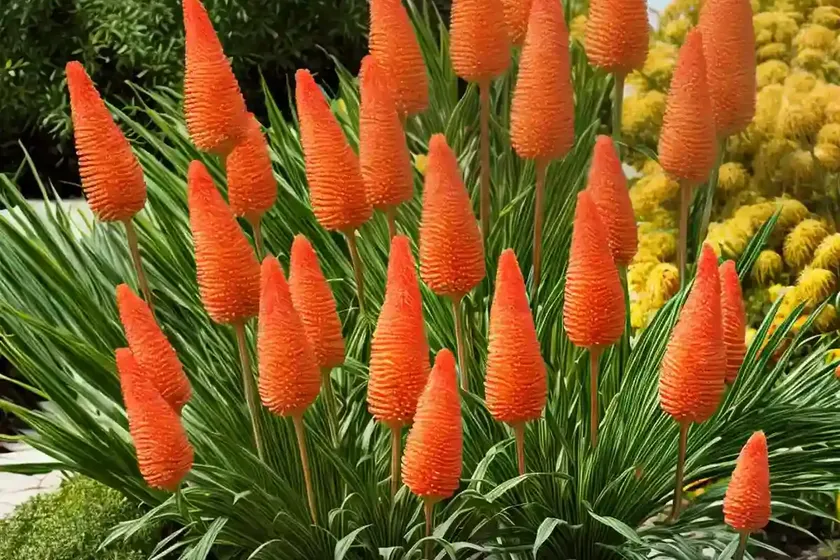
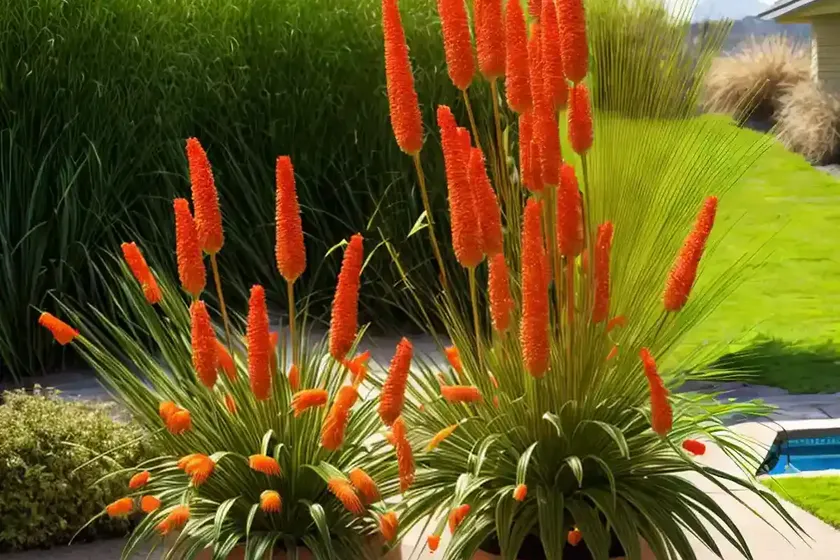
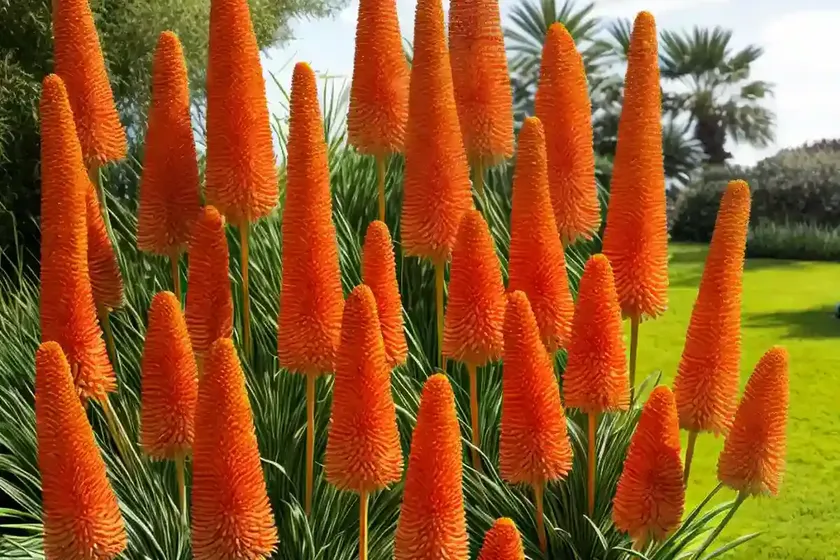
Kniphofia rooperi, commonly referred to as Red Hot Poker, is a herbaceous perennial plant known for its stunning and fiery flower spikes. The plant is characterized by its long, slender, and tubular flowers that bloom in various shades of red, orange, and yellow, resembling the appearance of a fiery poker, thus earning it the name “Red Hot Poker.” This vibrant and visually striking appearance makes it a popular choice for garden borders, rock gardens, and ornamental landscapes.
The stunning flowering spikes of Kniphofia rooperi not only provide aesthetic appeal but also serve as a valuable nectar source for pollinators and wildlife, thus contributing to the biodiversity and ecological balance of the garden or landscape.
Key Takeaways – Kniphofia Rooperi (Red Hot Poker)
Let’s explore the key takeaways and essential aspects of Kniphofia rooperi, focusing on its cultural requirements, uses, water and sunlight needs, fertilizer, soil preferences, pruning, propagation, container gardening, common diseases, pest control, and botanist’s tips.
Culture
-
Hardiness: Kniphofia rooperi is hardy in USDA zones 6 to 9, making it adaptable to a wide range of climate conditions. It thrives in temperate and Mediterranean climates, displaying robust growth and prolific flowering.
-
Growth Habit: This perennial plant exhibits a clump-forming growth habit with long, strappy leaves and tall flowering spikes that emerge from the center of the foliage.
-
Blooming Season: The flowering season of Kniphofia rooperi typically spans from late spring to early fall, showcasing its vibrant and captivating flower spikes.
Uses
Kniphofia rooperi holds various uses and contributes to the garden and landscape in several ways, including:
-
Ornamental Value: Red Hot Poker is primarily valued for its ornamental beauty, with its striking flower spikes adding color and visual interest to garden borders, rockeries, and mixed perennial beds.
-
Wildlife Attraction: The nectar-rich blooms of Kniphofia rooperi attract pollinators such as butterflies, bees, and hummingbirds, enhancing the ecological vitality of the garden.
-
Cut Flowers: The flower spikes of Red Hot Poker also serve as attractive and long-lasting cut flowers, making them suitable for floral arrangements and indoor displays.
Water
-
Watering Needs: Kniphofia rooperi demonstrates moderate water requirements, preferring well-drained soil and regular watering during the growing season. While it can tolerate short periods of drought, consistent moisture is beneficial for optimum growth and flowering.
-
Water Management: It is essential to practice efficient water management, ensuring that the soil remains evenly moist but not waterlogged. Mulching around the base of the plant helps in conserving soil moisture and reducing water evaporation.
-
Drought Tolerance: Despite its moderate water needs, Kniphofia rooperi exhibits good drought tolerance once established, making it suitable for water-wise and xeriscaped gardens.
Sunlight
-
Sun Exposure: Red Hot Poker thrives in full sun to partial shade, requiring at least 6-8 hours of direct sunlight for robust growth and prolific flowering.
-
Sunlight Requirements: Adequate sunlight is essential for promoting strong and healthy flower spikes, intensifying the vibrant colors of the blooms, and enhancing the overall ornamental appeal of the plant.
Fertilizer
-
Nutrient Needs: Kniphofia rooperi benefits from a balanced and slow-release fertilizer, applied in spring as new growth begins. A fertilizer with a higher phosphorus content promotes flowering, while adequate nitrogen supports healthy foliage development.
-
Fertilization Frequency: Annual fertilization is generally sufficient, with a light application of fertilizer worked into the soil around the base of the plant.
Soil
-
Soil Preference: Red Hot Poker thrives in well-drained, fertile loamy soil with a slightly acidic to neutral pH. It is essential to ensure good soil aeration and drainage to prevent waterlogging, which can lead to root rot and other moisture-related issues.
-
Soil Preparation: Before planting, it is advisable to amend the soil with organic matter such as compost or well-rotted manure to improve its texture, fertility, and moisture-retention capacity.
Pruning
-
Pruning Time: Pruning of Kniphofia rooperi is typically performed in late winter to early spring, before the emergence of new growth.
-
Pruning Procedure: The pruning process involves removing any dead, damaged, or faded foliage and spent flower spikes. Additionally, the division of crowded clumps and the removal of excessive offsets can be carried out during pruning to rejuvenate the plant and promote healthy growth.
Propagation
-
Propagation Methods: Kniphofia rooperi can be propagated through division, seed sowing, and offsets (pups) to propagate new plants and expand the existing population.
-
Division: The division of mature clumps is a common and effective method of propagation, wherein the plant is carefully lifted, and the dense clusters of rhizomes are separated into individual sections, each containing viable roots and growing points.
-
Seed Sowing: Propagation from seeds is also viable, although it requires patience and time for the seeds to germinate and develop into mature plants.
Container
-
Container Gardening: Kniphofia rooperi can be cultivated in containers and planters, making it suitable for patio gardens, urban landscapes, and small outdoor spaces.
-
Container Size: When growing in containers, it is essential to choose a spacious and adequately sized container that accommodates the vigorous growth habit and extensive root system of the plant.
-
Soil Mix: A well-draining potting mix with added compost or organic matter provides the ideal growing medium for Red Hot Poker in containers.
Popularity
-
Garden and Landscape Popularity: Kniphofia rooperi is popular among gardeners and landscaping enthusiasts for its vibrant and visually striking flower spikes, versatility, and relatively low maintenance requirements.
-
Cultivation in Public Gardens: Many public gardens, botanical parks, and horticultural displays feature Kniphofia rooperi as a prominent element in their landscape design, showcasing its ornamental and ecological significance.
Common Diseases
-
Disease Resistance: Kniphofia rooperi is relatively resistant to most common plant diseases; however, it can be susceptible to specific fungal infections, such as rust and leaf spot, particularly in conditions of high humidity and poor air circulation.
-
Disease Prevention: To prevent diseases, it is essential to provide adequate spacing between plants, promote good air circulation, and avoid overhead watering, which can lead to damp foliage and fungal proliferation.
Disease Diagnosis
-
Symptoms: Common symptoms of fungal diseases in Kniphofia rooperi include the appearance of discolored spots or lesions on the foliage, yellowing or browning of leaves, and the development of powdery or rusty growth on the plant surface.
-
Diagnostic Measures: Timely inspection of the plant, monitoring for any signs of abnormality or disease manifestation, and prompt action in case of suspected infection are crucial for effective disease diagnosis and management.
Common Pests
-
Pest Resistance: Red Hot Poker exhibits robust resistance to most common garden pests, limiting the susceptibility to insect attacks and infestations.
-
Pest Management: Although relatively resistant, occasional pest problems such as aphids or spider mites may occur, which can be managed through natural predators, insecticidal soaps, or horticultural oils if necessary.
Botanist’s Tips
-
Companion Planting: Kniphofia rooperi complements a diverse range of companion plants, including ornamental grasses, perennial flowers, and shrubs, adding visual contrast and seasonal interest to the garden or landscape.
-
Garden Design: Incorporating Red Hot Poker in garden designs, such as mixed borders, cottage gardens, and wildlife-friendly landscapes, enhances the overall aesthetic and ecological appeal of the outdoor space.
Fun Facts
-
Native Habitat: Kniphofia rooperi is indigenous to the grasslands and rocky slopes of South Africa, where it thrives in open, sunny habitats with well-drained soil.
-
Wildlife Attraction: The nectar-rich flowers of Kniphofia rooperi attract a variety of pollinators, including bees, butterflies, and hummingbirds, contributing to the ecological diversity and wildlife habitat in the garden.
Links to External Resources
For further insights, in-depth information, and practical gardening tips on Kniphofia rooperi (Red Hot Poker), consider exploring the following external resources:
-
Royal Horticultural Society (RHS) – Kniphofia: RHS – Kniphofia
-
Missouri Botanical Garden – Plant Finder: Missouri Botanical Garden – Kniphofia rooperi
-
American Horticultural Society: American Horticultural Society – Kniphofia Maintenance
-
Gardener’s World – Growing Kniphofia: Gardener’s World – Red Hot Poker Cultivation
-
University of Florida IFAS Extension – Kniphofia Production Guide: UF IFAS Extension – Kniphofia Production
-
Plant Heritage – Kniphofia Collection: Plant Heritage – National Plant Collections
-
Plant Conservation Alliance – Red Hot Poker Conservation: Plant Conservation Alliance – Kniphofia Conservation
-
Birds and Bees Nursery – Attracting Wildlife with Kniphofia: Birds and Bees Nursery – Wildlife Gardening
-
The Hardy Plant Society – Kniphofia Species and Cultivars: The Hardy Plant Society – Kniphofia Diversity
-
British Association of Perennial Plants – Kniphofia Landscapes: Perennial Plants – Kniphofia Gardening
-
World of Succulents – Kniphofia Photography: World of Succulents – Kniphofia Images
-
Gardeners’ World Magazine – Kniphofia Care Tips: Gardeners’ World Magazine – Red Hot Poker Care Guide
These external resources offer valuable insights, practical guidance, and expert recommendations on the cultivation, maintenance, and ornamental use of Kniphofia rooperi, also known as Red Hot Poker.
In conclusion, Kniphofia rooperi, or Red Hot Poker, is a remarkable perennial plant that captivates with its vibrant and fiery flower spikes, contributes to wildlife attraction, and enhances the visual appeal of gardens and landscapes. By understanding its cultural requirements, uses, water and sunlight needs, fertilizer, soil preferences, pruning, propagation, container gardening, common diseases, pest control, and botanist’s tips, gardeners can effectively cultivate and appreciate the ornamental value of this stunning plant. Whether integrated into garden borders, landscape designs, or container gardens, Kniphofia rooperi brings a dynamic and visually striking presence, enriching outdoor spaces and contributing to the ecological vibrancy of the natural environment.


