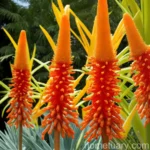
Kniphofia Poco Sunset (Red Hot Poker): A Comprehensive Guide
Kniphofia Poco Sunset is a striking perennial plant that belongs to the Asphodelaceae family. Commonly known as Red Hot Poker, this plant is renowned for its vibrant and distinctive flower spikes that add a touch of drama and brightness to any garden or landscape. In this comprehensive guide, we will delve into the various aspects of caring for and cultivating Kniphofia Poco Sunset. From its cultural requirements to its uses, diseases, and pests, this guide aims to provide a thorough understanding of this intriguing plant.
What is Kniphofia Poco Sunset (Red Hot Poker)?
Kniphofia Poco Sunset, also known as Red Hot Poker, is a species of flowering perennial plant native to South Africa. This plant is characterized by its densely-packed, torch-like flower spikes that emerge from clumps of long, grassy leaves. The striking flowers of Kniphofia Poco Sunset are known for their fiery colors, ranging from vibrant reds and oranges to golden yellows, which attract pollinators and bring an element of visual interest to gardens and landscapes.
Key Takeaways – Kniphofia Poco Sunset (Red Hot Poker)
Before delving into the specific care requirements and characteristics of Kniphofia Poco Sunset, let’s first outline the key takeaways associated with this plant:
- Plant Name: Kniphofia Poco Sunset (Red Hot Poker)
- Varieties: There are several varieties of Kniphofia Poco Sunset, each featuring unique color variations and growth habits.
- Flowering Period: Kniphofia Poco Sunset typically blooms from late spring to early fall, depending on the climate and environmental conditions.
- Growth Habits: This plant exhibits clumping growth habits, forming dense mounds of foliage with tall, upright flower spikes.
- Sunlight Requirements: Kniphofia Poco Sunset thrives in full sunlight, making it an ideal choice for sunny garden spots.
- Watering Needs: It has moderate water requirements and is well-suited to well-draining soil conditions.
- Soil Preferences: Well-draining, fertile soil with a slightly acidic to neutral pH is preferable for Kniphofia Poco Sunset.
- Propagation: Propagation can be achieved through division of established clumps or by sowing seeds.
- Common Pests: While relatively resistant to pests, Kniphofia Poco Sunset may attract aphids and spider mites under certain conditions.
- Disease Susceptibility: It may be susceptible to fungal diseases such as rust and leaf spots, especially in humid environments.
- Companion Plants: Kniphofia Poco Sunset pairs well with a variety of companion plants, adding visual interest to mixed borders and perennial plantings.
- Landscape Uses: It is often used as a focal point in garden borders, as well as in mass plantings and naturalized landscapes.
- Wildlife Attraction: Kniphofia Poco Sunset is known for attracting pollinators such as bees, butterflies, and hummingbirds.
- Climate Suitability: It is well-suited to a range of climatic conditions, including mild temperate climates and hot, dry regions.
Now that we have a broad overview of the key characteristics and considerations associated with Kniphofia Poco Sunset, let’s delve into the specifics of its care and cultivation.
Culture
Cultivating Kniphofia Poco Sunset successfully involves understanding and aligning with its cultural requirements. From its water and sunlight needs to its soil preferences, providing the appropriate cultural conditions is essential for promoting healthy growth and prolific flowering.
Uses
Before diving into the specific cultural requirements for Kniphofia Poco Sunset, it’s important to highlight its diverse uses in horticulture and landscaping. This plant offers a range of practical and aesthetic applications:
- Ornamental: Kniphofia Poco Sunset is primarily cultivated for its ornamental value, with its vibrant flower spikes serving as focal points in garden beds and landscapes.
- Cut Flowers: The long-lasting blooms of Kniphofia Poco Sunset make it an excellent choice for cut flower arrangements, adding a bold and exotic touch to floral displays.
- Wildlife Gardens: Due to its ability to attract pollinators, including bees, butterflies, and hummingbirds, Kniphofia Poco Sunset is a valuable addition to wildlife-friendly gardens.
Water
Understanding the watering needs of Kniphofia Poco Sunset is crucial for maintaining healthy growth and blooming. While this plant demonstrates some tolerance to drought conditions, providing adequate moisture is essential, especially during periods of active growth and flowering.
Watering Guidelines for Kniphofia Poco Sunset:
- Regular, Even Moisture: Ensure that the plant receives regular, even moisture during the growing season, particularly during hot and dry periods.
- Avoid Waterlogging: While Kniphofia Poco Sunset appreciates moisture, it is important to avoid waterlogging or excessively wet soil, which can lead to root rot and other issues.
- Mulching: Applying a layer of organic mulch around the base of the plant can help conserve soil moisture and regulate soil temperature.
Sunlight
Kniphofia Poco Sunset thrives in full sunlight, making it an excellent choice for sunny garden locations. Adequate sunlight is essential for stimulating robust growth and profuse flowering in this plant.
Sunlight Requirements for Kniphofia Poco Sunset:
- Full Sun: Plant Kniphofia Poco Sunset in a location that receives full sunlight for the majority of the day, ensuring at least 6-8 hours of direct sunlight.
- Optimal Exposure: To promote strong, upright flower spikes and vibrant flower colors, provide the plant with optimal exposure to sunlight.
Fertilizer
Fertilizing Kniphofia Poco Sunset can help support its vigor, blooming, and overall health. Understanding the appropriate timing and formulation for fertilization is essential for maximizing the plant’s ornamental value.
Fertilization Tips for Kniphofia Poco Sunset:
- Balanced Fertilizer: Use a balanced, all-purpose fertilizer with a formulation such as 10-10-10 or similar, applying it in early spring before the onset of active growth.
- Avoid Excessive Nitrogen: While Kniphofia Poco Sunset benefits from fertilization, excessive nitrogen can promote lush foliage at the expense of flowering. Use a controlled and balanced approach to fertilization.
- Top Dressing: Consider top dressing the soil around Kniphofia Poco Sunset with a layer of well-rotted compost or organic matter in late fall to support the plant’s nutrient requirements over the winter.
Soil
The soil preferences of Kniphofia Poco Sunset are a critical factor in ensuring its well-being and longevity. Providing suitable soil conditions that promote good drainage and nutrient availability is essential for the plant’s overall health.
Optimal Soil Conditions for Kniphofia Poco Sunset:
- Well-Draining Soil: Plant Kniphofia Poco Sunset in well-draining soil to prevent waterlogging and root rot. Amending heavy or compacted soils with organic matter can improve drainage.
- pH Preferences: The ideal soil pH for Kniphofia Poco Sunset ranges from slightly acidic to neutral (pH 6.0-7.0), providing an environment conducive to nutrient uptake and overall plant health.
Pruning
Pruning plays a role in maintaining the appearance and vitality of Kniphofia Poco Sunset, ensuring that the plant remains visually appealing and free from diseased or damaged growth.
Pruning Guidelines for Kniphofia Poco Sunset:
- Deadheading Spent Blooms: Remove spent flower spikes to encourage continuous blooming and a neat appearance.
- Trimming Foliage: Trim away any damaged or browning foliage throughout the growing season to maintain the plant’s aesthetic appeal and prevent the spread of diseases.
- Division: Periodically dividing crowded clumps of Kniphofia Poco Sunset can rejuvenate the plant, promoting better air circulation and reducing competition among individual plants.
Propagation
Propagation of Kniphofia Poco Sunset can be achieved through various methods, including division and seed sowing. Understanding the different approaches to propagating this plant is valuable for expanding its presence in the garden or landscape.
Propagation Techniques for Kniphofia Poco Sunset:
- Division: Divide established clumps of Kniphofia Poco Sunset in early spring or fall, ensuring that each division retains healthy roots and sufficient foliage for regrowth.
- Seed Sowing: Sow Kniphofia Poco Sunset seeds indoors in early spring, providing a warm, moist environment for germination. Transplant seedlings to the garden after the last frost date.
Container Popularity
Kniphofia Poco Sunset’s distinctive appearance, compact growth habits, and striking flowers make it a popular choice for container gardening. Its vibrant colors and upright form add visual interest to both outdoor and indoor container displays.
Container Gardening Tips for Kniphofia Poco Sunset:
- Choice of Containers: Select large, deep containers with adequate drainage holes to accommodate the plant’s root system and promote good aeration.
- Well-Draining Soil Mix: Use a well-draining potting mix with added perlite or vermiculite to ensure proper drainage and avoid waterlogged conditions in containers.
- Sunlight Exposure: Position Kniphofia Poco Sunset containers in a location that receives full sunlight, such as on patios, balconies, or near sunny windows indoors.
Common Diseases and Disease Diagnosis
Like any plant, Kniphofia Poco Sunset is susceptible to certain diseases, particularly those related to fungal pathogens in humid environments. Being aware of common diseases and their symptoms can aid in timely intervention and management.
Common Diseases of Kniphofia Poco Sunset
- Rust: The presence of reddish-brown, powdery pustules on foliage indicates a potential infection with rust, a fungal disease that can affect Kniphofia Poco Sunset, especially in humid conditions.
- Leaf Spots: Circular or irregularly-shaped lesions on leaves, accompanied by yellowing or browning, may signify a leaf spot disease caused by various fungal pathogens.
Disease Diagnosis and Management
Symptom Recognition:
- Visual Inspection: Regularly inspect the foliage of Kniphofia Poco Sunset for any signs of discoloration, lesions, or abnormalities that may indicate the presence of a disease.
- Early Detection: Promptly identify and diagnose any potential diseases affecting the plant to initiate appropriate treatment measures.
Preventive Measures:
- Good Air Circulation: Ensure adequate spacing between plants and promote good air circulation to reduce humidity levels and minimize the risk of fungal diseases.
- Avoid Overhead Watering: Irrigate at the base of the plant to prevent water from splashing onto the foliage, which can contribute to the spread of fungal pathogens.
Treatment Options:
- Fungicidal Sprays: Apply fungicidal sprays as a preventive or corrective measure to manage fungal diseases, following label instructions and safety precautions.
- Sanitation Practices: Remove and dispose of any affected plant material, such as diseased leaves or flower spikes, to prevent the spread of diseases to healthy plant parts.
Common Pests
While Kniphofia Poco Sunset is relatively resistant to pest infestations, it may attract certain pests, particularly under specific environmental conditions. Being attentive to the signs of pest presence and understanding their management is essential for safeguarding the plant’s health.
Potential Pests Affecting Kniphofia Poco Sunset
- Aphids: These small, soft-bodied insects may cluster on the undersides of foliage, sucking sap and causing distortion or discoloration of leaves.
- Spider Mites: Spider mites are tiny arachnids that can infest Kniphofia Poco Sunset, causing stippling or mottling of leaves and the formation of fine webbing.
Pest Management Strategies
Integrated Pest Management (IPM):
- Monitoring: Regularly inspect Kniphofia Poco Sunset for the presence of aphids, spider mites, or any other potential pests, particularly on the undersides of leaves and near new growth.
- Natural Predators: Encourage the presence of natural predators such as ladybugs and lacewings, which feed on aphids and spider mites, helping to keep their populations in check.
Control Measures:
- Hose Spray: Use a strong jet of water to dislodge and rinse off aphids and spider mites from the foliage of Kniphofia Poco Sunset, particularly if infestations are localized.
- Insecticidal Soap: Apply insecticidal soap as a targeted treatment for controlling aphids and spider mites, ensuring to cover the pests thoroughly with the solution.
Botanist’s Tips
As a botanist specializing in ornamental plants, I have come to appreciate the unique characteristics and horticultural potential of Kniphofia Poco Sunset. Here are some expert tips for cultivating and caring for this striking perennial:
- Soil Preparation: Prior to planting, amend the soil with organic matter such as compost or well-rotted manure to enhance fertility and improve soil structure.
- Mulch Application: Apply a layer of mulch around Kniphofia Poco Sunset to conserve soil moisture, suppress weed growth, and provide a uniform and aesthetically pleasing surface.
- Supporting Flower Spikes: In windy or exposed locations, consider staking taller varieties of Kniphofia Poco Sunset to provide support for the upright flower spikes and prevent bending or breakage.
Fun Facts
Did You Know?
- The common name “Red Hot Poker” refers to the resemblance of Kniphofia flower spikes to the shape and color of a flaming poker, often used to stir up a fire in a hearth.
- Some species of Kniphofia are known to be pollinated by sunbirds in their native habitats in South Africa, highlighting the plant’s co-evolution with specific avian pollinators.
Links to External Resources
For further information and resources on Kniphofia Poco Sunset and its cultivation, here are some valuable external links:
- The Royal Horticultural Society (RHS) – Kniphofia
- Missouri Botanical Garden – Kniphofia Varieties
- University of Florida IFAS Extension – Red Hot Poker Plant Profile
Conclusion
In conclusion, Kniphofia Poco Sunset, commonly known as Red Hot Poker, is a captivating and versatile perennial plant that adds a bold and dramatic touch to gardens and landscapes. By understanding and addressing its cultural requirements, including water, sunlight, soil, and pruning, gardeners and enthusiasts can achieve successful cultivation and enjoy the vibrant display of its distinctive flower spikes. Being mindful of potential diseases and pests, and implementing appropriate management strategies, can help maintain the health and vigor of Kniphofia Poco Sunset. Whether grown in garden beds or containers, this unique plant offers an array of practical and aesthetic uses, making it a valuable addition to diverse horticultural settings.
With its vibrant colors, wildlife attraction, and adaptability to various climatic conditions, Kniphofia Poco Sunset continues to captivate plant enthusiasts and gardeners, enriching outdoor spaces with its unmistakable presence. As with any plant, the key to successful cultivation lies in attentive care, consideration of its specific needs, and an appreciation for the beauty it brings to the natural world.