Kleinia Stapeliiformis (Senecio Stapeliiformis)
Kleinia Stapeliiformis, also known as Senecio Stapeliiformis, is a fascinating succulent plant that belongs to the Asteraceae family. This plant is native.
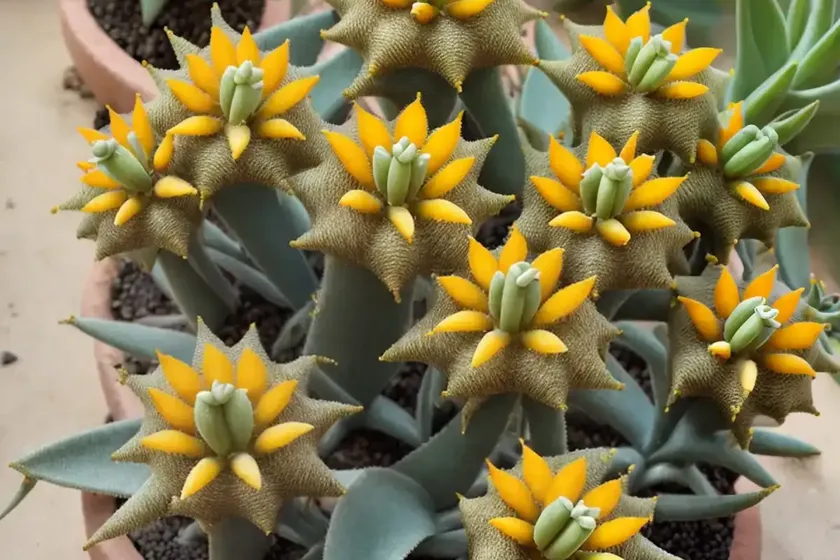
Kleinia Stapeliiformis, also known as Senecio Stapeliiformis, is a fascinating succulent plant that belongs to the Asteraceae family. This plant is native to South Africa and is commonly found in arid and desert regions. Kleinia Stapeliiformis is known for its striking appearance and ease of care, making it a popular choice among plant enthusiasts.
In this comprehensive guide, we will explore everything you need to know about Kleinia Stapeliiformis, including its culture, uses, propagation, common diseases, and much more. Whether you are a beginner or an experienced plant parent, this guide will provide you with valuable insights to help you successfully grow and care for Kleinia Stapeliiformis in your indoor or outdoor garden.
What is Kleinia Stapeliiformis?
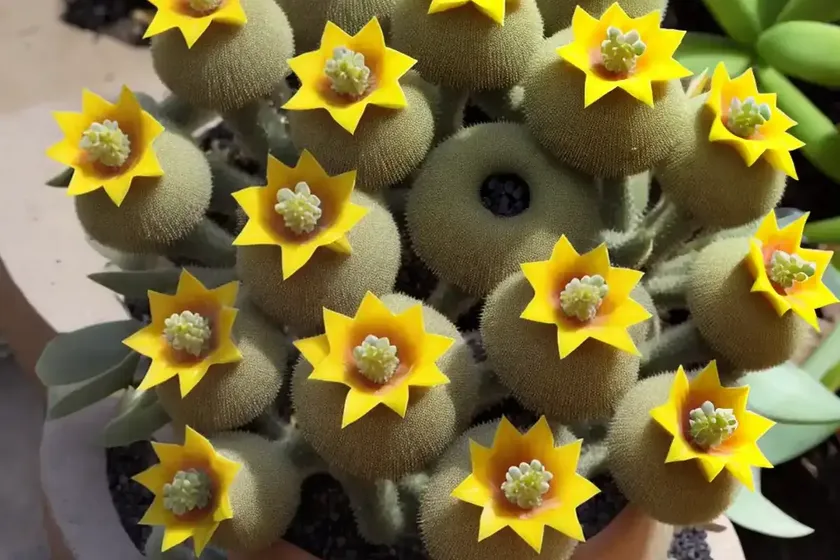
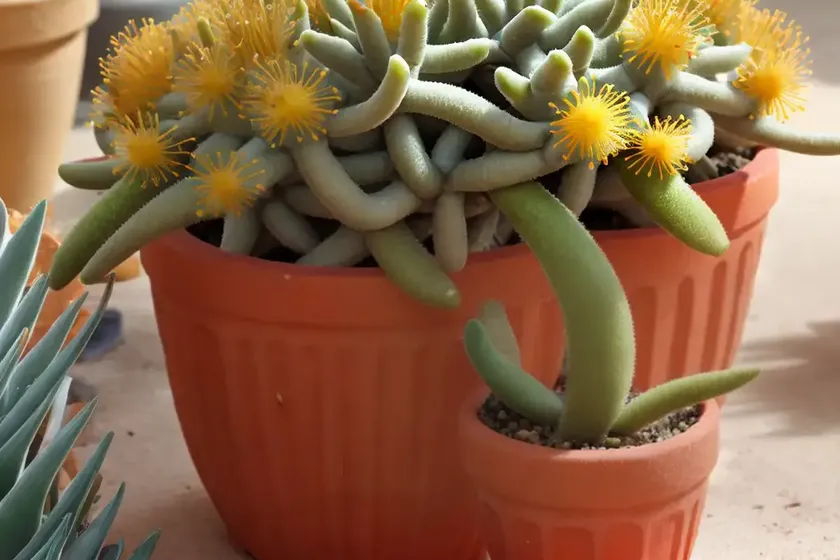
Kleinia Stapeliiformis, also referred to as Senecio Stapeliiformis, is a succulent plant characterized by its unique appearance and low maintenance requirements. This striking plant features fleshy, finger-like green stems that resemble a cluster of stacked stones or fingers, hence its common name “Pickle Plant.” The stems are adorned with elongated, pointed leaves that store water, enabling the plant to thrive in dry conditions.
The plant blooms with small, daisy-like flowers in shades of white or yellow, adding a touch of delicate beauty to its rugged appearance. With the right care, Kleinia Stapeliiformis can be a long-lived and resilient addition to your plant collection.
Key Takeaways – Kleinia Stapeliiformis (Senecio Stapeliiformis)
Culture
- Origin: South Africa
- Family: Asteraceae
- Common Names: Pickle Plant, Kleinia Stapeliiformis, Senecio Stapeliiformis
- Type: Succulent
Uses
- Ornamental plant for indoor and outdoor gardens
- Drought-tolerant landscaping
- Xeriscaping
Let’s delve deeper into the specific care requirements for Kleinia Stapeliiformis to ensure its optimal growth and health.
Kleinia Stapeliiformis Care: A Comprehensive Guide
Water
Proper watering is crucial for the health of Kleinia Stapeliiformis. As a succulent plant, it is adapted to survive in dry conditions and is prone to root rot if overwatered. Here are key considerations for watering:
- Frequency: Water the plant deeply but infrequently, allowing the soil to dry out completely between waterings. During the growing season (spring and summer), you can water the plant every 2-3 weeks. In the dormant winter months, reduce watering to once a month or less.
- Watering Technique: Use the soak and dry method. Water the plant thoroughly, allowing the excess water to drain out from the bottom of the pot. Avoid leaving the plant in standing water, as this can lead to root rot.
Sunlight
Kleinia Stapeliiformis thrives in bright, indirect sunlight. When grown indoors, place the plant near a south or west-facing window to ensure it receives ample sunlight. Outdoors, choose a spot with partial shade, especially in regions with intense afternoon sun. Protect the plant from prolonged exposure to direct sunlight, as it can cause sunburn on the leaves.
Fertilizer
During the active growing season, from spring to early fall, feed Kleinia Stapeliiformis with a balanced, diluted fertilizer every 3-4 weeks. Use a succulent or cacti-specific fertilizer to support healthy growth and flowering. Refrain from fertilizing during the dormant winter period when the plant’s growth slows down.
Soil
The right soil mix is essential for the well-being of Kleinia Stapeliiformis. Use a well-draining, gritty soil mix designed for succulents and cacti. A mix comprising potting soil, perlite, and coarse sand in a 2:1:1 ratio is suitable for providing the proper aeration and drainage that this plant requires.
Pruning
Pruning is minimal for Kleinia Stapeliiformis and primarily involves removing any dead or decaying leaves to maintain the plant’s health and appearance. Ensure that you use clean, sharp garden shears to make precise cuts and minimize the risk of introducing diseases to the plant.
Propagation
Kleinia Stapeliiformis can be propagated through stem or leaf cuttings with a high success rate. Follow these steps for successful propagation:
- Stem Cuttings: Select a healthy stem and cut it into sections, approximately 2-3 inches long. Allow the cuttings to callus for a few days to prevent rotting, then plant them in a well-draining succulent mix. Water sparingly and provide indirect light to encourage rooting.
- Leaf Cuttings: Gently remove healthy leaves from the plant, ensuring that the cut is clean and without damage. Allow the leaf cuttings to air dry for a day or two to form a callus. Plant the leaf cuttings in a succulent mix and mist lightly to maintain moisture levels for successful rooting.
Container
Select a container that provides adequate drainage to prevent waterlogging, as succulents are susceptible to root rot in waterlogged conditions. A terracotta pot or a container with drainage holes is ideal for providing the required aeration and drainage for Kleinia Stapeliiformis.
Popularity
Kleinia Stapeliiformis has gained popularity among plant enthusiasts for its unique appearance and minimal care requirements. Its striking resemblance to stacked stones and its ability to thrive in arid conditions make it a sought-after addition to both indoor and outdoor gardens.
Common Diseases
Disease Diagnosis
Kleinia Stapeliiformis is generally resistant to most diseases and pests, but it can occasionally encounter the following issues:
- Root Rot: Overwatering or poorly draining soil can lead to root rot in Kleinia Stapeliiformis. Symptoms include wilting, yellowing, and mushy stems. To prevent root rot, ensure that the plant’s soil is well-draining and that you water it sparingly.
- Powdery Mildew: Humid conditions and poor air circulation can lead to powdery mildew on the leaves of Kleinia Stapeliiformis. Look for white, powdery spots on the leaves and treat them promptly with suitable fungicides.
Common Pests
Botanist’s Tips
As a botanist specializing in succulent plants, I recommend the following tips for successfully growing and caring for Kleinia Stapeliiformis:
- Adequate Drainage: Ensure that the plant’s container or soil provides proper drainage to prevent waterlogging and root rot.
- Careful Watering: Avoid overwatering by allowing the soil to dry out between waterings. Succulents are adapted to survive in dry conditions and are sensitive to excess moisture.
- Balanced Sunlight: Provide the plant with bright, indirect sunlight to support healthy growth and prevent sunburn on the leaves.
- Protection from Frost: If grown outdoors, protect Kleinia Stapeliiformis from frost and freezing temperatures, as it is sensitive to cold and frost damage.
Fun Facts
- Kleinia Stapeliiformis is often cultivated as a “stone plant” due to its resemblance to stacked stones or pebbles, especially when grown in clusters.
- The plant is an excellent choice for xeriscaping and drought-tolerant landscaping projects, adding texture and visual interest to arid gardens.
Links to External Resources
For further information on Kleinia Stapeliiformis care and cultivation, explore the following resources:
- Succulent Plant Care Guide from The Royal Horticultural Society
- The Spruce – How to Grow and Care for Succulents
- Succulent Plant Propagation Techniques from University of Florida IFAS Extension
Conclusion
Kleinia Stapeliiformis, with its distinctive appearance and minimal care needs, is a delightful addition to any plant collection. By understanding and implementing the proper culture, watering, sunlight, soil, and propagation techniques, you can ensure the healthy growth and longevity of this unique succulent. Whether you are a novice gardener or an experienced succulent enthusiast, Kleinia Stapeliiformis offers an opportunity to appreciate the fascinating world of succulent plants and add a touch of natural beauty to your living spaces.
I hope this comprehensive guide has provided you with valuable insights and practical tips for successfully growing and caring for Kleinia Stapeliiformis. Happy gardening!