King Protea (Protea Cynaroides)
King protea, scientifically known as Protea cynaroides, is a strikingly beautiful flowering plant and is the national flower of South Africa. This unique.
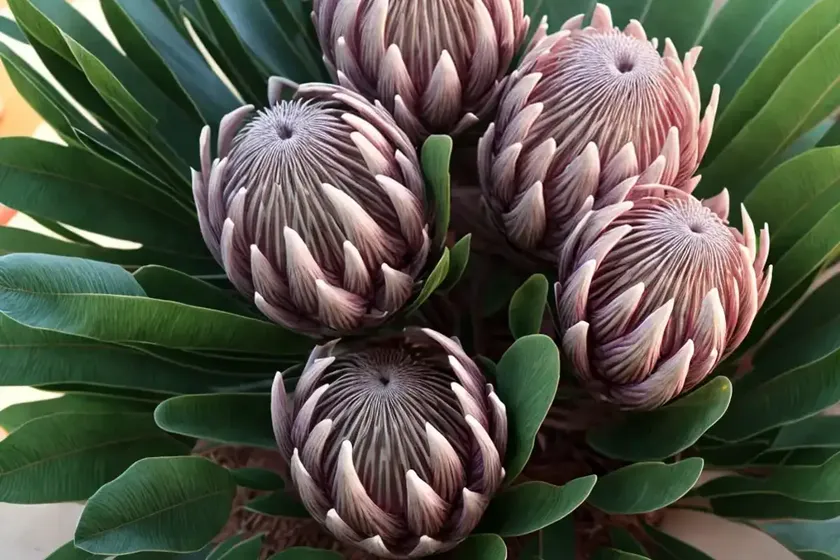
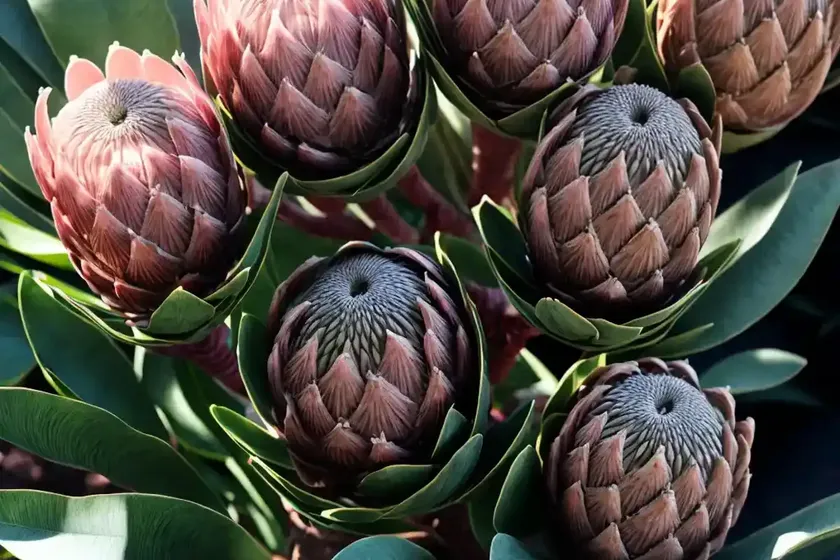
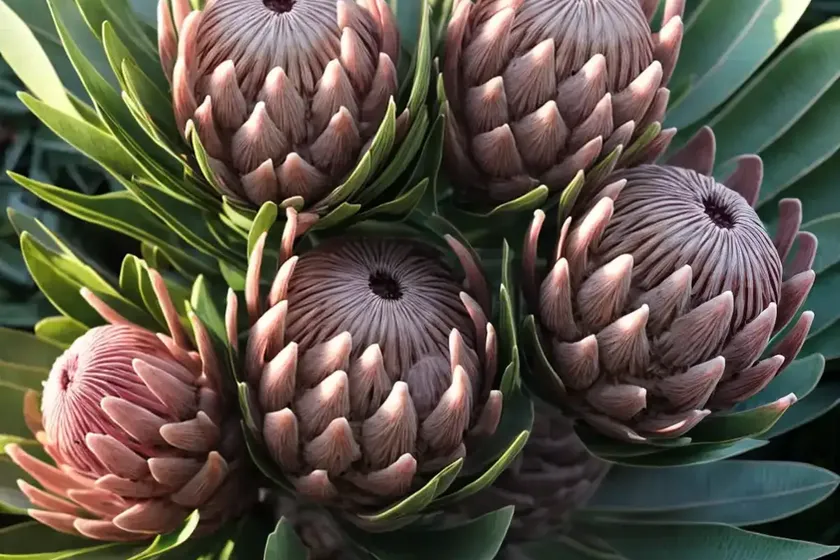
King protea, scientifically known as Protea cynaroides, is a strikingly beautiful flowering plant and is the national flower of South Africa. This unique and charismatic plant has garnered popularity globally due to its vibrant flowers and distinct appearance. In this comprehensive guide, we will delve into the culture, uses, care tips, and interesting facts about the King protea. We will explore its habitat, symbolism, cultivation, and much more. Whether you are a gardening enthusiast, a professional horticulturist, or simply admire the natural beauty of plants, this article will provide valuable insights into the world of King protea.
What is King Protea (Protea cynaroides)?
King protea, also known as the giant protea, is a flowering plant belonging to the Proteaceae family. It is indigenous to the southwestern and southern parts of South Africa, where it thrives in a variety of habitats ranging from sea level to mountainous regions. One of the most remarkable characteristics of the King protea is its enormous flower heads, which can reach sizes of up to 12 inches in diameter. The plant’s scientific name, Protea cynaroides, is derived from the Greek god Proteus and the likeness of the flower head to the artichoke (Cynara scolymus).
The King protea is not only renowned for its captivating appearance but also for its ecological importance. It serves as a source of nectar for various pollinators and is an integral part of the native South African flora, showcasing the richness and diversity of the country’s plant life.
Key Takeaways: King Protea (Protea cynaroides)
Before delving into the specifics of King protea care and cultivation, let’s outline some key takeaways that will be explored in greater detail throughout this guide:
- Culture
- Uses
- Water
- Sunlight
- Fertilizer
- Soil
- Pruning
- Propagation
- Container
- Popularity
- Common Diseases
- Common Pests
- Botanist’s Tips
- Fun Facts
Now, let’s proceed to explore each of these aspects in detail.
Culture of King Protea
Understanding the cultural significance of King protea is essential to appreciating its role in the botanical world, as well as its symbolic value. The plant holds a special place in South African culture, and its symbolism often extends beyond the borders of the country. Here are some aspects of the culture of King protea:
Symbolism
The King protea holds various symbolic meanings, particularly in the context of South Africa. It is often associated with strength, resilience, and change, making it a significant cultural emblem. The plant’s regal appearance and enduring nature have made it a symbol of hope and transformation in many cultures.
Cultural Significance
In South Africa, the King protea is an iconic and revered plant with deep cultural significance. It has been featured in traditional art, music, and folklore, reflecting its importance to the indigenous communities. The plant’s resilient nature in the face of harsh environmental conditions has also made it a symbol of endurance and perseverance.
Uses of King Protea
The uses of King protea extend beyond its ornamental value. This section will explore its diverse applications and the ways in which it contributes to various aspects of human life and the environment.
Ornamental Use
One of the primary uses of King protea is for ornamental purposes. Its large and extravagant flower heads make it a sought-after flower in the floral industry and for decorative arrangements. The distinct appearance of the flower, with its unusual shape and vibrant colors, adds a unique touch to floral displays and bouquets.
Ecological Importance
In its natural habitat, King protea plays a crucial role in supporting local ecosystems. The plant provides a source of nectar for pollinators such as birds and insects, contributing to the biodiversity of the region. Additionally, its presence in the landscape adds to the overall beauty and ecological value of the area.
Cultural and Artistic Significance
The striking appearance of King protea has made it a popular subject in art, design, and cultural expressions. From traditional artwork to modern interpretations, the plant continues to inspire creativity and appreciation for nature’s beauty. Its portrayal in various art forms further solidifies its cultural and artistic significance.
King Protea Care: Cultivation Tips
Now, let’s delve into the essential aspects of caring for King protea. Proper care is crucial for the plant to thrive and produce its iconic flower heads. We will explore the specific requirements for water, sunlight, fertilizer, soil, pruning, and propagation.
Water
King protea is sensitive to overwatering and requires well-drained soil to prevent waterlogging, especially during the winter months. However, it is crucial to ensure that the plant receives sufficient water during the growing season to support healthy growth and flower production. The key is to find a balance that provides moisture without leading to waterlogged roots.
Sunlight
Sunlight is essential for the healthy development of King protea. It thrives in full sun and requires at least six to eight hours of direct sunlight daily. In regions with intense heat, providing some light afternoon shade can help protect the plant from excessive heat stress while still allowing it to receive ample sunlight.
Fertilizer
When it comes to fertilizer, King protea benefits from a low-phosphorus, slow-release fertilizer designed for acid-loving plants. Applying fertilizer in early spring, just before the growing season, can provide the necessary nutrients for robust growth and flower production. It is important to follow the recommended dosage and avoid over-fertilization, which can be harmful to the plant.
Soil
The ideal soil for King protea is well-drained and slightly acidic, with a pH level between 5.5 and 6.5. A mix of coarse sand, organic matter, and perlite can help create a suitable growing medium for the plant. Additionally, incorporating bark or wood chips into the soil can aid in enhancing drainage and aeration, which are crucial for the plant’s health.
Pruning
Pruning King protea is essential for maintaining its shape, encouraging new growth, and ensuring the production of flower buds. The best time to prune the plant is after it has finished flowering. Removing spent flower heads and shaping the plant can promote a bushier, more compact growth habit. It is important to use sharp, clean pruners to avoid damaging the plant.
Propagation
King protea can be propagated through methods such as seed germination, cuttings, and grafting. While seed propagation is possible, it is a longer and more challenging process compared to vegetative propagation methods. Propagating from cuttings or grafting allows for the preservation of desirable traits and can result in faster establishment and flowering.
Growing King Protea in Containers
King protea can be successfully grown in containers, allowing individuals with limited garden space to enjoy the beauty of this remarkable plant. When cultivating King protea in containers, several considerations should be taken into account to ensure optimal growth and performance.
Container Selection
Choosing the right container is crucial when growing King protea. Select a large, sturdy pot with adequate drainage holes to prevent waterlogging. The container should be spacious enough to accommodate the plant’s root system and allow for sufficient airflow around the roots.
Soil Mix
The soil mix for container-grown King protea should mimic its natural growing conditions. It should be well-drained, slightly acidic, and lightweight to promote healthy root development. A blend of coarse sand, peat moss, and perlite can create an ideal growing medium for container cultivation.
Watering in Containers
Container-grown King protea may require more frequent watering compared to plants in the ground, especially during periods of hot, dry weather. However, it is important to prevent waterlogged conditions by allowing excess water to drain freely from the container. Maintaining consistent soil moisture without excessive wetness is crucial for container-grown specimens.
Sunlight for Containers
Placing containers in a location that receives full sun is essential for the successful cultivation of King protea. Position the containers in a sunny spot where the plant can receive ample sunlight throughout the day. In regions with extremely high temperatures, providing some light afternoon shade can help protect the plant from heat stress.
Popularity of King Protea
The popularity of King protea has transcended its native habitat and has garnered attention worldwide. This section will explore the factors contributing to its popularity and global appeal.
Floral Industry
Within the floral industry, King protea has gained popularity for its distinctive appearance and suitability for ornamental arrangements. Its large flower heads and vibrant colors make it an attractive choice for floral designs, events, and special occasions. The plant’s unique characteristics have contributed to its appeal in the market.
Gardening and Horticulture
King protea has captured the interest of gardening enthusiasts and horticulturists, leading to an increase in cultivation and experimentation with different varieties and cultivars. Its exotic appeal and adaptability to various growing conditions have made it an intriguing addition to gardens and landscapes in diverse regions.
Aesthetic and Cultural Appeal
The captivating beauty and cultural significance of King protea have made it a favored subject in art, photography, and cultural representations. Its distinct appearance and symbolic value continue to attract admirers who appreciate its unique aesthetic and the stories it embodies.
Common Diseases of King Protea
While King protea is generally resilient, it can be susceptible to certain diseases and ailments. Understanding the common diseases and their potential impact on the plant’s health is essential for effective management and preventive measures.
Fungal Diseases
Fungal diseases, such as root rot and leaf spot, can pose a threat to King protea, particularly in conditions of excess moisture and poor air circulation. To prevent fungal infections, it is important to ensure proper drainage, avoid overwatering, and provide adequate spacing between plants to promote airflow.
Bacterial Infections
Bacterial infections, including bacterial leaf blight, can affect the foliage and overall vigor of King protea. Monitoring the plant for signs of bacterial diseases, such as leaf discoloration, dark lesions, or wilting, can aid in early detection and intervention. Sanitation practices and targeted treatments may be necessary to manage bacterial infections.
Viral Diseases
While viral diseases are less common in King protea, they can impact the plant’s growth and appearance. Symptoms of viral diseases may include stunted growth, distorted leaves, and mottled patterns on foliage. Implementing proper sanitation measures and controlling insect vectors can help mitigate the spread of viral diseases.
Disease Diagnosis and Management
Diagnosing and managing diseases in King protea requires keen observation and prompt action to preserve the plant’s health and vitality. This section will outline the steps for diagnosing diseases and implementing appropriate management strategies.
Symptoms Identification
Careful observation of the plant can reveal early signs of diseases, including changes in leaf color, spots, lesions, wilting, or abnormal growth patterns. Documenting any observed symptoms and changes can aid in accurate diagnosis and treatment planning.
Proper Diagnosis
Consulting with a plant pathology expert or horticulturist can help in identifying specific diseases and confirming the underlying cause of unusual symptoms. Proper diagnosis is crucial for implementing targeted management measures and preventing the spread of diseases to other plants.
Integrated Pest and Disease Management
Implementing an integrated approach to pest and disease management can help mitigate the impact of diseases on King protea. This may involve cultural practices, such as improving airflow and sanitation, as well as judicious use of horticultural oils, fungicides, or bactericides when necessary.
Common Pests Affecting King Protea
In addition to diseases, King protea can also be susceptible to pest infestations that may compromise its growth and vitality. Identifying and addressing common pests is important for maintaining the plant’s health and preventing damage.
Aphids
Aphids can pose a threat to King protea by feeding on the plant’s sap and causing curling of the leaves, stunted growth, and the development of sooty mold. Monitoring the plant for aphid infestations and implementing control measures, such as insecticidal soaps or horticultural oils, can help manage these pests.
Thrips
Thrips are another potential pest that may affect King protea, particularly by causing distorted or discolored flowers and foliage. Regular scouting for thrips and the use of insecticidal treatments can aid in controlling their population and minimizing their impact on the plant.
Spider Mites
Spider mites can infest King protea, especially in dry and dusty conditions, and cause stippling, webbing, and overall decline in plant vigor. Mitigating environmental stress, such as drought, and using suitable acaricides can help in managing spider mite infestations.
Botanist’s Tips for Growing King Protea
Drawing from expert insights and experiences, the following tips are designed to aid in the successful cultivation and care of King protea:
-
Selecting Well-Drained Sites: When planting King protea in the ground, choose sites with well-drained soil and good air circulation to promote healthy growth and reduce the risk of root diseases.
-
Use of Mulch: Applying a layer of organic mulch around the base of King protea can help conserve soil moisture, regulate soil temperature, and suppress weed growth.
-
Monitoring Soil pH: Regularly monitoring the pH of the soil can help ensure that it remains within the optimal range for King protea, thereby promoting nutrient uptake and overall health.
-
Integrated Pest Management: Implementing strategies for integrated pest management, including natural predators and biological control agents, can help mitigate pest pressures while minimizing reliance on chemical treatments.
-
Winter Protection: In regions with cold winters, providing adequate protection, such as mulching and covering, can help safeguard King protea from frost damage and temperature extremes.
Fun Facts About King Protea
To further appreciate the unique attributes of King protea, here are some intriguing and lesser-known facts about the plant:
-
Fire-Adapted Species: King protea is adapted to survive and regenerate after wildfires, with its woody structures and ability to resprout from the base.
-
Bird Pollination: Certain bird species, such as sugarbirds and sunbirds, are attracted to the nectar-rich flowers of King protea, effectively pollinating them as they feed.
-
Drought Tolerance: Despite its showy appearance, King protea exhibits remarkable drought tolerance, allowing it to thrive in arid and semi-arid environments.
-
Landscaping Accent: In garden and landscape design, King protea serves as a striking focal point due to its commanding presence and architectural form.
-
Longevity: When properly cared for, King protea can have a long lifespan, with some specimens living for several decades under favorable conditions.
Links to External Resources
To expand your knowledge and explore further information about King protea, you may find the following resources valuable:
- South African National Biodiversity Institute: Protea Atlas Project
- Royal Botanic Gardens, Kew: Proteaceae in Horticulture
- University of California, Agriculture and Natural Resources: Plant Pest Diagnostics Center
- American Phytopathological Society: Disease Management and Biosecurity
Conclusion
The King protea, with its regal presence and captivating flowers, continues to enchant plant enthusiasts, horticulturalists, and admirers of natural beauty worldwide. Understanding the cultural significance, care requirements, uses, and ecological importance of the plant is essential for promoting its conservation and sustainable cultivation. As the national flower of South Africa and a symbol of resilience, the King protea exemplifies the intersection of natural elegance and cultural heritage. Whether integrated into landscapes, floral arrangements, or art, the King protea stands as a testament to the allure of the botanical world and the enduring impact of native flora.
Through this comprehensive guide, we have ventured into the fascinating realm of King protea, unraveling its cultural, horticultural, and ecological dimensions. From its symbolism to its cultivation tips and unique characteristics, the world of King protea invites exploration and appreciation. As you embark on your journey of discovery and care for King protea, may the knowledge and insights shared here inspire a deeper connection with this remarkable South African native plant.


