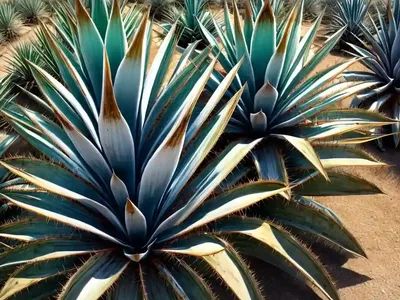
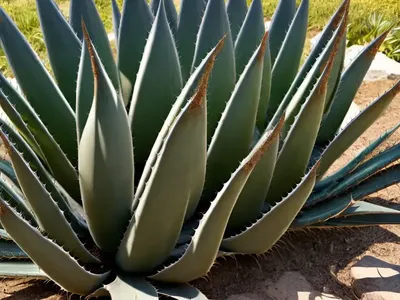
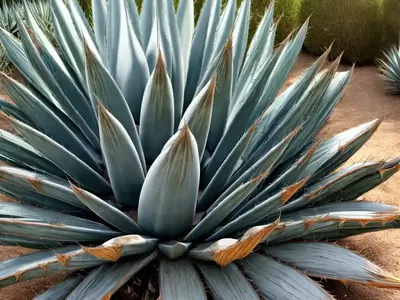
King Ferdinand Agave (Agave Nickelsiae)
King Ferdinand Agave, scientifically known as Agave Nickelsiae, is a stunning succulent plant that has gained popularity among both botanical enthusiasts.
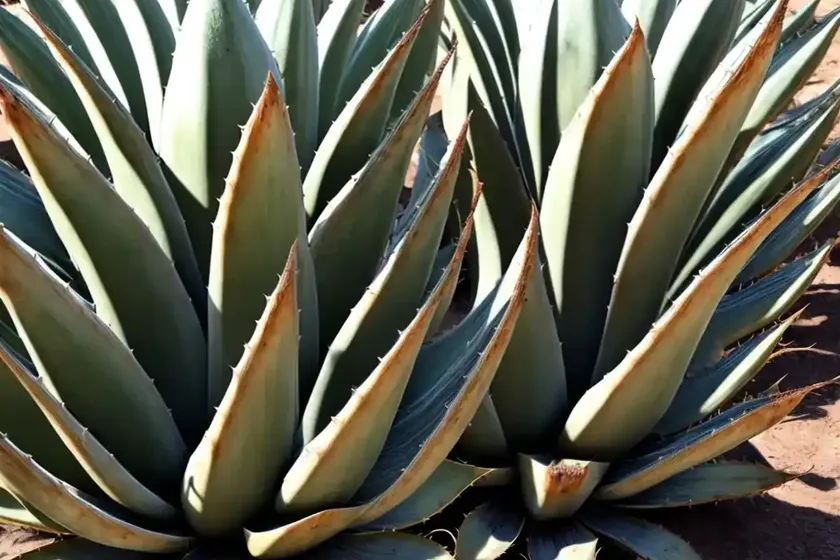
King Ferdinand Agave, scientifically known as Agave Nickelsiae, is a stunning succulent plant that has gained popularity among both botanical enthusiasts and landscape designers. This striking plant is known for its unique appearance, low maintenance requirements, and versatility in various landscaping settings. In this comprehensive guide, we will delve into the various aspects of King Ferdinand Agave, including its culture, uses, care requirements, propagation, common diseases, and more. Whether you are looking to add this plant to your indoor collection or incorporate it into your outdoor landscape, this guide will provide you with all the essential information you need to ensure the optimal growth and well-being of King Ferdinand Agave.
What is King Ferdinand Agave (Agave Nickelsiae)?
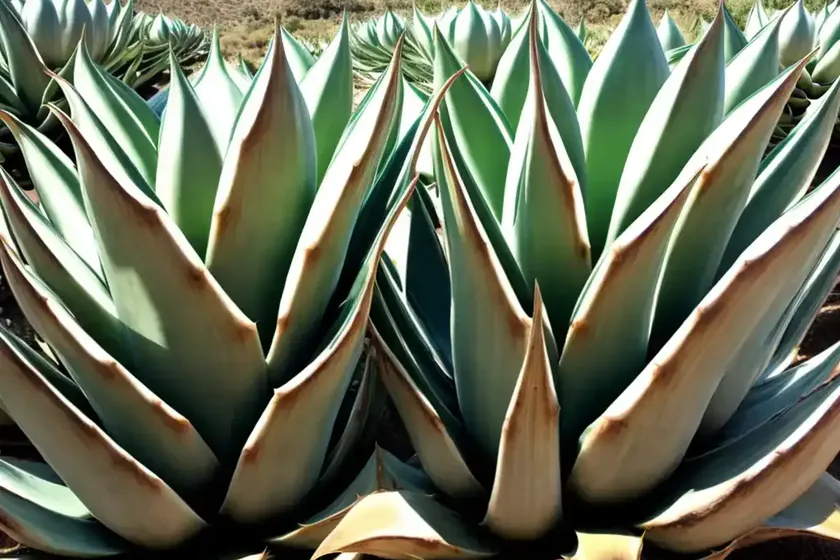
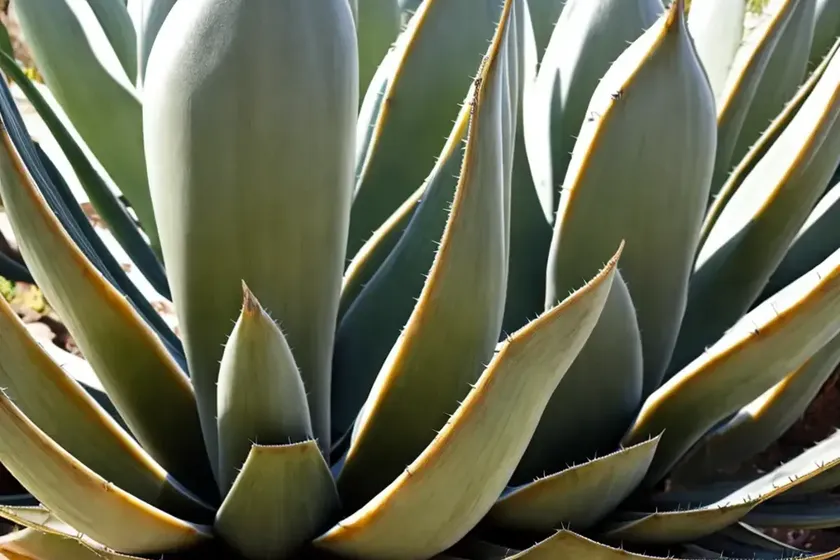
King Ferdinand Agave, or Agave Nickelsiae, is a species of agave known for its striking symmetrical rosette and attractive blue-green leaves with gracefully undulating margins. This succulent plant is native to Mexico and belongs to the Asparagaceae family. It is characterized by its architectural form and remarkable hardiness, making it a popular choice for arid and desert-themed gardens, xeriscaping projects, and modern landscape designs.
King Ferdinand Agave is a slow-growing plant that can eventually reach a mature size of approximately 2 to 3 feet in height and 3 to 4 feet in diameter. Its compact size and eye-catching appearance make it an excellent choice for both indoor and outdoor ornamental plantings.
Key Takeaways – King Ferdinand Agave (Agave Nickelsiae)
Culture
King Ferdinand Agave is deeply rooted in Mexican culture and has been embraced for its ornamental and practical uses. The plant holds significant cultural and historical value and is often associated with the rich heritage of Mexico.
Uses
- Ornamental Purposes: King Ferdinand Agave is primarily utilized for ornamental purposes, adding a distinctive touch to gardens, landscapes, and architectural settings.
- Fiber Production: Historically, agave plants, including Agave Nickelsiae, have been cultivated for fiber production, yielding versatile materials for textiles, ropes, and other utilitarian purposes.
Plant Care
Water
King Ferdinand Agave is highly drought-tolerant and thrives in well-draining, dry soil. It is crucial to avoid overwatering, as excessive moisture can lead to root rot and other issues. The plant’s watering needs vary based on environmental conditions and the specific requirements of its growing environment.
Sunlight
This agave variety thrives in full sun to partial shade. When grown outdoors, it should be positioned in an area that receives ample sunlight throughout the day. Indoor plants should be placed near a bright, sunny window to ensure adequate light exposure.
Fertilizer
Agave Nickelsiae has modest fertilizer requirements and can thrive without frequent feeding. A balanced, diluted fertilizer can be applied during the growing season to support the plant’s health and vigor. However, it is essential to avoid excessive fertilization, as this can lead to adverse effects.
Soil
The plant thrives in well-draining soil with a sandy or gritty texture. A cactus or succulent potting mix is ideal for King Ferdinand Agave, providing the necessary aeration and drainage to promote healthy root development and prevent waterlogged conditions.
Pruning
Minimal pruning is required for King Ferdinand Agave. Removal of dead or damaged leaves can be performed as needed to maintain the plant’s aesthetic appeal and overall vitality. However, the plant’s natural form and structure are typically best left undisturbed.
Propagation
Agave Nickelsiae can be propagated through offsets or “pups” that develop around the base of mature plants. These pups can be carefully removed and replanted in suitable growing conditions to establish new King Ferdinand Agave specimens.
Container Popularity
The compact size and striking appearance of King Ferdinand Agave make it a popular choice for container gardening. When planted in containers, it can serve as a focal point in indoor and outdoor settings, adding a touch of elegance to the surrounding space.
Common Diseases and Pests
Disease Diagnosis
King Ferdinand Agave is generally resistant to most common plant diseases. However, issues such as root rot and fungal infections can occur in waterlogged or overly humid conditions. Prompt diagnosis and treatment are essential to address any signs of disease and prevent its spread to other plants.
Common Pests
- Scale Insects: These pests can infest Agave Nickelsiae, causing visible damage to the plant’s leaves. Regular inspection and the application of appropriate pest control measures are crucial to manage and prevent infestations.
- Mealybugs: Mealybug infestations can affect the foliage of King Ferdinand Agave, leading to the presence of white, cottony masses on the leaves. Effective pest management strategies are necessary to eliminate mealybug infestations and protect the plant’s health.
Botanist’s Tips
- Optimal Growing Conditions: Provide well-draining soil, ample sunlight, and appropriate watering to ensure the best growth and development of King Ferdinand Agave.
- Caution with Watering: Avoid overwatering and ensure that the plant’s root system does not remain excessively moist, as this can lead to root rot and other complications.
- Regular Monitoring: Periodically inspect the plant for signs of pests, diseases, or any environmental stressors, and take timely action to address any issues that may arise.
Fun Facts
- The distinctive blue-green foliage of King Ferdinand Agave adds an enchanting touch to garden landscapes, accentuating both arid and contemporary design themes.
- Agave Nickelsiae is known for its remarkable resilience and adaptability, thriving in environments with minimal water availability and harsh growing conditions.
- Historically, agave plants have held cultural significance in various indigenous communities, with diverse uses ranging from food and beverages to fiber and construction materials.
Links to External Resources
For additional information on King Ferdinand Agave (Agave Nickelsiae), propagation techniques, landscape design inspiration, and more, explore the following resources:
- Royal Horticultural Society – Agave Nickelsiae Description
- The Spruce – Growing and Caring for Agave Plants
- University of Florida IFAS Extension – Agave Production Guide
In this comprehensive guide, we have explored the fascinating world of King Ferdinand Agave (Agave Nickelsiae) and gained insights into its culture, uses, care requirements, propagation, common diseases, and more. Whether you are an avid succulent enthusiast, a landscape designer, or a botany aficionado, the unique characteristics and versatile nature of this captivating plant make it a valuable addition to any plant collection or outdoor setting. With its striking beauty and impressive resilience, King Ferdinand Agave stands as a testament to nature’s exquisite craftsmanship and the enduring allure of succulent plants in diverse horticultural contexts.