Kimberly Queen Fern (Nephrolepis Obliterata)
Plants have always captivated mankind with their beauty and diverse forms, and the Kimberly Queen fern (Nephrolepis obliterata) is no exception. With its.
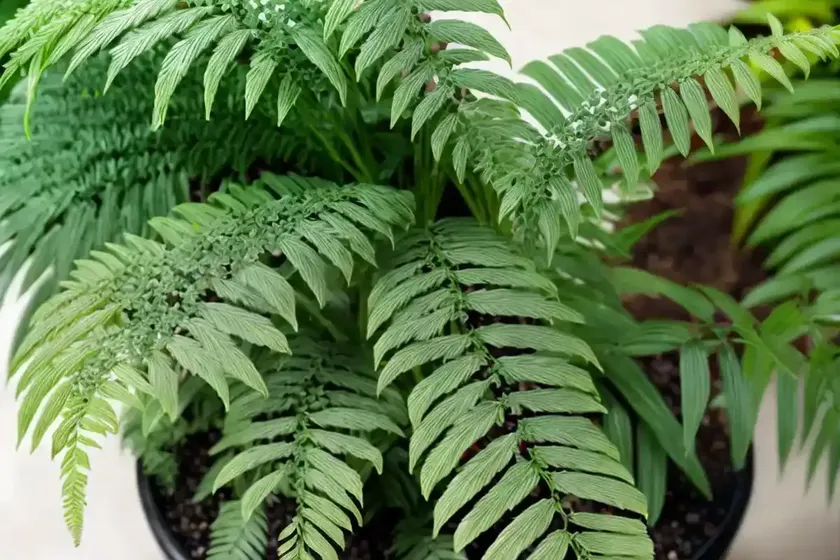
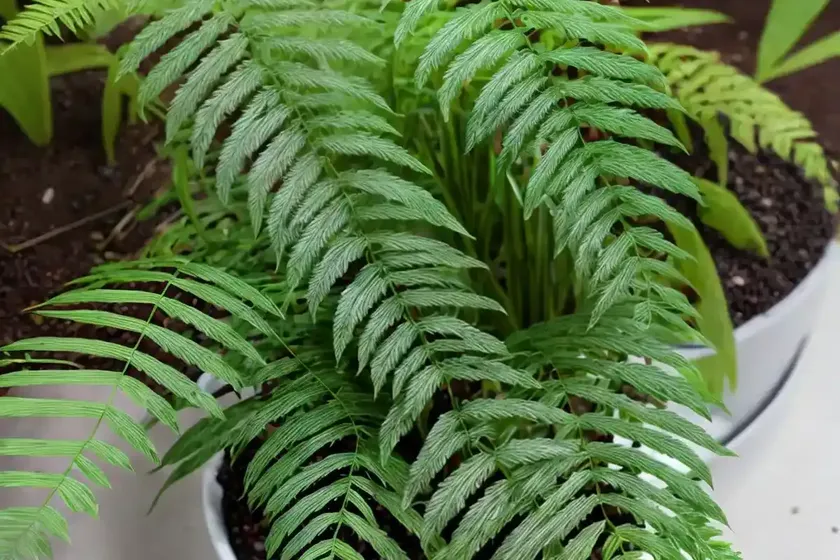
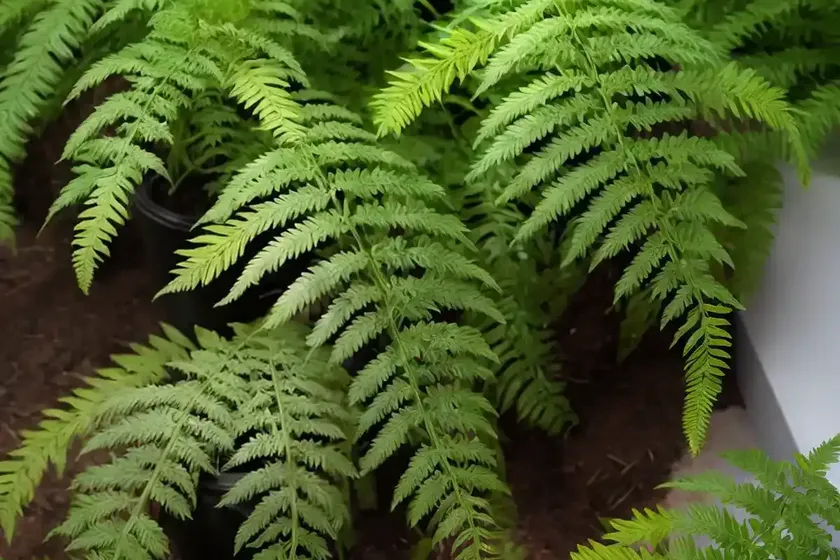
Plants have always captivated mankind with their beauty and diverse forms, and the Kimberly Queen fern (Nephrolepis obliterata) is no exception. With its elegant fronds and easy care requirements, this fern has become a popular choice for both indoor and outdoor settings. In this comprehensive guide, we will delve into the world of Kimberly Queen ferns, exploring everything from their cultural needs to their uses and unique characteristics.
What is a Plant?
Plants are multicellular organisms belonging to the kingdom Plantae. They are characterized by the presence of chlorophyll, which allows them to carry out photosynthesis, a process through which they convert light energy into chemical energy. This unique ability to harness energy from the sun makes plants essential to life on Earth, as they form the base of the food chain and produce oxygen as a byproduct of photosynthesis.
Plants come in a wide variety of forms, from towering trees to delicate ferns, each serving a specific ecological function and adding to the beauty of the natural world.
Kimberly Queen Fern (Nephrolepis obliterata)
The Kimberly Queen fern, scientifically known as Nephrolepis obliterata, is a striking fern species prized for its lush and upright fronds. Native to Australia, this fern has gained popularity around the world for its resilience, adaptability, and ornamental value.
Key Takeaways
Before we delve into the specifics of caring for the Kimberly Queen fern, let’s explore some key takeaways about this plant:
- Botanical Name: Nephrolepis obliterata
- Common Name: Kimberly Queen fern
- Characteristics: Lush, upright fronds, dark green foliage, moderate growth rate
- Light Requirements: Indirect, bright light
- Watering Needs: Regular, consistent moisture
- Soil Type: Well-draining, rich in organic matter
- Fertilization: Regular feeding during the growing season
- Propagation: Division of rhizomes
- Uses: Ornamental plant for both indoor and outdoor settings
- Common Diseases: Leaf spot, root rot
- Common Pests: Mealybugs, scale insects
With these key points in mind, let’s explore the specific care requirements and uses of the Kimberly Queen fern.
Culture
Understanding the cultural needs of the Kimberly Queen fern is essential for ensuring its health and vitality. From water and sunlight requirements to soil and fertilization, each aspect of the plant’s culture plays a crucial role in its overall well-being.
Water
Maintaining appropriate moisture levels is essential for the health of Kimberly Queen ferns. While they prefer consistently moist soil, it’s important to avoid waterlogging, as this can lead to root rot and other issues. Here are some key considerations for watering your Kimberly Queen fern:
- Frequency: Water the plant regularly, ensuring that the soil remains consistently moist.
- Water Quality: Use room temperature water to avoid shocking the plant’s roots.
- Drainage: Ensure that the pot or planting area has adequate drainage to prevent water from pooling around the roots.
Sunlight
Proper light exposure is crucial for the growth and development of Kimberly Queen ferns. While they thrive in bright, indirect light, they should be protected from direct sun, which can scorch their delicate fronds. Here’s what you need to know about providing the right amount of sunlight for your Kimberly Queen fern:
- Indoor Placement: Place the fern in a location with bright, indirect light, such as near a north- or east-facing window.
- Outdoor Placement: When grown outdoors, provide dappled or filtered sunlight to prevent leaf burn.
- Sun Sensitivity: Kimberly Queen ferns are sensitive to direct sun and should be shielded from intense light.
Fertilizer
Feeding your Kimberly Queen fern with the appropriate fertilizer is key to promoting healthy growth and vibrant foliage. As with any plant, it’s important to strike the right balance to avoid nutrient deficiencies or excesses. Consider the following when fertilizing your fern:
- Type: Use a balanced, water-soluble fertilizer formulated for ferns or indoor plants.
- Frequency: Feed the plant every 4-6 weeks during the growing season, reducing frequency in winter.
- Application: Dilute the fertilizer to half the recommended strength to prevent overfeeding.
Soil
The right soil composition is crucial for providing Kimberly Queen ferns with a suitable growing medium that supports their root health and overall growth. Opt for a well-draining, moisture-retentive mix rich in organic matter. Here’s what to keep in mind when selecting soil for your fern:
- Composition: Use a mix that combines peat moss, perlite, and well-rotted organic materials to provide adequate aeration and moisture retention.
- Acidity: Kimberly Queen ferns thrive in slightly acidic to neutral soil with a pH ranging from 6.0 to 7.0.
- Quality: Choose a high-quality potting mix specifically formulated for ferns or indoor plants.
Pruning
Pruning is an essential aspect of Kimberly Queen fern care, allowing you to maintain the plant’s shape, remove dead or yellowing fronds, and promote healthy growth. Proper pruning techniques can help enhance the overall appearance of the plant. Here’s how to approach pruning your Kimberly Queen fern:
- Dead Fronds: Regularly remove any yellow, brown, or dead fronds to maintain a tidy appearance and prevent disease.
- Maintenance Pruning: As needed, trim back any unruly or overgrown fronds to encourage a more compact growth habit.
- Tool Maintenance: Use clean, sharp pruners to make precise cuts and prevent the spread of disease.
Propagation
If you’re looking to expand your collection of Kimberly Queen ferns or share the joy of growing these graceful plants with others, propagation offers an exciting opportunity to create new individuals from existing ones. The primary method of propagating Nephrolepis obliterata is through division. Here’s a simple guide to propagating your Kimberly Queen fern:
- Carefully remove the parent plant from its container, gently unearthing the root system.
- Use a clean, sharp knife or shears to divide the plant into sections, ensuring that each division has healthy roots and several fronds.
- Replant each division in individual pots or directly in the garden, ensuring that the soil is kept consistently moist during the establishment phase.
Container Popularity
The Kimberly Queen fern’s versatility and adaptability make it a popular choice for container gardening. Whether displayed indoors or on patios and porches, these ferns add a touch of elegance to any setting. Here are some reasons why Kimberly Queen ferns are beloved for container cultivation:
- Aesthetic Appeal: The upright growth habit and lush fronds make the Kimberly Queen fern a visually captivating choice for containers.
- Space Efficiency: Compact and well-behaved, these ferns fit well in containers and can be grouped with other plants to create attractive arrangements.
- Indoor Versatility: Kimberly Queen ferns thrive as indoor container plants, providing a refreshing splash of greenery in homes and offices.
Common Diseases
Just like any other plant, Kimberly Queen ferns are susceptible to certain diseases that can affect their overall health and appearance. Recognizing the signs of common diseases and knowing how to address them is crucial for keeping your ferns in top condition. Here are some prevalent diseases that may affect Kimberly Queen ferns:
Disease Diagnosis
- Leaf Spot: Look for dark or water-soaked spots on the fronds, usually accompanied by yellowing or browning of the surrounding tissue.
- Root Rot: Monitor for wilting, yellowing, or stunted growth, particularly if the soil is consistently waterlogged.
- Gray Mold: Watch for fuzzy, grayish patches on the fronds, often accompanied by leaf wilting and collapse.
Common Pests
In addition to diseases, Kimberly Queen ferns may also face challenges posed by common pests. While these pests are generally manageable, early detection and appropriate intervention are key to preventing widespread infestations. Here are some pests that may trouble your Kimberly Queen ferns:
- Mealybugs: These small, cotton-like insects may appear on the fronds or in the soil, sucking sap and causing stunted growth.
- Scale Insects: Look for small, raised bumps on the fronds, signaling the presence of scale insects that can cause yellowing and wilting.
Botanist’s Tips
To further enhance your success in growing and caring for Kimberly Queen ferns, consider the following tips from seasoned botanists and plant enthusiasts:
- Consistent Moisture: Aim to maintain consistently moist soil to support the fern’s growth and prevent stress.
- Humidity: If growing the fern indoors, consider placing it on a humidity tray or near a humidifier to create the moist environment it prefers.
- Regular Inspection: Periodically check your Kimberly Queen fern for signs of pests, diseases, or nutrient deficiencies, addressing any issues promptly.
Fun Facts
To enrich your appreciation for the Kimberly Queen fern, here are a few fun and fascinating facts about this beloved plant:
- Historical Significance: The Kimberly Queen fern is named after Kimberly, the daughter of the plant breeder who developed the cultivar.
- Air-Purifying Qualities: Like many fern species, Kimberly Queen ferns are recognized for their ability to improve indoor air quality by filtering out pollutants.
- Longevity: When provided with the right care, Kimberly Queen ferns can live for many years, becoming cherished additions to indoor and outdoor spaces alike.
Links to External Resources
For additional information on Kimberly Queen ferns, including buying options, care guides, and community discussions, consider exploring the following resources:
- American Fern Society: Nephrolepis obliterata
- The Spruce: How to Grow and Care for Kimberly Queen Ferns
- Gardening Know How: Kimberly Queen Ferns: How To Care For A Kimberly Queen Fern
In conclusion, the Kimberly Queen fern (Nephrolepis obliterata) stands as a testament to the diverse beauty and resilience of plant life. With the right care and attention to its cultural needs, this fern can thrive and enrich any space with its lush foliage and graceful presence. Whether grown indoors or outdoors, the Kimberly Queen fern is a captivating addition to gardens, homes, and landscapes, offering a touch of natural elegance and tranquility.
By understanding and applying the principles of Nephrolepis obliterata care, plant enthusiasts can enjoy the visual appeal and air-purifying benefits of this beloved fern. As you embark on your journey of cultivating Kimberly Queen ferns, may the insights and tips shared in this guide serve as invaluable companions, nurturing a rewarding and fulfilling plant-keeping experience.


