Kiereweed (Pilea Depressa)
Plants have been a source of fascination and wonder for humanity throughout history. They provide food, oxygen, medicine, and aesthetic beauty to our.
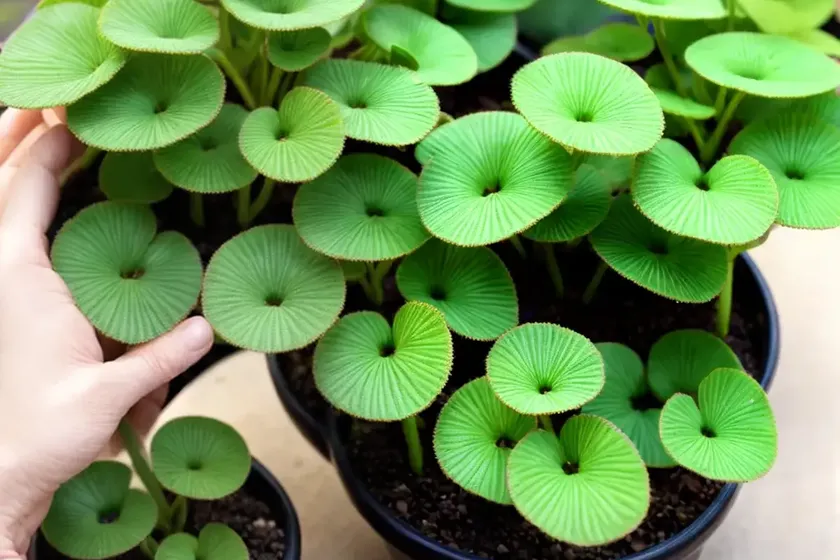
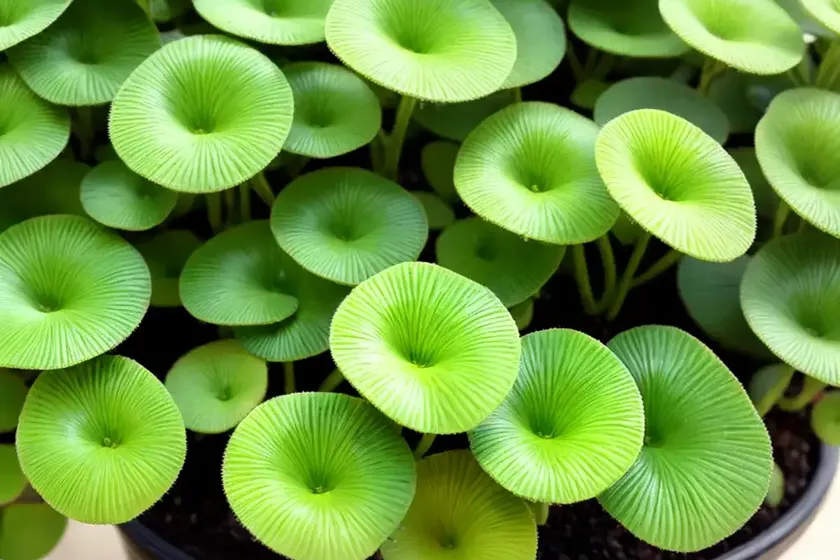
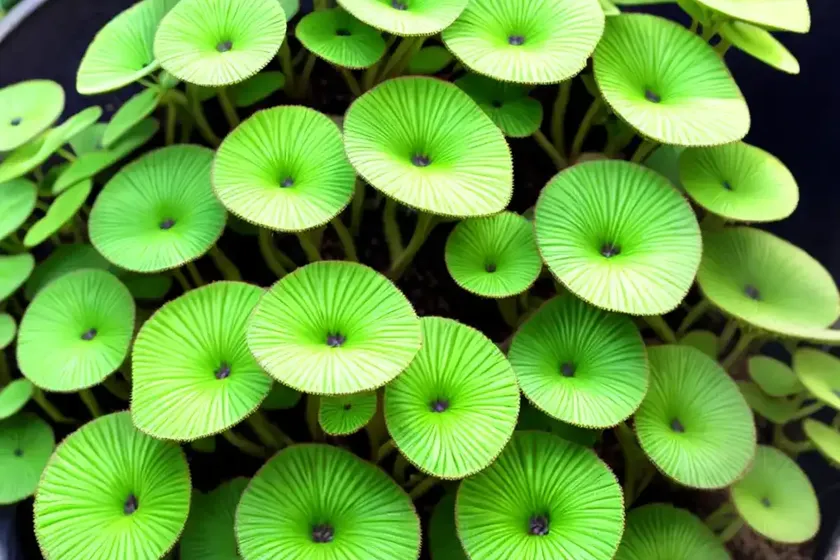
Plants have been a source of fascination and wonder for humanity throughout history. They provide food, oxygen, medicine, and aesthetic beauty to our world. In this comprehensive guide, we will delve into the enchanting world of Kiereweed (Pilea depressa). From its origins and cultivation to its uses, maintenance, and common diseases, this guide will equip you with a wealth of knowledge about this intriguing plant.
What is Kiereweed (Pilea depressa)?
Kiereweed, scientifically known as Pilea depressa, is a member of the Urticaceae family and is native to Central and South America. It is a low-growing, herbaceous perennial with delicate, round leaves that give it an attractive appearance. Kiereweed is popular for its ornamental value and is often cultivated as a houseplant due to its low maintenance requirements.
Key Takeaways – Kiereweed (Pilea depressa)
- Scientific Name: Pilea depressa
- Family: Urticaceae
- Native Habitat: Central and South America
- Popular Uses: Ornamental houseplant
- Key Traits: Low-growing, round leaves
Now that we have a basic understanding of what Kiereweed is, let’s explore the various aspects of its care and cultivation.
Culture
Water
Kiereweed thrives in consistently moist soil but is sensitive to overwatering. It is essential to maintain a balance – the soil should never become waterlogged, as this can lead to root rot, but it should also not be allowed to dry out completely. Regular, moderate watering, allowing the top inch of soil to dry between waterings, is ideal for Kiereweed.
Sunlight
As a forest-dwelling plant in its natural habitat, Kiereweed prefers bright, indirect light. While it can tolerate some dappled sunlight, exposure to direct, intense sunlight for prolonged periods should be avoided, as it can cause leaf scorching.
Fertilizer
During the growing season, which typically spans spring and summer, regular fertilization with a balanced, water-soluble fertilizer can promote healthy growth and vigorous foliage. It is advisable to dilute the fertilizer to half-strength to prevent overfeeding, which can lead to salt buildup in the soil.
Soil
Kiereweed thrives in well-draining, moisture-retentive, peat-based potting mix. The soil should be loose and airy to facilitate root development and prevent waterlogging.
Pruning
Pruning is an essential aspect of Kiereweed maintenance, as it helps to maintain a compact, bushy appearance and encourages new growth. Regularly removing dead or yellowing leaves, as well as pinching back leggy stems, can help promote the plant’s overall health and aesthetics.
Propagation
Kiereweed can be propagated through stem cuttings. Select a healthy, non-flowering stem, approximately 3-4 inches long, and place it in a water-filled container. Once roots have developed, the cutting can be transplanted into a suitable potting mix to establish a new plant.
Container Popularity
Given its compact size and ornamental appeal, Kiereweed is a popular choice for container gardening. Its low-growing nature and trailing habit make it well-suited for hanging baskets and decorative containers.
Common Diseases
Disease Diagnosis
Plant diseases can manifest in various ways, including discolored or spotted leaves, wilting, and stunted growth. Understanding the common diseases that affect Kiereweed is crucial for effective management and prevention.
Common Pests
Pests can pose a significant threat to the health and vitality of Kiereweed. Common pests that may infest this plant include aphids, spider mites, and mealybugs. Regular inspection and prompt treatment are essential for controlling pest infestations.
Botanist’s Tips
Fun Facts
- Kiereweed is also known as the “Depressed clearweed.”
- In its natural habitat, Kiereweed can be found on forest floors and in shady, moist areas.
Links to External Resources
For further information on Kiereweed care and cultivation, the following resources are highly recommended:
- The Complete Guide to Pilea Depressa Care
- Growing Pilea Depressa Indoors
- Pilea Depressa: A Beautiful Houseplant for Your Home
As we conclude this in-depth exploration of Kiereweed (Pilea depressa), it is evident that this plant holds a special place in the world of ornamental gardening. Its charming appearance, low maintenance requirements, and versatility make it a delightful addition to any indoor or outdoor space. By understanding and adhering to its specific care guidelines, plant enthusiasts can ensure the flourishing health and beauty of Kiereweed in their living spaces.


