Green Hellebore (Helleborus Viridis)
Green Hellebore (Helleborus viridis) is a stunning and versatile plant that is a must-have for any garden enthusiast. From its beautiful green flowers to.
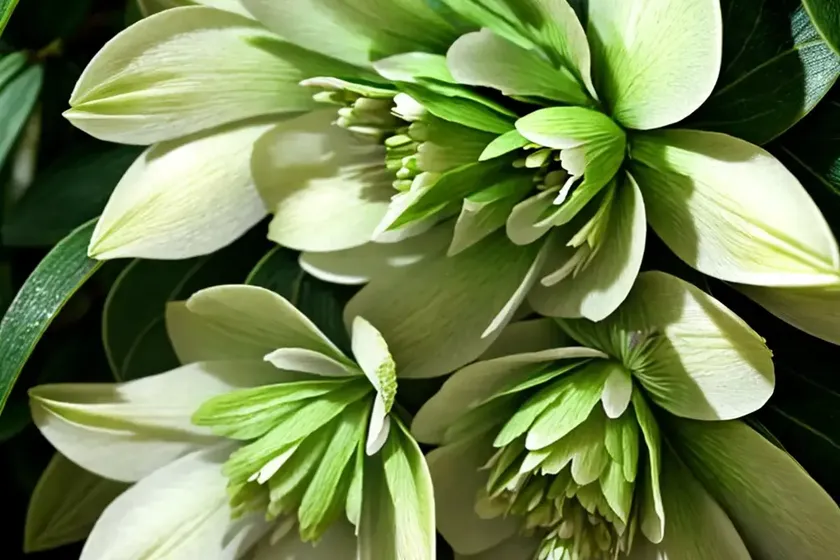
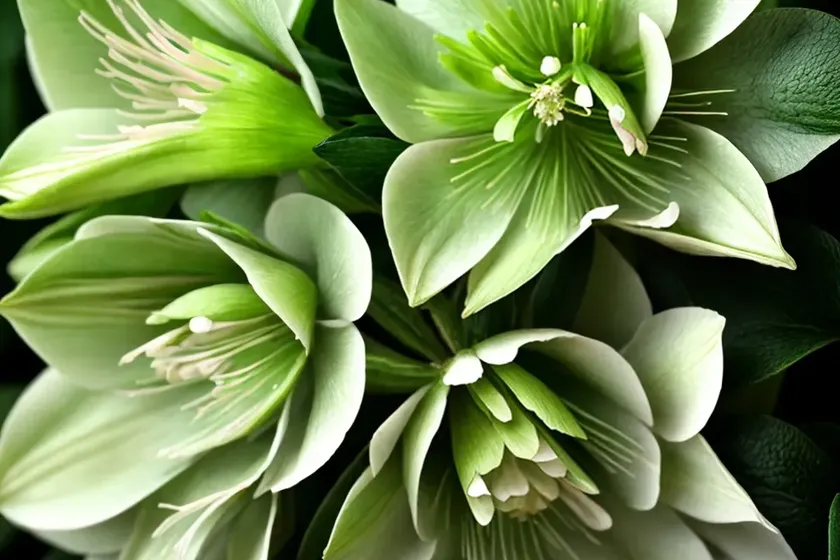
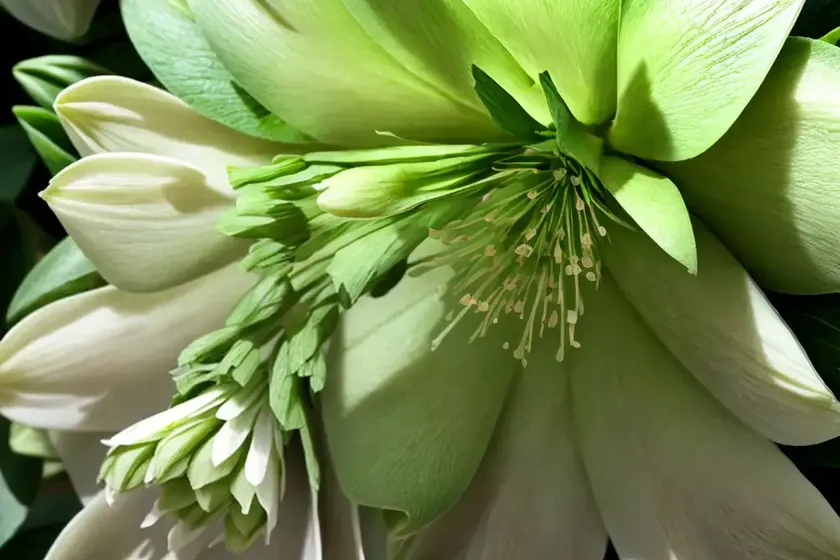
Green Hellebore (Helleborus viridis) is a stunning and versatile plant that is a must-have for any garden enthusiast. From its beautiful green flowers to its low-maintenance nature, Green Hellebore has become increasingly popular among gardeners. In this comprehensive guide, we will explore everything you need to know about Green Hellebore – from its cultivation and care to its ecological importance and folklore. Whether you are a novice or seasoned gardener, this guide will provide you with the knowledge and tips to successfully grow and care for Green Hellebore in your garden.
What is Green Hellebore (Helleborus viridis)?
Green Hellebore, scientifically known as Helleborus viridis, is a herbaceous perennial plant that belongs to the Ranunculaceae family. It is native to Europe, where it thrives in woodlands, thickets, and meadows. Green Hellebore is characterized by its attractive, nodding green flowers that bloom in late winter to early spring, often providing a welcome burst of color during the colder months.
The plant features deeply lobed, palmate leaves and can reach a height of about 12-18 inches, making it a perfect addition to woodland gardens, shaded borders, and containers. Green Hellebore is not only prized for its ornamental value but also for its ability to attract pollinators and its historical significance in folklore and traditional medicine.
Key Takeaways – Green Hellebore (Helleborus viridis)
Before diving into the specifics of cultivating and caring for Green Hellebore, let’s have a quick overview of the key takeaways associated with this captivating plant.
- Common Name: Green Hellebore
- Scientific Name: Helleborus viridis
- Family: Ranunculaceae
- Type: Herbaceous perennial
- Height: 12-18 inches
- Flowering Period: Late winter to early spring
- Native Habitat: Woodlands, thickets, meadows in Europe
Now, let’s explore the essential aspects of Green Hellebore cultivation and care.
Culture
Cultivating Green Hellebore involves understanding its specific cultural requirements, including water, sunlight, soil, and fertilizer needs. Proper cultural practices are essential for ensuring the health and vitality of the plant, leading to an abundance of beautiful green flowers.
Water
Green Hellebore thrives in moderately moist but well-drained soil. During the growing season, it is important to ensure that the plant receives regular watering, particularly during dry periods. However, it is equally crucial to avoid waterlogged conditions, as excessive moisture can lead to root rot. Once established, the plant exhibits good drought tolerance, making it suitable for low-maintenance landscapes.
Sunlight
Green Hellebore performs best in partial to full shade. It is well-suited for shaded borders, woodland gardens, and areas with dappled sunlight. While the plant can tolerate some morning sun, it is important to protect it from intense afternoon sunlight, especially in regions with hot summer climates. Sustained exposure to direct sunlight can lead to leaf scorch and adversely affect the plant’s overall health.
Fertilizer
When it comes to fertilizing Green Hellebore, a balanced, slow-release fertilizer can be applied in early spring as new growth emerges. This will provide the plant with the essential nutrients it needs for healthy development and prolific flowering. It is crucial to follow the recommended application rates to prevent over-fertilization, which can potentially harm the plant.
Soil
Green Hellebore thrives in humus-rich, well-drained soil with a slightly acidic to neutral pH. Amending the soil with organic matter, such as compost or well-rotted manure, can help improve soil structure and fertility, creating an optimal growing environment for the plant. Additionally, ensuring good soil drainage is essential for preventing waterlogged conditions, which can contribute to root diseases.
Pruning
As with many perennial plants, proper pruning is an important aspect of Green Hellebore maintenance. Pruning not only helps maintain the plant’s shape and appearance but also contributes to overall plant health and vigor. Here are some key pruning techniques to consider for Green Hellebore:
- Deadheading: Removing faded flowers can promote continuous blooming and prevent the plant from expending energy on seed production.
- Cutting back: In late winter or early spring, cutting back the old, tattered foliage helps stimulate new growth and rejuvenates the plant for the upcoming growing season.
Pruning tools should be kept clean and sharp to ensure precise cuts and minimize the risk of disease transmission. When performing any pruning activities, it is important to observe the plant’s growth habits and make cuts just above a healthy outward-facing leaf or bud to encourage proper regrowth.
Propagation
Green Hellebore can be propagated through various methods, including division, seed sowing, and tissue culture. Each propagation method has its own set of advantages and challenges. Here’s an overview of the common propagation techniques for Green Hellebore:
Division
Dividing mature Green Hellebore plants is a straightforward method of propagation that involves separating clumps into smaller sections and replanting them in suitable locations. Division is typically carried out in early spring when new growth begins to emerge, allowing the divided sections to establish themselves during the growing season.
Seed Sowing
Growing Green Hellebore from seed can be a rewarding but time-consuming process. Fresh seeds can be collected from the plant and sown in pots or seed trays filled with a well-draining growing medium. The seeds require a period of cold stratification before germination, mimicking the natural conditions they would experience in their native habitat.
Tissue Culture
Tissue culture, or micropropagation, involves the aseptic culture of plant cells, tissues, or organs in a nutrient-rich medium under controlled conditions. This method allows for the rapid multiplication of large numbers of identical plants from a small section of the parent plant, making it an efficient way to produce uniform, disease-free plantlets.
Container Popularity
Given its compact size and attractive foliage, Green Hellebore is well-suited for container gardening. The plant’s low-maintenance nature, combined with its ability to thrive in shaded conditions, makes it an excellent choice for adding interest and color to outdoor containers and shaded patios. When selecting containers for Green Hellebore, opt for spacious pots with adequate drainage holes to ensure proper soil aeration and moisture management.
Common Diseases
While Green Hellebore is relatively resistant to pests and diseases, it is important to be aware of the common issues that may affect the plant. By being proactive and implementing appropriate management strategies, it is possible to minimize the impact of these potential threats. Let’s explore some of the common diseases that may affect Green Hellebore.
Disease Diagnosis
-
Botrytis Blight
Symptoms: Gray mold on flowers and foliage, often in wet and humid conditions.
Management: Improve air circulation, avoid overhead watering, and remove affected plant parts to reduce disease spread. -
Crown Rot
Symptoms: Wilting, yellowing, and drooping of the plant due to rotting of the crown and roots.
Management: Ensure well-drained soil and avoid overwatering, remove and destroy affected plants to prevent spread. -
Powdery Mildew
Symptoms: White powdery patches on leaves and stems, often in humid conditions.
Management: Provide adequate air circulation, avoid overhead watering, and apply fungicidal sprays if necessary. -
Leaf Spot
Symptoms: Dark, water-soaked spots on leaves, leading to defoliation in severe cases.
Management: Remove and destroy affected leaves, ensure proper spacing to improve air circulation.
Common Pests
-
Aphids
Identification: Small, soft-bodied insects that cluster on the undersides of leaves, sucking plant juices.
Management: Use insecticidal soap, neem oil, or introduce natural predators to control aphid populations. -
Slugs and Snails
Identification: Slimy pests that feed on foliage and tender shoots during the night.
Management: Implement physical barriers, such as copper tape or diatomaceous earth, to protect plants from slugs and snails. -
Spider Mites
Identification: Tiny arachnids that cause stippling and webbing on the undersides of leaves.
Management: Increase humidity, spray plants with water to dislodge mites, and apply horticultural oils if infestations persist.
Botanist’s Tips
As a plant scientist with expertise in the realm of Green Hellebore, I would like to share some valuable tips for successfully growing and caring for this captivating plant. These insights are derived from years of observation, research, and hands-on experience with Helleborus viridis.
- Adequate Drainage: Ensuring proper soil drainage is vital for preventing root diseases and waterlogged conditions, particularly during the winter months.
- Seasonal Mulching: Applying a layer of organic mulch around the base of Green Hellebore helps conserve soil moisture and regulates soil temperature, contributing to overall plant health.
- Observation and Monitoring: Regularly inspecting the plant for signs of pests, diseases, and nutrient deficiencies enables early intervention and effective management.
Fun Facts
Green Hellebore is a plant steeped in history and folklore, with intriguing characteristics that add to its mystique. Uncover the hidden facets of this enigmatic plant with these fascinating fun facts.
- Medicinal Significance: Green Hellebore has a rich historical background in traditional medicine, where it was used for various therapeutic purposes, albeit with caution due to its toxic properties.
- Winter Interest: The evergreen nature of Green Hellebore, coupled with its early flowering period, makes it a valuable addition to winter gardens, providing interest and color during the colder months.
- Pollinator Magnet: The nodding flowers of Green Hellebore attract early-season pollinators, such as bees and flies, contributing to the ecological balance of the garden.
Links to External Resources
To further expand your knowledge and appreciation of Green Hellebore, I have curated a selection of external resources that delve deeper into various aspects of cultivation, folklore, and ecological significance of Helleborus viridis.
- Royal Horticultural Society – Helleborus viridis
- University of Wisconsin-Madison – Growing Hellebores in Wisconsin
- The Hardy Plant Society – Green Hellebore: An Unusual British Wildflower
Conclusion
In conclusion, Green Hellebore (Helleborus viridis) is an enchanting plant with a wealth of botanical, cultural, and ecological significance. By understanding and implementing the key cultivation and care practices outlined in this guide, you can embark on a rewarding journey of nurturing this resilient and captivating plant in your own garden. Whether you are drawn to its historical folklore, early spring blossoms, or ecological importance, Green Hellebore stands as a testament to the enduring allure of nature’s wonders.
With a harmonious blend of knowledge, passion, and respect, Green Hellebore can find its rightful place in your garden, adding a touch of timeless elegance and natural splendor.
As the season unfolds, may your Green Hellebore flourish, blossoming with vitality and grace, and may its presence bring joy and inspiration to your gardening endeavors.
Remember – in the realm of Green Hellebore, every leaf tells a story, and every flower whispers the secrets of the earth.
References
- “Helleborus viridis”. Plants for a Future. Available at: https://pfaf.org/user/Plant.aspx?LatinName=Helleborus+viridis
- “Helleborus viridis”. Missouri Botanical Garden. Available at: http://www.missouribotanicalgarden.org/PlantFinder/PlantFinderDetails.aspx?taxonid=268773&isprofile=0&
- “Hellebores: A Shade Gardener’s Dream”. University of Maryland Extension. Available at: https://extension.umd.edu/hgic/topics/hellebores-shade-gardeners-dream


