Kahili Ginger (Hedychium Gardnerianum)
Kahili Ginger, scientifically known as Hedychium gardnerianum, is a captivating tropical plant that captivates with its graceful form and enchanting.
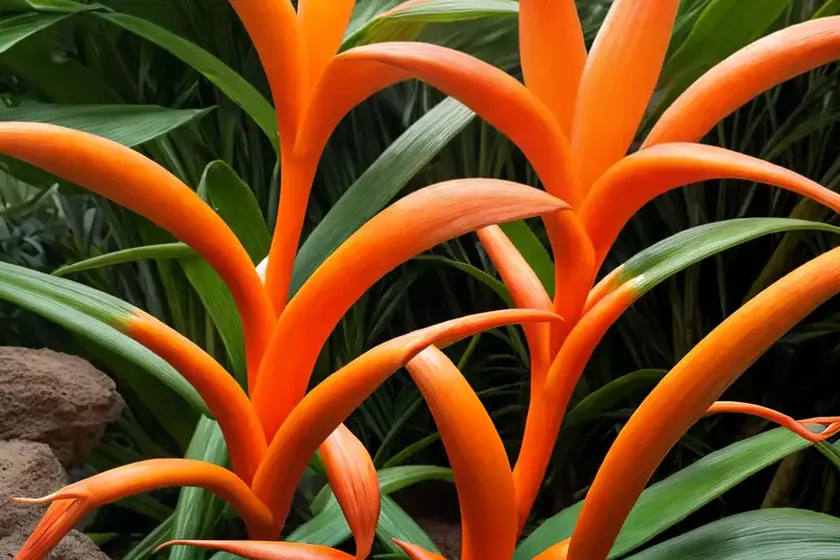
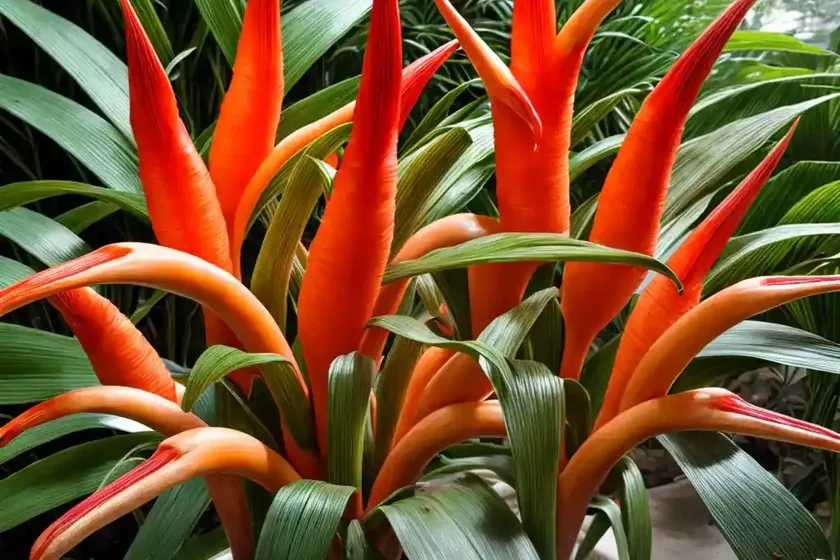
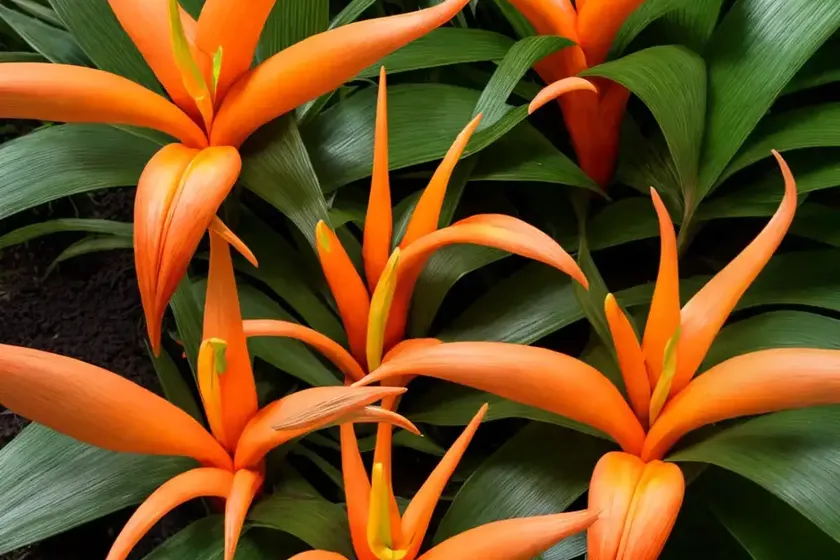
Kahili Ginger, scientifically known as Hedychium gardnerianum, is a captivating tropical plant that captivates with its graceful form and enchanting fragrance. Originating from the Eastern Himalayas, this species has found its way to various parts of the world, particularly the lush landscapes of Hawaii. With its lush, green foliage and vibrant, aromatic blooms, Kahili Ginger has become a popular choice for tropical gardens, bringing a touch of paradise to any landscape.
In this comprehensive guide, we will delve into the wonderful world of Kahili Ginger, exploring its cultivation, uses, benefits, and the best practices for its care. Whether you want to incorporate this elegant plant into your garden, or you’re already a proud owner of a Kahili Ginger specimen, this guide will provide valuable insights to help you nurture and enjoy this tropical treasure.
What is Kahili Ginger (Hedychium gardnerianum)?
Kahili Ginger, classified under the botanical name Hedychium gardnerianum, is a species of ornamental ginger known for its striking beauty and aromatic flowers. Belonging to the Zingiberaceae family, this plant has gained popularity not only for its aesthetic appeal but also for its versatile uses and benefits.
The name “Kahili” is derived from the Hawaiian word for the traditional feathered royal standards or regalia, denoting the plant’s majestic and regal presence. Native to the Eastern Himalayas, this species has made its way to various regions with favorable tropical and subtropical climates, where it thrives in lush landscapes, adding a touch of exotic allure.
Key Takeaways – Kahili Ginger (Hedychium gardnerianum)
Before delving into the details of cultivating and caring for Kahili Ginger, it’s essential to understand the key facets of this plant, including its cultural and environmental preferences, as well as its uses and benefits.
Culture
Kahili Ginger thrives in tropical and subtropical climates, where it can bask in the warmth and humidity of its natural habitat. It requires well-drained, fertile soil and benefits from regular watering and ample sunlight. The plant’s cultural needs play a crucial role in ensuring its health and vibrancy.
Uses
While prized for its ornamental value, Kahili Ginger also holds significance due to its versatile uses. From landscape embellishments to its role in traditional medicine, the plant offers a range of beneficial applications, making it a valuable addition to various settings.
Now, let’s explore the specific requirements and best practices for cultivating and caring for Kahili Ginger, including its needs for water, sunlight, fertilizer, soil, pruning, and propagation.
Water
Proper watering is essential for promoting healthy growth and vibrant blossoms in Kahili Ginger. Adequate moisture levels are crucial, especially during the plant’s active growing season. However, it’s equally important to avoid waterlogging, as excessive moisture can lead to root rot and other issues.
Watering Tips for Kahili Ginger:
- Regular Watering: Provide consistent moisture to the plant, particularly during warm and dry periods.
- Well-Draining Soil: Ensure that the soil has good drainage to prevent water accumulation around the roots.
- Avoid Waterlogging: Do not overwater, and allow the soil to dry out slightly between watering sessions.
Sunlight
Like many tropical plants, Kahili Ginger thrives in abundant sunlight, but it also appreciates some protection from harsh midday sun, especially in warmer climates. Finding the right balance of light exposure is crucial for the plant’s overall health and the development of its vibrant blooms.
Sunlight Requirements for Kahili Ginger:
- Partial Shade: Provide dappled sunlight or partial shade to shield the plant from intense midday sun.
- Filtered Light: Ideal for maintaining lush foliage and promoting flower production.
- Morning Sun: Position the plant where it can receive gentle morning sun, which is beneficial for its growth and flowering.
Fertilizer
A balanced and nutrient-rich fertilizer can significantly enhance the growth and blooming of Kahili Ginger. The plant benefits from regular feeding during its active growing period, as it requires essential nutrients to support its lush foliage and prolific flowers.
Fertilizing Recommendations for Kahili Ginger:
- Slow-Release Fertilizer: Consider using a slow-release fertilizer to provide a steady supply of nutrients over time.
- High-Potassium Fertilizer: Choose a fertilizer with a higher potassium content to promote robust flowering.
- Frequent Feeding: During the growing season, feed the plant regularly to support its vigor and blooming potential.
Soil
The right soil composition is pivotal for ensuring the optimal health and development of Kahili Ginger. Well-draining, fertile soil with a slightly acidic to neutral pH range is well-suited to the plant’s needs, allowing for proper root growth and nutrient uptake.
Soil Requirements for Kahili Ginger:
- Rich and Loamy Soil: Use well-draining soil that is rich in organic matter to provide a favorable growing medium for the plant.
- Acidic to Neutral pH: Aim for a soil pH range of around 6.0 to 7.0 for optimal nutrient availability and root health.
Pruning
Regular pruning and maintenance help to keep Kahili Ginger tidy and promote vigorous growth. Proper pruning also aids in controlling the plant’s size and shape, ensuring that it remains an attractive focal point in the garden or landscape.
Pruning Guidelines for Kahili Ginger:
- Remove Spent Blooms: Deadhead faded flowers to encourage continuous blooming and prevent seed formation.
- Trimming Suckers: Regularly thin out or trim excess growth to maintain the plant’s desired form.
- Prune After Flowering: Conduct pruning and maintenance tasks after the plant has finished flowering to shape and rejuvenate the foliage.
Propagation
Propagation allows for the expansion of Kahili Ginger populations and the creation of new plants, whether for personal enjoyment or commercial purposes. Understanding the propagation methods for this species can open up opportunities to propagate and share its beauty with others.
Propagation Techniques for Kahili Ginger:
- Division: Divide mature clumps of the plant to separate and replant individual rhizomes for propagation.
- Rhizome Cuttings: Take rhizome cuttings and root them in a suitable growing medium to establish new plants.
- Seed Propagation: Although less common, Kahili Ginger can also be grown from seeds, allowing for the propagation of new genetic variations.
Container Popularity
Kahili Ginger’s appeal extends to container gardening, where it can thrive in well-maintained pots, adding a touch of tropical elegance to patios, balconies, and indoor spaces. The plant’s adaptability to containers makes it a versatile choice for various settings and gardening preferences.
Benefits of Growing Kahili Ginger in Containers:
- Space Efficiency: Ideal for small or confined spaces, containers allow for the cultivation of Kahili Ginger in areas with limited garden space.
- Portability: Easy to move and reposition, making it convenient to adjust the plant’s placement based on sunlight and aesthetic preferences.
- Indoor Cultivation: Suited for indoor gardening, allowing plant enthusiasts to enjoy Kahili Ginger’s beauty within the comforts of their homes.
Common Diseases
While generally resilient, Kahili Ginger may encounter certain diseases and health issues that could affect its growth and appearance. Being aware of common diseases and their symptoms is essential for early detection and appropriate management.
Common Diseases in Kahili Ginger:
- Leaf Spot: Manifests as dark, circular spots on the leaves, often caused by fungal pathogens under conditions of high humidity.
- Root Rot: Excessive moisture and poor drainage can contribute to root rot, leading to yellowing and wilting of the foliage.
- Powdery Mildew: A white, powdery coating on the leaves may indicate an infestation of powdery mildew, particularly in conditions with reduced air circulation.
Disease Diagnosis
Prompt diagnosis and intervention are crucial for addressing potential diseases that may affect Kahili Ginger. Identifying the signs and symptoms of common diseases and disorders enables effective treatment and prevention measures to be implemented.
Signs of Disease in Kahili Ginger:
- Leaf Discoloration: Pay attention to any unusual discoloration or spotting on the leaves, which could indicate the presence of fungal infections or leaf spot diseases.
- Wilting or Drooping Foliage: Sudden wilting or drooping of the foliage, especially accompanied by yellowing, can signal underlying health issues such as root rot.
- Abnormal Growth Patterns: Stunted growth, distorted foliage, or the presence of powdery coatings may indicate the onset of diseases such as powdery mildew.
Common Pests
Like many plants, Kahili Ginger may fall victim to various pests that can compromise its health and vitality. Being aware of common pests and their characteristic signs helps in the early detection and control of infestations.
Common Pests Affecting Kahili Ginger:
- Aphids: These small, sap-sucking insects can cluster on the undersides of leaves, causing distortion and yellowing of the foliage.
- Spider Mites: While often challenging to spot due to their tiny size, spider mites can cause stippling and webbing on the foliage, leading to diminished plant vigor.
- Mealybugs: These cottony, soft-bodied insects can infest the plant, secreting honeydew and causing wilting and yellowing of the foliage.
Botanist’s Tips
Experts in the field of botany and tropical plant cultivation offer valuable insights and recommendations for successfully growing and caring for Kahili Ginger. Their tips encompass a wealth of knowledge and practical advice to support the optimal development of this captivating species.
Botanist’s Tips for Cultivating Kahili Ginger:
- Consistent Moisture: Maintain moderate, consistent moisture levels for the plant, ensuring that the soil does not become waterlogged.
- Balanced Fertilization: Use a balanced fertilizer with a focus on promoting flowering and robust growth without overstimulating excessive foliage development.
- Adequate Air Circulation: Promote good air circulation around the plant to reduce the risk of fungal diseases and pest infestations.
Fun Facts
Uncover intriguing and fascinating facts about Kahili Ginger, shedding light on its unique characteristics, cultural significance, and ecological roles. Learning more about the plant’s captivating attributes adds depth to the appreciation of its beauty and value.
Fascinating Tidbits about Kahili Ginger:
- Historical Significance: The name “Kahili” is rooted in Hawaiian cultural traditions, reflecting the plant’s historical and symbolic importance in the region.
- Aromatic Allure: The delightful fragrance of Kahili Ginger blossoms adds sensory delight to gardens and landscapes, attracting pollinators and enthusiasts alike.
- Ecological Impact: In addition to its ornamental appeal, Kahili Ginger plays a role in supporting local ecosystems, providing nectar and habitat for beneficial wildlife.
Links to External Resources
Explore further information and valuable resources related to Kahili Ginger, offering additional insights, tips, and perspectives on cultivating and appreciating this tropical gem.
- Tropical Gardening with Kahili Ginger – A Guide to Cultivation and Care
- The Fragrant World of Ginger Lilies: Growing Exotic Hedychiums
- Hedychium gardnerianum: A Guide to Cultivation and Propagation
- Ginger Lily Landscaping Ideas for Tropical Gardens
- Hawaiian Ginger: Traditions, Myths, and Uses
In conclusion, Kahili Ginger stands as a symbol of tropical elegance and botanical allure, gracing gardens and landscapes with its lush foliage and fragrant blooms. By understanding its cultural needs, uses, and maintenance requirements, plant enthusiasts can cultivate and appreciate the splendor of Kahili Ginger, embracing the timeless charm and natural beauty of this remarkable species.
Remember to check your local guidelines and regulations before planting Kahili Ginger, especially in regions where it is not native, to prevent any potential impact on local flora and ecosystems. With responsible cultivation and a deep appreciation for its captivating traits, Kahili Ginger continues to enchant and inspire, bringing a touch of paradise to diverse settings and botanical enthusiasts worldwide.


