Kaffir Lily Plant (Clivia miniata): A Comprehensive Guide
Plants are a fascinating and essential part of the natural world, providing oxygen, food, and a myriad of other resources necessary for life on Earth. Among the diverse array of plant species, the Kaffir Lily plant, scientifically known as Clivia miniata, stands out as a striking and popular ornamental plant. This comprehensive guide aims to provide a deep understanding of Kaffir Lily plants, including their cultivation, care, and diverse uses.
What is a Kaffir Lily Plant (Clivia miniata)?
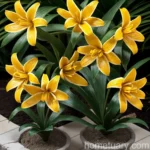
Clivia miniata, commonly referred to as the Kaffir Lily, is a flowering plant in the Amaryllidaceae family. Originating from South Africa, this evergreen perennial plant is renowned for its vibrant, trumpet-shaped flowers, which bloom in shades of orange, apricot, or yellow. The Kaffir Lily plant is well-suited for cultivation both indoors and outdoors, adding a touch of elegance and color to any environment.
Key Takeaways – Kaffir Lily Plant (Clivia miniata)
Before delving into the specific aspects of caring for Clivia miniata, it’s essential to understand the key takeaways of nurturing and appreciating this remarkable plant.
- Botanical Name: Clivia miniata
- Common Name: Kaffir Lily
- Family: Amaryllidaceae
- Plant Type: Perennial, Evergreen
- Native Habitat: South Africa
- Flower Colors: Orange, Apricot, Yellow
- Cultivation: Indoor and Outdoor
- Notable Features: Striking, trumpet-shaped flowers, Glossy, dark green leaves
Cultivation and Growing Kaffir Lily Plants
Successfully cultivating a Kaffir Lily plant involves a deep understanding of its specific requirements regarding water, sunlight, soil, fertilizer, and pruning. Additionally, knowledge about its propagation, preferable containers, and common diseases and pests is crucial for the plant’s overall health and well-being.
Watering Needs
Proper watering is essential for maintaining the health and vitality of Clivia miniata. It’s crucial to strike the right balance, as both overwatering and underwatering can be detrimental to the plant’s well-being. Here are essential guidelines for watering Kaffir Lily plants:
- Moderate and Consistent Watering: Clivia miniata prefers consistently moist soil, but it should never be waterlogged. Water the plant when the top inch of the soil is dry to the touch.
- Reduced Watering in Winter: During the colder months, reduce watering to prevent waterlogging and promote healthy root development.
Sunlight Requirements
As with most plants, Kaffir Lily plants have specific sunlight requirements necessary for their growth and flowering. Understanding these requirements is crucial for providing the ideal growing conditions:
- Filtered Sunlight: Clivia miniata thrives in bright, indirect light. Protect the plant from direct sun, especially during the hottest part of the day, as it can scorch the leaves.
- Partial Shade: While the plant can tolerate shade, it may result in reduced flowering.
Fertilization
Proper fertilization is essential for promoting robust growth and vibrant flowering in Kaffir Lily plants. Here are important fertilization guidelines:
- Balanced Fertilizer: Apply a balanced, water-soluble fertilizer monthly during the growing season (spring and summer).
- Reduced Fertilization in Winter: Reduce fertilization during the plant’s dormant period in winter to support natural growth cycles.
Soil Preferences
Clivia miniata thrives in well-draining, nutrient-rich soil. So, it’s crucial to understand the specific soil preferences for this plant:
- Moist, Well-Draining Soil: Use a well-draining potting mix rich in organic matter to ensure optimal growth.
- Slightly Acidic pH: Clivia miniata prefers slightly acidic soil with a pH range of 5.5 to 6.5.
Pruning
Proper pruning can enhance the overall appearance of Kaffir Lily plants and promote healthier growth. Key pruning tips include:
- Remove Dead or Yellowing Leaves: Regularly remove any dead or yellowing leaves to maintain the plant’s health and appearance.
- Post-Flowering Pruning: Prune flower stems once the blooms have faded to encourage new growth and future flowering.
Propagation
Propagation methods are vital for multiplying Kaffir Lily plants and expanding their presence in the garden or indoor space. Here are some common propagation techniques:
- Division: Propagate Clivia miniata through division, separating the offsets or divisions from the parent plant.
- Offset Planting: Plant the offsets in a well-draining potting mix to establish new plants.
Container Gardening and Popularity of Kaffir Lily Plants
Clivia miniata is popular for container gardening due to its ornamental value and adaptability to indoor environments. Understanding the ideal containers and their arrangement is crucial for successfully growing Kaffir Lily plants in pots or containers.
Container Preferences
Selecting the right containers for Kaffir Lily plants is vital for their growth and appearance. Here are some essential points to consider:
- Well-Draining Pots: Choose pots with drainage holes to prevent waterlogging and ensure proper root aeration.
- Size Considerations: Select a pot that allows for adequate root growth and provides stability to the growing plant.
- Indoor Versatility: Kaffir Lily plants thrive in indoor environments, making them popular choices for interior decoration and indoor gardening.
Common Diseases and Disease Diagnosis
Clivia miniata, like any other plant, is susceptible to certain diseases and health issues. Understanding these common diseases and their diagnosis is essential for timely intervention and effective management:
- Leaf Spot: Characterized by dark, water-soaked spots on the leaves. Treat with appropriate fungicides.
- Root Rot: Caused by overwatering and poorly draining soil. Identify and correct watering practices to prevent the condition.
Common Pests and Pest Control
Successful Kaffir Lily plant care includes vigilance against common pests that can affect their health and appearance. Here are some common pests and effective pest control measures:
- Spider Mites: These tiny pests can cause leaf damage. Treat with insecticidal soap or neem oil.
- Mealybugs: Identified by their cottony, white appearance, mealybugs can be controlled using alcohol-soaked cotton swabs.
Botanist’s Tips for Growing and Caring for Kaffir Lily Plants
To ensure the optimal growth and health of Clivia miniata, it’s important to keep in mind some expert tips and recommendations from botanists and experienced gardeners:
- Seasonal Adjustments: Adjust watering, fertilization, and light exposure based on the plant’s seasonal requirements.
- Regular Monitoring: Keep a close watch on the plant for signs of pests, diseases, or nutrient deficiencies.
Fun Facts about Kaffir Lily Plants
Understanding the fun and intriguing aspects of Kaffir Lily plants can further enhance appreciation for these beautiful ornamental plants:
- Symbolism: In some cultures, the Kaffir Lily symbolizes rebirth, renewal, and deep inner beauty.
- Wildlife Attraction: The vibrant flowers of Clivia miniata can attract pollinators like bees and butterflies, contributing to biodiversity in garden settings.
Links to External Resources
For more in-depth information on Kaffir Lily plants and related topics, explore the following external resources:
- Clivia miniata Care Guide – The Spruce
- Kaffir Lily Plant Care Tips – Gardening Know How
- Growing Clivia miniata Indoors – The Old Farmer’s Almanac
- Clivia miniata: Southern African Beauty – Missouri Botanical Garden
Plant Name: “Kaffir Lily Plant (Clivia miniata)”
The above content provides a comprehensive understanding of the Kaffir Lily plant, Clivia miniata, its various care requirements, and its significance as an ornamental addition to indoor and outdoor environments. By following the guidelines outlined in this guide, enthusiasts and gardeners can ensure the thriving growth and visual splendor of these enchanting plants.