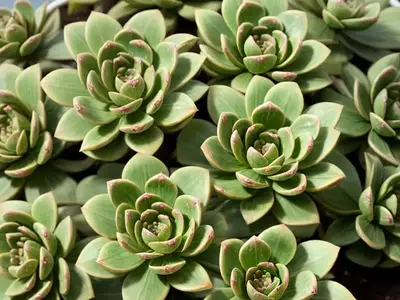
Housetree Leek (Aeonium Arboreum)
Plants are nature’s gift to humanity, adding beauty, tranquility, and life to our surroundings. They come in various shapes, sizes, and colors, each with.
Plants are nature’s gift to humanity, adding beauty, tranquility, and life to our surroundings. They come in various shapes, sizes, and colors, each with its unique attributes and maintenance requirements. One such fascinating plant is the Housetree Leek, scientifically known as Aeonium arboreum. In this comprehensive guide, we will delve into the world of Aeonium arboreum, exploring its culture, uses, care requirements, and much more. Whether you’re a seasoned indoor gardening enthusiast or a novice plant lover, this guide will equip you with the knowledge to successfully nurture and enjoy the captivating presence of the Housetree Leek in your home.
What is Housetree Leek (Aeonium arboreum)?
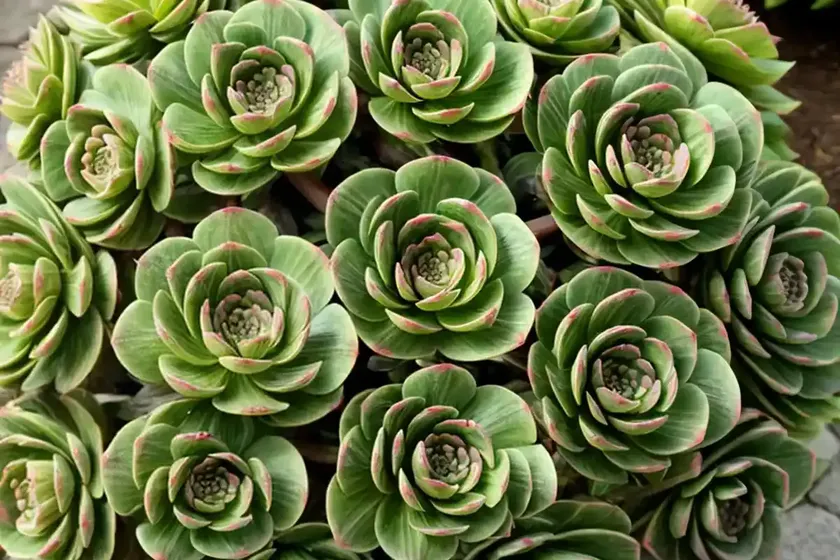
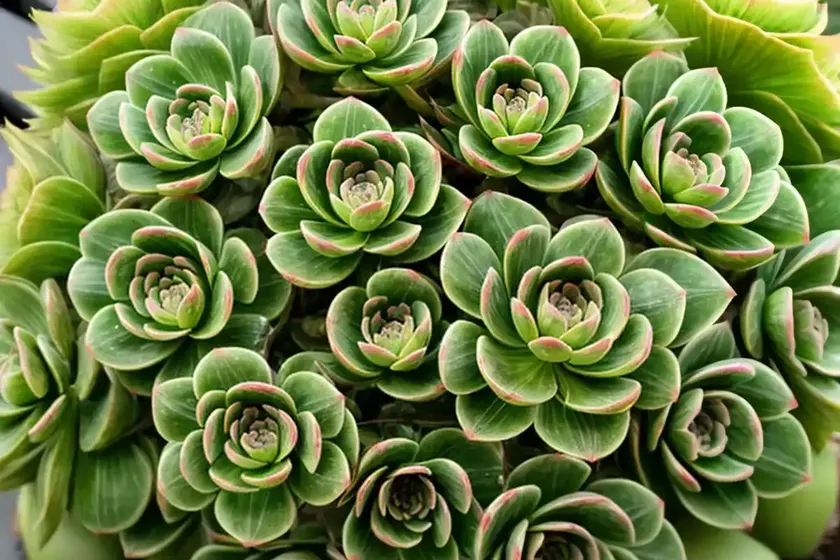
Aeonium arboreum, commonly referred to as Housetree Leek, is a species of succulent native to the Canary Islands. It belongs to the family Crassulaceae and is renowned for its striking rosettes of glossy, fleshy leaves and its architectural growth habit. The plant’s name is derived from the Greek word “aionos,” meaning “ageless,” and “arbor,” which translates to “tree.” This nomenclature aptly describes the perennial nature and tree-like form that mature specimens of Aeonium arboreum exhibit.
Key Takeaways – Housetree Leek (Aeonium arboreum)
Before we delve into the intricacies of caring for the Housetree Leek, let’s summarize some key takeaways about this fascinating plant.
- Botanical Name: Aeonium arboreum
- Common Name: Housetree Leek
- Type: Evergreen succulent
- Origin: Canary Islands
- USDA Hardiness Zones: 9-11
- Growth Habit: Tree-like, branching stems
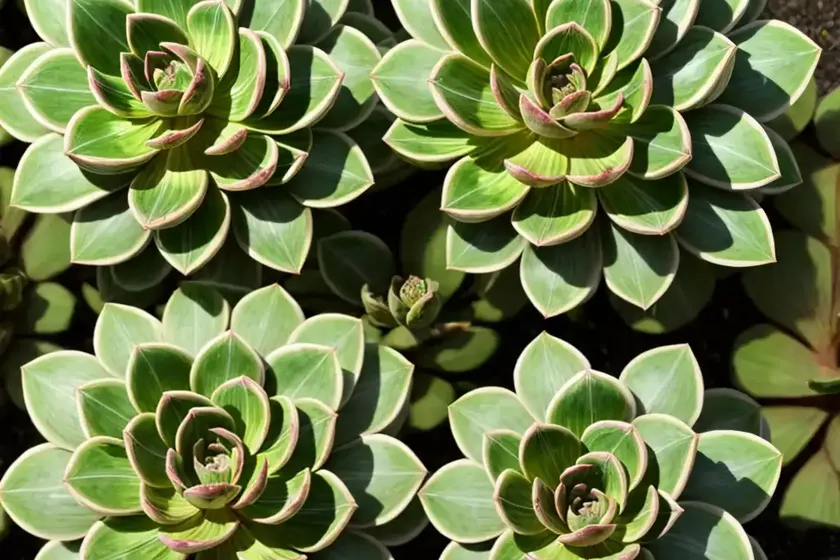
- Foliage: Rosettes of fleshy, lance-shaped leaves
- Flowers: Yellow, clustered at the ends of stems
- Uses: Ornamental, landscaping, and container gardening
- Special features: Drought tolerance, architectural form
Now that we have a foundational understanding of Aeonium arboreum, let’s embark on a journey to explore the various aspects of caring for this captivating succulent.
Culture
Uses
Housetree Leek (Aeonium arboreum) is cherished for its ornamental value and versatile uses in landscaping and container gardening. Here are some common uses of this captivating succulent:
- Landscaping: Aeonium arboreum is often utilized in xeriscaping and Mediterranean-style gardens, where its architectural form and drought tolerance make it an ideal choice for adding visual interest to the landscape.
- Container gardening: The compact nature of Housetree Leek makes it well-suited for container cultivation, allowing plant enthusiasts to enjoy its beauty on patios, balconies, and indoor spaces.
- Indoor decor: With its striking rosettes and minimal care requirements, Aeonium arboreum serves as an excellent addition to indoor plant collections, enhancing the aesthetic appeal of living spaces.
Water
Proper watering is crucial for the health and vitality of Aeonium arboreum. Being a succulent, it is adapted to withstand drought conditions, but it still requires regular watering to thrive. Here are some essential considerations for watering the Housetree Leek:
- Frequency: Water Aeonium arboreum when the top inch of the soil becomes dry during active growth periods, typically in spring and fall. In winter, reduce watering to prevent waterlogged soil.
- Watering technique: Apply water directly to the soil around the base of the plant, ensuring that the water reaches the root zone. Avoid wetting the foliage excessively, as this can predispose the plant to fungal diseases.
- Drainage: Ensure that the container or planting site provides adequate drainage to prevent water from stagnating around the roots.
Sunlight
Proper sunlight exposure is essential for the healthy growth and development of Aeonium arboreum. Understanding the sunlight requirements of the Housetree Leek can help you provide an optimal growing environment for this striking succulent:
- Light intensity: Aeonium arboreum thrives in bright, indirect light, making it well-suited for placement near east- or west-facing windows indoors or in partially shaded outdoor areas.
- Indoor placement: For indoor cultivation, position the plant in a location that receives ample natural light, such as a bright room or a sunroom. Avoid placing it in direct, intense sunlight, especially during the peak hours of the day, as this can lead to sunburn on the leaves.
- Outdoor placement: When grown outdoors, provide partial shade in regions with intense sun exposure to prevent leaf scorching, particularly during the hottest part of the day.
Fertilizer
Appropriate fertilization can significantly impact the growth and flowering of Aeonium arboreum. While this succulent does not have high fertilizer demands, providing it with essential nutrients can optimize its overall health. Here are some fertilizer-related tips for cultivating the Housetree Leek:
- Fertilizer type: Use a balanced, water-soluble fertilizer formulated for succulents and cacti. Alternatively, opt for a specialized succulent fertilizer with a balanced NPK ratio.
- Application frequency: Apply fertilizer to Aeonium arboreum once every 2-3 months during the growing season, starting in early spring and concluding in late summer. Refrain from fertilizing in fall and winter when the plant’s growth slows down.
- Dilution and application: Dilute the chosen fertilizer to half or a quarter of the recommended strength and apply it to the damp soil around the plant. Avoid direct contact with the foliage to prevent potential burns.
Soil
The quality and composition of the growing medium play a pivotal role in the successful cultivation of Aeonium arboreum. By providing an appropriate soil mix, you can create an environment that promotes healthy root development and overall plant vigor. Consider the following soil-related recommendations for the Housetree Leek:
- Well-draining mix: Choose a well-draining soil mix tailored for succulents and cacti, or create a custom blend using components such as coarse sand, perlite, and well-rotted organic matter.
- pH level: Aim for a slightly acidic to neutral pH range (6.0-7.0) in the soil, as Aeonium arboreum thrives in moderately acidic to slightly alkaline conditions.
- Container choice: If growing Aeonium arboreum in containers, ensure that the pots have drainage holes to prevent waterlogging, and fill them with the recommended well-draining soil mix.
Pruning
Pruning is an essential aspect of Aeonium arboreum maintenance, allowing you to manage its size, shape, and overall appearance. Proper pruning practices can also encourage branching and a more compact growth habit. Here’s how you can approach pruning the Housetree Leek effectively:
- Deadheading spent blooms: Remove faded flower clusters to redirect the plant’s energy towards growth and the production of new foliage.
- Stem pruning: To control the height and shape of Aeonium arboreum, prune back overgrown or leggy stems. Use clean, sharp pruning shears to make precise cuts just above a leaf node or joint.
- Trimming of damaged leaves: Periodically inspect the plant for damaged or withered leaves and trim them back to maintain a tidy and healthy appearance.
Propagation
The ability to propagate Aeonium arboreum allows plant enthusiasts to expand their collection and share the beauty of this succulent with others. Propagation is an exciting aspect of plant care, and the following methods are commonly used for propagating the Housetree Leek:
- Stem cuttings: Take 3-6 inch stem cuttings from the parent plant, allow them to air dry for a day to form a callus, and then plant them in a well-draining propagation medium. Keep the soil consistently moist and provide bright, indirect light.
- Offshoot division: Mature Aeonium arboreum specimens often produce offsets or offshoots around the base of the plant. Gently separate these offsets from the parent plant and transplant them into individual containers or suitable growing sites.
Container Popularity
The compact growth habit and ornamental appeal of Aeonium arboreum make it a popular choice for container gardening. Whether grown indoors or on outdoor patios, the Housetree Leek can thrive in containers if provided with the right growing conditions. Here are some insights into the popularity of growing Aeonium arboreum in containers:
- Indoor versatility: Aeonium arboreum makes an excellent indoor plant due to its compact size, architectural form, and minimal care requirements. It can be showcased in decorative pots and planters to add a touch of nature to interior spaces.
- Outdoor adornment: When grown in outdoor containers, Housetree Leek can elevate the visual appeal of patios, decks, and balconies. Grouping containers with different Aeonium arboreum varieties can create stunning displays of foliage and form.
Common Diseases
While Aeonium arboreum is relatively resistant to diseases, it can occasionally fall prey to certain common plant ailments, particularly when grown in unsuitable conditions. Being vigilant and proactive in disease management can help safeguard the health of the Housetree Leek. Here are some common diseases that can affect Aeonium arboreum:
- Root rot: Prolonged exposure to excessively wet or waterlogged soil can lead to root rot in Aeonium arboreum. To prevent this, ensure proper drainage and moderate watering practices.
- Powdery mildew: Humid and poorly ventilated growing conditions can foster the development of powdery mildew on the foliage of Aeonium arboreum. Improve air circulation and avoid overhead watering to mitigate this issue.
Disease Diagnosis
Diagnosing plant diseases accurately is crucial for implementing targeted treatment strategies and preventing the spread of infections. When assessing the health of Aeonium arboreum, pay attention to the following signs and symptoms that may indicate the presence of diseases:
- Yellowing or browning of leaves: Discoloration of the foliage, particularly in the absence of water or sunlight stress, can indicate underlying disease issues.
- Wilting and drooping: Sudden or persistent wilting of the plant, despite appropriate watering, can be a sign of root-related diseases such as rot.
- Powdery, fuzzy growth: The appearance of white or grayish patches on the leaves and stems may indicate the presence of powdery mildew or other fungal infections.
If you observe any unusual or concerning symptoms on your Housetree Leek, consider consulting with a plant health specialist or extension service for accurate diagnosis and treatment recommendations.
Common Pests
In addition to diseases, Aeonium arboreum can be vulnerable to certain pests that may target its foliage, stems, or roots. Recognizing and addressing pest infestations in a timely manner is essential for preserving the health and beauty of the Housetree Leek. Here are some common pests that may affect Aeonium arboreum:
- Aphids: These small, soft-bodied insects may cluster on the undersides of the leaves, feeding on plant sap and excreting honeydew. They can distort new growth and serve as vectors for plant viruses.
- Mealybugs: Mealybugs are white, cottony insects that tend to congregate in leaf axils and other concealed areas. Their feeding can weaken the plant and lead to stunted growth.
- Spider mites: These minuscule pests may cause stippling, discoloration, and webbing on the foliage of Aeonium arboreum, affecting its overall vigor and appearance.
Botanist’s Tips
To ensure the successful cultivation of Aeonium arboreum and the enjoyment of its captivating presence, consider the following botanist’s tips:
- Moderation in watering: Practice moderation in watering, allowing the top layer of the soil to dry out before watering again. This helps prevent water-related issues such as root rot.
- Accommodate its growth habit: Recognize and appreciate the tree-like growth habit of mature Aeonium arboreum specimens. Ensure that they have adequate space to develop their branching structure without crowding or obstruction.
Fun Facts
To further appreciate the allure and uniqueness of Aeonium arboreum, here are some fun facts about the Housetree Leek:
- Architectural elegance: Mature specimens of Aeonium arboreum exhibit an architectural and tree-like growth habit, making them appear like living sculptures in the garden or indoor spaces.
- Seasonal color changes: During periods of stress or environmental changes, Aeonium arboreum can exhibit dramatic shifts in leaf coloration, ranging from green to red, purple, or even black.
Links to External Resources
For additional insights into the care and cultivation of Aeonium arboreum, consider exploring the following external resources:
- The Royal Horticultural Society (RHS) Guide to Aeonium
- University of California, Riverside – Botany and Plant Sciences
- Missouri Botanical Garden – Plant Finder: Aeonium
- Gardening Know How – Aeonium Care: Tips For Growing Aeonium Plants
With the comprehensive knowledge and insights provided in this guide, you are well-equipped to embark on a rewarding journey of nurturing and appreciating the captivating presence of the Housetree Leek (Aeonium arboreum). Whether you’re venturing into indoor gardening with succulents or seeking to enhance your outdoor landscape, Aeonium arboreum offers an enchanting addition to any plant collection or garden setting.
Remember, embracing the unique characteristics and care requirements of Aeonium arboreum will enable you to create an environment where this remarkable succulent can thrive and bring joy through its timeless elegance and enduring beauty.
As you embark on your journey to care for and appreciate the captivating presence of the Housetree Leek (Aeonium arboreum), remember to embrace the uniqueness and timeless elegance of this remarkable succulent. With its striking rosettes and tree-like growth habit, Aeonium arboreum promises to bring a touch of nature and tranquility to your surroundings—indoors or out. Happy gardening!