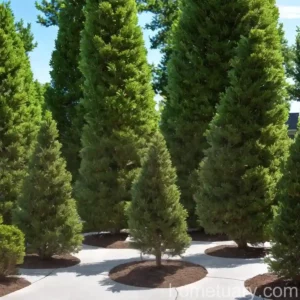
Juniperus Communis ‘Green Carpet’ (Common Juniper)
Juniperus communis ‘Green Carpet’, commonly known as the Common Juniper, is a low-growing evergreen shrub that belongs to the cypress family, Cupressaceae. This plant is renowned for its sprawling, ground-hugging habit, making it an excellent choice for a variety of landscape uses, such as ground cover, erosion control, and rock gardens. The ‘Green Carpet’ variety is appreciated for its compact form, low maintenance requirements, and its ability to thrive in diverse environmental conditions.
In this comprehensive guide, we will delve into the various aspects of cultivating and caring for Juniperus communis ‘Green Carpet’, its cultural requirements, practical uses, disease prevention, and much more. Whether you are a seasoned gardener or a newbie plant enthusiast, this guide will provide you with valuable insights into the successful cultivation of this versatile and attractive plant.
Let’s explore the intricate details of Juniperus communis ‘Green Carpet’ and learn how to enhance your outdoor spaces with this captivating evergreen.
Key Takeaways
Before we dive deeper into the specifics of Juniperus communis ‘Green Carpet’, let’s highlight some key takeaways that will guide our exploration further:
- Cultural Uses – Understanding the diverse applications of Juniperus communis ‘Green Carpet’ in landscaping and horticulture.
- Water – Exploring the water requirements and drought tolerance of this plant.
- Sunlight – Determining the optimal sunlight conditions for the healthy growth of ‘Green Carpet’.
- Fertilizer – Unveiling the fertilizer needs and soil pH preferences of Juniperus communis ‘Green Carpet’.
- Soil – Analyzing the soil requirements and seasonal changes affecting the plant’s growth.
- Pruning – Delving into effective pruning techniques to maintain the desired shape and form of the plant.
- Propagation – Exploring the propagation methods for multiplying Juniperus communis ‘Green Carpet’.
- Container Popularity – Understanding the increasing trend of cultivating this plant in containers.
- Common Diseases – Identifying prevalent diseases and effective disease prevention strategies.
- Common Pests – Recognizing potential pest threats and implementing insect control measures.
Now that we have outlined the key focal points of our discussion, let’s embark on an informative journey to uncover the intricacies of Juniperus communis ‘Green Carpet’ and its cultivation requirements.
What is Plant: Juniperus communis ‘Green Carpet’ (Common Juniper)
Juniperus communis ‘Green Carpet’, commonly referred to as Common Juniper, is a durable and adaptable evergreen shrub known for its ground-hugging habit and dense, low-growing foliage. This versatile plant is native to the northern hemisphere, including regions of North America, Europe, and Asia. The ‘Green Carpet’ variety is highly valued for its ornamental appeal, compact form, and suitability for a wide range of landscape applications.
The Common Juniper exhibits scale-like green foliage that forms a dense mat, spreading horizontally to create an attractive carpet-like effect. The foliage retains its vibrant green color throughout the year, providing year-round interest and visual appeal to varied outdoor settings. As a dioecious plant, male and female reproductive structures are borne on separate individuals, with blue-black berry-like fruit produced exclusively on female plants.
The adaptable nature of Juniperus communis ‘Green Carpet’ enables it to thrive in different environmental conditions, including coastal areas, rocky terrain, and sandy soils. Its resilience to harsh weather, coupled with its low maintenance requirements, makes it an excellent choice for both residential and commercial landscapes. Whether used as a ground cover, erosion control measure, or in rock gardens, this evergreen shrub adds a touch of elegance and functionality to outdoor spaces.
Now that we have acquainted ourselves with the basic characteristics of Juniperus communis ‘Green Carpet’, let’s delve into the detailed cultural requirements, practical uses, and maintenance techniques associated with this captivating plant.
Culture
Understanding the cultural requirements of Juniperus communis ‘Green Carpet’ is essential for ensuring its successful cultivation and long-term vitality. Let’s explore the key cultural aspects, including its water needs, sunlight preferences, soil requirements, and desired maintenance practices.
Uses
Juniperus communis ‘Green Carpet’ is valued for its diverse applications in landscaping and horticulture. Its low-growing, spreading habit and evergreen foliage make it a versatile addition to various outdoor settings. Some of the notable cultural uses of Juniperus communis ‘Green Carpet’ include:
- Ground Cover – Its sprawling growth habit makes it an effective ground cover, offering erosion control and weed suppression benefits.
- Rock Gardens – The compact form and evergreen qualities of ‘Green Carpet’ make it an ideal choice for rock gardens, adding texture and visual interest.
- Erosion Control – The dense, mat-forming nature of the plant makes it suitable for stabilizing soil on slopes and preventing erosion.
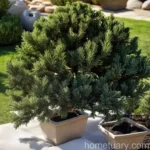
- Container Gardening – Juniperus communis ‘Green Carpet’ can be grown in containers, adding ornamental value to patios, balconies, and other outdoor spaces.
Water
Understanding the water requirements of Juniperus communis ‘Green Carpet’ is crucial for maintaining its health and vigor. While this plant exhibits good drought tolerance once established, adequate moisture is essential during its initial establishment phase. Here are some key points to consider regarding the water needs of ‘Green Carpet’:
- Establishment Period – Newly planted Juniperus communis ‘Green Carpet’ should be watered regularly to facilitate root establishment and growth.
- Drought Tolerance – Once established, ‘Green Carpet’ demonstrates resilience to dry conditions, requiring minimal supplemental watering during periods of drought.
- Soggy Soil Avoidance – Ensuring well-draining soil and avoiding waterlogged conditions is essential for preventing root rot and other moisture-related issues.
Sunlight
Optimal sunlight conditions play a pivotal role in the healthy growth and development of Juniperus communis ‘Green Carpet’. Understanding the sunlight preferences of this plant is essential for selecting suitable planting locations and ensuring its overall well-being. Here are some key considerations regarding the sunlight requirements of ‘Green Carpet’:
- Full Sun to Partial Shade – Juniperus communis ‘Green Carpet’ thrives in full sun exposure, exhibiting the best growth and foliage density under these conditions.
- Shade Tolerance – While ‘Green Carpet’ prefers full sun, it also demonstrates tolerance to partial shade, making it a versatile option for various outdoor environments.
When choosing a planting site for Juniperus communis ‘Green Carpet’, prioritizing locations with adequate sunlight exposure will contribute to its vigorous growth and lush foliage.
Fertilizer
Understanding the fertilizer requirements of Juniperus communis ‘Green Carpet’ is crucial for providing it with the necessary nutrients for robust growth and vitality. While this plant is relatively low-maintenance, supplementing it with appropriate fertilization can enhance its overall health and appearance. Here are some key points to consider regarding the fertilizer needs of ‘Green Carpet’:
- Balanced Fertilizer – Using a balanced, slow-release fertilizer formulated for evergreen shrubs can provide Juniperus communis ‘Green Carpet’ with essential nutrients.
- Application Timing – Fertilize ‘Green Carpet’ in early spring before the onset of new growth to support its seasonal development and vigor.
- Avoid Overfertilization – Excessive fertilization should be avoided, as it can lead to adverse effects and damage the plant’s health.
Providing Juniperus communis ‘Green Carpet’ with a well-balanced fertilizer regimen in accordance with its seasonal growth patterns can promote its overall vigor and longevity.
Soil
The soil requirements of Juniperus communis ‘Green Carpet’ play a crucial role in its successful cultivation and sustained health. Understanding the preferred soil characteristics and making appropriate amendments can significantly impact the plant’s growth and vitality. Here are some key considerations regarding the soil requirements of ‘Green Carpet’:
- Well-Draining Soil – Juniperus communis ‘Green Carpet’ thrives in well-draining soil, avoiding waterlogged conditions that can lead to root rot and other moisture-related issues.
- pH Preferences – ‘Green Carpet’ prefers slightly acidic to neutral soil pH, ranging from 6.0 to 7.0, for optimal nutrient uptake and overall health.
- Soil Amendments – Incorporating organic matter into the soil at the time of planting can improve its structure, drainage, and nutrient content, benefitting the growth of Juniperus communis ‘Green Carpet’.
By ensuring well-draining, slightly acidic soil conditions, gardeners can create an optimal growing environment for Juniperus communis ‘Green Carpet’.
Pruning
Pruning is an essential aspect of maintaining the desired shape, form, and density of Juniperus communis ‘Green Carpet’. By employing effective pruning techniques, gardeners can enhance the plant’s aesthetic appeal, control its size, and rejuvenate its growth. Here are some key points to consider regarding the pruning of ‘Green Carpet’:
- Pruning Frequency – ‘Green Carpet’ typically requires minimal pruning, with selective removal of dead or damaged growth and occasional shaping to maintain its desired form.
- Pruning Tools – Using sharp, clean pruning shears or hedge trimmers is essential for achieving precise cuts and preventing damage to the plant’s foliage.
- Pruning Technique – When pruning Juniperus communis ‘Green Carpet’, focus on selectively removing specific branches to maintain its compact, ground-hugging form while avoiding excessive shaping that can compromise its natural beauty.
Employing thoughtful and precise pruning practices will help maintain the attractive form and density of Juniperus communis ‘Green Carpet’, contributing to its long-term visual appeal.
Propagation
Understanding the propagation methods of Juniperus communis ‘Green Carpet’ is valuable for multiplying this plant and creating new specimens for various landscape applications. Whether through seeds, cuttings, or division, effective propagation techniques can expand the presence of ‘Green Carpet’ in outdoor environments. Here are some key considerations regarding the propagation of ‘Green Carpet’:
- Seed Propagation – While possible, propagating Juniperus communis ‘Green Carpet’ from seeds requires patience and specific environmental conditions for successful germination and establishment.
- Cutting Propagation – Propagating ‘Green Carpet’ from semi-hardwood or hardwood cuttings can be an effective method for creating new plants, especially for individuals with desirable traits or characteristics.
- Division – Dividing established clumps of Juniperus communis ‘Green Carpet’ can yield multiple plants, allowing for the expansion of its presence in the landscape.
By employing suitable propagation techniques, gardeners can multiply Juniperus communis ‘Green Carpet’ and incorporate it into a variety of outdoor settings, further enhancing its ornamental and functional value.
Container Popularity
The increasing trend of cultivating Juniperus communis ‘Green Carpet’ in containers highlights its versatility and aesthetic appeal as a container plant. The compact form, low maintenance requirements, and evergreen nature of ‘Green Carpet’ make it an attractive choice for container gardening in various outdoor spaces. Some key points to consider regarding the container popularity of Juniperus communis ‘Green Carpet’ include:
- Ornamental Value – ‘Green Carpet’ adds visual interest and texture to outdoor containers, enhancing patios, balconies, and other living spaces.
- Portability – The ability to move container-grown ‘Green Carpet’ allows for flexible placement and design options in the outdoor environment.
- Low Maintenance – Juniperus communis ‘Green Carpet’ exhibits low water and maintenance requirements, making it well-suited for container cultivation.
By leveraging the popularity of container gardening, gardeners can incorporate the ornamental and functional qualities of Juniperus communis ‘Green Carpet’ into diverse outdoor settings, extending its reach and visual impact.
Now that we have delved into the cultural uses of Juniperus communis ‘Green Carpet’, let’s transition to exploring its disease prevention, common pests, and botanist’s tips for successful cultivation.
Common Diseases
Despite its overall resilience, Juniperus communis ‘Green Carpet’ is susceptible to certain diseases that can impact its health and visual appeal. Understanding prevalent diseases and effective prevention strategies is essential for maintaining the vitality of this plant. Here are some common diseases that may affect ‘Green Carpet’ and practical disease prevention measures:
Disease Diagnosis
- Phomopsis Tip Blight – This fungal disease can cause dieback in the tip growth of Juniperus communis ‘Green Carpet’, resulting in discolored and stunted foliage.
-
Prevention – Avoid overhead watering, promote good air circulation, and prune affected areas to improve sunlight penetration and reduce moisture retention.
-
Cedar-apple Rust – While more common in Eastern redcedar, this fungal disease can affect Common Juniper varieties, causing orange to rust-colored spots on the foliage.
-
Prevention – Remove nearby sources of the disease, such as infected junipers or apple trees, to minimize the spread of the fungus.
-
Root Rot – Prolonged waterlogged conditions can lead to root rot in Juniperus communis ‘Green Carpet’, causing wilting, yellowing, and eventual decline.
- Prevention – Ensure well-draining soil, proper irrigation, and avoid overwatering to mitigate the risk of root rot.
By actively monitoring for signs of disease and implementing targeted prevention measures, gardeners can safeguard Juniperus communis ‘Green Carpet’ against common ailments, ensuring its long-term health and vitality.
Common Pests
In addition to disease threats, Juniperus communis ‘Green Carpet’ may also face potential pest challenges that can impact its overall well-being. Identifying common pests and implementing effective control measures is essential for preserving the quality and vigor of this plant. Here are some common pests that may affect ‘Green Carpet’ and practical insect control methods:
- Bagworms – These caterpillars construct spindle-shaped bags on juniper foliage, feeding on the plant’s greenery and potentially defoliating it.
-
Control – Handpicking and destroying bagworms from the plant, applying Bacillus thuringiensis (Bt) as a biological control, or using insecticidal treatments as necessary.
-
Spider Mites – These tiny arachnids can infest Juniperus communis ‘Green Carpet’, causing stippled, discolored foliage and webbing on the plant’s surface.
- Control – Rinsing the foliage with a strong spray of water, applying horticultural oils, or using miticides to manage spider mite infestations effectively.
By maintaining vigilance and implementing appropriate pest control measures, gardeners can protect Juniperus communis ‘Green Carpet’ from potential pest threats, promoting its sustained vitality and aesthetic appeal.
Botanist’s Tips
Cultivating Juniperus communis ‘Green Carpet’ successfully involves the application of botanist’s tips and best practices that contribute to its overall health and beauty. Leveraging insights from experienced botanists can enhance your understanding of this plant and guide you in making informed decisions for its care and maintenance. Here are some valuable botanist’s tips for cultivating Juniperus communis ‘Green Carpet’:
-
Site Selection – Choose well-drained, sunny locations for planting ‘Green Carpet’, ensuring optimal growing conditions for its healthy development.
-
Mulching – Apply a layer of organic mulch around the base of the plant to conserve soil moisture, regulate temperature, and suppress weed growth.
-
Winter Care – While ‘Green Carpet’ exhibits good cold hardiness, providing a layer of mulch around the plant’s base during winter can provide added protection from frost and temperature fluctuations.
-
Companion Planting – Consider incorporating low-growing, drought-tolerant perennials and ornamental grasses as companion plants for ‘Green Carpet’ to create dynamic and visually appealing landscape compositions.
By integrating botanist’s tips into your gardening practices, you can optimize the growth and vitality of Juniperus communis ‘Green Carpet’, creating stunning outdoor displays and functional landscapes.
Fun Facts
Exploring the intriguing aspects and unique qualities of Juniperus communis ‘Green Carpet’ can enhance your appreciation for this distinctive plant. Let’s uncover some fun facts about ‘Green Carpet’ that offer insight into its character and ecological significance:
-
Wildlife Attraction – The berries of female Common Juniper plants are an important food source for various bird species, contributing to the ecological diversity of natural habitats.
-
Drought Tolerance – ‘Green Carpet’ exhibits excellent drought tolerance once established, making it a resilient and water-wise landscaping solution for arid and semi-arid regions.
-
Evergreen Qualities – The dense, evergreen foliage of Juniperus communis ‘Green Carpet’ provides year-round interest, ensuring its visual appeal in every season.
-
Medicinal Uses – Common Juniper has been traditionally used for a range of medicinal purposes, including the extraction of essential oils with potential therapeutic benefits.
By uncovering these fun and intriguing facts, you can deepen your understanding of Juniperus communis ‘Green Carpet’ and acknowledge its ecological, horticultural, and cultural significance.
Links to External Resources
For additional information on Juniperus communis ‘Green Carpet’ and related topics, consider exploring the following external resources:
- Royal Horticultural Society (RHS) – Juniperus communis ‘Green Carpet’
- United States Department of Agriculture (USDA) – Common Juniper
- University of Florida IFAS Extension – Juniperus Communis: Common Juniper
Conclusion
In conclusion, Juniperus communis ‘Green Carpet’, the Common Juniper, stands out as a resilient and attractive evergreen shrub prized for its ground-hugging habit, compact form, and diverse landscape uses. By understanding its cultural requirements, disease prevention strategies, common pests, and botanist’s tips, gardeners can effectively cultivate and enhance the presence of this versatile plant in diverse outdoor settings.
This comprehensive guide has provided valuable insights into the various facets of Juniperus communis ‘Green Carpet’, equipping you with knowledge and practical techniques for successful cultivation. Whether utilized as a ground cover, rock garden specimen, or container plant, ‘Green Carpet’ contributes to the beauty, functionality, and ecological significance of outdoor environments.
By exploring its ecological role, cultural uses, and noteworthy attributes, you can cultivate a deeper appreciation for Juniperus communis ‘Green Carpet’ and its enduring impact on landscapes and ecosystems.
Through the utilization of this guide, gardeners can embark on a rewarding journey of cultivating, nurturing, and celebrating the distinctive qualities of Juniperus communis ‘Green Carpet’, enriching their outdoor spaces with natural beauty and enduring elegance.