Juncus Inflexus (Hard Rush)
Juncus inflexus, commonly known as hard rush, is a versatile and resilient plant that holds great significance in the realms of landscaping, habitat.
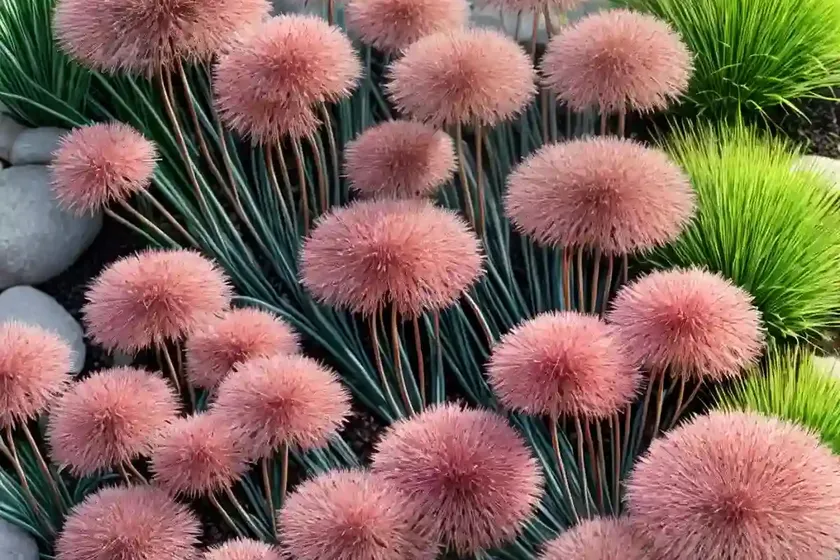
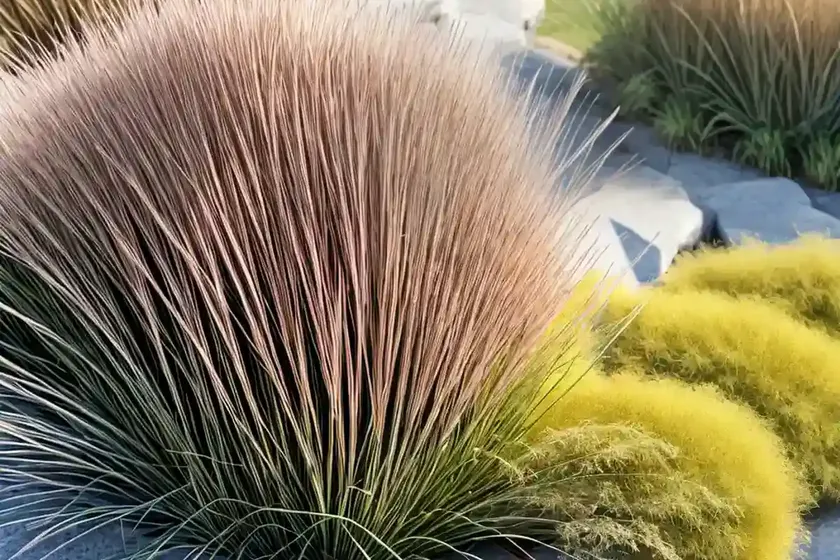
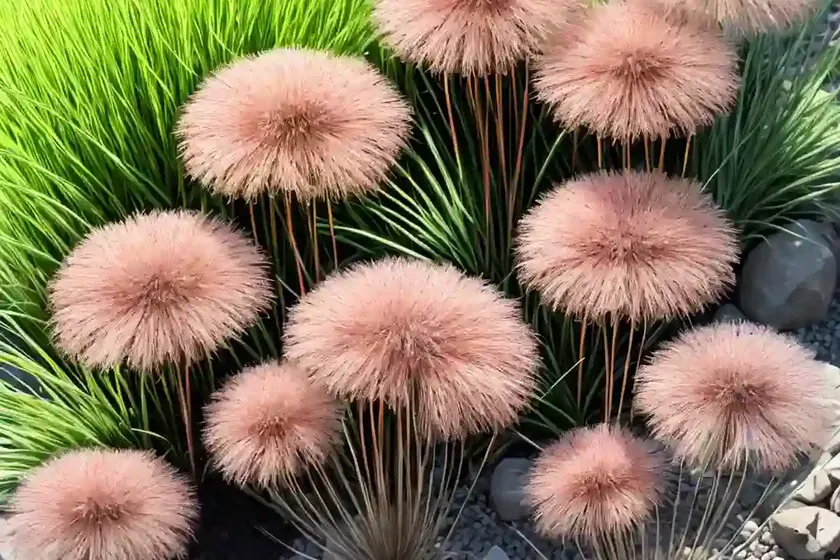
Juncus inflexus, commonly known as hard rush, is a versatile and resilient plant that holds great significance in the realms of landscaping, habitat restoration, and conservation. As a plant scientist, it is essential to delve into the intricacies of this fascinating species, exploring its characteristics, uses, care requirements, and ecological impact.
What is Juncus Inflexus (Hard Rush)?
Juncus inflexus, a member of the Juncaceae family, is a perennial rush native to Europe, Western Asia, and North Africa. It is characterized by its tufted, slender, and upright growth habit, typically reaching heights of 60-90 centimeters (24-35 inches). The plant features cylindrical stems with distinctive green foliage, producing clusters of small, brown flowers during its flowering season.
Key Takeaways – Juncus Inflexus (Hard Rush)
Before delving deeper into the various facets of Juncus inflexus, let’s outline the key takeaways associated with this plant. Understanding these fundamental aspects forms the foundation for comprehensive insights into its care, uses, and ecological significance.
- Scientific Name: Juncus inflexus
- Common Name: Hard Rush
- Family: Juncaceae
- Native Habitat: Europe, Western Asia, North Africa
- Growth Habit: Tufted, slender, upright
- Height: 60-90 cm (24-35 inches)
- Foliage: Green, cylindrical stems
- Flowers: Small, brown clusters
Armed with these essential details, we can now delve into the various facets, culture, uses, and care requirements of Juncus inflexus, shedding light on its diverse ecological and practical implications.
Culture
Understanding the cultural requirements of Juncus inflexus is pivotal for ensuring its optimal growth and vitality. The plant’s adaptability to different environmental conditions and its role in landscaping and habitat preservation make it an intriguing subject of study.
Water
Juncus inflexus exhibits a preference for moist to wet soil conditions, making it well-suited for locations with consistent or periodic water availability. While it thrives in damp environments, it is essential to avoid waterlogged conditions, as excessive moisture can lead to root rot and other detrimental effects.
- Optimal Watering: Regular, consistent moisture
- Soil Moisture: Preferably moist to wet
- Avoidance: Waterlogged conditions
Sunlight
As a predominantly sun-loving plant, Juncus inflexus flourishes in full sunlight or partial shade. It demonstrates resilience in diverse light conditions, making it suitable for a range of landscaping and habitat restoration projects.
- Ideal Light Conditions: Full sunlight to partial shade
- Adaptability: Tolerant of diverse light environments
Fertilizer
Juncus inflexus generally does not demand high levels of fertility, particularly when cultivated in its natural habitat or in landscaping schemes that mimic its indigenous surroundings. However, a balanced, organic fertilizer application during its growing season can support healthy growth and vigor.
- Fertilization Approach: Balanced, organic fertilizer
- Growing Season: Application during active growth
Soil
The plant’s soil preferences align with its natural habitat, showing a proclivity for moist, loamy soils with good drainage. These soil characteristics mirror the environments where Juncus inflexus thrives, contributing to its adaptability and resilience.
- Ideal Soil Type: Moist, loamy
- Drainage: Good drainage
- Adaptation: Reflects natural habitat preferences
Pruning
The pruning requirements for Juncus inflexus are relatively minimal, owing to its non-invasive growth habit and aesthetic appeal. Occasional removal of damaged or withered stems can help maintain the plant’s visual appeal and overall health.
- Pruning Frequency: Occasional, as needed
- Purpose: Removal of damaged or withered stems
- Aesthetic Maintenance: Promotes plant vitality and visual appeal
Propagation
The propagation of Juncus inflexus can be achieved through various methods, including seed sowing and division of established clumps. These approaches enable the expansion of this valuable species in both cultivated and natural landscapes, contributing to its conservation and ecological impact.
- Propagation Methods: Seed sowing, clump division
- Versatility: Suitable for cultivated and natural expansion
- Ecological Contribution: Supports habitat restoration and biodiversity
Container Popularity
While Juncus inflexus is predominantly utilized in landscaping and habitat restoration projects, it also holds potential for container gardening. Its adaptability to container culture opens up possibilities for incorporating this species in diverse urban and suburban settings, enriching outdoor spaces with its unique characteristics.
- Container Suitability: Adaptability to container culture
- Urban Landscapes: Enhances urban and suburban outdoor spaces
- Aesthetic Appeal: Contributes to container gardening diversity
Common Diseases
As a hardy and resilient plant, Juncus inflexus is relatively resistant to common diseases. However, occasional susceptibility to fungal infections and leaf spot diseases may occur, particularly in prolonged periods of high humidity. Vigilant monitoring and prompt intervention can mitigate the impact of these potential ailments.
- Common Diseases: Fungal infections, leaf spot diseases
- Prevalence: Occasional susceptibility
- Management: Vigilant monitoring and timely intervention
Disease Diagnosis
Accurate diagnosis of potential diseases affecting Juncus inflexus involves thorough observation of foliage and stems, coupled with an understanding of prevalent disease symptoms. By identifying and addressing diseases promptly, the plant’s health and vitality can be preserved.
Common Disease Symptoms
- Fungal Infections: Presence of powdery or discolored growth on foliage
- Leaf Spot Diseases: Development of dark, irregular spots on leaves
- Stem Lesions: Formation of lesions or discoloration on stems
Common Pests
Juncus inflexus generally exhibits resilience to pest infestations, owing to its unique growth habit and nutritional composition. While it is not commonly targeted by pests, occasional encounters with aphids and mites may occur. Swift pest management measures can safeguard the plant from potential damage.
- Pest Resilience: Minimal susceptibility to pest infestations
- Potential Pests: Aphids, mites
- Prompt Management: Swift intervention for pest control
Botanist’s Tips
Assembled from empirical observations and horticultural expertise, the following tips provide valuable insights for cultivating and maintaining Juncus inflexus, aligning with best practices for its care and conservation.
- Natural Habitat Mimicry: Emulate the plant’s native conditions for optimal growth
- Balanced Moisture: Maintain consistent, balanced soil moisture levels
- Ecosystem Integration: Incorporate Juncus inflexus in habitat restoration and conservation projects
- Pruning Sensitivity: Exercise delicate pruning to preserve the plant’s natural aesthetic
- Disease Vigilance: Monitor for signs of diseases and intervene proactively
Fun Facts
Celebrating the inherent charm and ecological significance of Juncus inflexus, the following fun facts illuminate its unique attributes and contributions to diverse ecosystems.
- Ecological Role: Supports wetland habitats and biodiversity
- Adaptability: Flourishes in various soil and light conditions
- Cultural Significance: Historically utilized in basket weaving and thatching
- Ornamental Appeal: Enhances landscapes with its slender, upright growth
- Wildlife Interaction: Attracts and supports diverse wildlife species
Links to External Resources
For comprehensive exploration and in-depth understanding of Juncus inflexus, the following external resources provide valuable information and insights into its botanical, ecological, and horticultural dimensions.
-
University of Florida IFAS Extension: Soft Rush and Hard Rush
-
National Parks and Wildlife Service Ireland: Juncus inflexus
By engaging with these valuable resources, enthusiasts, horticulturists, and conservationists can deepen their knowledge and appreciation for Juncus inflexus, fostering its preservation and sustainable utilization.
In essence, the multifaceted allure of Juncus inflexus transcends its ornamental appeal, encompassing its ecological significance, cultural uses, and horticultural adaptability. As a plant scientist, it is both a privilege and a responsibility to unravel the complexities and virtues of this remarkable species, contributing to its conservation and enrichment of diverse landscapes and ecosystems.
The detailed exploration of Juncus inflexus (Hard Rush) as a plant species aims to provide comprehensive insights into its ecological significance, horticultural uses, and practical applications. By addressing its culture, uses, care requirements, and ecological impact, this blog post serves to illuminate the diverse dimensions of Juncus inflexus, fostering a deeper understanding and appreciation for this invaluable plant.


