Juncus Big Twister (Juncus Effusus ‘Big Twister’)
Welcome to our in-depth guide on the Juncus effusus ‘Big Twister’, also known as the Juncus Big Twister. This elegant and versatile ornamental grass is a.
Introduction
Welcome to our in-depth guide on the Juncus effusus ‘Big Twister’, also known as the Juncus Big Twister. This elegant and versatile ornamental grass is a popular choice for landscaping, container gardening, and water features. In this comprehensive article, we will explore the cultivation, characteristics, care tips, landscaping uses, and much more about the Juncus Big Twister. Whether you are a seasoned gardener, a landscaping enthusiast, or a beginner looking to enhance your green space, this guide will provide you with valuable insights into the world of Juncus effusus ‘Big Twister’.
What is Juncus Big Twister?
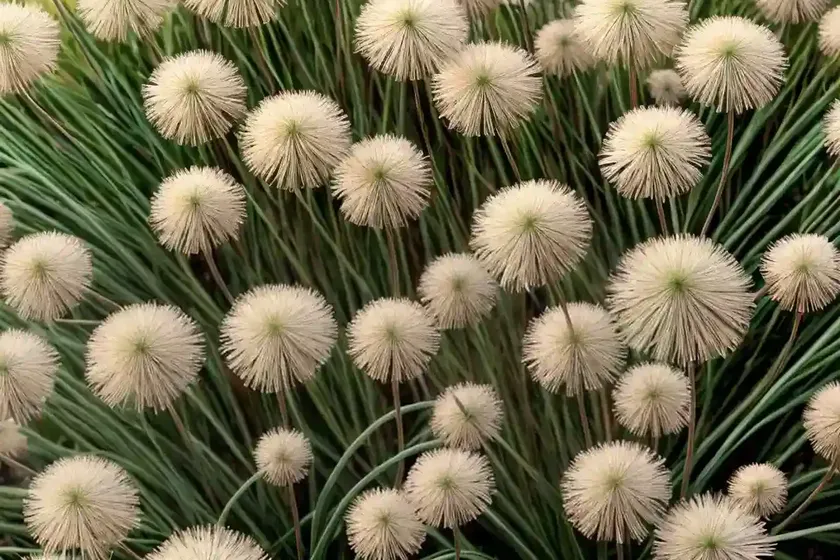
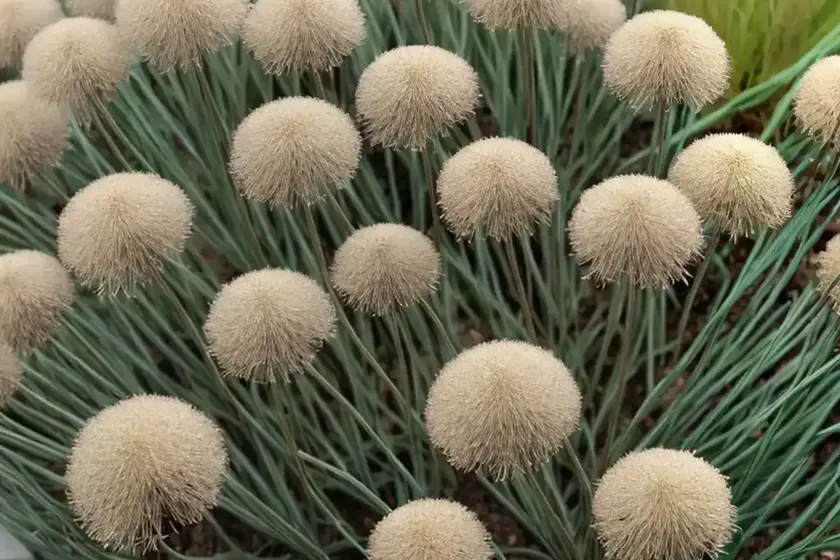
The Juncus effusus ‘Big Twister’, commonly known as Juncus Big Twister, is a striking ornamental grass that belongs to the Juncaceae family. It is a perennial plant native to many regions including North America, Europe, Asia, and Africa. Known for its distinctive twisted and cascading foliage, the Juncus Big Twister adds a unique texture and visual interest to gardens, landscapes, and container plantings.
Key Takeaways – Juncus Big Twister (Juncus effusus ‘Big Twister’)
Before we delve into the specifics of cultivating and caring for the Juncus Big Twister, let’s highlight some key takeaways about this fascinating plant:
- Botanical Name: Juncus effusus ‘Big Twister’
- Common Name: Juncus Big Twister
- Family: Juncaceae
- Type: Perennial
- Height: 18-24 inches
- Spread: 24-36 inches
- Foliage: Twisted, cascading green leaves
- Uses: Landscaping, container gardening, water features
- Hardiness Zone: 4-9
- Water Requirements: Moist to wet soil
- Sunlight: Full sun to part shade
Now that we have a general understanding of the Juncus Big Twister, let’s explore the specific aspects of its cultivation and care.
Culture
Cultivating the Juncus Big Twister involves understanding its specific cultural requirements. From water and sunlight needs to soil preferences, each aspect plays a crucial role in ensuring the health and vitality of this graceful ornamental grass.
Uses
The Juncus Big Twister exhibits versatility in its uses, making it a valuable addition to various gardening and landscaping scenarios.
Water
- The Juncus Big Twister thrives in soil that is consistently moist to wet. It is well-suited for areas with ample water, such as the margins of ponds, streams, or in rain gardens.
- It can also tolerate periods of inundation, making it an excellent choice for water features and areas with fluctuating water levels.
Sunlight
- This ornamental grass prefers full sun to part shade. While it can thrive in full sun, it can also adapt to partially shaded areas, making it suitable for a range of garden settings.
Fertilizer
- Juncus effusus ‘Big Twister’ generally does not require heavy fertilization. A balanced, slow-release fertilizer applied in spring can support healthy growth.
Soil
- It thrives in moist to wet soils and is commonly found in habitats such as marshes, wet meadows, and along stream banks.
- The ideal soil for Juncus Big Twister is a rich, organic, and well-draining medium. It is important to maintain consistent moisture without causing waterlogging, as excessively waterlogged conditions can lead to root rot.
Pruning
- Pruning or trimming of the Juncus Big Twister is typically minimal. In late winter or early spring, any damaged or dead foliage can be removed to encourage new growth. Additionally, if the plant has spread excessively, it can be divided in spring to maintain its vigor and shape.
Propagation
- Juncus effusus ‘Big Twister’ can be propagated through division. In spring, the plant can be carefully divided, and the divided sections can be replanted in suitable moist soil. Propagation through seeds is also possible, though it may take longer to establish compared to division.
Container Popularity
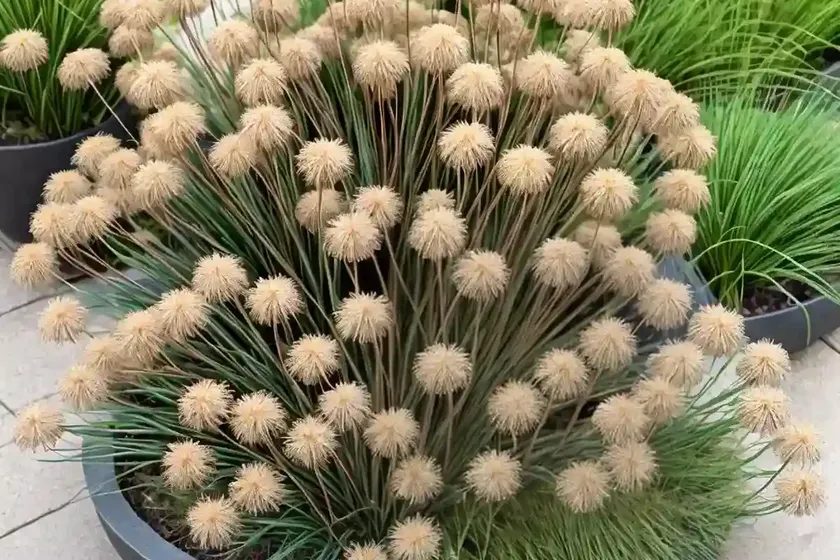
- Due to its elegant and cascading foliage, the Juncus Big Twister is a popular choice for container gardening. It can be showcased in large containers, where its unique form can be appreciated and used to enhance patios, decks, and other outdoor spaces.
Common Diseases
Like any plant, the Juncus Big Twister is susceptible to certain diseases and pests. Understanding common diseases and their diagnosis is crucial for maintaining the health of the plant.
Disease Diagnosis
- Some potential diseases that can affect Juncus effusus ‘Big Twister’ include leaf spot, rust, and various fungal infections.
- Symptoms such as discoloration, spotting, or abnormal growth can indicate the presence of disease. Early diagnosis and appropriate treatment or management are essential in mitigating the impact of these diseases.
Common Pests
In addition to diseases, the Juncus Big Twister may face challenges from certain pests that can impact its growth and appearance.
Botanist’s Tips
- Watering: Ensure consistent moisture without waterlogging, especially during the plant’s establishment phase.
- Sunlight: Provide adequate sunlight for optimal growth, but also be mindful of its tolerance for partial shade.
- Fertilization: Use a balanced, slow-release fertilizer in spring to support healthy growth without overstimulating the plant.
- Pruning: Minimal pruning is generally required, but it is beneficial to remove any damaged or dead foliage to promote new growth.
- Propagation: Consider division as an effective method of propagation, particularly in spring when the plant is actively growing.
- Container Gardening: Utilize the Juncus Big Twister in large containers to create striking visual effects in outdoor spaces.
Fun Facts
To add a touch of intrigue and delight, here are some fun and interesting facts about the Juncus Big Twister:
– The twisted foliage of the Juncus Big Twister adds an enchanting and whimsical element to garden designs.
– Juncus effusus ‘Big Twister’ is a versatile plant that can thrive in both natural and cultivated landscapes.
– In addition to its aesthetic appeal, this ornamental grass provides valuable ecological benefits, such as habitat for wildlife and soil stabilization in wetland areas.
Links to External Resources
For further exploration and detailed information about the Juncus Big Twister, you can refer to the following external resources:
1. Royal Horticultural Society – Juncus effusus ‘Big Twister’
2. Missouri Botanical Garden – Juncus effusus
3. University of Florida IFAS Extension – Juncus effusus
4. North Carolina State University Extension – Juncus effusus
In conclusion, the Juncus Big Twister, with its graceful form, adaptability, and ornamental allure, is a captivating addition to diverse landscape designs and gardening projects. By understanding its cultural requirements, key characteristics, and practical tips for care, you can effectively integrate this elegant ornamental grass into your own green spaces, whether in formal garden settings, natural habitats, or container gardens. We hope this comprehensive guide has provided you with valuable insights into the fascinating world of Juncus effusus ‘Big Twister’.
Remember, as a versatile and resilient plant, the Juncus Big Twister can contribute to the beauty and ecological richness of outdoor environments, offering texture, movement, and visual interest for years to come. Happy gardening!


