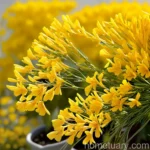
Judastree (Cercis canadensis) Plant Care Ultimate Guide
Introduction
Plants play a significant role in our environment and our lives. Their diversity and beauty enrich our surroundings and provide us with various benefits. In this guide, we will explore the fascinating Judastree (Cercis canadensis) and delve into its cultivation, care, and unique characteristics. Cercis canadensis, commonly known as Judastree, is a deciduous tree that belongs to the Fabaceae family. It is native to eastern North America and is celebrated for its stunning display of vibrant flowers, distinctive heart-shaped leaves, and overall ornamental value.
What is Judastree (Cercis canadensis)?
Cercis canadensis, or Judastree, is a charming ornamental tree that is highly valued for its decorative qualities and ability to thrive in various landscapes. This tree is known for its striking pink or purple blossoms that emerge in abundance along its branches. The unique heart-shaped leaves further enhance its attractiveness, making it a popular choice for gardens, parks, and urban spaces.
Key Takeaways – Judastree (Cercis canadensis)
Here are the key takeaways associated with the Judastree (Cercis canadensis):
- Scientific Name: Cercis canadensis
- Common Name: Judastree
- Family: Fabaceae
- Native Habitat: Eastern North America
- Characteristics: Heart-shaped leaves, vibrant pink or purple blossoms
- Landscaping Use: Ornamental tree for gardens and parks
Cultivation of Judastree
Planting Guide
When cultivating Judastree, it is essential to provide optimal growing conditions to ensure its health and development. Here is a comprehensive planting guide for Judastree:
- Timing: Plant Judastree in the early spring or fall to allow it to establish its roots before the onset of extreme temperatures.
- Location: Choose a well-drained location with full sun to partial shade. Ensure that the area has ample space for the tree to spread its branches and develop fully.
- Soil Preparation: Prepare the planting site by loosening the soil and incorporating organic matter. Judastree thrives in fertile, slightly acidic soil.
- Planting Depth: Dig a hole that is as deep as the root ball and twice as wide. Gently place the tree in the hole and backfill it with soil, ensuring that the root flare remains at ground level.
- Watering: After planting, water the tree thoroughly to promote root establishment.
Growing Tips
To foster the healthy growth of Judastree, consider the following tips:
- Mulching: Apply a layer of organic mulch around the tree to conserve moisture, regulate soil temperature, and suppress weed growth.
- Pruning: Regularly prune Judastree to remove dead or damaged branches and maintain its shape. Pruning should be conducted during the dormant season.
- Fertilization: Feed the tree with a balanced, slow-release fertilizer in the spring to support its growth and flowering.
- Pest Control: Monitor the tree for pests and implement prompt control measures if necessary.
Varieties
Several varieties of Cercis canadensis are available, each showcasing unique characteristics and features. Some popular varieties include:
- ‘Forest Pansy’: Noted for its deep purple foliage and rose-purple blossoms.
- ‘Silver Cloud’: Exhibits variegated white and green leaves, adding visual interest to the landscape.
- ‘Appalachian Red’: Showcases vibrant red-pink flowers and glossy green foliage.
Plant Care
Maintaining proper care practices is essential for nurturing a thriving and vibrant Judastree. Whether it pertains to watering, sunlight exposure, or soil requirements, understanding the specific needs of this tree is crucial to its overall well-being.
Water
Proper watering is critical for the health and vitality of Judastree. Consider the following guidelines when addressing its water needs:
- Watering Frequency: Provide regular watering, especially during periods of drought, to ensure that the soil remains consistently moist but not waterlogged.
- Established Trees: Once established, Judastree demonstrates moderate drought tolerance, but supplemental watering during prolonged dry spells is beneficial.
- Mulching: Applying a layer of mulch around the tree helps retain soil moisture and reduce the frequency of watering.
Sunlight
As a sun-loving tree, Judastree thrives when provided with ample sunlight. Consider the following sunlight requirements:
- Optimal Exposure: Plant Judastree in a location that receives full sun to partial shade. Full sun exposure promotes abundant flowering and robust growth.
- Shade Intolerance: Avoid planting Judastree in areas with dense shade, as it may compromise its flowering and overall vigor.
Fertilizer
Proper fertilization contributes to the overall health and development of Judastree, ensuring that it receives the essential nutrients for optimal growth and flowering. Consider the following fertilizer recommendations:
- Application Timing: Apply a balanced, slow-release fertilizer to Judastree in early spring before new growth emerges.
- Fertilizer Analysis: Select a fertilizer with a balanced NPK ratio (such as 10-10-10) to provide a comprehensive blend of essential nutrients.
- Fertilizer Application: Spread the fertilizer evenly around the tree, ensuring that it is distributed within the tree’s root zone. Water the tree thoroughly after fertilization to facilitate nutrient uptake.
Soil
Understanding the soil preferences of Judastree is essential for creating an ideal growing environment. Here are the key considerations related to soil:
- Well-Drained Soil: Plant Judastree in well-drained, loamy soil to prevent waterlogging and root rot.
- Soil pH: The tree thrives in slightly acidic to neutral soil (pH 6.0-7.0). Conduct a soil test to determine the pH of the planting site and amend the soil as needed.
Pruning Techniques
Pruning is an integral aspect of Judastree maintenance, contributing to its overall health, structure, and aesthetics. Here are some important pruning techniques to consider:
- Dormant Season Pruning: Schedule pruning sessions during the dormant season, typically in late winter or early spring before new growth emerges.
- Dead Wood Removal: Regularly inspect the tree for dead, damaged, or diseased branches and promptly remove them to maintain its vigor.
- Thinning: Thin out crowded or crossing branches to improve air circulation and light penetration within the canopy.
Propagation Methods
Propagating Judastree allows for the expansion of its presence in landscapes and the cultivation of new trees with desirable traits. Consider the following propagation methods:
- Seeds: Collect mature seeds from the tree and sow them in well-prepared seedbeds. Germination may take several weeks, after which the seedlings can be transplanted to their permanent locations.
- Softwood Cuttings: Take softwood cuttings in early summer and root them in a suitable propagation medium. Provide adequate moisture and warmth to facilitate root development.
Container Gardening
While Judastree is often grown in outdoor landscapes, it can also thrive in container gardens, providing an attractive focal point on patios, decks, and urban settings. When cultivating Judastree in containers, consider the following tips:
- Container Selection: Choose a large, sturdy container with drainage holes to accommodate the tree’s root system and promote proper water drainage.
- Potting Mix: Utilize a well-draining potting mix formulated for trees and shrubs to provide optimal growing conditions.
- Watering and Maintenance: Monitor the moisture levels of the potting mix and water the tree as needed. Prune the tree periodically to maintain its shape and size.
Popularity and Common Uses
Judastree holds considerable popularity in the realm of ornamental landscaping due to its breathtaking floral display, striking foliage, and overall aesthetic appeal. Common uses of Judastree include:
- Gardens and Parks: Judastree serves as a stunning focal point in gardens, parks, and public landscapes, adding color and charm to the surroundings.
- Urban Landscapes: Its adaptability to urban settings makes it a favored choice for streetscapes, urban parks, and commercial landscapes.
- Residential Landscapes: Many homeowners incorporate Judastree into their residential landscapes to create visual interest and enhance the overall beauty of their yards.
Common Diseases and Disease Diagnosis
While Judastree is generally resilient, it is susceptible to certain diseases that can affect its health and vigor. Understanding these common diseases and their diagnosis is crucial for implementing effective management strategies.
Disease Diagnosis
When diagnosing diseases in Judastree, observe the following symptoms to pinpoint potential issues:
- Leaf Spot: Presence of dark spots or lesions on the leaves.
- Anthracnose: Browning and wilting of foliage, particularly in humid conditions.
- Powdery Mildew: Formation of powdery white patches on the leaves.
- Cankers: Sunken areas or lesions on the branches or trunk.
- Root Rot: Reduced vigor, yellowing leaves, and overall decline in tree health.
Common Diseases
The following are common diseases that may affect Judastree:
- Anthracnose: This fungal disease can cause browning, wilting, and premature defoliation, particularly during periods of high humidity. Implementing cultural practices and fungicidal treatments can help manage anthracnose.
- Leaf Spot: Various fungal pathogens can cause leaf spot on Judastree, resulting in unsightly blemishes and potential leaf drop. Maintain proper sanitation and monitor for early signs of leaf spot to prevent its spread.
- Powdery Mildew: Powdery mildew can affect the foliage of Judastree, creating a powdery white coating on the leaves. Ensuring proper air circulation and applying fungicidal treatments can aid in managing powdery mildew.
- Cankers: Cankers, caused by fungal or bacterial pathogens, can lead to the development of sunken, discolored areas on the tree’s branches or trunk. Pruning affected branches and promoting overall tree health can mitigate the impact of cankers.
- Root Rot: Excessive moisture and poorly drained soil can contribute to the development of root rot in Judastree. Improving soil drainage and minimizing waterlogging are essential for preventing root rot.
Common Pests
While Judastree is relatively resistant to pest infestations, certain pests may pose a threat to its well-being. Vigilance and effective pest management practices are crucial for preserving the health of Judastree.
Pest Control
When addressing pest issues on Judastree, consider the following common pests and their control measures:
- Aphids: These small, sap-feeding insects can cluster on the undersides of leaves, causing distortion and yellowing of foliage. Applying insecticidal soap or horticultural oil can help control aphids.
- Scale Insects: Scale insects may infest Judastree, appearing as raised bumps on the branches and leaves. Implementing cultural control methods and targeted insecticidal applications can manage scale populations.
- Japanese Beetles: These voracious feeders can skeletonize the foliage of Judastree, causing significant damage. Employing traps or using organic insecticides can aid in controlling Japanese beetle populations.
- Caterpillars: Certain caterpillar species may feed on the foliage of Judastree, leading to defoliation. Handpicking caterpillars or utilizing biological control agents can help mitigate their impact.
Botanist’s Tips
Insights from botanists and horticulturists can provide valuable guidance for nurturing Judastree and maximizing its ornamental value. Here are some essential tips from botanical experts:
- Sun Requirements: Ensure that Judastree is planted in a location that receives adequate sunlight to promote vigorous growth and profuse flowering.
- Soil Preferences: Prioritize well-drained, fertile soil with slightly acidic to neutral pH to create an optimal growing environment for Judastree.
- Pruning Practices: Practice regular pruning to remove dead or diseased wood, maintain a balanced canopy structure, and enhance the overall appearance of the tree.
Fun Facts
Discover some intriguing and delightful facts about Judastree that highlight its unique characteristics and significance in horticulture:
- Flower Symbolism: In some cultures, the vibrant blooms of Judastree symbolize renewal, grace, and resilience, making it a revered tree with deep symbolic meaning.
- Wildlife Interaction: Judastree serves as a valuable resource for wildlife, attracting pollinators such as bees, butterflies, and hummingbirds with its nectar-rich flowers.
- Cultural Significance: Throughout history, Judastree has been celebrated for its beauty and has found a place in folklore and traditions, reflecting its cultural significance.
Links to External Resources
For further exploration of Judastree (Cercis canadensis) and its cultivation, care, and attributes, consider the following external resources:
- The Spruce – How to Grow and Care for Judastrees
- Missouri Botanical Garden – Cercis canadensis
- University of Florida IFAS Extension – Judastree Care and Management
In conclusion, Judastree (Cercis canadensis) stands out as an enchanting and esteemed tree that captivates with its vibrant flowers, distinctive foliage, and ornamental value. By following the recommended cultivation and care practices, enthusiasts can foster the vigorous growth and enduring beauty of Judastree in a variety of landscapes.
As the captivating blossoms of Judastree herald the arrival of each spring, they inspire awe and appreciation, embodying the enduring allure of nature’s botanical treasures.