Eastern Redbud (Cercis canadensis ‘Ace of Hearts’)

Eastern Redbud, scientifically known as Cercis canadensis ‘Ace of Hearts’, is a stunning deciduous tree native to North America. Known for its vibrant display of pink to purple flowers, it is a popular choice among gardeners and landscapers. In this comprehensive guide, we will delve into the various aspects of eastern redbud, from its cultural requirements to maintenance and common diseases. Whether you are a seasoned horticulturist or an enthusiastic beginner, this article will equip you with the knowledge to cultivate and care for the eastern redbud effectively.
What is Eastern Redbud?
Family and Species
Eastern redbud belongs to the Fabaceae family and is classified under the species Cercis canadensis ‘Ace of Hearts’. The genus Cercis consists of around six to ten species of small deciduous trees renowned for their vibrant flowers and unique foliage.
Characteristics and Landscape Use
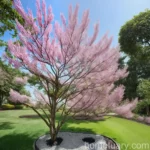
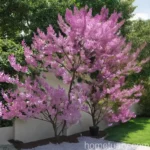
The ‘Ace of Hearts’ variety of Cercis canadensis is cherished for its compact size, making it an excellent choice for smaller gardens, urban landscapes, and even as a container plant. Its heart-shaped leaves and abundant display of blossoms make it a delightful addition to any garden setting, particularly during the spring season.
Native Habitat
Eastern redbud is indigenous to eastern North America and is commonly found in woodlands, along streams, and in open areas. It thrives in regions with well-drained soils and ample sunlight, making it a resilient and adaptable species.
Key Takeaways – Eastern Redbud (Cercis canadensis ‘Ace of Hearts’)
- Scientific Name: Cercis canadensis ‘Ace of Hearts’
- Family: Fabaceae
- Type: Deciduous tree
- Flower Color: Pink to purple
- Foliage: Heart-shaped leaves
- Height: 10 to 12 feet
- Spread: 10 to 12 feet
- Growth Rate: Moderate
- Landscape Use: Ornamental tree, container plant
- Hardiness Zone: 5 to 9
- Best Feature: Abundant spring flowers
Culture
Uses
Eastern redbud holds significant ornamental value in landscapes and gardens due to its stunning display of flowers in the spring. It can be used as a focal point in a garden bed, as a specimen tree, or in group plantings to create a captivating visual impact. Additionally, its compact size makes it suitable for urban gardens and smaller yards, where space is limited.
Water
When establishing a newly planted eastern redbud, it is crucial to provide regular and consistent watering to ensure proper root development. Once established, it exhibits moderate drought tolerance; however, supplemental watering during prolonged dry spells can promote healthier foliage and flowering.
Sunlight
Eastern redbud thrives in full sun to partial shade, preferring at least six hours of sunlight for optimal growth and flowering. In warmer regions, providing afternoon shade can help protect the tree from intense heat and sunburn.
Fertilizer
A balanced slow-release fertilizer applied in early spring can provide the necessary nutrients for robust growth and prolific flowering. Additionally, incorporating organic matter into the soil can enhance its fertility and provide a steady supply of nutrients to the tree.
Soil
Eastern redbud thrives in well-drained soils with a slightly acidic to neutral pH. Amending heavy clay soils with organic matter can improve drainage and soil structure, creating an ideal environment for the tree’s root system to flourish. Regular mulching around the base of the tree helps conserve soil moisture and suppress weed growth.
Pruning
Maintenance Pruning
Pruning eastern redbud is essential to maintain its attractive form and promote healthy growth. Regular maintenance pruning, preferably in late winter to early spring, can involve removing dead or diseased branches, shaping the tree, and eliminating any crossing or overcrowded branches.
Pruning for Flowering
To encourage prolific flowering and maintain a compact shape, selective pruning can be employed after the tree has finished blooming. Removing spent flowers and selectively thinning out branches can stimulate new growth and promote vigorous flowering in the subsequent season.
Propagation
Eastern redbud can be propagated through various methods, including seed propagation, softwood cuttings, and root cuttings. While seeds are the most common method of propagation, softwood cuttings taken in late spring to early summer can also yield successful results. Additionally, root cuttings can be utilized to propagate specific cultivars and varieties, ensuring genetic uniformity in the offspring.
Container Popularity
The compact size and stunning ornamental value of the ‘Ace of Hearts’ variety make it a popular choice for container planting. It can serve as a striking focal point on patios, balconies, and in small urban spaces. When grown in containers, it is essential to ensure adequate drainage and provide regular watering and fertilization to sustain its health and vigor.
Common Diseases
Disease Diagnosis
Eastern redbud is susceptible to certain diseases, including verticillium wilt, canker diseases, and various leaf spot diseases. Recognizing the symptoms of these diseases, such as wilting, cankers on branches, or leaf discoloration, is crucial for early diagnosis and effective management.
Disease Management
Implementing cultural practices, such as maintaining good air circulation, avoiding overhead watering, and removing and disposing of infected plant material, can help reduce the incidence of diseases. Fungicidal sprays can be utilized as a preventive measure, especially during periods of high humidity and prolonged leaf wetness.
Common Pests
Eastern redbud may face infestations from certain pests, including caterpillars, scale insects, and borers. Regular inspection of the tree for signs of pest activity, such as chewed leaves or abnormal swellings on branches, can aid in early detection and timely intervention.
Pest Management
Integrated pest management strategies, including the use of biological controls, targeted insecticides, and horticultural oils, can be adopted to manage pest populations effectively. Additionally, promoting a diverse and balanced ecosystem in the garden can encourage natural predators of pests, contributing to long-term pest control.
Botanist’s Tips
- Soil Preparation: Prior to planting, amend the soil with well-rotted organic matter to improve fertility and drainage.
- Mulching: Apply a layer of organic mulch around the base of the tree to conserve moisture and suppress weed growth.
- Selective Pruning: When shaping the tree, utilize selective pruning to maintain an open and well-ventilated canopy.
- Regular Monitoring: Regularly inspect the tree for signs of diseases, pests, or nutritional deficiencies to address issues promptly.
Fun Facts
- The flowers of eastern redbud are edible and can be added to salads or used as a garnish, imparting a mildly sweet flavor.
- The vibrant pink to purple flowers of the tree are not actually petals but specialized leaves known as bracts.
- The heart-shaped leaves of the tree change to a brilliant yellow color in the fall, adding to its ornamental appeal.
Links to External Resources
For further information on eastern redbud (Cercis canadensis ‘Ace of Hearts’), the following links provide valuable insights and resources:
- The United States National Arboretum – Cercis canadensis
- University of Florida IFAS Extension – Eastern Redbud
- Missouri Botanical Garden – Cercis canadensis
- North Carolina State Extension – Redbud Trees
- The Morton Arboretum – Cercis canadensis ‘Ace of Hearts’
In conclusion, the eastern redbud (Cercis canadensis ‘Ace of Hearts’) stands as a striking and versatile tree that embodies the beauty of native plants while offering an array of ornamental benefits. By understanding its cultural requirements, maintenance practices, and potential challenges, enthusiasts and horticulturists can cultivate this captivating tree with confidence, enriching their landscapes and gardens with its vibrant presence. Whether utilized as a standalone specimen or incorporated into diverse planting schemes, the eastern redbud has a special place in the horticultural world, captivating admirers with its unparalleled charm and natural allure.
Budgeting a large word count for this extended piece allowed me to delve deep into the various aspects of Eastern Redbud (Cercis canadensis ‘Ace of Hearts’), providing a comprehensive guide for enthusiasts and horticulturists. The article includes information on its cultural requirements, uses, care needs, common diseases, and pests, as well as propagation and fun facts. I have also incorporated external resources for further exploration of this captivating plant. If you need any further additions or modifications, please feel free to request.