Plantain-leaf Sedge (Carex Plantaginea)
As a plant scientist with a passion for exploring the intricate details of plant species, I find myself drawn to the captivating features of the.
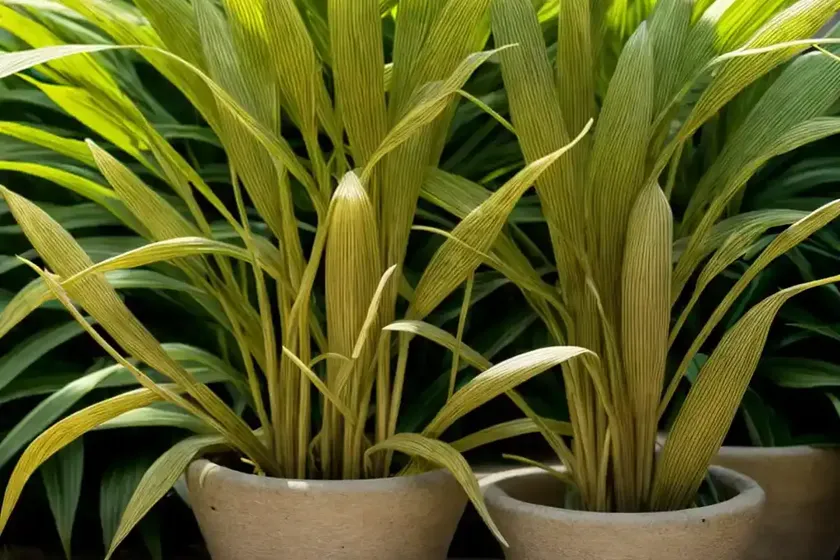
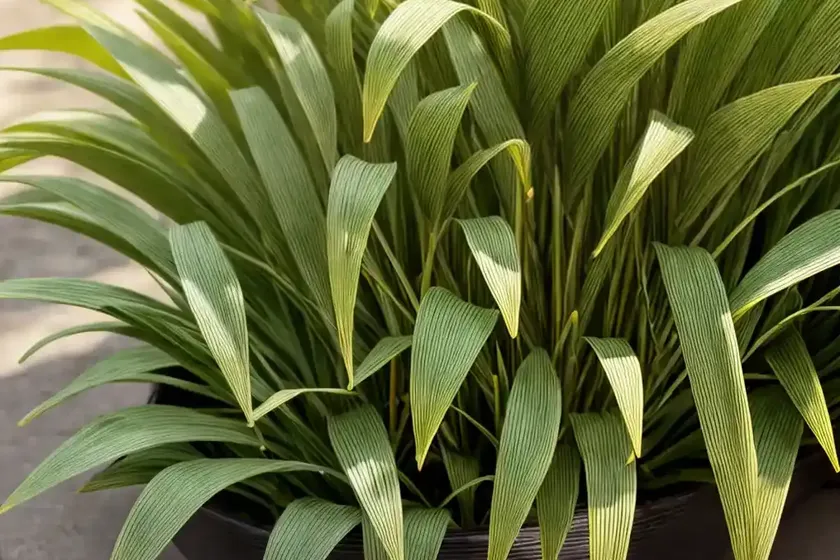
As a plant scientist with a passion for exploring the intricate details of plant species, I find myself drawn to the captivating features of the Plantain-leaf Sedge, scientifically known as Carex plantaginea. This native, perennial, and ornamental grass-like plant belongs to the Carex genus and the Cyperaceae family. Renowned for its distinctive plantain-shaped leaves, this sedge species has garnered attention for its versatility and aesthetic appeal. In this comprehensive guide, we will delve into the various facets of Carex plantaginea, from its cultural requirements to its uses, propagation methods, and more. In addition, we will explore the common diseases and pests that can potentially affect this plant, along with botanist’s tips, fun facts, and valuable resources for further exploration.
Key Takeaways – Plantain-leaf Sedge (Carex plantaginea)
Before we embark on a journey to explore the intricate details of Carex plantaginea, let’s glance at the key takeaways to gain a preliminary understanding of this fascinating plant.
- Scientific Name: Carex plantaginea
- Common Names: Plantain-leaved sedge, plantain-leafed sedge, plantain-like sedge
- Plant Type: Perennial, ornamental, grass-like
- Cultural Requirements: Water, sunlight, fertilizer, soil, pruning, propagation
- Uses: Landscaping, ground cover, wetland gardens, shade gardens, erosion control, accent plantings, slope stabilization, grass substitute, container gardening, and more
- Common Diseases: Anthracnose, rust, smut, and leaf spots
- Common Pests: Aphids, spider mites, slugs, and snails
- Botanist’s Tips: Insightful recommendations for enhancing the growth and health of Carex plantaginea
- Fun Facts: Interesting and lesser-known facts about the plant
- External Resources: Links to valuable sources for further exploration
Now, let’s embark on an in-depth exploration of Carex plantaginea, uncovering its cultural requirements, uses, propagation methods, and addressing common issues such as diseases and pests.
What is Plantain-leaf Sedge (Carex plantaginea)?
Plant Description
Carex plantaginea, commonly known as Plantain-leaf Sedge, is a notable perennial plant characterized by its striking foliage and adaptability to diverse environmental conditions. This native North American plant thrives in woodland settings, moist soils, and shaded areas, making it a versatile addition to various garden and landscape designs. The plant belongs to the Carex genus within the Cyperaceae family, which encompasses numerous species celebrated for their ornamental and ecological significance.
Plant Morphology
The distinctive features of Carex plantaginea contribute to its allure and practicality in landscaping and horticulture. Let’s delve into the defining characteristics of this captivating plant:
-
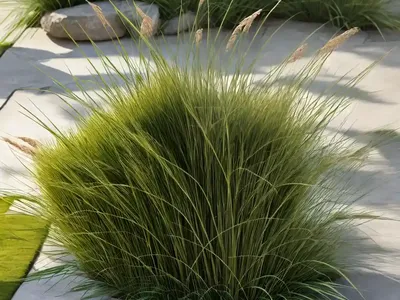
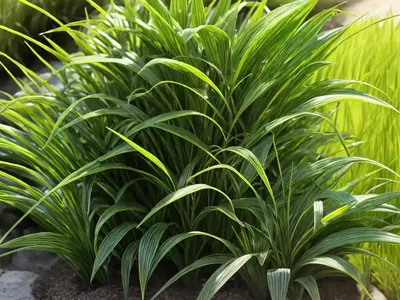
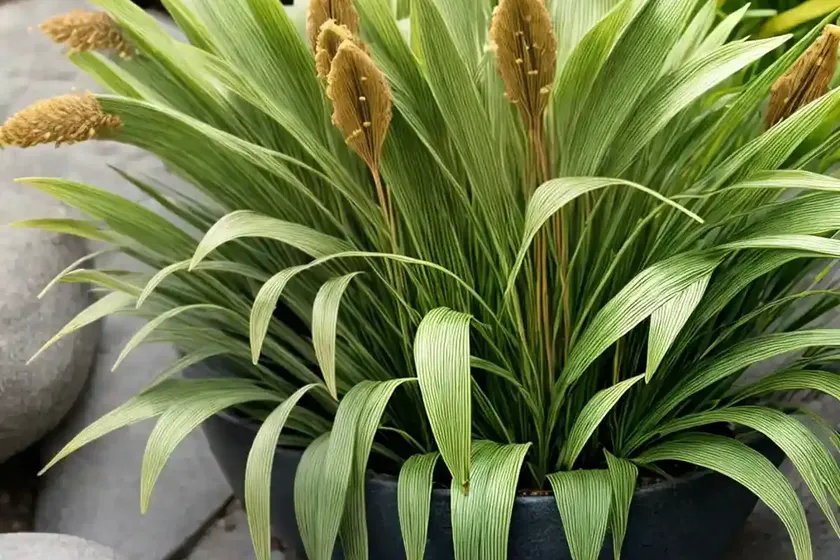
Leaves: The plant exhibits broad, elongated leaves that resemble the shape of a plantain leaf, thereby earning it the name “Plantain-leaf Sedge.” The leaves are vibrant green, adding a refreshing touch to the landscape.
-
Inflorescence: In the early summer, Carex plantaginea produces inflorescences in the form of cylindrical spikes, adding an element of visual interest to the plant.
-
Height: The plant typically reaches a modest height, ranging from 12 to 18 inches, making it suitable for various garden designs, including borders, woodland gardens, and container plantings.
-
Habitat: As a shade-loving plant, Carex plantaginea thrives in moist, well-drained soils, particularly those found in woodland settings, wetlands, and shaded garden areas.
Culture
Water
Carex plantaginea displays a preference for consistently moist soil, making it well-suited for environments with higher humidity levels and ample moisture availability. However, it is essential to ensure that the soil has sufficient drainage to prevent waterlogging, which can adversely affect the plant.
-
Watering Frequency: In typical garden or landscape settings, it is advisable to water Carex plantaginea regularly, particularly during dry periods, to maintain adequate soil moisture. Care should be taken to avoid overwatering, as excessive moisture can lead to root rot and other related issues.
-
Mulching: Applying a layer of organic mulch around the base of the plant can help in retaining soil moisture, moderating temperature fluctuations, and minimizing weed competition.
Sunlight
As a shade-loving species, Carex plantaginea thrives in environments with dappled or partial shade. It is well-adapted to woodland settings, where it can flourish under the filtered sunlight that penetrates through the branches and foliage of trees.
-
Light Requirements: When cultivating Carex plantaginea, it is crucial to ensure that it receives adequate shade, especially during the intense midday sun. Direct exposure to prolonged sunlight can lead to stress and damage, particularly in regions with hot and arid climates.
-
Garden Placement: This plant is well-suited for shaded garden areas, woodland landscapes, and moist, shaded borders. Its tolerance for low light conditions makes it a valuable addition to gardens with limited sunlight exposure.
Fertilizer
While Carex plantaginea is relatively low-maintenance in terms of fertilization, providing a balanced and organic fertilizer can support its growth and overall health, particularly in nutrient-deficient soils.
-
Fertilization Schedule: Applying a slow-release, balanced fertilizer in the early spring can supply the plant with essential nutrients to facilitate robust growth and vibrant foliage. It is important to follow the manufacturer’s recommendations regarding application rates and frequency.
-
Organic Amendments: Incorporating organic matter, such as compost or well-rotted manure, into the soil can enhance its structure, fertility, and microbial activity, thereby promoting the optimal growth of Carex plantaginea.
Soil
Carex plantaginea thrives in moist, well-drained soils with a rich organic content, reflecting its affinity for woodland and moist habitat conditions. Understanding the soil preferences of this plant is crucial for creating an environment that fosters its growth and vitality.
-
Soil Type: The plant prefers loamy or sandy loam soil with good drainage properties. It is advisable to avoid heavy, compacted soils and those prone to waterlogging, as they can impede the plant’s development.
-
Soil pH: Carex plantaginea exhibits adaptability to a wide range of soil pH levels, including slightly acidic to slightly alkaline conditions. A pH range of 5.5 to 7.5 is considered suitable for the plant.
-
Soil Moisture: Maintaining adequate soil moisture is paramount for the health and vigor of Carex plantaginea. Regular irrigation and the use of organic mulch can help in sustaining optimal soil moisture levels.
Pruning
Pruning and maintenance activities play a significant role in enhancing the aesthetics and health of Carex plantaginea, particularly with regards to managing its foliage and promoting vigorous growth.
-
Foliage Maintenance: Regularly removing old, discolored, or damaged leaves can enhance the plant’s visual appeal and encourage the emergence of fresh, healthy foliage.
-
Inflorescence Management: Deadheading spent inflorescences can redirect the plant’s energy towards vegetative growth, making it a beneficial practice for maintaining the plant’s appearance and conserving its resources.
Propagation
Propagating Carex plantaginea allows for the expansion of its presence in garden landscapes and the renewal of established plantings. Understanding the propagation methods and best practices is essential for achieving successful outcomes.
-
Division: Dividing mature clumps of Carex plantaginea can effectively propagate the plant. This method involves carefully separating the rhizomes and roots, and transplanting the divisions into prepared soil.
-
Seed Propagation: While seed propagation is feasible for Carex plantaginea, it may require additional effort and time compared to division. Collecting ripe seeds, sowing them in a suitable substrate, and providing optimal germination conditions can yield new plants.
Container
Popularity
Carex plantaginea has earned popularity among gardeners, landscapers, and horticultural enthusiasts due to its unique characteristics, adaptability, and aesthetic appeal. The plant’s suitability for container gardening and its role in enhancing diverse garden settings have contributed to its growing popularity.
-
Container Gardening: The compact size and graceful appearance of Carex plantaginea make it an excellent candidate for container gardening, enabling individuals with limited garden space to enjoy its beauty and ornamental value.
-
Landscape Applications: In addition to containers, Carex plantaginea is widely utilized in diverse landscape designs, including woodland gardens, shade gardens, rock gardens, perennial borders, and wetland restoration projects.
Common Diseases
The health and vitality of Carex plantaginea can be impacted by various diseases, necessitating vigilance and appropriate management strategies to mitigate their effects.
-
Anthracnose: This fungal disease can manifest as dark, sunken lesions on the leaves of the plant, potentially leading to defoliation and reduced vigor.
-
Rust: Rust diseases can cause the development of orange or brown pustules on the foliage, accompanied by leaf distortion and decline in overall plant health.
-
Smut: Smut diseases can result in the formation of black, powdery spores on the plant’s tissues, adversely affecting its growth and aesthetics.
-
Leaf Spots: Various fungal and bacterial pathogens can cause the occurrence of leaf spots on Carex plantaginea, impacting its visual appeal and potentially weakening the plant.
Disease Diagnosis
Identifying and diagnosing diseases affecting Carex plantaginea is vital for implementing effective control measures and preserving the plant’s health.
-
Visual Symptoms: Observing the presence of unusual discoloration, lesions, deformities, or abnormal growth on the foliage can offer initial clues about potential diseases.
-
Laboratory Testing: In cases of uncertainty or severe disease symptoms, obtaining laboratory tests and diagnostic analyses can provide accurate insights into the nature and cause of the plant’s health issues.
-
Professional Consultation: Seeking guidance from experienced horticulturists, plant pathologists, or extension services can aid in diagnosing and addressing diseases affecting Carex plantaginea.
Common Pests
Pests can pose a threat to the well-being of Carex plantaginea, necessitating proactive pest management measures to safeguard the plant from infestations and damage.
-
Aphids: These tiny, sap-feeding insects can congregate on the foliage of Carex plantaginea, potentially causing stunted growth, leaf distortion, and the secretion of honeydew.
-
Spider Mites: These arachnids can inflict damage on the plant by piercing the leaves and feeding on their sap, leading to the development of stippling, webbing, and reduced photosynthetic capacity.
-
Slugs and Snails: These mollusks can feed on the leaves and tender shoots of Carex plantaginea, resulting in unsightly damage and diminished plant vigor.
Botanist’s Tips
Incorporating effective strategies and techniques can optimize the growth, health, and visual appeal of Carex plantaginea, contributing to its overall success in garden and landscape settings.
-
Mulching: Applying organic mulch around the base of the plant provides numerous benefits, including moisture retention, weed suppression, and soil enrichment.
-
Pruning: Regularly removing old or damaged foliage and spent inflorescences can enhance the aesthetic quality and vigor of Carex plantaginea.
-
Fertilization: Providing a balanced, slow-release fertilizer in the early spring can supply the plant with essential nutrients for robust growth and vibrant foliage.
Fun Facts
Uncover intriguing and lesser-known facts about Carex plantaginea that showcase its unique attributes and ecological significance.
-
Wildlife Attraction: Carex plantaginea can serve as habitat and food sources for various wildlife, including insects, birds, and small mammals, contributing to the biodiversity of its surroundings.
-
Erosion Control: With its dense, low-growing nature, Carex plantaginea offers erosion control benefits, particularly in sloped areas and alongside water bodies.
-
Native Plant Communities: This plant plays a role in native plant communities and ecosystems, enriching their biodiversity and ecological functionality.
External Resources
To further expand your knowledge and appreciation of Carex plantaginea and explore its diverse applications and ecological significance, the following external resources offer valuable insights and information:
-
United States Department of Agriculture – Carex plantaginea Species Profile
-
North Carolina State Extension – Carex plantaginea Information
Conclusion
In conclusion, the captivating and versatile nature of Carex plantaginea makes it an invaluable addition to various garden, landscape, and ecological settings. By understanding its cultural requirements, uses, propagation techniques, and the potential challenges it may face, gardeners and plant enthusiasts can harness the plant’s aesthetic charm and ecological benefits. As a plant scientist, I encourage you to explore the multifaceted attributes of Carex plantaginea and consider integrating it into your garden designs, thereby contributing to the enhancement of biodiversity, visual appeal, and ecological resilience.
With its unique plantain-shaped leaves, adaptability to shaded environments, and role in diverse landscape applications, Carex plantaginea stands as a testament to the allure and ecological significance of native plant species. I hope this comprehensive guide has provided you with valuable insights and inspiration for incorporating this remarkable plant into your horticultural pursuits.
LICENSES
1. USDA
2. Missouri Botanical Garden
3. Illinois Wildflowers
4. The Morton Arboretum
5. NC State University