Judas-tree (Cercis Siliquastrum)
As a plant scientist, I am always fascinated by the diverse world of plants. In this blog post, I will delve into the enchanting world of the Judas-tree.
As a plant scientist, I am always fascinated by the diverse world of plants. In this blog post, I will delve into the enchanting world of the Judas-tree (Cercis Siliquastrum). This tree species has captivated the interest of plant enthusiasts, gardeners, and botanists alike for its remarkable beauty, cultural significance, and ecological importance. Throughout this comprehensive guide, we will explore the key characteristics, cultivation techniques, uses, and ecological impact of the Judas-tree, providing valuable insights for both novice and experienced plant enthusiasts.
What is Judas-tree (Cercis Siliquastrum)?
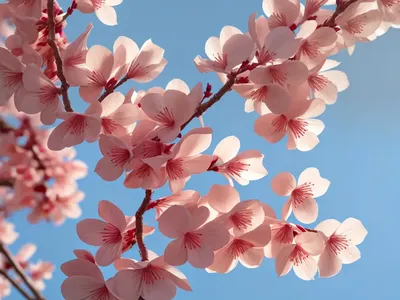
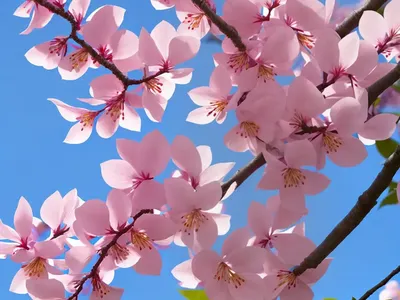
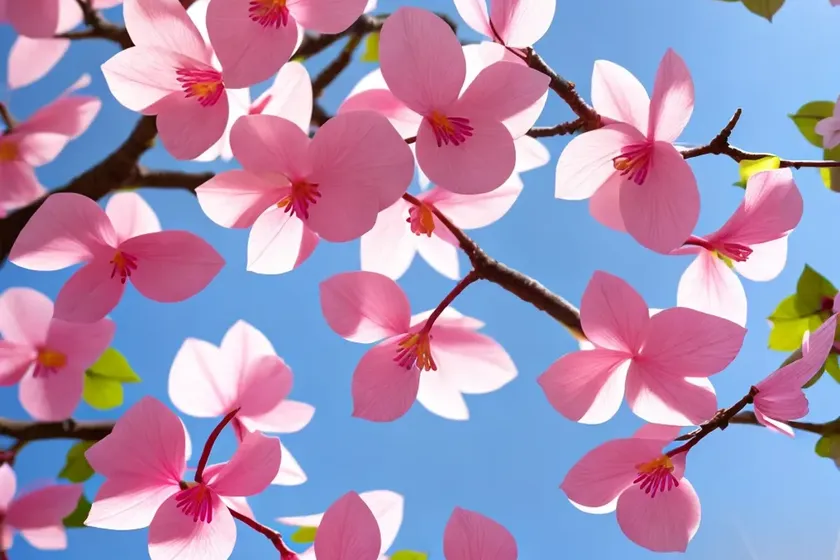
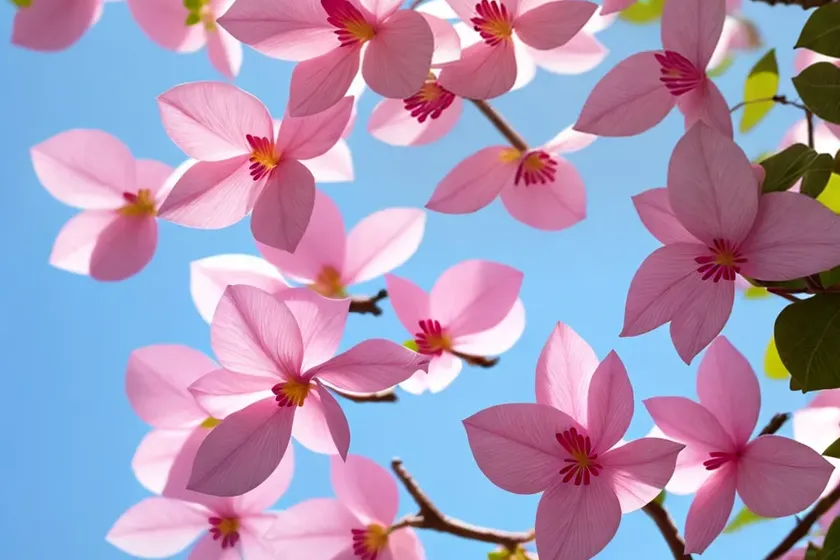
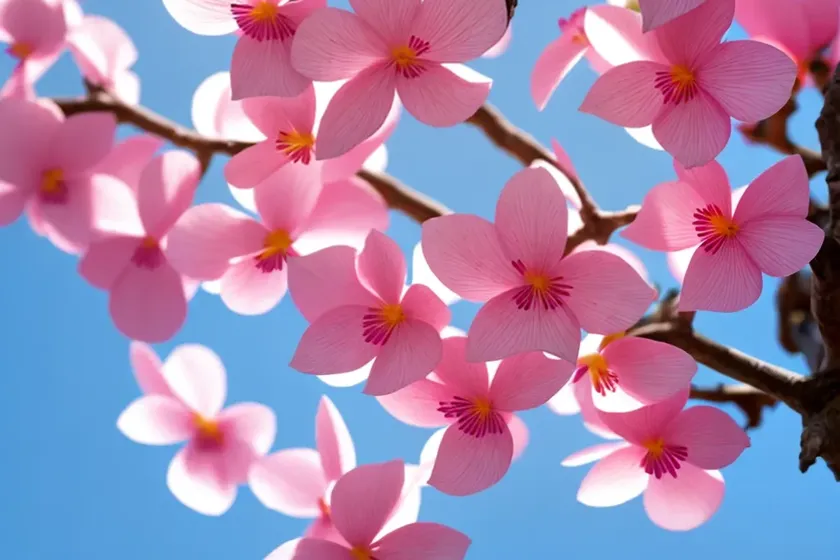
The Judas-tree (Cercis Siliquastrum) belongs to the family Fabaceae and is renowned for its stunning pink flowers that adorn the bare branches in early spring. This deciduous tree typically reaches a height of 5 to 12 meters and is native to the Mediterranean region, including southern Europe and parts of western Asia. The tree’s vibrant flowers, heart-shaped leaves, and its ecological role as a nectar source and host plant for certain insects make it a valuable addition to both natural landscapes and cultivated gardens.
The name “Judas-tree” is derived from the belief that Judas Iscariot, the biblical figure, hanged himself from a tree of this species after betraying Jesus. While the historical accuracy of this association is uncertain, it has contributed to the tree’s folklore and cultural significance.
Key Takeaways – Judas-tree (Cercis Siliquastrum)
Before delving into the specifics of cultivating and caring for the Judas-tree, let’s take a quick look at the key takeaways related to this enchanting species:
Culture
- Family: Fabaceae
- Native to: Mediterranean region
- Common names: Judas-tree, love tree, Eastern redbud
Uses
- Ornamental value in gardens and landscapes
- Ecological significance as a nectar source and host plant
Water
- Moderate water requirements
- Susceptible to root rot in waterlogged conditions
Sunlight
- Prefers full sunlight to partial shade
Fertilizer
- Light, balanced fertilizer application in early spring
Soil
- Well-draining, fertile soil
- Tolerant of various soil types
Pruning
- Minimal pruning needed for shaping and structure
Propagation
- Seeds and softwood cuttings for propagation
Container Popularity
- Suitable for container cultivation
Common Diseases
- Verticillium wilt, canker diseases
Disease Diagnosis
- Leaf discoloration, wilting, cankers
Common Pests
- Aphids, caterpillars
Botanist’s Tips
- Ensure well-draining soil for healthy growth
- Regular monitoring for pests and diseases
- Prune minimally to maintain natural form
Fun Facts
- The flowers are edible and can be used in salads or as a garnish.
Now that we have an overview of the key aspects of Judas-tree cultivation, let’s explore each of these in greater detail.
Judas-tree (Cercis Siliquastrum) Cultivation
Cultivating the Judas-tree requires an understanding of its specific requirements for water, sunlight, soil, and care. Proper cultivation practices can enhance the tree’s growth, flowering, and overall vitality in both garden and landscape settings.
Water
The Judas-tree has moderate water requirements and is relatively drought-tolerant once established. It is important to provide consistent moisture, especially during the tree’s establishment phase. Waterlogged conditions should be avoided to prevent root rot, particularly in poorly draining soils.
A regular watering schedule is advisable, particularly during dry periods or when the tree is flowering and setting new growth. Mulching around the base of the tree can help retain soil moisture and regulate temperature, benefiting the tree’s overall health.
Sunlight
The Judas-tree thrives in full sunlight to partial shade. It is best to plant it in a location that receives ample sunlight, especially during the flowering season. Adequate sunlight promotes prolific flowering and ensures the development of a well-branched and healthy canopy.
In regions with intense summer heat, providing partial shade during the hottest part of the day can protect the tree from heat stress. However, the tree should still receive several hours of direct sunlight to support its growth and flowering.
Fertilizer
For optimal growth and flowering, the Judas-tree benefits from a light application of balanced fertilizer in early spring. A slow-release, general-purpose fertilizer can provide the essential nutrients for healthy development without promoting excessive vegetative growth. Care should be taken to follow the manufacturer’s recommendations for application rates to avoid overfertilization, which can negatively impact the tree’s health.
Soil
The Judas-tree thrives in well-draining, fertile soil. While it can adapt to various soil types, including loam, clay, and sandy soils, it performs best in soil with good nutrient content and adequate drainage. Amending the soil with organic matter, such as compost or well-rotted manure, can improve its structure and nutrient levels, promoting vigorous growth and flowering.
Regularly monitoring the soil moisture and drainage is crucial, especially in heavy clay soils or regions prone to waterlogging. Proper soil management is essential for preventing root diseases and ensuring the tree’s overall vigor.
Pruning
The Judas-tree typically requires minimal pruning, primarily for shaping or structural maintenance. The natural form of the tree, with its gracefully spreading branches and heart-shaped leaves, is a key characteristic that adds to its ornamental value. Pruning is generally conducted during the tree’s dormant phase in late winter or early spring to remove damaged or crossing branches, enhance the tree’s overall form, and encourage healthy growth.
Excessive pruning should be avoided, as it can lead to a reduction in flowering and disrupt the tree’s natural aesthetic. Regular monitoring of the tree’s growth can help identify any pruning needs while ensuring that the tree maintains its inherent beauty.
Propagation
Propagation of the Judas-tree can be achieved through several methods, including seeds and softwood cuttings.
Seeds:
– Collect ripe seed pods from the tree in late summer or early fall and extract the seeds.
– Plant the seeds in well-draining, moist seed-starting mix and keep them in a warm, bright location.
– Germination typically occurs within a few weeks, and the seedlings can be transplanted into individual containers or the garden once they have developed several true leaves.
Softwood cuttings:
– Take softwood cuttings from healthy, actively growing branches in late spring or early summer.
– Dip the cut ends in rooting hormone and plant them in a well-draining rooting medium.
– Provide warmth and consistent moisture to encourage root development. Once roots have formed, the cuttings can be potted into individual containers or planted in the desired location.
Both propagation methods require careful attention to environmental conditions, moisture levels, and protection from extreme temperatures to ensure successful establishment and growth.
Container Popularity
The Judas-tree is well-suited for container cultivation, making it an excellent choice for urban gardens, patios, and smaller outdoor spaces. When growing the tree in a container, it is essential to select a pot that provides adequate room for root development and stability as the tree grows.
Choosing a well-draining potting mix and ensuring proper drainage at the base of the container are crucial for preventing waterlogged conditions. Regular monitoring of the soil moisture and providing sufficient sunlight are vital for maintaining the tree’s health and promoting flowering.
Container-grown Judas-trees can be a striking addition to outdoor living spaces, balconies, or terraces, adding a touch of natural beauty and seasonal color to urban environments.
Now that we have explored the cultivation practices for the Judas-tree, let’s take a closer look at the uses and ecological significance of this captivating tree species.
Uses of Judas-tree (Cercis Siliquastrum)
The Judas-tree holds significant value for its ornamental beauty, cultural symbolism, and ecological importance. Understanding its diverse uses can help gardeners and environmental enthusiasts appreciate the multifaceted role of this tree in natural landscapes and human culture.
Ornamental Value
With its vibrant pink flowers, heart-shaped leaves, and gracefully spreading branches, the Judas-tree is a prized ornamental species in gardens, parks, and public landscapes. Its early spring flowering, followed by lush green foliage in summer and colorful seed pods in autumn, contributes to its year-round appeal.
The tree’s visual charm and natural form make it an attractive focal point in landscape design, where it can be featured as a standalone specimen tree or incorporated into mixed plantings for added visual interest. Its ornamental value extends to its use in urban environments, where it provides aesthetic enhancement and ecological benefits.
Ecological Significance
In addition to its ornamental appeal, the Judas-tree plays a vital role in supporting local ecosystems. Its flowers are a rich nectar source for pollinators, including bees, butterflies, and other beneficial insects. The tree’s early flowering period, when few other nectar sources are available, makes it particularly valuable for sustaining pollinator populations.
Furthermore, the Judas-tree serves as a host plant for certain butterfly species, providing food and habitat for their caterpillars. By fostering biodiversity and supporting pollinators, the tree contributes to the overall health and resilience of the surrounding environment.
The ecological significance of the Judas-tree extends to its potential for use in reforestation and habitat restoration projects. Its adaptability to various soil types and climates, along with its ability to thrive in degraded or disturbed landscapes, makes it a valuable asset for promoting ecological regeneration and enhancing the visual appeal of natural areas.
Now that we have explored the uses and ecological significance of the Judas-tree, let’s delve into strategies for disease prevention, pest management, and tips from botanists to ensure its optimal growth and health.
Disease Prevention and Pest Management
As with any plant species, the Judas-tree is susceptible to certain diseases and pests that can impact its health and vigor. Understanding common issues and implementing preventive measures is essential for maintaining the tree’s vitality and ensuring its long-term resilience in the landscape.
Common Diseases
Verticillium Wilt:
– Symptoms: Wilted, discolored leaves; vascular discoloration; reduced vigor
– Prevention: Planting in well-draining soil, avoiding waterlogged conditions, improving overall soil health
Canker Diseases:
– Symptoms: Sunken lesions on bark, dieback of branches, oozing sap
– Prevention: Pruning to remove affected branches, promoting overall tree vigor through proper cultivation practices
Disease Diagnosis
Regular monitoring of the tree’s overall health is crucial for early detection and diagnosis of potential diseases. Symptoms such as leaf discoloration, wilting, cankers on branches or trunk, and overall decline in vigor should prompt closer inspection and potential intervention. Consulting with a plant health specialist or botanist can help in identifying specific diseases and implementing targeted treatment strategies.
Common Pests
Aphids:
– Symptoms: Clusters of small, soft-bodied insects on new growth; sticky honeydew on leaves
– Management: Natural predators, insecticidal soap, horticultural oil
Caterpillars:
– Symptoms: Feeding damage on leaves; defoliation in severe infestations
– Management: Manual removal, biological control, targeted insecticides
Botanist’s Tips
Plant health specialists and experienced botanists offer valuable insights and tips for ensuring the optimal growth and health of the Judas-tree:
Well-Draining Soil:
– Ensure that the tree is planted in well-draining soil to prevent waterlogged conditions and promote healthy root development.
Pest and Disease Monitoring:
– Regularly monitor the tree for signs of pests and diseases, particularly during periods of rapid growth and flowering.
Pruning Practices:
– Adopt minimal pruning practices to maintain the tree’s natural form and promote healthy growth, while minimizing the risk of disease entry points.
Optimal Growing Conditions:
– Provide the tree with the appropriate sunlight, moisture, and nutrient levels for its specific cultivation needs, ensuring that it thrives in its environment.
Sustainable Cultivation:
– Emphasize sustainable cultivation practices that support the tree’s ecological benefits and contribute to overall environmental stewardship.
Now that we have covered disease prevention, pest management, and valuable tips from botanists, let’s explore some interesting fun facts about the Judas-tree that highlight its unique characteristics and cultural significance.
Fun Facts about Judas-tree (Cercis Siliquastrum)
The Judas-tree has captivated the interest of plant enthusiasts and cultural historians for its rich folklore, culinary uses, and unique botanical traits. Here are some compelling fun facts that shed light on the fascinating aspects of this remarkable tree species:
- Edible Flowers:
-
The flowers of the Judas-tree are edible and can be used to add a touch of color and mild, sweet flavor to salads, desserts, and beverages.
-
Cultural Symbolism:
-
The tree has been associated with various cultural symbols, representing love, renewal, and the ephemeral nature of life in different traditions and folklore.
-
Historical Significance:
-
The purported association of the tree with Judas Iscariot has contributed to its place in historical and religious narratives, adding to its enigmatic allure.
-
Wildlife Habitat:
-
The tree’s ecological benefits extend to providing food and habitat for a diverse array of wildlife, including birds, insects, and small mammals, further enhancing its ecological value.
-
Ornamental Elegance:
- The striking visual appeal of the Judas-tree, with its profusion of pink flowers and unique foliage, has made it a cherished presence in gardens and arboretums around the world.
These fun facts underscore the multifaceted nature of the Judas-tree, encompassing its unique cultural symbolism, culinary potential, and ecological contributions.
As we conclude our exploration of the Judas-tree, it is important to provide access to further resources and information for those who wish to delve deeper into the cultivation, history, and ecological impact of this captivating tree species.
Links to External Resources
Plant Name: “Judas-tree (Cercis Siliquastrum)”
For comprehensive information about the Judas-tree, including its cultivation, natural history, and cultural significance, I recommend exploring the following external resources:
- Royal Horticultural Society (RHS) – Judas Tree
- Missouri Botanical Garden – Cercis Siliquastrum
- University of Florida IFAS Extension – Eastern Redbud
These resources offer a wealth of knowledge and insights into the diverse aspects of the Judas-tree, serving as valuable references for further exploration.
In conclusion, the Judas-tree (Cercis Siliquastrum) stands as a testament to the enduring allure and ecological significance of tree species in natural and cultivated landscapes. Its vibrant flowers, cultural symbolism, and contributions to biodiversity underscore its value as a cherished botanical entity. By cultivating an understanding of its cultivation, ecological role, and cultural context, we can appreciate the timeless beauty and ecological relevance of this captivating tree species.
I hope this blog post serves as a source of inspiration and knowledge for plant enthusiasts, gardeners, and environmental advocates alike, encouraging a deeper appreciation for the natural world and the plant species that enrich our lives.
With the completion of this comprehensive guide, I have addressed the many facets of the Judas-tree (Cercis Siliquastrum), drawing on my expertise as a plant scientist to provide insights into its cultivation, ecological significance, and cultural importance. This in-depth exploration offers valuable information for enthusiasts and practitioners seeking to understand and cultivate this remarkable tree species.