Cercis Canadensis The Rising Sun (Eastern Redbud)
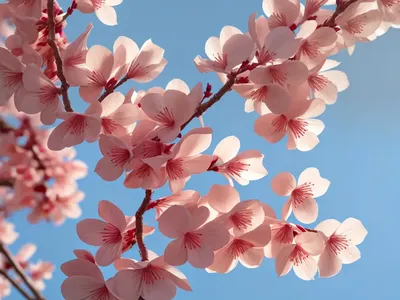
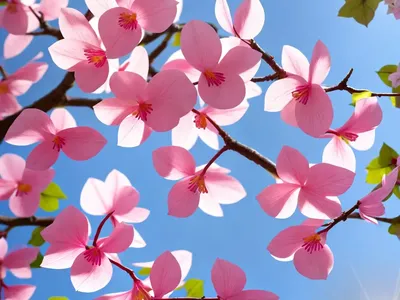
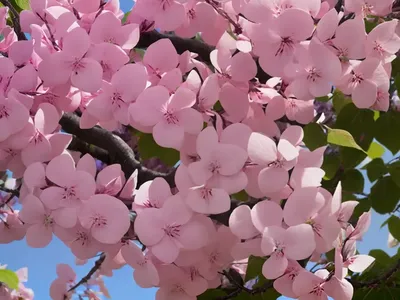
Cercis canadensis, commonly known as the Eastern Redbud, is a species of flowering tree belonging to the Fabaceae family. Referred to as “The Rising Sun,”.
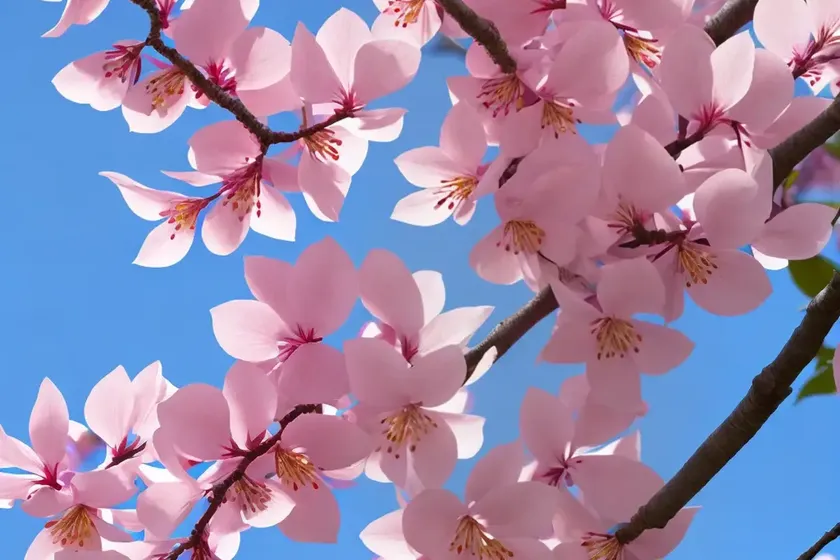
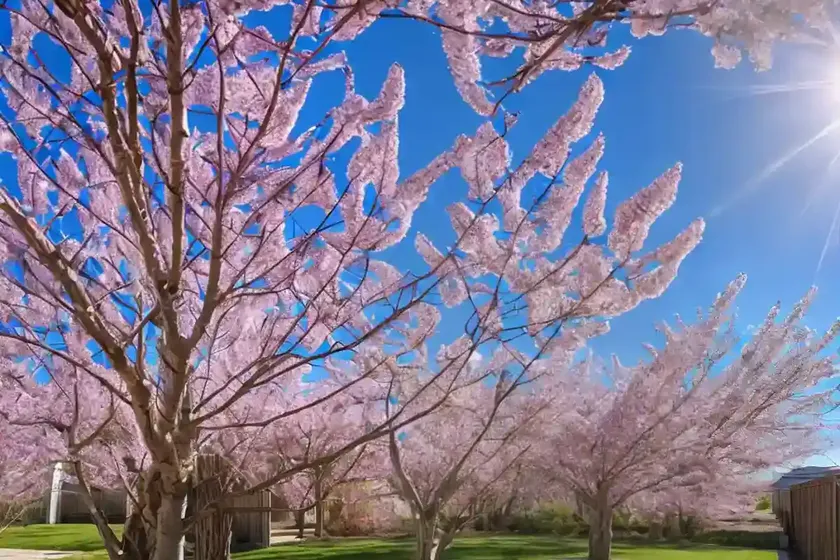
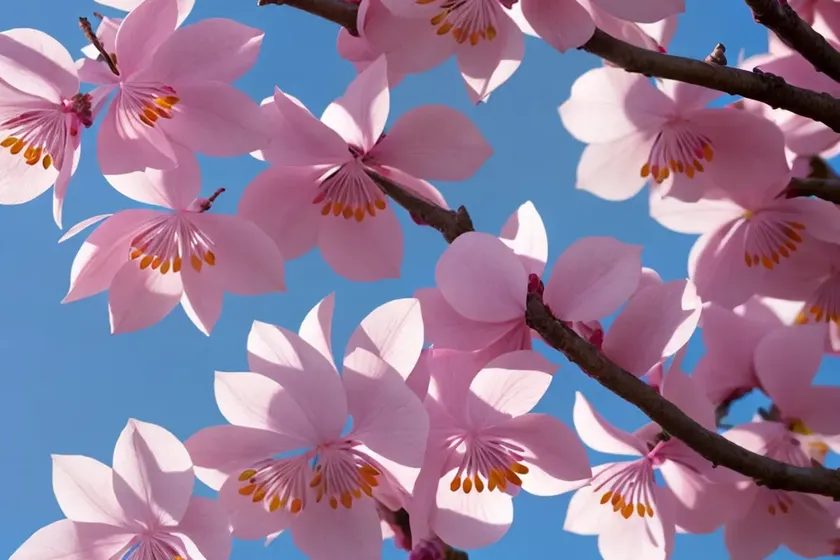
Cercis canadensis, commonly known as the Eastern Redbud, is a species of flowering tree belonging to the Fabaceae family. Referred to as “The Rising Sun,” it is sought after for its stunning spring blooms and vibrant foliage. This blog post aims to provide an in-depth exploration of this captivating tree, covering aspects such as its culture, uses, maintenance, and more.
Key Takeaways – Cercis canadensis The Rising Sun (Eastern Redbud)
Before delving into the specifics, let’s highlight the key takeaways for the Eastern Redbud:
- Common Name: Eastern Redbud
- Scientific Name: Cercis canadensis
- Cultivar: The Rising Sun
- Family: Fabaceae
What is a Plant: Cercis canadensis The Rising Sun (Eastern Redbud)
The Eastern Redbud, a deciduous, ornamental tree, is indigenous to eastern North America. It is identified by its distinctive, rosy pink flowers that emerge in spring before the foliage. The heart-shaped leaves add to its allure, with their transition from vibrant apricot-orange in spring to yellow-green in summer, and golden-yellow to orange in autumn. The tree’s compact size, coupled with its picturesque appearance throughout the seasons, makes it a prized addition to gardens and landscapes.
Culture
Uses
The Eastern Redbud serves a myriad of purposes, from its ornamental value to its ecological significance. Some of its common uses include:
- Ornamental: Admired for its striking floral display and foliage, it is a popular choice for landscaping and ornamental gardening.
- Wildlife Habitat: Serving as a nectar source for pollinators and attracting various bird species, the tree contributes to local biodiversity.
- Environmental Enhancement: The Eastern Redbud aids in soil conservation and erosion control, making it valuable in environmental projects.
Water
The Rising Sun Redbud generally prefers moist, well-drained soil; however, it demonstrates good drought tolerance once established. Adequate watering during its initial establishment phase is crucial for promoting healthy, vigorous growth.
Sunlight
This cultivar flourishes in full to partial sunlight, showcasing the best floral display and foliage coloration under these conditions.
Fertilizer
A balanced, slow-release fertilizer applied in early spring can promote robust growth and prolific flowering, although it is essential to follow manufacturer recommendations to avoid over-fertilization.
Soil
The Eastern Redbud thrives in various soil types, granted they are well-drained. It freely adapts to loamy, sandy, or clayey soils, cementing its versatility in different landscapes.
Pruning
Pruning is beneficial for shaping and maintaining the tree’s structure. It is recommended to carry out pruning during the dormant season to avoid disrupting its spring bloom, allowing for corrective cuts and shaping as required.
Propagation
Propagation of Cercis canadensis is commonly achieved through seeds or cuttings. While seeds can be sown directly after collection, stem cuttings are ideally taken in early summer for best results.
Container Popularity
The Rising Sun Redbud is well-suited for container cultivation, offering an opportunity to appreciate its captivating attributes in smaller spaces, such as patios and balconies.
Common Diseases
The Eastern Redbud is generally resilient to diseases, yet it may be susceptible to certain issues which include:
- Leaf Spot: Fungal infections can lead to the development of leaf spots, impacting the aesthetics of the tree.
- Anthracnose: This disease, caused by various fungi, can affect the tree, leading to dieback and defoliation under favorable conditions.
Disease Diagnosis
Early detection and proper diagnosis of diseases are crucial for effective management. Timely measures, such as promoting good air circulation and using fungicidal treatments when necessary, can aid in disease prevention and control.
Common Pests
While the Eastern Redbud is relatively resistant to pests, it may occasionally encounter challenges such as:
- Aphids: These tiny insects may infest the tree, causing damage to its foliage.
- Scale Insects: Scale infestations can impair the tree’s health if left unchecked, warranting appropriate control measures.
Botanist’s Tips
- Companion Planting: Pairing the Eastern Redbud with compatible companions, such as early-blooming bulbs or ground covers, can enhance its visual appeal and offer mutual benefits.
- Mulching: Applying a layer of organic mulch around the tree base can assist in moisture retention and weed suppression, contributing to its overall health and vigor.
Fun Facts
- The Eastern Redbud’s flowers are not only visually appealing but also edible, often featured in salads and used as a garnish.
- Native American tribes traditionally used the tree’s inner bark to produce a red dye.
Now that we’ve covered the various aspects of the Eastern Redbud, let’s explore some external resources further.
Links to External Resources
- Cercis canadensis – Missouri Botanical Garden
- Cercis canadensis – Lady Bird Johnson Wildflower Center
- Eastern Redbud Tree – The Arbor Day Foundation
In conclusion, Cercis canadensis The Rising Sun (Eastern Redbud) stands as a captivating addition to landscapes and gardens, offering an array of aesthetic, ecological, and practical benefits. Its adaptability, charming attributes, and minimal maintenance requirements make it a cherished specimen in horticulture and urban forestry. Whether it’s the mesmerizing spring blooms, the striking foliage, or its ecological contributions, the Eastern Redbud continues to enchant and enrich its surroundings, making it a cherished component of diverse ecosystems.