The Wonderful World of Cyclamineus Daffodils: Narcissus ‘Elizabeth Ann’
Cyclamineus daffodils are a stunning and popular variety of daffodil, adored for their unique and captivating blooms. One particularly remarkable cultivar is the Narcissus ‘Elizabeth Ann’. In this comprehensive guide, we will delve into the fascinating world of cyclamineus daffodils, with a special focus on the enchanting Narcissus ‘Elizabeth Ann’. From their cultural requirements and care tips to their uses and propagation, this article will equip you with everything you need to know about these extraordinary flowers.
What is Cyclamineus Daffodil: Narcissus ‘Elizabeth Ann’?
Before we dive into the specifics of growing and caring for Narcissus ‘Elizabeth Ann’, let’s take a moment to understand the nature of cyclamineus daffodils. Cyclamineus daffodils, belonging to the Narcissus genus, are characterized by their distinctively swept-back petals, often resembling the flares of a trumpet. These elegant flowers are renowned for their striking appearance and delightful fragrance, making them a favorite among gardeners and flower enthusiasts.
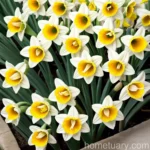
Now, let’s turn our attention to the exquisite Narcissus ‘Elizabeth Ann’. This particular cultivar is celebrated for its delicate, pale yellow petals and a prominent, slightly swept-back corona, creating an endearing bell-like shape. Elegant and dainty, the Narcissus ‘Elizabeth Ann’ is a sight to behold, bringing charm and grace to any garden or floral display.
Narcissus ‘Elizabeth Ann’ Characteristics
- Delicate, pale yellow petals
- Slightly swept-back corona, creating a bell-like shape
- Distinctive cyclamineus daffodil variety
Key Takeaways – Cyclamineus Daffodil: Narcissus ‘Elizabeth Ann’
Let’s now explore the essential aspects of growing and caring for Cyclamineus Daffodil: Narcissus ‘Elizabeth Ann’. From its cultural requirements to its maintenance and propagation, we’ll cover it all.
Cultural Requirements
Cyclamineus daffodils, including the captivating Narcissus ‘Elizabeth Ann’, have specific cultural requirements to thrive and grace your garden with their enchanting presence. Understanding these requirements is fundamental to fostering healthy and vibrant blooms.
Water
- Adequate and consistent moisture during the growing season
- Well-draining soil to prevent waterlogging, especially during dormancy
Sunlight
- Full to partial sunlight, with at least 6 hours of direct sun per day
- Preferably morning sun and dappled afternoon shade in hotter regions to prevent scorching
Fertilizer
- Balanced, all-purpose fertilizer in early spring before or during the growth period
- Incorporating organic matter into the soil during planting
Soil
- Well-draining, moderately fertile soil
- Neutral to slightly acidic pH (6.0 to 7.0)
- Avoiding waterlogged or compacted soil
Pruning
- Removal of spent flowers to encourage energy allocation to bulb development
- Allow foliage to wither naturally post-blooming to support bulb replenishment
Uses
Narcissus ‘Elizabeth Ann’ and other cyclamineus daffodils serve various purposes in both garden landscapes and floral arrangements. Their versatility and beauty make them a valuable addition to any setting.
- Charming garden borders and rockeries
- Enchanting container displays
- Captivating cut flowers for fresh floral arrangements
- Delightful additions to naturalized areas and woodland gardens
Propagation
The propagation of cyclamineus daffodils, such as Narcissus ‘Elizabeth Ann’, can be achieved through multiple methods, allowing you to expand your daffodil collection and share their beauty with others.
- Division of bulbs in the dormant season
- Harvesting and sowing of seeds for new cultivars
- Offsets or bulbils produced by mature bulbs
Container Popularity
Cyclamineus daffodils, including Narcissus ‘Elizabeth Ann’, are favored for their suitability in container gardening, adding a touch of elegance and cheer to patios, balconies, and other confined spaces.
- Ideal for small space gardening
- Prolific bloomers in containers
- Versatile for outdoor and indoor settings
Common Diseases
While cyclamineus daffodils are generally resilient, they can be susceptible to certain diseases that may impact their growth and vitality.
Disease Diagnosis
- Fusarium basal rot: Identified by yellowing and wilting foliage
- Narcissus yellow stripe virus: Symptoms include yellow streaks on foliage and reduced flowering
- Botrytis: Presents as brown lesions on leaves and flowers
Common Pests
The beauty of Narcissus ‘Elizabeth Ann’ and other cyclamineus daffodils may attract unwelcome pests, necessitating vigilance and pest management strategies.
- Narcissus bulb fly: Larvae-infested bulbs may rot and fail to flower
- Slugs and snails: Cause damage to foliage and flowers
- Thrips: Feeding leads to distorted flower and leaf tissue
Botanist’s Tips
Drawing on the wisdom of botanists and experienced gardeners, here are valuable tips for cultivating and enjoying cyclamineus daffodils, particularly Narcissus ‘Elizabeth Ann’.
- Plant daffodils in clumps for a stunning visual impact
- Combine with early-blooming perennials for a vibrant spring display
- Allow foliage to wither naturally to support bulb replenishment
Fun Facts
As we delve into the captivating world of cyclamineus daffodils, let’s uncover some fascinating and delightful facts about these charming flowers.
- The name “Narcissus” is derived from the Greek myth of a beautiful youth named Narcissus, who fell in love with his own reflection.
- Daffodils are associated with the arrival of spring and are often regarded as symbols of renewal and hope.
- The American Daffodil Society recognizes 13 official daffodil divisions, categorizing the diverse forms and characteristics of daffodil blooms.
Links to External Resources
To further deepen your understanding of cyclamineus daffodils and expand your knowledge, explore the following resources:
- American Daffodil Society – Comprehensive information on daffodil varieties and cultivation.
- Royal Horticultural Society – Authoritative guidance on daffodil care and gardening practices.
- Better Homes & Gardens – Inspiring ideas for incorporating daffodils into your garden and home.
Cultivating and embracing the beauty of cyclamineus daffodils, particularly the enchanting Narcissus ‘Elizabeth Ann’, offers a rewarding and delightful experience. With the right cultural practices and care, these graceful flowers will grace your garden with their timeless elegance and vibrant blooms. Whether grown in the ground or in containers, Narcissus ‘Elizabeth Ann’ and its counterparts enrich the spring landscape with their enduring charm and symbolize the abundant joys of the season.
By nurturing these beloved flowers, you become a steward of nature’s splendor, perpetuating the legacy of daffodils for generations to come. Let the allure of cyclamineus daffodils inspire you as you create your own breathtaking garden oasis, adorned with the captivating Narcissus ‘Elizabeth Ann’ and its kin.
In this extensive guide to cyclamineus daffodils, we’ve extensively covered the key aspects of growing and enjoying Narcissus ‘Elizabeth Ann’. From their cultural requirements and propagation to maintenance and intriguing fun facts, this article equips you with the knowledge and inspiration to welcome the enchanting beauty of cyclamineus daffodils into your life.