Plant Scientist Blog: Understanding Cyclamineus Daffodil (Narcissus ‘Tracey’)
What is Cyclamineus Daffodil (Narcissus ‘Tracey’)?
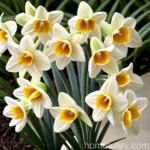
Cyclamineus daffodil, scientifically known as Narcissus ‘Tracey’, is a charming and delicate perennial that belongs to the Amaryllidaceae family. This beautiful flower is a member of the Narcissus genus and is a popular choice among gardeners for its unique appearance and ease of cultivation. The ‘Tracey’ variety is characterized by its elongated, swept-back petals and a small, trumpet-shaped corona. The flowers typically bloom in early to mid-spring, adding a delightful touch of color to the garden landscape.
Key Takeaways – Cyclamineus Daffodil (Narcissus ‘Tracey’)
Before delving into the details of caring for Cyclamineus daffodils, it’s essential to understand a few key takeaways about this exquisite plant.
Culture
- Cyclamineus daffodils are known for their graceful and elegant appearance, making them a popular choice for adding visual interest to gardens and landscapes.
- This variety of daffodils is particularly prized for its unique flower shape, characterized by swept-back petals and a small, flared trumpet.
- ‘Tracey’ daffodils are ideal for naturalizing in woodland settings, rock gardens, or mixed borders, where their delicate blooms can shine amidst other early spring flowers.
Uses
- Cyclamineus daffodils are versatile in their uses, serving as excellent cut flowers for stunning floral arrangements and bouquets.
- These daffodils also make for a delightful addition to container gardens, brightening up patios, balconies, and other outdoor spaces.
Water
- Adequate watering is crucial during the early growth stages and pre-bloom period to encourage healthy root development and bud formation.
- However, it’s important to avoid overwatering, as excessive moisture can lead to bulb rot and various fungal diseases.
Sunlight
- Cyclamineus daffodils thrive in bright, indirect sunlight or partial shade. In hotter climates, providing them with some afternoon shade can help prevent wilting and sunburn.
Fertilizer
- An ideal fertilizer regimen for ‘Tracey’ daffodils involves applying a balanced, slow-release fertilizer in early spring to support healthy growth and vibrant blooms.
- It’s important to ensure that the fertilizer is well-balanced, with an NPK ratio suited for promoting flower production and overall plant vigor.
Soil
- Well-draining, fertile soil is essential for the successful cultivation of Cyclamineus daffodils. A sandy loam or loamy soil with good drainage is ideal for preventing waterlogged conditions around the bulbs.
Pruning
- After the flowers have faded, it is recommended to deadhead the spent blooms to redirect the plant’s energy from seed production back into the bulb.
- Once the foliage turns yellow and begins to wither, it can be gently removed to maintain a neat and tidy appearance while allowing the bulb to replenish its energy reserves for the following year’s growth.
Propagation
- Cyclamineus daffodils can be propagated by division of the bulbs in late summer or early autumn. Dividing the bulbs every few years can help rejuvenate the plants and prevent overcrowding.
Container Popularity
- Due to their compact size and striking appearance, Cyclamineus daffodils are popular choices for container gardening, allowing gardeners to enjoy their beauty on patios, balconies, and other outdoor spaces.
Container Common Diseases
- When grown in containers, Cyclamineus daffodils may be prone to diseases such as basal rot and bulb scale mite infestations. Proper care and preventive measures can help mitigate these issues.
Disease Diagnosis
- Keeping a close eye on the plants for signs of fungal infections, such as Fusarium wilt or Botrytis, and promptly addressing any symptoms can prevent the spread of diseases among Cyclamineus daffodils.
Common Pests
- Aphids, thrips, and narcissus bulb flies are among the common pests that may affect Cyclamineus daffodils. Regular monitoring and intervention can help keep these pests at bay.
Botanist’s Tips
- Plant Cyclamineus daffodils in well-draining soil to avoid waterlogged conditions, which can lead to bulb rot and other fungal diseases.
- Provide adequate support for the tall, graceful blooms, especially in areas prone to strong winds, to prevent the delicate stems from bending or breaking.
- Consider companion planting with early spring bloomers like snowdrops or crocuses to create visually captivating displays and extend the flowering season.
Fun Facts
- The name “cyclamineus” is derived from the resemblance of the petals to those of cyclamen, a genus of tuberous perennial plants.
- The ‘Tracey’ variety of Cyclamineus daffodils is named after the renowned daffodil breeder, Brian S. Duncan’s daughter, Tracey.
Links to External Resources
- Royal Horticultural Society: Cyclamineus daffodil (Narcissus ‘Tracey’)
- The American Daffodil Society: Growing Cyclamineus Daffodils
- University of Maryland Extension: Diseases and Pests of Daffodils
With the key takeaways in mind, let’s explore the details of caring for and cultivating Cyclamineus daffodils, focusing on the variety Narcissus ‘Tracey’.
Cyclamineus Daffodil Care: Creating a Delightful Garden Display
Narcissus Tracey Flower: Radiant Beauty in the Spring Garden
The Narcissus ‘Tracey’ variety is distinguished by its captivating appearance. The elegantly swept-back petals of the ‘Tracey’ daffodil create a sense of movement and grace, making it a stunning addition to any garden. The small, flared trumpet in the center of the flower adds a focal point and enhances its visual appeal. As the ‘Tracey’ daffodil blooms in early to mid-spring, it signals the arrival of the much-awaited season of renewal and growth.
Daffodil Bulb Planting: Setting the Stage for Growth and Blooms
Planting daffodil bulbs is an essential step in establishing a thriving garden display. Here are the key considerations for successful bulb planting:
Planting Time
- In most regions, planting daffodil bulbs in the fall, roughly 2-4 weeks before the ground freezes, allows them to establish strong root systems before winter sets in.
Depth and Spacing
- The bulbs should be planted at a depth equal to three times their height, with a spacing of 3-6 inches between each bulb. This ensures adequate room for growth and naturalizing.
Soil Preparation
- Cultivate the soil to a depth of 8-10 inches and incorporate organic matter, such as compost or well-rotted manure, to improve soil structure and fertility.
Location
- Choose a site with well-draining soil and at least six hours of sunlight per day to promote healthy growth and abundant flowering.
Narcissus Cyclamineus Variety: Embracing Unique Characteristics
The Cyclamineus variety of daffodils is celebrated for its distinctive features, including the elegant and swept-back petals that give the flowers a graceful, windswept appearance. The ‘Tracey’ variety embodies these traits and adds a touch of elegance to any garden setting.
Flowering Season
- ‘Tracey’ daffodils typically bloom in early to mid-spring, brightening the garden with their charming and delicate flowers.
How to Grow Cyclamineus Daffodils: Essential Care Guidelines
Successful cultivation of Cyclamineus daffodils involves understanding and implementing appropriate care techniques to support healthy growth and prolific blooms.
Watering
- Adequate moisture is crucial for the establishment of ‘Tracey’ daffodils. Water the plants regularly, especially during dry spells, to keep the soil consistently moist but not waterlogged.
Sunlight Requirements
- Provide the daffodils with a location that receives partial to full sunlight. In hotter climates, some afternoon shade can help prevent excessive wilting and stress on the plants.
Fertilization
- Apply a balanced, slow-release fertilizer in early spring to provide essential nutrients for healthy growth and bountiful blooms. Follow the manufacturer’s recommendations for application rates.
Soil Requirements
- Plant Cyclamineus daffodils in well-draining soil with a slightly acidic to neutral pH. Rich, loamy soils with good fertility support optimal growth and flowering.
Pruning Tips
- Deadhead the spent blooms to redirect the plant’s energy into bulb development. Trim back the foliage only after it has turned yellow and begun to wither to allow the bulbs to replenish their energy reserves.
Narcissus Tracey Blooms: Radiant Additions to the Garden Landscape
The blooms of Narcissus ‘Tracey’ captivate onlookers with their elegant form and bright, cheerful colors. As the flowers emerge in early spring, they showcase the beauty and resilience of nature, infusing the garden with a sense of renewal and vitality.
Flowering Season
- The ‘Tracey’ daffodil variety blooms in early to mid-spring, adding a burst of color and elegance to the garden landscape.
Color Variations
- The ‘Tracey’ daffodil exhibits vibrant yellow petals and a slightly paler, flared trumpet, creating a captivating contrast that adds visual interest to any setting.
Fragrance
- The delicate fragrance of Narcissus ‘Tracey’ adds a pleasant aroma to the garden, creating an inviting and enchanting atmosphere.
Cyclamineus Daffodil Propagation: Sustaining Garden Beauty
Propagating Cyclamineus daffodils, including the ‘Tracey’ variety, allows gardeners to expand their displays and ensure the continued presence of these charming flowers.
Division
- Divide the bulbs of established daffodil clumps every few years in late summer or early autumn. This process helps rejuvenate the plants and prevent overcrowding.
Bulb Storage
- If storing bulbs for replanting, it’s essential to keep them in a cool, dry location with good air circulation to prevent moisture-related issues and maintain bulb viability.
Narcissus Tracey Garden: Enhancing Outdoor Spaces with Natural Elegance
In gardens and outdoor landscapes, the ‘Tracey’ variety of Cyclamineus daffodils brings forth a sense of natural elegance and charm, enriching the visual appeal of the surroundings.
Landscape Design
- Incorporate ‘Tracey’ daffodils into mixed borders, rock gardens, and woodland settings to create captivating displays and add early spring interest to the landscape.
Seasonal Blooms
- The early spring blooms of ‘Tracey’ daffodils complement the emerging foliage and flowering of other spring bulbs, creating dynamic and visually striking garden scenes.
Landscape Maintenance
- Regularly assess the health of daffodil plantings and address any maintenance requirements, such as deadheading spent blooms and removing fading foliage for a tidy appearance.
Cyclamineus Daffodil Soil Requirements: Nurturing Healthy Growth
Understanding the soil requirements for Cyclamineus daffodils, including the ‘Tracey’ variety, is essential for providing an optimal growing environment.
Soil pH
- Aim for a slightly acidic to neutral soil pH, ranging from 6.0 to 7.0, to support nutrient uptake and overall plant health.
Naturalizing
- Cyclamineus daffodils, including ‘Tracey’, adapt well to naturalizing, spreading gracefully in well-suited areas and creating enchanting displays.
Bulb Hardiness
- The hardiness of ‘Tracey’ daffodil bulbs allows them to withstand varying weather conditions, from cool spring temperatures to mild frosts.
Narcissus Tracey Container Gardening: Bringing Beauty to Smaller Spaces
The compact size and captivating appearance of the ‘Tracey’ variety make it a perfect choice for container gardening, allowing for versatile and creative outdoor displays.
Container Care
- Select well-draining containers with adequate drainage holes to prevent waterlogging and ensure healthy root development.
Companion Plants
- Pair ‘Tracey’ daffodils with early spring bloomers, such as primroses or grape hyacinths, to create charming container garden compositions and engage complementary color schemes.
Watering Needs
- Monitor the soil moisture in containers regularly, as they may require more frequent watering compared to plants in open ground.
Narcissus Tracey Cut Flowers: Ephemeral Beauty in Bouquets
The ‘Tracey’ daffodil’s striking blooms lend themselves beautifully to cut flower arrangements, infusing indoor spaces with the freshness and vibrancy of spring.
Flower Arrangements
- Incorporate ‘Tracey’ daffodils into floral arrangements and bouquets, where their cheery presence contributes to uplifting and celebratory displays.
Indoor Gardening
- Bring the joy of early spring blooms indoors by showcasing ‘Tracey’ daffodils in vases and containers, brightening up interior spaces.
Cyclamineus Daffodil Pests: Mitigating Common Intruders
As with many ornamental plants, Cyclamineus daffodils, including ‘Tracey’, may be prone to certain pests that can impact their health and vigor.
Pest Control
- Regularly inspect the plants for signs of aphids, thrips, or narcissus bulb flies and intervene promptly to mitigate their impact on the daffodils.
Narcissus Tracey Landscape Design: Creating Engaging Outdoor Displays
The captivating beauty of the ‘Tracey’ variety lends itself to a diverse range of landscape design applications, contributing to visually striking and enchanting outdoor settings.
Garden Design
- Integrate ‘Tracey’ daffodils into garden designs that emphasize early spring interest, such as alongside flowering shrubs or under deciduous trees.
Landscape Ideas
- Explore creative landscape ideas that showcase the elegance of ‘Tracey’ daffodils, whether in formal or informal garden settings, adding dynamic and engaging visual appeal.
Cyclamineus Daffodil Fall Planting: Preparing for Spring Splendor
The fall season serves as a crucial time for planting Cyclamineus daffodils, including the ‘Tracey’ variety, to set the stage for vibrant spring displays.
Planting Tips
- Choose a well-draining and sunny location for planting ‘Tracey’ daffodil bulbs, ensuring they receive sufficient sunlight for robust growth.
Winter Care
- Provide a layer of mulch over the planted bulbs to protect them from extreme cold and temperature fluctuations, promoting healthy root development.
Narcissus Tracey Foliage: A Seasonal Cycle of Growth
The foliage of ‘Tracey’ daffodils plays an essential role in the plant’s life cycle, contributing to its overall vigor and energy reserves for the future.
Growth Habit
- The upright and slender foliage of ‘Tracey’ daffodils emerges before the flowers and continues to photosynthesize, supporting the development of strong, flowering-sized bulbs.
Seasonal Blooms
- As the foliage matures and the daffodil blooms fade, the plants go through a seasonal cycle, with the foliage yellowing and withering, signaling the approach of dormancy.
Narcissus Tracey Winter Care: Providing Protection and Nourishment
Winter care for ‘Tracey’ daffodils involves implementing measures to safeguard the plants from harsh conditions and promote a successful transition to spring growth.
Bulb Storage
- Store daffodil bulbs in a cool, dry location during winter, ensuring they remain free from moisture and pests to maintain their viability.
Hardiness
- ‘Tracey’ daffodils exhibit resilience in cold weather, with the dormant period serving as a time for the bulbs to rest and rejuvenate for the upcoming growing season.
Cyclamineus Daffodil Companion Plants: Creating Dynamic Garden Compositions
Pairing ‘Tracey’ daffodils with well-suited companion plants promotes visual harmony and diversity in garden compositions, enhancing the overall aesthetic appeal.
Companion Flowers
- Consider planting ‘Tracey’ daffodils alongside early spring bloomers, such as grape hyacinths or winter aconites, to create captivating and complementary displays.
Narcissus Tracey Flower Bed Ideas: Designing Floral Showcases
In flower beds and perennial borders, ‘Tracey’ daffodils contribute to captivating displays that highlight their elegance and vibrant floral presence.
Garden Design
- Incorporate ‘Tracey’ daffodils into mixed flower beds or borders, pairing them with perennials and other early spring bloomers to create captivating garden scenes.
Cyclamineus Daffodil Flower Symbolism: Embodying Beauty and Resilience
As symbols of renewal and hope, ‘Tracey’ daffodils convey messages of joy and optimism, enriching the cultural and aesthetic significance of these charming flowers.
Flower Symbolism
- The bright and cheery blooms of ‘Tracey’ daffodils are often associated with themes of rejuvenation, new beginnings, and the anticipation of spring.
Investing time and care into cultivating Cyclamineus daffodils, particularly the ‘Tracey’ variety, rewards gardeners with an enchanting and delightful display of early spring beauty. With their unique characteristics, vibrant blooms, and graceful presence, ‘Tracey’ daffodils contribute to the splendor of the garden landscape and embody the spirit of the changing seasons.
For additional information and expert guidance on growing and caring for Cyclamineus daffodils, consider exploring resources from reputable organizations such as the Royal Horticultural Society, The American Daffodil Society, and university extension services. These valuable sources can provide valuable insights and practical tips for maximizing the beauty and resilience of ‘Tracey’ daffodils in garden settings.
Happy gardening and may the elegance of Narcissus ‘Tracey’ bring a touch of natural charm and vitality to your outdoor spaces!
References
- Royal Horticultural Society: Cyclamineus daffodil (Narcissus ‘Tracey’)
- The American Daffodil Society: Growing Cyclamineus Daffodils
- University of Maryland Extension: Diseases and Pests of Daffodils