Jewel Orchid (Ludisia Discolor)
As a plant scientist with a passion for ornamental plants, I find the Ludisia discolor, also known as the Jewel orchid, to be a fascinating species to.
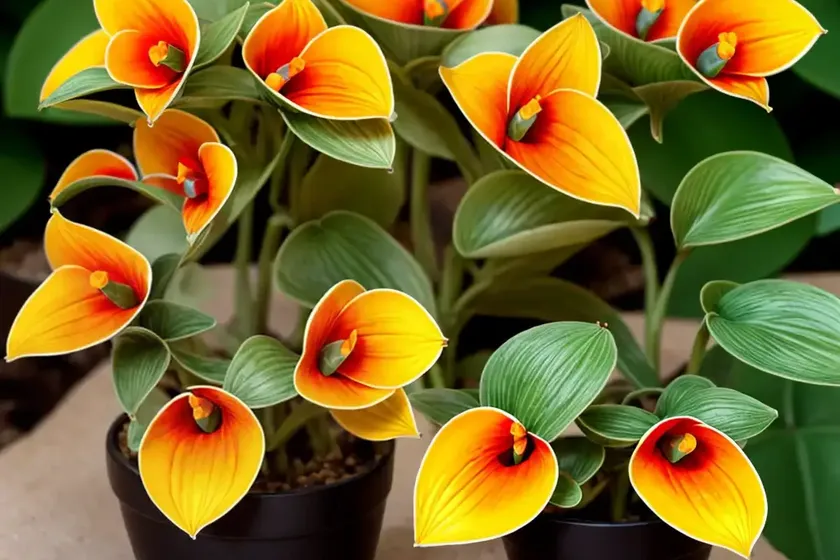
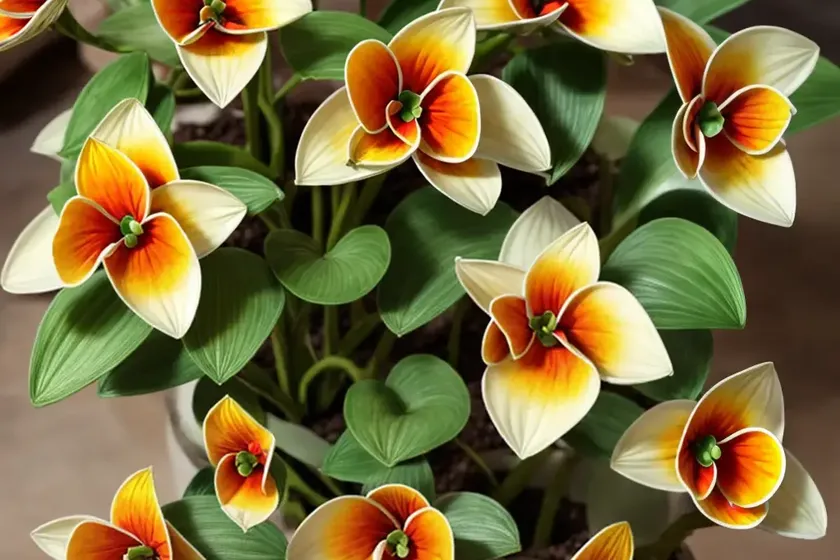
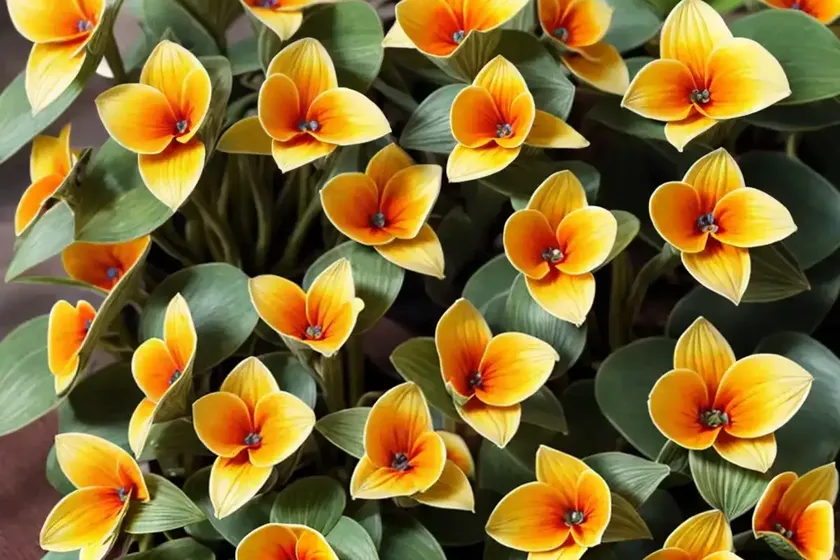
As a plant scientist with a passion for ornamental plants, I find the Ludisia discolor, also known as the Jewel orchid, to be a fascinating species to study and cultivate. In this comprehensive care guide, I will delve into the specific cultural requirements, propagation techniques, common diseases and pests, as well as interesting facts about the Ludisia discolor. Whether you’re a seasoned indoor gardener or a beginner looking to broaden your green thumb skills, this guide will equip you with the knowledge to help your Jewel orchid thrive.
What is the Jewel Orchid (Ludisia discolor)?
The Ludisia discolor, or Jewel orchid, is a striking plant known for its beautiful foliage. The name “Jewel orchid” is derived from the exquisite appearance of its leaves, which often showcase intricate patterns reminiscent of precious gemstones. This species is native to Southeast Asia, particularly regions such as Malaysia, Indonesia, and the Philippines, where it is found growing as an understory plant in the wild.
The Jewel orchid is a terrestrial orchid, meaning that it grows in soil, unlike epiphytic orchids that grow on other plants. Its unique appeal lies in the velvety, deep green to maroon leaves that feature contrasting veins, creating a visually stunning display. While Ludisia discolor is not primarily grown for its blooms, it does produce small white flowers on occasion. However, it is the foliage that truly steals the spotlight and makes this plant a sought-after addition to any plant enthusiast’s collection.
Key Takeaways – Jewel Orchid (Ludisia discolor)
Here are the key takeaways for the care and cultivation of Ludisia discolor:
- Culture: Understanding the natural habitat of Ludisia discolor is crucial for successfully caring for this plant.
- Uses: Jewel orchids are often grown for their ornamental foliage, making them popular choices for indoor gardens and terrariums.
- Water: Proper watering practices are essential to prevent issues such as root rot and dehydration.
- Sunlight: Ludisia discolor has specific light requirements to maintain its lush appearance.
- Fertilizer: Regular fertilization is critical to support the growth and vibrancy of the Jewel orchid’s foliage.
- Soil: Choosing the right potting mix is vital for providing optimal growing conditions.
- Pruning: Knowing when and how to prune Ludisia discolor is important for maintaining its appearance and health.
- Propagation: Understanding propagation methods allows for expanding your Jewel orchid collection.
- Container: Selecting suitable containers is essential for the well-being of your Ludisia discolor plant.
- Popularity: The allure of Jewel orchids has led to their popularity among plant enthusiasts.
- Common Diseases: Identifying and addressing common diseases is crucial for maintaining the plant’s health.
- Common Pests: Recognizing and managing common pests is essential to prevent damage to the Jewel orchid.
In the following sections, we will explore each of these aspects in detail, providing a thorough understanding of how to care for Ludisia discolor and highlighting its unique characteristics.
Culture
Understanding the natural habitat and ecological requirements of the Ludisia discolor is essential for providing optimal care. The species is typically found in the tropical forests of Southeast Asia, where it thrives in the shaded and humid conditions of the understory. Recreating these conditions is crucial for successfully growing and maintaining a healthy Jewel orchid.
Natural Habitat
Ludisia discolor is native to the humid and warm environments of Southeast Asia. In its natural habitat, it is often found growing on the forest floor, surrounded by decaying plant matter and rich, well-draining soil. The plant benefits from the dappled light that filters through the canopy above, offering it the ideal balance of light and shade. Understanding the natural habitat of the Jewel orchid provides valuable insight into its specific cultural needs.
Uses
Jewel orchids are primarily grown for their decorative foliage, making them popular choices for indoor gardens, terrariums, and shaded areas in tropical gardens. The stunning leaf patterns and rich coloration of Ludisia discolor add a touch of elegance to any plant collection. Due to their ornamental value, Jewel orchids are often featured in interior design and landscaping projects, where their lustrous leaves create a visually captivating display.
Its striking appearance and adaptability to indoor environments make Ludisia discolor an excellent choice for spaces where other plants may struggle, such as low-light areas or rooms with high humidity levels. Whether as a stand-alone specimen or in combination with other shade-loving plants, the Jewel orchid adds a touch of sophistication to any setting.
Water
Proper watering is crucial for the health and vitality of Ludisia discolor. As a terrestrial orchid, this species prefers consistently moist but not waterlogged soil. Achieving the right balance is essential to prevent issues associated with overwatering or underwatering. A well-established watering routine takes into account factors such as the plant’s stage of growth, environmental conditions, and the type of growing medium used.
- Watering Frequency: Jewel orchids should be watered when the top inch of the soil feels slightly dry to the touch. This typically translates to watering every 7-10 days, but adjustments may be necessary based on environmental factors such as temperature and humidity.
- Watering Technique: When watering, it is essential to ensure that the entire root ball receives moisture. Water thoroughly until water begins to drain from the bottom of the pot, allowing excess water to escape and preventing waterlogging.
- Avoiding Waterlogging: Standing water and waterlogged soil can lead to root rot, a common issue in Ludisia discolor and other orchid species. Adequate drainage is crucial for preventing waterlogging and protecting the plant’s root system.
Sunlight
Providing the right amount of light is paramount to maintaining the vibrant foliage of Ludisia discolor. While this species thrives in shaded conditions in its natural habitat, it still requires sufficient light to support healthy growth and maintain its characteristic leaf patterns.
- Light Requirements: Jewel orchids prefer bright, indirect light. Placing them in a location where they receive filtered sunlight or artificial light that mimics these conditions is ideal.
- Avoiding Direct Sunlight: Direct sunlight can scorch the leaves of Ludisia discolor, leading to sunburn and damage to the plant. Protecting the plant from direct sun exposure is crucial for its well-being.
Fertilizer
Regular fertilization is vital for providing the nutrients necessary for the lush foliage and overall health of Ludisia discolor. Selecting the right type of fertilizer and adhering to a proper fertilization schedule are essential for supporting the plant’s growth and visual appeal.
- Fertilizer Type: A balanced, water-soluble fertilizer designed for orchids or foliage plants is suitable for Jewel orchids. These fertilizers provide essential nutrients while addressing the specific needs of Ludisia discolor.
- Fertilization Schedule: During the growing season, which typically spans from spring to early fall, fertilize the plant every 4-6 weeks. Reduce or halt fertilization during the plant’s dormant period, which occurs during the winter months.
Soil
Selecting the appropriate growing medium is paramount for the successful cultivation of Ludisia discolor. The chosen soil should provide adequate drainage, aeration, and support for the plant’s root system. Additionally, incorporating organic matter can mimic the nutrient-rich conditions of the plant’s natural habitat, promoting healthy growth and vibrant foliage.
- Potting Mix: A well-draining, peat-based potting mix is suitable for Ludisia discolor. This type of mix provides the right balance of moisture retention and aeration, supporting the plant’s root system while preventing issues associated with waterlogging.
- Organic Matter: Incorporating organic matter, such as composted bark or coconut coir, into the potting mix can improve its structure and nutrient content. This mirrors the lush, humus-rich soil found in the plant’s native environment.
Pruning
Pruning is an essential aspect of maintaining the appearance and health of Ludisia discolor. Understanding when and how to prune the plant is crucial for managing its growth, promoting foliage density, and keeping it looking its best.
Pruning Techniques
- Removing Dead Leaves: Regularly inspect the plant for any dead or yellowing leaves and trim them at the base. This not only enhances the plant’s appearance but also prevents potential issues arising from decaying foliage.
- Managing Overgrowth: If the Jewel orchid becomes too leggy or overcrowded, it can be pruned to encourage a more compact and aesthetically pleasing growth habit. Trim back leggy stems to promote bushier growth and improve the plant’s overall appearance.
Propagation
Expanding your collection of Jewel orchids can be accomplished through the propagation of Ludisia discolor. Understanding the methods of propagation, including division and stem cuttings, allows you to multiply your plants and share the beauty of this species with fellow plant enthusiasts.
Propagation Methods
- Division: Dividing mature Ludisia discolor plants is a straightforward method of propagation. During repotting, carefully separate the rhizomes, ensuring that each division has a healthy root system and several growth points. Plant the divisions in individual pots with suitable growing conditions to encourage healthy establishment.
- Stem Cuttings: Stem cuttings can also be used to propagate Ludisia discolor. Select a healthy stem and carefully cut it into sections, ensuring that each section has at least one node. Plant the cuttings in a suitable rooting medium and provide the ideal environmental conditions to support their growth.
Container
Selecting appropriate containers for Ludisia discolor is crucial for providing the right growing conditions and maintaining the plant’s health. Whether for potted cultivation or terrarium displays, the choice of containers influences aspects such as drainage, aeration, and the overall visual presentation of the plant.
Container Selection
- Drainage Holes: When choosing pots for Jewel orchids, opt for containers with drainage holes to prevent waterlogging and provide adequate aeration for the roots. Proper drainage is essential for the overall health of Ludisia discolor.
- Terrariums: Jewel orchids can thrive in terrarium environments, provided that the container offers suitable airflow and humidity levels. When incorporating Ludisia discolor into a terrarium, select containers that allow for proper air circulation and maintain the desired humidity.
Popularity
The unique allure of Ludisia discolor has contributed to its popularity among plant enthusiasts worldwide. This species has captured the attention of indoor gardeners, terrarium enthusiasts, and orchid aficionados, thanks to its striking foliage and adaptability to indoor environments.
Common Diseases
While Ludisia discolor is relatively resilient, it is not immune to certain diseases and issues that can affect its health. Recognizing and addressing common diseases is crucial for preserving the vitality and visual appeal of the Jewel orchid.
Disease Diagnosis
- Fungal Diseases: Jewel orchids can be susceptible to fungal infections, particularly under conditions of excessive moisture and poor airflow. Watch for signs such as yellowing or browning of leaves, spotting, or wilting, which could indicate a fungal issue. Maintaining proper ventilation and avoiding overwatering can help prevent fungal diseases.
- Rot Diseases: Issues such as root rot can arise from waterlogging and poorly draining soil. If the plant exhibits symptoms such as mushy, discolored, or foul-smelling roots, it may be suffering from a rot disease. Adjust the watering practices and repot the plant into fresh, well-draining soil if necessary to address the issue.
Common Pests
While Ludisia discolor is generally resistant to pests, certain insects can still pose a threat to its well-being. Identifying and managing common pests is essential to prevent damage to the Jewel orchid and maintain the plant’s lush appearance.
Pest Management
- Spider Mites: These tiny pests can infest the foliage of Jewel orchids, leading to stippling, discoloration, and webbing on the leaves. Regularly inspect the plant for signs of spider mite infestations and take appropriate measures, such as using neem oil or insecticidal soap, to manage the pests.
- Mealybugs: Mealybugs are another potential pest that can affect Ludisia discolor. Look for white, cottony masses on the foliage or stems, which indicate the presence of mealybugs. Address infestations by using rubbing alcohol or insecticidal soap to eliminate the pests and protect the plant.
Botanist’s Tips
As a botanist specializing in orchids and ornamental plants, I have accumulated valuable insights and tips for growing and caring for Ludisia discolor. These tips are based on years of experience and observation, aimed at helping enthusiasts cultivate healthy and vibrant Jewel orchids.
Fun Facts
- Mimicry: Ludisia discolor leaves often feature patterns reminiscent of precious stones, adding to the plant’s allure and charm. This mimicry of natural gemstone patterns is a unique characteristic that sets the Jewel orchid apart.
- Air Purification: The lush foliage of the Ludisia discolor can contribute to indoor air purification, enhancing the overall air quality in its vicinity. Its capacity to remove certain pollutants makes it a valuable addition to interior spaces.
- Low Maintenance: While Ludisia discolor boasts an elegant appearance, it is relatively low maintenance compared to other orchid species. Its adaptability to indoor environments and reduced need for specialized care make it an attractive choice for indoor gardeners.
Links to External Resources
For further information on Ludisia discolor and its care, propagation, and unique characteristics, I recommend exploring the following sources:
- American Orchid Society: Ludisia discolor
- Royal Horticultural Society: Growing Orchids
- University of Florida IFAS Extension: Terrariums for Orchids
- Missouri Botanical Garden: Ludisia discolor
- Orchid Society of Great Britain: Jewel Orchids
Conclusion
Ludisia discolor, the captivating Jewel orchid, possesses a unique allure that has captured the attention of plant enthusiasts and interior designers alike. With its striking foliage, adaptability to indoor environments, and relatively low maintenance requirements, this species offers a wealth of visual and cultural appeal. By understanding and implementing the specific care guidelines outlined in this comprehensive guide, you can embark on a rewarding journey of cultivating and enjoying the beauty of Ludisia discolor in your own indoor garden or terrarium.
Through mindful attention to its cultural requirements, such as watering, light, and fertilizer, as well as proactive pest and disease management, you can unlock the full potential of the Jewel orchid and showcase its stunning foliage to its fullest extent. Whether you’re a seasoned orchid enthusiast or an aspiring indoor gardener, Ludisia discolor is a remarkable addition to any plant collection, bringing an element of elegance and natural beauty to its surroundings.
By embracing the careful cultivation of Ludisia discolor, you can experience the joy of nurturing a plant that not only enhances the visual appeal of your space but also contributes to a deeper appreciation for the wonders of the natural world.
As you embark on your journey with Ludisia discolor, I encourage you to explore the links to external resources provided in this guide, further expanding your knowledge and appreciation for this remarkable species. Whether it’s researching propagation techniques, finding companion plants, or simply gaining a deeper understanding of the intricate patterns adorning the leaves of the Jewel orchid, there are endless opportunities to delve into the captivating world of Ludisia discolor.
I hope this comprehensive care guide has provided valuable insights and inspiration for your journey with the Jewel orchid. As you witness the velvety foliage and unique charm of Ludisia discolor, may it spark a continued fascination with the remarkable diversity of plant life and the rewarding experiences that come with nurturing and appreciating these botanical treasures.
Happy gardening!
## References
-
- American Orchid Society: Ludisia discolor, https://www.aos.org/orchids/ludisia-discolor-br-jewel-orchid.aspx
-
- Royal Horticultural Society: Growing Orchids, https://www.rhs.org.uk/advice/profile?PID=839
-
- University of Florida IFAS Extension: Terrariums for Orchids, https://edis.ifas.ufl.edu/topic_terrariums_for_orchids
-
- Missouri Botanical Garden: Ludisia discolor, https://www.missouribotanicalgarden.org/PlantFinder/PlantFinderDetails.aspx?kempercode=b520
-
- Orchid Society of Great Britain: Jewel Orchids, https://www.osgb.org.uk/codecheck/jun_jewela.html


