Jesters Crown Fern (Nephrolepis ‘Jesters Crown Fern’)
Nephrolepis ‘Jesters Crown Fern’ is a delightful and distinctive variety of fern, belonging to the Nephrolepis exaltata species. Its unique name, “Jesters.
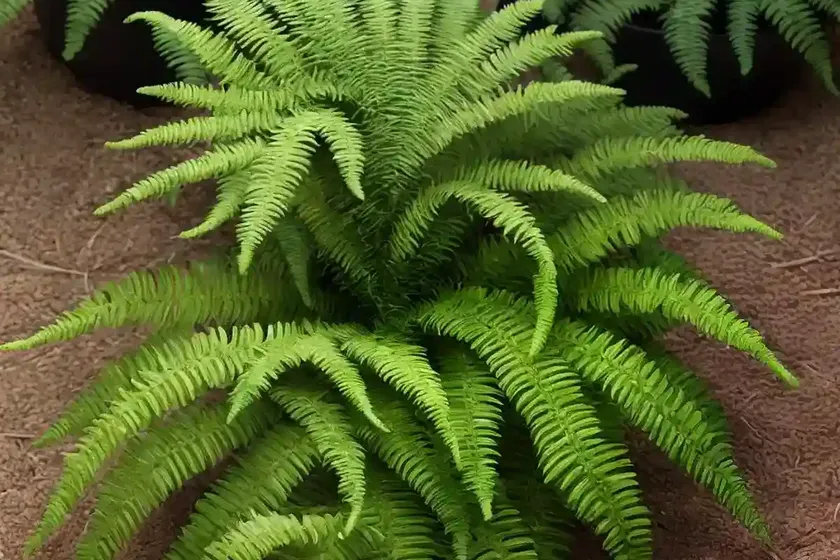
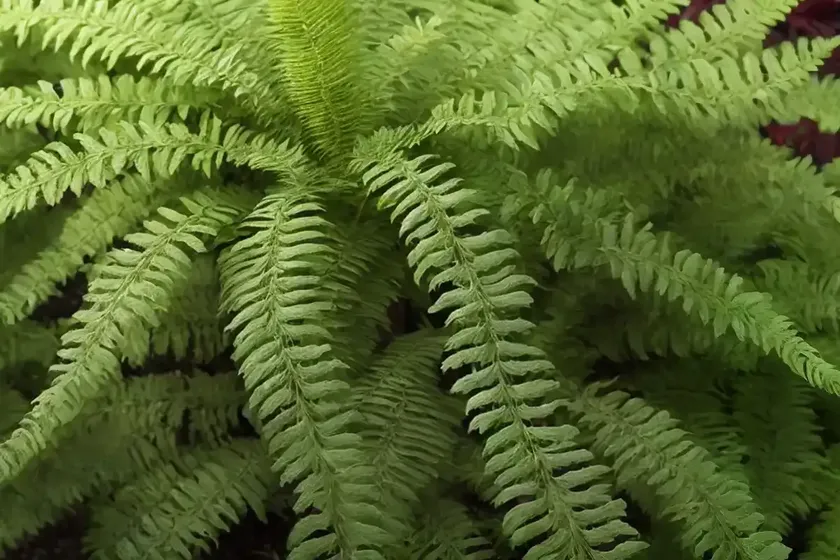
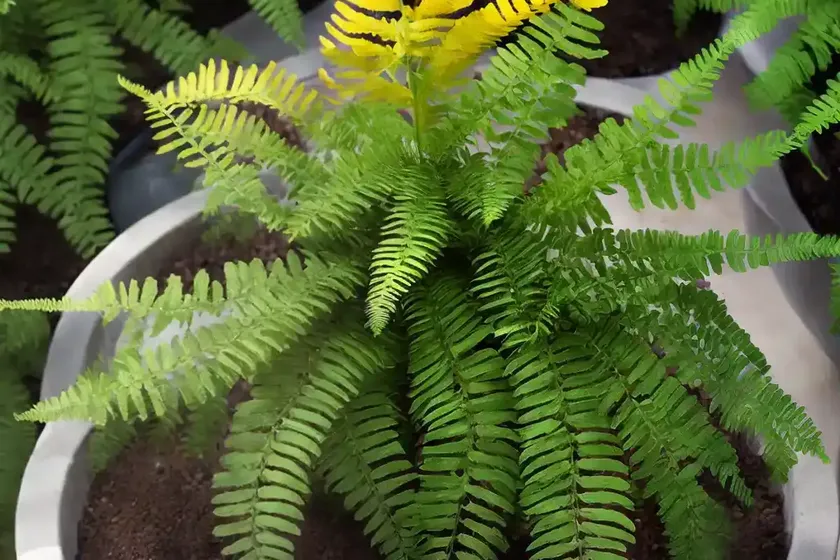
Nephrolepis ‘Jesters Crown Fern’ is a delightful and distinctive variety of fern, belonging to the Nephrolepis exaltata species. Its unique name, “Jesters Crown Fern,” mirrors the playful and vibrant appearance of its variegated fronds. This article aims to provide an in-depth understanding of the culture, uses, care, propagation, and maintenance of the Jesters Crown Fern.
What is Jesters Crown Fern (Nephrolepis ‘Jesters Crown Fern’)?
Jesters Crown Fern, scientifically known as Nephrolepis ‘Jesters Crown Fern,’ is a cultivar of the Nephrolepis exaltata species, which is a part of the larger Nephrolepis genus. This particular fern variety is renowned for its striking variegated foliage, characterized by a blend of vibrant green and creamy white hues, creating an enchanting and eye-catching display.
Key Takeaways
Let’s dive into the key aspects regarding the Jesters Crown Fern, including its culture, uses, water needs, sunlight requirements, fertilizer application, ideal soil composition, pruning techniques, propagation methods, container gardening, common diseases and pests, along with valuable tips from botanists and intriguing fun facts.
Culture
The culture of the Jesters Crown Fern primarily involves understanding its native habitat, growth habits, and environmental preferences to provide the optimal conditions for its thriving growth.
Native Habitat
The Nephrolepis exaltata species, to which the Jesters Crown Fern belongs, is indigenous to tropical regions, including parts of Asia, Africa, and the Americas. These ferns are often found in humid and shaded environments, such as tropical rainforests, where they thrive in the moist and sheltered conditions provided by the lush canopy.
Growth Habits
Jesters Crown Ferns are known for their vigorous and expansive nature, with their fronds capable of reaching impressive lengths and creating a lush, voluminous appearance. Their growth habit makes them well-suited for hanging baskets and container gardening, where their cascading foliage adds a graceful touch to any space.
Environmental Preferences
In a domestic setting, Jesters Crown Ferns thrive in environments that mimic their natural habitat, with a focus on providing ample humidity, moderate temperatures, and filtered sunlight. They are well-adapted to indoor conditions, making them popular choices for interior landscaping.
Uses
The Jesters Crown Fern is revered for its ornamental value, providing a myriad of practical and aesthetic uses in various settings, from residential homes to commercial spaces.
Ornamental Appeal
One of the primary uses of the Jesters Crown Fern is its ornamental value, as its variegated foliage introduces a splash of color and texture to any space. Whether displayed as a potted plant, incorporated into a terrarium, or suspended in a hanging basket, the Jesters Crown Fern brings a touch of natural elegance to its surroundings.
Air Purification
In addition to its visual allure, the Jesters Crown Fern contributes to indoor air quality by actively purifying the surrounding atmosphere. As with many other fern species, it has been recognized for its air-purifying capabilities, making it a valuable addition to interior spaces.
Interior Landscaping
Given its resilience in indoor environments, the Jesters Crown Fern is frequently utilized in interior landscaping projects, where its lush foliage enhances the aesthetic appeal of offices, lobbies, and residential interiors. Its adaptability to low light conditions further expands its potential for use in various settings.
Water
Proper watering is crucial for maintaining the health and vitality of the Jesters Crown Fern, as it has specific moisture requirements that should be carefully managed.
Watering Frequency
Jesters Crown Ferns prefer consistently moist soil, but they are susceptible to issues caused by overwatering. It is essential to establish a balanced watering routine, allowing the top layer of the soil to dry out slightly between waterings to prevent waterlogged conditions.
Watering Technique
When watering, it is advisable to apply water gently and evenly, ensuring that the entire root ball receives adequate moisture. Directing water onto the foliage can help maintain humidity levels and prevent the accumulation of dust on the fronds.
Water Quality
It is recommended to use room-temperature water for irrigating the Jesters Crown Fern, as extremely cold or hot water can shock the plant. Additionally, using distilled or filtered water can help prevent the accumulation of salts and impurities in the soil.
Sunlight
Understanding the sunlight requirements of the Jesters Crown Fern is essential for creating an environment that promotes healthy growth and vibrant foliage.
Light Intensity
Jesters Crown Ferns thrive in bright, indirect light, making them well-suited for placement in locations with filtered sunlight. Excessive direct sunlight can lead to leaf scorching and dehydration, particularly in regions with intense sunlight.
Light Duration
Providing the Jesters Crown Fern with approximately 6-8 hours of indirect sunlight daily is ideal for maintaining its growth and coloration. This can be achieved by placing the plant near a window with sheer curtains or in areas with dappled light.
Low Light Tolerance
While the Jesters Crown Fern appreciates moderate light levels, it also demonstrates a degree of adaptability to low light conditions, making it suitable for spaces with limited natural light. However, consistent low light exposure may result in reduced growth and diminished vibrancy.
Fertilizer
Applying an appropriate fertilizer regimen supports the Jesters Crown Fern’s nutritional needs and contributes to its overall vigor and foliage quality.
Fertilizer Type
A balanced, water-soluble fertilizer formulated specifically for ferns is recommended for the Jesters Crown Fern. These fertilizers typically contain essential macronutrients and micronutrients that are vital for the plant’s development.
Fertilizing Schedule
During the active growing season, which generally spans from spring to early fall, the Jesters Crown Fern benefits from regular fertilization. Applying the fertilizer at half the recommended strength every 4-6 weeks helps avoid over-fertilization and potential salt buildup in the soil.
Winter Rest Period
In contrast, the winter season corresponds to a period of reduced growth for the Jesters Crown Fern. During this time, it is advisable to scale back on fertilization, allowing the plant to enter a partial dormancy phase.
Soil
The composition and quality of the growing medium significantly influence the Jesters Crown Fern’s overall health and development.
Soil Texture
A well-draining, porous potting mix is essential for the Jesters Crown Fern, as it prevents waterlogged conditions that can lead to root rot. Incorporating ingredients such as peat moss, perlite, and coarse sand promotes optimal aeration and moisture retention.
pH Range
The ideal soil pH for the Jesters Crown Fern falls within the slightly acidic to neutral range, typically between 5.5 and 7.0. This pH range facilitates nutrient uptake and supports the plant’s physiological processes.
Soil Moisture
Maintaining consistently moist, yet not waterlogged, soil is crucial for the Jesters Crown Fern. Regularly assessing the moisture level of the soil and adjusting the watering frequency accordingly aids in preventing issues associated with either drought stress or excessive moisture.
Pruning
Pruning plays a vital role in the maintenance and grooming of the Jesters Crown Fern, allowing for the management of its size and appearance.
Trimming Dead Fronds
Regularly removing yellowed, withered, or dead fronds from the Jesters Crown Fern is beneficial for preserving the plant’s aesthetic appeal and preventing the onset of fungal diseases. These fronds can be carefully trimmed at the base to maintain the plant’s vitality.
Controlling Size
For Jesters Crown Ferns that have outgrown their allotted space, selective pruning can be employed to manage their size and shape. Trimming back excessive growth helps maintain a tidy and compact appearance while encouraging the development of new fronds.
Pruning Tools
When engaging in pruning activities, the use of clean, sharp pruning shears or scissors is recommended to ensure precise cuts and minimize the risk of introducing infections to the plant.
Propagation
The propagation of Jesters Crown Ferns offers an opportunity to expand the collection of these captivating plants, allowing for the creation of new specimens with the same charming characteristics.
Division
Division is the primary method of propagating Jesters Crown Ferns, involving the separation of the rhizomes, or underground stems, to produce individual plant sections. This process is typically carried out during repotting, allowing for the establishment of new, independent ferns.
Propagation Medium
Planting the divided sections of the Jesters Crown Fern in a well-draining, moisture-retentive potting mix promotes successful root development and the subsequent growth of new fronds. Creating a favorable microclimate with adequate humidity and warmth further supports the propagation process.
Rooting Hormone (Optional)
The application of rooting hormone to the cut ends of the divided sections can expedite the establishment of roots, accelerating the overall propagation timeline. While not essential, rooting hormone can enhance the success rate of propagation efforts.
Container Popularity
The Jesters Crown Fern’s compatibility with container gardening makes it a sought-after choice for adding a touch of greenery to indoor and outdoor spaces.
Indoor Containers
Jesters Crown Ferns are favored for indoor containers due to their adaptability to indoor environments, where they thrive in the controlled conditions provided by potted settings. Their graceful foliage and cascading growth habit lend a tranquil ambiance to interior spaces.
Hanging Baskets
The cascading nature of the Jesters Crown Fern’s fronds makes it a superb candidate for hanging baskets, where the foliage gracefully spills over the edges, creating a captivating display. Hanging baskets also allow for the utilization of vertical space, making them ideal for space-efficient gardening.
Terrariums
In the realm of miniature gardening, Jesters Crown Ferns are frequently featured in terrariums and enclosed planters, where their compact size and humidity requirements align with the microclimate created within these enclosed habitats.
Common Diseases
Understanding the common diseases that can afflict the Jesters Crown Fern is essential for implementing preventative measures and early intervention strategies.
Leaf Spot
Leaf spot, characterized by the formation of dark, circular lesions on the foliage, can affect Jesters Crown Ferns when subjected to prolonged periods of high humidity and inadequate air circulation. Promptly removing affected fronds and improving ventilation can help manage this issue.
Root Rot
Root rot, typically caused by overwatering and waterlogged soil, poses a significant threat to the health of Jesters Crown Ferns. Preventing excess moisture and ensuring proper soil drainage is crucial for averting the development of root rot.
Fungal Infections
Various fungal pathogens can target the Jesters Crown Fern, leading to symptoms such as wilting, yellowing, and a decline in overall vigor. Maintaining a clean and well-ventilated environment, along with utilizing fungicidal treatments when necessary, aids in preventing and managing fungal infections.
Disease Diagnosis
Identifying and diagnosing diseases affecting the Jesters Crown Fern involves observing and evaluating the plant’s symptoms to pinpoint the underlying cause.
Visual Symptoms
Being attentive to visual cues such as leaf discoloration, spotting, wilting, and stunted growth can provide valuable insights into the type of disease affecting the Jesters Crown Fern. Documenting the progression of symptoms facilitates accurate diagnosis.
Environmental Assessment
Conducting an assessment of the plant’s growing conditions, including its watering regimen, light exposure, and air circulation, helps ascertain whether environmental factors are contributing to the development of diseases.
Professional Consultation
If uncertain about the nature of a disease affecting the Jesters Crown Fern, seeking the expertise of a horticulturist or plant pathologist can provide valuable guidance for accurate diagnosis and effective treatment.
Common Pests
Pests can pose a threat to the well-being of the Jesters Crown Fern, necessitating vigilance and proactive pest management.
Spider Mites
Spider mites are a common pest that can infest Jesters Crown Ferns, particularly in dry and warm conditions. These tiny arachnids feed on the plant’s juices, leading to stippled, discolored foliage. Regularly misting the plant and keeping humidity levels high can deter spider mites.
Mealybugs
Mealybugs are another potential pest that can plague the Jesters Crown Fern, congregating on the underside of fronds and along the stem. Employing natural predators such as ladybugs or applying insecticidal soap helps control and eradicate mealybug infestations.
Scale Insects
Scale insects, appearing as hard, waxy protrusions on the plant, can compromise the health of Jesters Crown Ferns by draining their sap and weakening their vigor. Gently scrubbing affected areas with a soft brush dipped in rubbing alcohol aids in eliminating scale insects.
Botanist’s Tips
Drawing upon the expertise of botanists and horticultural professionals can offer valuable insights into optimizing the care and cultivation of the Jesters Crown Fern.
Humidity Enhancement
Augmenting the humidity levels around the Jesters Crown Fern through methods such as misting, grouping plants together, or utilizing a humidifier is beneficial for replicating the tropical conditions that the fern favors.
Seasonal Adjustments
Adapting the care routine of the Jesters Crown Fern to align with the changing seasons, such as adjusting watering frequency and light exposure, helps accommodate the plant’s natural growth patterns and requirements.
Vigilant Monitoring
Regularly monitoring the Jesters Crown Fern for changes in its foliage, growth habits, and overall health enables early detection of potential issues, facilitating timely intervention and preventive measures.
Fun Facts
Upon delving deeper into the realm of the Jesters Crown Fern, some intriguing and captivating fun facts come to light, adding an additional layer of fascination to this charming plant.
Variegation Variability
The variegated foliage of the Jesters Crown Fern exhibits a delightful degree of variability, with each frond showcasing a unique pattern and distribution of green and white hues, creating a captivating tapestry of colors.
Natural Air Purification
In addition to its visual appeal, the Jesters Crown Fern actively contributes to purifying the air within its surroundings, helping create a healthier and more rejuvenating indoor environment.
Historical Significance
Ferns, including the Jesters Crown Fern, have an extensive historical and cultural significance, having been celebrated and utilized in various traditions and practices spanning centuries.
Links to External Resources
For additional information on the Jesters Crown Fern and related topics, the following external resources offer comprehensive insights and guidance:
- American Fern Society – https://www.amerfernsoc.org/
- The Spruce – Gardening with Ferns – https://www.thespruce.com/gardening-with-ferns-4119788
- Gardening Know How – Growing Nephrolepis Ferns – https://www.gardeningknowhow.com/houseplants/nephrolepis/growing-nephrolepis-ferns.htm
- Royal Horticultural Society – Ferns and Fern Allies – https://www.rhs.org.uk/advice/profile?PID=521
- University of Florida IFAS Extension – Division of Ferns – https://edis.ifas.ufl.edu/fp013
In conclusion, the Jesters Crown Fern, with its mesmerizing variegated foliage and graceful demeanor, emerges as a captivating addition to both indoor and outdoor settings. By delving into its cultural preferences, care needs, and propagation methods, enthusiasts can cultivate and appreciate the alluring charm of this unique fern variety, enriching their green spaces with its vibrant presence. Whether adorning hanging baskets, terrariums, or interior landscapes, the Jesters Crown Fern stands as a testament to the enduring allure of ferns in the realm of botanical fascination.


