Jasminum Sambac ‘Grand Duke Of Tuscany’ (Arabian Jasmine)
Jasminum sambac ‘Grand Duke of Tuscany’, commonly known as Arabian Jasmine, is a stunning and aromatic flowering plant that has captured the hearts of.
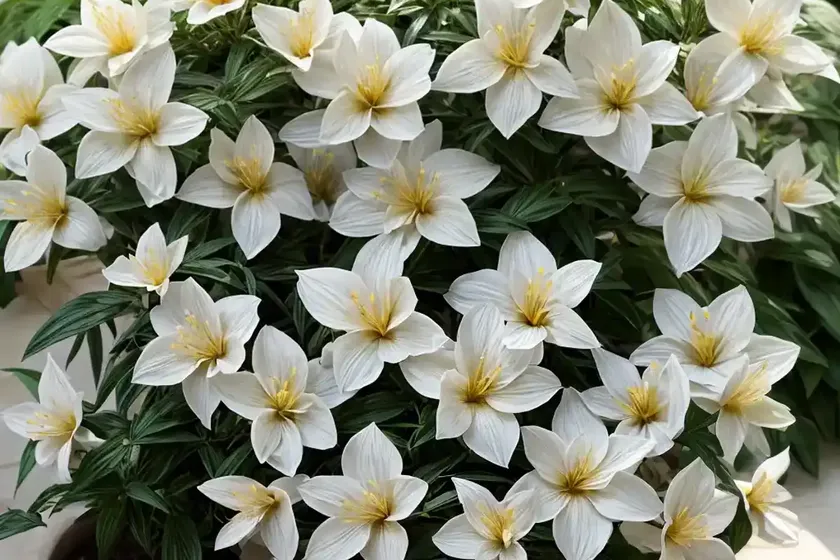
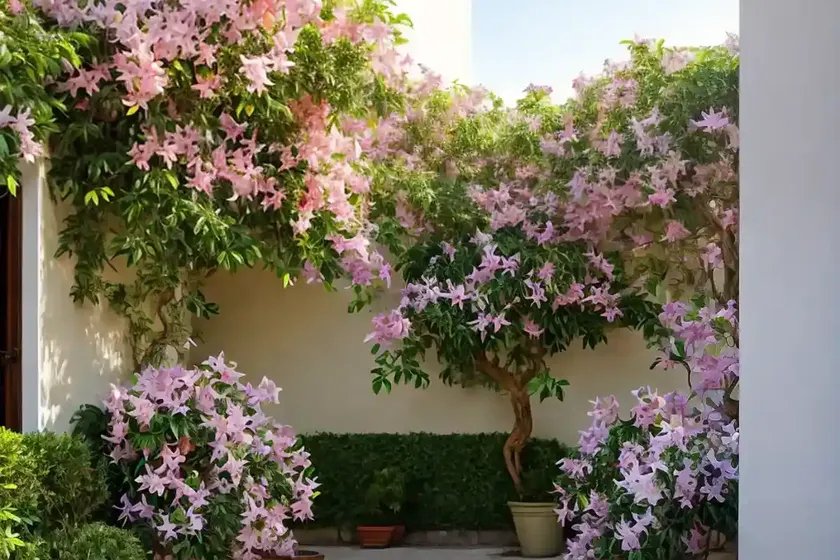
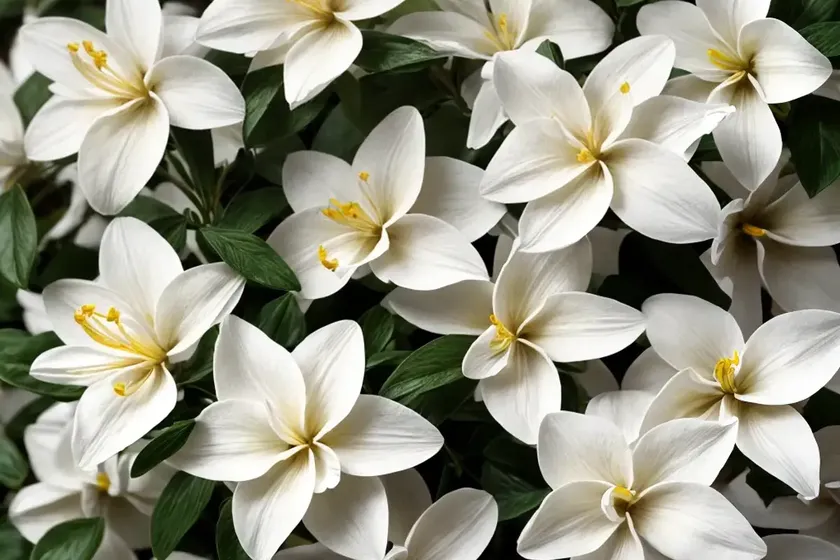
Jasminum sambac ‘Grand Duke of Tuscany’, commonly known as Arabian Jasmine, is a stunning and aromatic flowering plant that has captured the hearts of gardeners, horticulturists, and botanical enthusiasts around the world. Renowned for its intoxicating fragrance and delicate, white blossoms, this plant holds a special place in horticultural history and continues to be prized for its ornamental and aromatic qualities. In this comprehensive guide, we will delve into the world of Jasminum sambac ‘Grand Duke of Tuscany’, exploring its culture, uses, care requirements, propagation methods, common diseases and pests, and much more. Whether you are a seasoned gardener or a novice plant enthusiast, this guide aims to provide you with invaluable insights into the captivating world of Arabian Jasmine.
What is Jasminum sambac ‘Grand Duke of Tuscany’ (Arabian Jasmine)?
Jasminum sambac, commonly known as Arabian Jasmine, is a species of jasmine native to Southeast Asia. It is a member of the olive family (Oleaceae) and is prized for its fragrant and elegant flowers. The ‘Grand Duke of Tuscany’ is a specific cultivar of Jasminum sambac, renowned for its large, double flowers and intense fragrance. This cultivar has gained popularity for its ornamental value and is widely cultivated for its use in perfumery, traditional medicine, and ornamental purposes.
Key Takeaways – Jasminum sambac ‘Grand Duke of Tuscany’ (Arabian Jasmine)
Before we delve into the specifics of caring for Jasminum sambac ‘Grand Duke of Tuscany’, let’s take a quick look at the key takeaways associated with this captivating plant:
-
Arabian Jasmine Varieties: Jasminum sambac has several cultivars, each with its unique characteristics and fragrance profiles. The ‘Grand Duke of Tuscany’ stands out for its large, double flowers and intense aroma.
-
Growing Tips for Jasminum sambac ‘Grand Duke of Tuscany’: To cultivate healthy Arabian Jasmine plants, it is essential to provide the appropriate growing conditions, including suitable sunlight exposure, watering regimen, and soil requirements.
-
Jasmine Flower Symbolism: Jasmine flowers hold deep symbolism in various cultures, often representing purity, love, and prosperity. Understanding the symbolic significance of jasmine adds an extra layer of appreciation for this exquisite plant.
-
Benefits of Arabian Jasmine Plants: Aside from its ornamental value, Arabian Jasmine is valued for its aromatic essential oils and potential medicinal properties, making it a versatile and multifaceted plant.
-
Jasminum sambac ‘Grand Duke of Tuscany’ Characteristics: From its growth habit to flower morphology, familiarizing yourself with the characteristics of this jasmine cultivar will enhance your ability to care for it effectively.
With these key takeaways in mind, let’s embark on a journey through the culture, uses, and care requirements of Jasminum sambac ‘Grand Duke of Tuscany’.
Culture
Cultivating Jasminum sambac ‘Grand Duke of Tuscany’ requires an understanding of its cultural preferences, including its native habitat, climate requirements, and traditional uses. By immersing ourselves in the cultural context of this plant, we gain valuable insights into its origins and significance.
Jasmine Plant Family
Jasminum sambac belongs to the genus Jasminum, which is part of the larger family Oleaceae. The Oleaceae family encompasses a diverse range of flowering plants, including shrubs and vines, known for their ornamental, aromatic, and economic value. Within this family, jasmine plants are cherished for their fragrant blooms and have been cultivated for centuries for their use in perfumery and religious ceremonies.
Jasminum sambac ‘Grand Duke of Tuscany’ Origin
The origin of Jasminum sambac can be traced back to the tropical and subtropical regions of Southeast Asia, particularly India, Myanmar, and the Malay Peninsula. As one of the most revered jasmine species, its cultural significance in these regions is profound, with jasmine garlands adorning religious idols, traditional ceremonies, and cultural celebrations. The ‘Grand Duke of Tuscany’ cultivar, known for its exceptional beauty and fragrance, has captured the attention of horticulturists and gardeners worldwide, adding a touch of exotic allure to gardens and indoor spaces.
Jasmine Plant Symbolism in Different Cultures
The symbolism of jasmine varies across different cultures, often representing purity, love, and spirituality. In many South Asian countries, jasmine holds deep cultural and spiritual significance. It is commonly associated with purity and grace, making it an integral part of wedding ceremonies and religious rituals. Furthermore, jasmine’s delicate and alluring fragrance has inspired poets and artists, becoming a symbol of love and beauty in various artistic expressions.
Arabian Jasmine in Folklore and Mythology
In folklore and mythology, jasmine is often associated with tales of love and romance. In some cultures, it is linked to deities and mythical figures, further enhancing its mystique and allure. By understanding the enthralling myths and legends surrounding jasmine, we gain a deeper appreciation for the timeless appeal of this captivating plant and the profound impact it has had on human culture and imagination.
By embracing the cultural significance of Jasminum sambac ‘Grand Duke of Tuscany’, we honor its rich heritage and immerse ourselves in the captivating world of jasmine mythology, symbolism, and traditional uses.
Uses
Jasminum sambac ‘Grand Duke of Tuscany’ offers a myriad of uses, ranging from its ornamental beauty to its aromatic and medicinal properties. Understanding the diverse applications of Arabian Jasmine provides valuable insights into the plant’s versatility and significance in various domains.
Jasmine Flower Symbolism
The delicate and aromatic flowers of Arabian Jasmine are steeped in symbolism, often representing purity, love, and prosperity. Jasmine flowers are used in religious ceremonies, bridal adornments, and cultural celebrations, symbolizing purity of heart and spirit. Their intoxicating fragrance has the power to uplift moods and inspire a sense of tranquility, making them an indispensable part of many traditions and ceremonies.
Benefits of Jasmine Floral Essential Oil
The essential oil extracted from jasmine flowers is highly prized in the perfume industry and aromatherapy. With its rich, sweet fragrance, jasmine essential oil is used in perfumery to create exotic and alluring scents. In aromatherapy, it is valued for its calming and mood-enhancing properties, serving as a natural remedy for stress relief and emotional balance. The therapeutic potential of jasmine essential oil adds a layer of practical utility to the ornamental charm of Arabian Jasmine, making it a valuable asset in holistic well-being practices.
Arabian Jasmine in Traditional Medicine
Jasmine has a long history of use in traditional medicine, where it is revered for its potential medicinal properties. From alleviating stress and anxiety to promoting skin health, jasmine has been incorporated into traditional remedies and wellness practices across various cultures. Its aromatic compounds and potential health benefits make it a multifaceted plant with applications in both traditional and modern wellness trends.
Jasmine as a Natural Air Freshener
The enchanting fragrance of jasmine flowers extends beyond its symbolic and therapeutic uses, making it an ideal natural air freshener. Whether incorporated into potpourri, sachets, or room sprays, jasmine infuses living spaces with a sense of luxury and tranquility. Its ability to purify the air and create a welcoming ambiance has established jasmine as a popular choice for natural home fragrance solutions.
Arabian Jasmine in the Perfume Industry
Jasmine’s scintillating fragrance is highly coveted in the perfume industry, where it is utilized as a prominent note in numerous luxurious fragrances. Its sweet, floral aroma adds depth and sensuality to perfumes, making it a beloved and timeless ingredient in high-end fragrance formulations. The enduring allure of jasmine in the perfume industry underscores its status as a cherished botanical treasure with enduring appeal.
Jasmine Plant Spiritual Meanings
In addition to its cultural and traditional uses, jasmine holds spiritual significance in various belief systems. From symbolizing purity and divinity to embodying the essence of love and spirituality, jasmine transcends its botanical nature to become a symbol of profound spiritual meanings. Through its association with love, beauty, and devotion, jasmine has acquired a sacred symbolism that resonates across diverse spiritual and cultural contexts.
Arabian Jasmine as a Gift Plant
Given its beauty, fragrance, and symbolic significance, Arabian Jasmine makes a meaningful and thoughtful gift for special occasions. Whether presented as a potted plant or a bouquet of freshly picked blossoms, the gift of jasmine conveys sentiments of love, purity, and appreciation. Its ability to evoke joy and enchantment through its delicate blooms has made it a cherished gift plant with timeless appeal.
By exploring the diverse uses of Jasminum sambac ‘Grand Duke of Tuscany’, we gain a deeper understanding of its role as an ornamental, aromatic, and culturally significant plant with a rich tapestry of applications.
Care Requirements
Caring for Jasminum sambac ‘Grand Duke of Tuscany’ entails providing the optimal growing conditions to ensure its health, flowering, and overall vitality. From sunlight and water requirements to fertilization and pruning techniques, understanding the nuanced care requirements of Arabian Jasmine will empower you to cultivate thriving and resplendent plants.
Sunlight
Arabian Jasmine thrives in bright, indirect light, making it well-suited for locations with ample natural illumination. When grown indoors, placing the plant near a south or west-facing window can provide the ideal balance of sunlight exposure. Outdoors, Arabian Jasmine benefits from partial shade, especially during the intense midday sun in warmer climates.
Jasminum sambac ‘Grand Duke of Tuscany’ Sunlight Requirements
-
Indoor Cultivation: Place the plant near a south or west-facing window to ensure it receives sufficient indirect sunlight. Avoid exposing it to direct, intense sunlight, especially during the peak hours of the day.
-
Outdoor Cultivation: Provide partial shade to Arabian Jasmine, shielding it from the harsh midday sun. Filtered sunlight or dappled shade creates an optimal environment for healthy growth and prolific blooming.
Water
Maintaining proper moisture levels is crucial for the well-being of Arabian Jasmine. Balancing adequate hydration with appropriate soil drainage is essential for preventing waterlogged conditions that can compromise the plant’s health. Both under-watering and over-watering should be carefully avoided to ensure the plant’s vigor.
Jasminum sambac ‘Grand Duke of Tuscany’ Watering Tips
-
Frequency: Water the plant when the top inch of the soil feels slightly dry to the touch, aiming to keep the soil consistently moist but not waterlogged.
-
Soil Drainage: Use well-draining soil to prevent water accumulation at the roots, mitigating the risk of root rot and other moisture-related issues.
-
Avoid Overwatering: While Arabian Jasmine appreciates consistent moisture, overwatering should be avoided, as it can lead to root suffocation and subsequent decline in plant health.
-
Humidity: In drier environments, maintaining moderate humidity levels can benefit Arabian Jasmine, especially during the growing season and flowering period.
Fertilizer
Providing the appropriate nutrients is essential for promoting robust growth and abundant flowering in Arabian Jasmine plants. A balanced fertilizer formulated for flowering plants can support the plant’s nutritional needs and enhance its overall vitality.
Jasminum sambac ‘Grand Duke of Tuscany’ Fertilization Techniques
-
Fertilizer Type: Apply a balanced, water-soluble fertilizer designed for flowering plants to Jasmine during the growing season.
-
Frequency: Fertilize Arabian Jasmine every 4-6 weeks during the active growing period, reducing the frequency during the plant’s dormant phase.
-
Dilution: Dilute the fertilizer according to the manufacturer’s instructions to avoid over-fertilization and minimize the risk of nutrient imbalances.
-
Transition to Bloom Booster: Prior to the flowering season, consider using a bloom-boosting fertilizer to enhance the plant’s blooming potential and floral production.
Soil
The choice of soil plays a pivotal role in providing a conducive growing medium for Arabian Jasmine. Well-draining, fertile soil with a slightly acidic to neutral pH creates an optimal foundation for healthy root development and vigorous growth.
Jasminum sambac ‘Grand Duke of Tuscany’ Soil Preferences
-
Well-Draining Medium: Use a well-draining potting mix composed of peat moss, perlite, and organic matter to ensure optimal soil drainage and aeration.
-
pH Range: Aim for a slightly acidic to neutral pH range, ideally between 6.0 to 7.0, to cater to the plant’s nutritional uptake and overall health.
-
Soil Amendments: Incorporate organic matter such as compost or well-rotted manure to enrich the soil and provide a steady supply of nutrients to the plant’s root system.
Pruning
Pruning Arabian Jasmine serves multiple purposes, including shaping the plant, promoting bushier growth, and removing dead or overgrown portions. Regular pruning can invigorate the plant and encourage abundant flowering, leading to a more compact and aesthetically pleasing appearance.
Jasminum sambac ‘Grand Duke of Tuscany’ Pruning Tips
-
Timing: Prune Arabian Jasmine after the flowering period or during the early spring to stimulate new growth and flowering shoots.
-
Deadheading Flowers: Remove spent flowers to encourage continuous blooming and prevent the plant from expending energy on seed production.
-
Shaping and Maintenance: Trim back excessive growth and shape the plant to maintain its desired size and form, promoting a tidy and attractive appearance.
-
Sterilization: Use clean, sharp pruning shears to prevent the spread of diseases and ensure precise, clean cuts that facilitate the plant’s recovery.
Propagation
Propagating Jasminum sambac ‘Grand Duke of Tuscany’ allows enthusiasts to expand their plant collection and share the beauty of Arabian Jasmine with others. By leveraging effective propagation methods, such as stem cuttings or layering, gardeners can propagate new plants from mature specimens.
Jasmine Plant Propagation Methods
-
Stem Cuttings: Take 4-6 inch stem cuttings from a healthy, mature Arabian Jasmine plant and propagate them in a well-draining rooting medium. Provide bottom heat and adequate humidity to facilitate root development.
-
Layering: Encourage root formation by layering a low-growing branch of Arabian Jasmine in a prepared rooting medium, keeping the soil consistently moist until new roots develop.
-
Division: Divide the root ball of a mature Arabian Jasmine plant, carefully separating the root mass into sections to propagate new plants.
-
Air Layering: Encourage the formation of roots on a stem while it is still attached to the parent plant by implementing air layering techniques, allowing for the creation of a new plant once the roots have developed.
By mastering these propagation methods, enthusiasts can propagate healthy and genetically identical Arabian Jasmine plants to expand their collection and share the beauty of this captivating species with fellow plant enthusiasts.
Container Gardening
For gardeners with limited outdoor space or those looking to cultivate jasmine indoors, container gardening offers a versatile and accessible option for growing Jasminum sambac ‘Grand Duke of Tuscany’. By selecting the appropriate container, potting mix, and location, gardeners can curate an enchanting display of Arabian Jasmine within indoor or outdoor settings.
Growing Jasmine Plants in Containers
-
Container Selection: Choose a well-draining container with adequate drainage holes, providing sufficient space for the plant’s root system to develop and thrive.
-
Potting Mix: Utilize a high-quality potting mix designed for flowering plants, ensuring it offers adequate nutrition and promotes optimal moisture retention without becoming waterlogged.
-
Location: Place the container in a location that receives bright, indirect sunlight, such as near a window or on a patio with filtered light.
-
Adequate Drainage: Ensure that the chosen container facilitates proper drainage to prevent water accumulation, which can lead to root rot and other moisture-related issues.
-
Regular Monitoring: Monitor soil moisture levels and adjust watering frequency as needed, especially during the active growth and flowering periods.
By embracing the art of container gardening, enthusiasts can create stunning displays of Arabian Jasmine within limited spaces, adding a touch of elegance and fragrance to indoor and outdoor environments.
Popularity
The allure of Arabian Jasmine transcends geographical boundaries, captivating the hearts and senses of plant enthusiasts, perfumers, and cultivators worldwide. Renowned for its fragrance, ornamental beauty, and cultural significance, Jasminum sambac ‘Grand Duke of Tuscany’ has attained a notable level of popularity and adoration across diverse communities and industries.
Prized Features of Jasminum sambac ‘Grand Duke of Tuscany’
-
Fragrance: The intense and captivating fragrance of Arabian Jasmine is one of its most cherished attributes, evoking feelings of joy and tranquility.
-
Ornamental Value: The exquisite, double blossoms of the ‘Grand Duke of Tuscany’ cultivar make it a favorite among gardeners and floral enthusiasts, adding a touch of elegance and beauty to gardens and indoor spaces.
-
Cultural Significance: With its deep cultural roots and symbolic significance, Arabian Jasmine holds a special place in religious ceremonies, traditional practices, and cultural celebrations, enriching its appeal and relevance across traditions and customs.
-
Versatility: From its use in perfumery to its applications in traditional medicine and spiritual practices, Arabian Jasmine exhibits versatility and adaptability across various domains, contributing to its enduring popularity.
-
Aromatic Essential Oil: The valuable essential oil extracted from jasmine flowers has positioned Arabian Jasmine as a coveted botanical resource in the perfume industry and aromatherapy, further enhancing its popularity and commercial value.
By understanding the prized features and widespread popularity of Jasminum sambac ‘Grand Duke of Tuscany’, we gain a deeper appreciation for its dynamic role in horticulture, wellness, and cultural practices.
Common Diseases
Arabian Jasmine, like many plants, is susceptible to certain diseases and disorders that can affect its overall health and vigor. By familiarizing ourselves with the common diseases that afflict Jasminum sambac ‘Grand Duke of Tuscany’, we can proactively implement preventive measures and targeted treatments to safeguard the plant’s well-being.
Disease Diagnosis
-
Powdery Mildew (Erysiphales): A fungal infection characterized by white, powdery patches on the leaves, stems, and flowers. It thrives in humid conditions and can weaken the plant over time.
-
Leaf Spot (Cercospora Leaf Spot): Manifests as dark brown or black spots on the leaves, often with a concentric ring pattern. This fungal disease can lead to defoliation and reduced photosynthetic capacity.
-
Root Rot (Phytophthora): Excessive soil moisture and poor drainage can lead to the development of root rot, characterized by wilting, yellowing foliage, and root discoloration.
-
Bud Rot (Fungal Infection): Infected flower buds may rot and turn brown, ultimately failing to open into healthy blossoms. Proper air circulation and moisture control can mitigate the risk of bud rot.
-
Chlorosis (Iron Deficiency): Insufficient iron availability in the soil can lead to chlorosis, characterized by yellowing of the leaves while the veins remain green. Iron chelate applications can address this deficiency.
Common Pests
In


