Jasminum Sambac (Arabian Jasmine)
The mesmerizing fragrance of Jasmine, particularly that of Arabian Jasmine, has won the hearts of gardeners and perfume enthusiasts for centuries. The.
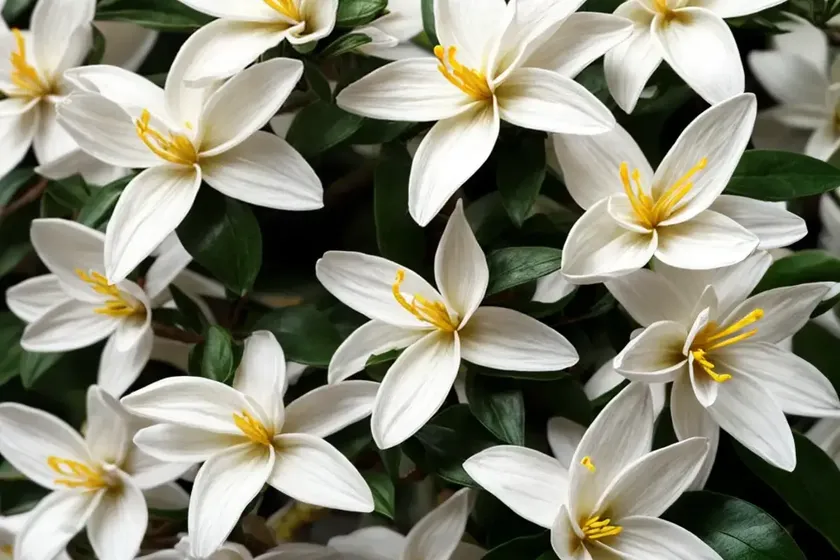
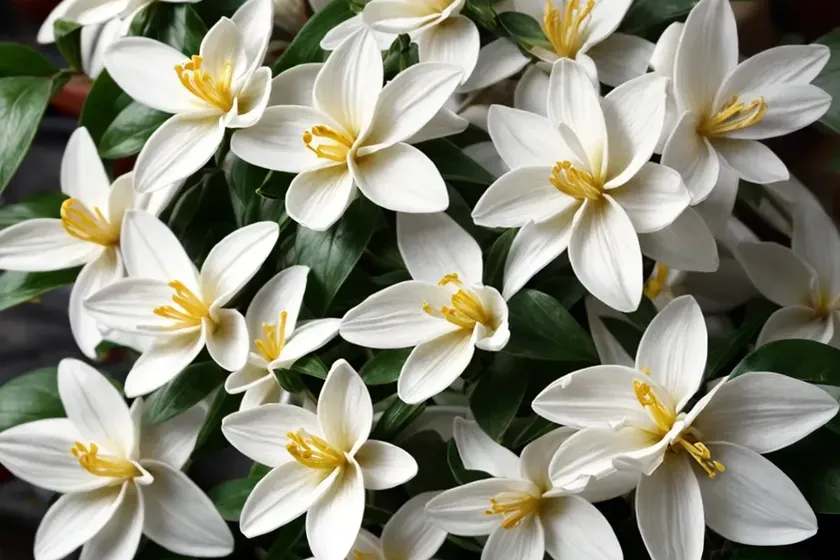
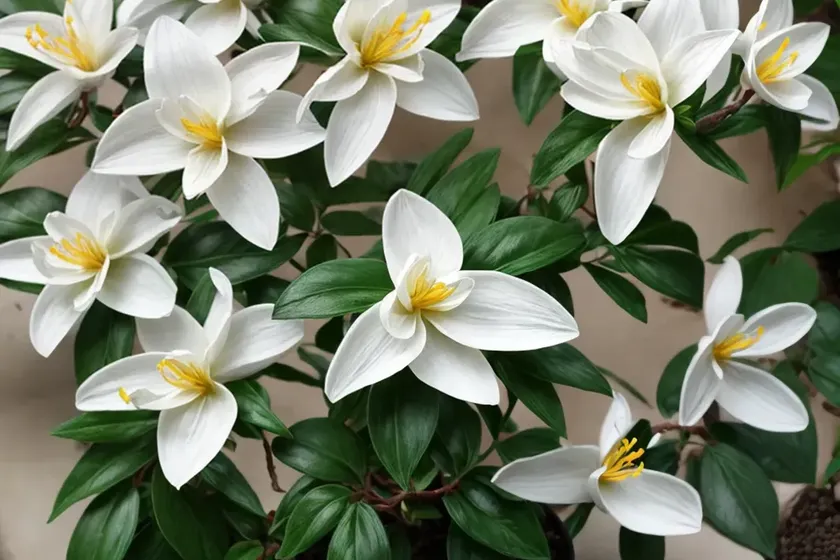
The mesmerizing fragrance of Jasmine, particularly that of Arabian Jasmine, has won the hearts of gardeners and perfume enthusiasts for centuries. The delicate white blooms and intoxicating scent of Jasminum sambac make it a cherished addition to any garden or indoor space. Not only valued for its beauty, but Arabian Jasmine also holds cultural significance, culinary uses, and therapeutic benefits. In this comprehensive guide, we will delve into the world of Jasminum sambac, exploring its culture, uses, maintenance tips, and much more.
What is Jasminum sambac (Arabian Jasmine)?
Jasminum sambac, commonly known as Arabian Jasmine or Sampaguita, is a species of jasmine native to Southeast Asia. This evergreen shrub or vine is renowned for its intensely fragrant, small white flowers, which bloom in clusters and release a captivating aroma, especially in the evenings. The leaves are glossy and dark green, providing an attractive backdrop to the pristine flowers. A member of the Oleaceae family, Jasminum sambac is valued not only for its ornamental beauty but also for its cultural and medicinal significance.
Key Takeaways – Jasminum sambac (Arabian Jasmine):
Before we dive into the specifics of caring for Arabian Jasmine, let’s explore the key takeaways and benefits associated with this beloved plant.
- Fragrance: The intoxicating aroma of Arabian Jasmine is one of its most enchanting qualities, making it a popular choice for perfumes, teas, and religious ceremonies.
- Cultural Significance: In many countries, Jasminum sambac holds cultural and religious importance. It is often used in weddings, festivals, and other traditional events.
- Medicinal Uses: In traditional medicine, Arabian Jasmine is believed to have various therapeutic properties, such as being a natural sedative and a remedy for headaches and eye infections.
- Culinary Uses: The flowers of Jasminum sambac are used in the culinary world for flavoring teas, syrups, and desserts.
- Garden Ornament: Whether grown in the ground or in containers, Arabian Jasmine adds an elegant and enchanting touch to gardens, balconies, and indoor spaces.
Now, let’s explore the essential aspects of caring for Arabian Jasmine.
Culture
Understanding the cultural requirements of Arabian Jasmine is essential for successfully nurturing this delightful plant. From water and sunlight needs to soil and fertilizer requirements, each aspect plays a crucial role in the overall health and vigor of Jasminum sambac.
Water
Arabian Jasmine plants prefer moist but well-draining soil. During the growing season, keep the soil consistently moist, but not waterlogged. Avoid letting the soil dry out completely, as this can stress the plant and lead to flower drop. In winter or during dormant periods, reduce the frequency of watering, allowing the top inch of soil to dry out between waterings.
Sunlight
Jasminum sambac thrives in bright, indirect light. While it appreciates ample sunlight, especially during the blooming season, it’s important to shield it from direct, harsh sunlight, particularly during the hottest parts of the day. Providing a balance of sunlight helps promote healthy growth and abundant flowering.
Fertilizer
To encourage the lush foliage and profuse flowering for which Arabian Jasmine is known, regular fertilization is important. During the growing season, feed your Jasminum sambac with a balanced, all-purpose fertilizer every four to six weeks. Be sure to follow the manufacturer’s instructions regarding the application and dosage to prevent overfertilization, which can harm the plant.
Soil
Arabian Jasmine thrives in well-draining, slightly acidic soil. A quality potting mix designed for flowering plants or a blend of peat moss, perlite, and compost works well for container-grown Jasminum sambac. If planting directly in the ground, ensure the soil is loose, fertile, and well-draining.
Pruning
Pruning plays a vital role in shaping Arabian Jasmine, promoting new growth, and maintaining its overall health. Regular pruning helps prevent the plant from becoming leggy, encourages a bushier growth habit, and removes dead or diseased branches. Here are some key points to consider when pruning Arabian Jasmine:
- Timing: Prune Jasminum sambac right after the blooming period to promote new growth and flowering for the following season.
- Technique: Use clean, sharp pruning shears to make precise cuts. Trim back overgrown or wayward branches to maintain the desired shape and size of the plant.
Propagation
Propagating Arabian Jasmine allows you to expand your collection of these precious plants without having to purchase new specimens. The most common methods of propagating Jasminum sambac include:
- Softwood Cuttings: Propagate Arabian Jasmine from softwood cuttings taken in spring or early summer. Remove the lower leaves and dip the cut ends in a rooting hormone before planting the cuttings in a well-draining potting mix.
- Layering: Air layering is another successful method for propagating Arabian Jasmine. Select a healthy, flexible stem and make an incision, applying rooting hormone to the wounded area. Enclose the wounded section in moist peat moss or potting mix, and once roots form, separate and pot the new plant.
Container Popularity
Arabian Jasmine is a popular choice for container gardening due to its manageable size, ornamental value, and fragrance. When selecting a container for Jasminum sambac, choose one with adequate drainage holes and space for the plant to grow. Terracotta or clay pots are excellent choices, as they provide good airflow to the roots and help prevent waterlogging. Additionally, the porous nature of these containers promotes a healthy root system.
Container Common Diseases
While Arabian Jasmine thrives in containers, it is susceptible to certain diseases and pests, particularly when grown in a confined space. The following are common diseases that may affect Jasminum sambac in containers:
- Root Rot: Overwatering or poor drainage can lead to root rot, a fungal disease that causes the roots to become mushy and discolored. To prevent root rot, ensure the container has proper drainage and allow the soil to dry out slightly between waterings.
- Powdery Mildew: This fungal disease manifests as a powdery white coating on the leaves, typically caused by high humidity and poor air circulation. To mitigate powdery mildew, improve airflow around the plant and avoid overhead watering.
Disease Diagnosis
Diagnosing diseases in Arabian Jasmine is crucial for implementing the appropriate treatment and preventing the spread of infections. When inspecting your Jasminum sambac for signs of disease, look for the following symptoms:
- Yellowing or Browning Leaves: Discolored leaves may indicate a nutrient deficiency, overwatering, or a fungal infection.
- Wilting or Drooping Foliage: These symptoms can be associated with underwatering, root rot, or a pest infestation.
- Unusual Spots or Coatings on Leaves: Powdery or fuzzy coatings, as well as spots or discolorations, may signal a fungal infection.
Upon observing any of these symptoms, promptly isolate the affected plant and seek appropriate measures to address the issue.
Common Pests
Arabian Jasmine is susceptible to various pests, including aphids, scales, and spider mites. When grown in containers, this vulnerability can be heightened due to the controlled environment. Here are some common pests that may affect Arabian Jasmine in containers:
- Aphids: These small, sap-sucking insects can cause wilting and stunted growth. In addition to physically removing them, you can use insecticidal soap to control aphid infestations.
- Scales: Scale insects are often found on the stems and leaf undersides, appearing as small, raised bumps. Prune and dispose of heavily infested areas and consider applying horticultural oil to manage scale populations.
Botanist’s Tips
As a plant scientist and enthusiast, here are some valuable tips to help you successfully grow and care for Arabian Jasmine:
- Regular Monitoring: Keep a close eye on your Jasminum sambac for any signs of stress, disease, or pest activity. Early detection allows for prompt intervention and a higher likelihood of successful treatment.
- Moderation is Key: Whether it’s watering, fertilizing, or pruning, practicing moderation is essential when caring for Arabian Jasmine. Avoid overwatering, overfertilizing, or excessive pruning, which can all have detrimental effects on the plant.
Fun Facts
To further appreciate the beauty and significance of Arabian Jasmine, here are some interesting and lesser-known facts about this captivating plant:
- In the Philippines, Jasminum sambac is the national flower and is known as “Sampaguita.” It holds cultural and symbolic significance in the country.
- Arabian Jasmine is often used in perfumery for its sweet, floral fragrance. Its essential oil is highly sought after for its aromatic properties.
- In traditional Ayurvedic medicine, Arabian Jasmine is revered for its calming effects and is used in various herbal preparations.
Links to External Resources
For further in-depth information on Arabian Jasmine and related topics, consider exploring the following external resources:
- RHS – Arab Jasmine
- University of Florida IFAS Extension – Jasminum sambac
- Missouri Botanical Garden – Arabian Jasmine
In conclusion, the allure of Arabian Jasmine extends far beyond its captivating fragrance and delicate blooms. From its cultural significance to its medicinal uses and ornamental value, Jasminum sambac continues to enchant and inspire people around the world. Whether grown in garden beds or cherished in containers, this esteemed plant holds a special place in horticulture, perfumery, and traditional practices.
I hope this comprehensive guide has provided you with valuable insights into the world of Arabian Jasmine and has inspired you to cultivate and appreciate the timeless beauty of Jasminum sambac.
Happy gardening!
By: [Your Name]
Date: [Current Date]


