Jasminum Officinale (Common Jasmine)
Jasminum officinale, commonly known as Common Jasmine or Poet’s Jasmine, is a species of jasmine that belongs to the family Oleaceae. Known for its.
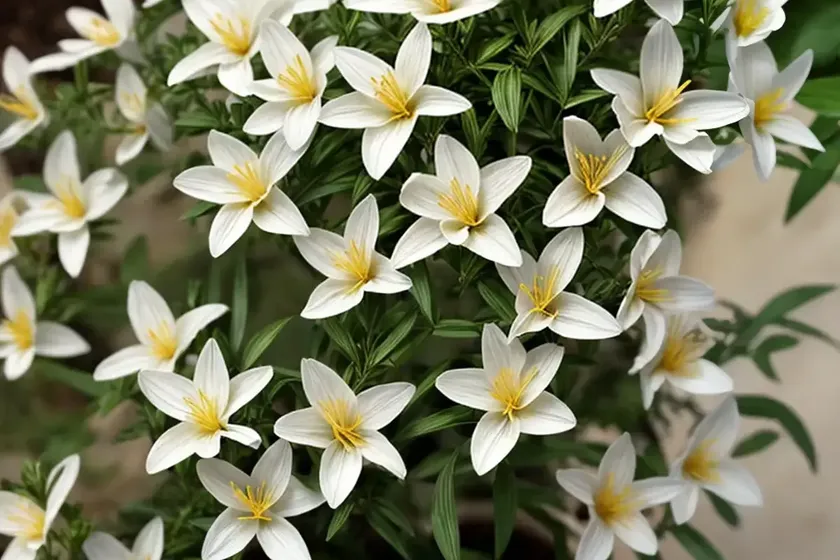
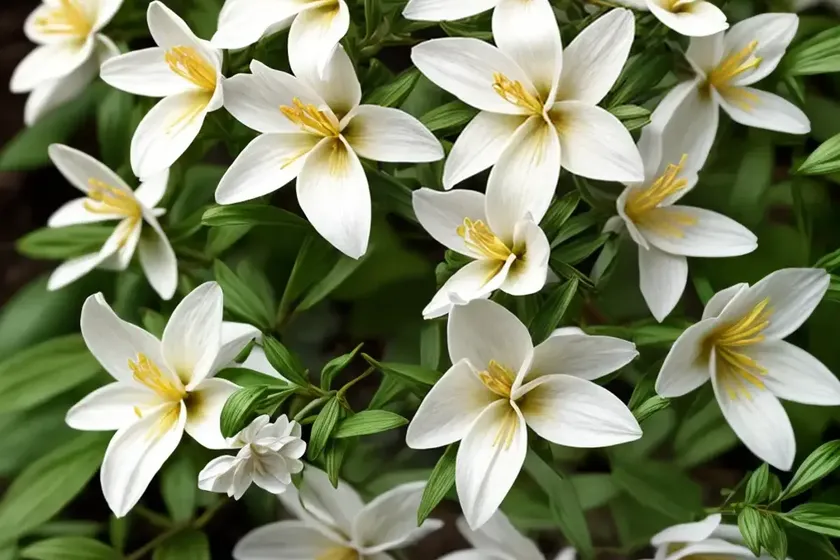
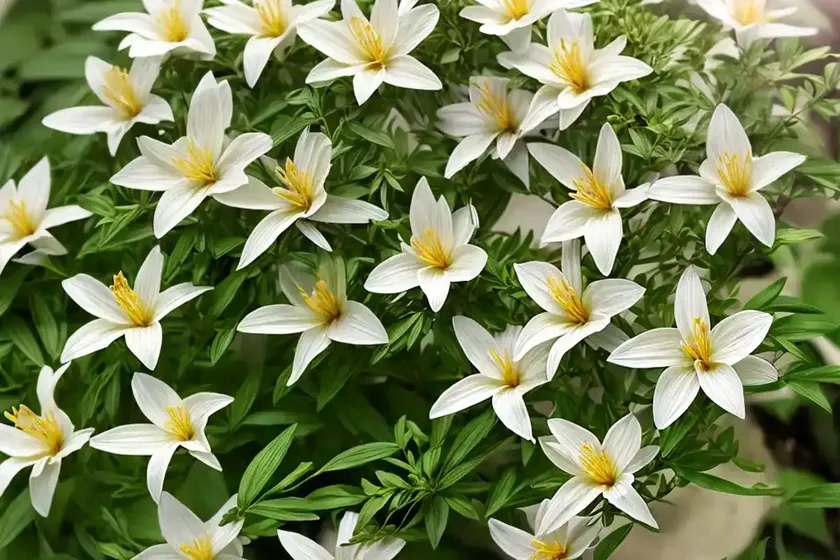
Jasminum officinale, commonly known as Common Jasmine or Poet’s Jasmine, is a species of jasmine that belongs to the family Oleaceae. Known for its fragrant white flowers and versatile uses, this plant holds great significance in various cultures and practices. In this comprehensive guide, we will explore the various aspects of Jasminum officinale, ranging from its cultivation and maintenance to its cultural and medicinal significance.
What is Jasminum officinale?
Jasminum officinale is a woody, deciduous climbing plant with bright green, pinnate leaves and clusters of small, white, star-shaped flowers that emit an enchanting, sweet fragrance. This species is native to the Himalayas, western China, and Central Asia, and has been naturalized in many temperate regions around the world.
Key Takeaways – Jasminum officinale (Common Jasmine)
Before delving into the specifics of cultivating and caring for Common Jasmine, let’s highlight some of the key takeaways about this plant:
- Scientific Name: Jasminum officinale
- Common Names: Common Jasmine, Poet’s Jasmine
- Plant Type: Perennial vine
- Fragrance: Strong, sweet, and lingering
- Cultural Significance: Used in traditional medicine, aromatherapy, perfumery, and culinary practices
- Growth Habit: Climbing, trailing vine
- Flowering Season: Summer to early autumn
- Watering Needs: Moderate
- Sunlight Requirements: Full sun to partial shade
- Soil Type: Well-draining, fertile soil
- Hardiness Zones: 7-10
Now, let’s explore the various aspects of cultivating and caring for Jasminum officinale.
Culture
Uses
The uses of Common Jasmine are diverse and widespread, encompassing traditional medicine, aromatherapy, culinary applications, and ornamental purposes. Here are some of the common uses of Jasminum officinale:
- Traditional Medicine: In traditional medicine, the flowers of Jasminum officinale are valued for their potential medicinal properties, including their use as a calming and sedative herb.
- Aromatherapy: Common Jasmine essential oil is highly prized in aromatherapy for its soothing and uplifting effects. The aroma of jasmine is often associated with relaxation and stress relief.
- Perfumery: The intensely fragrant flowers of Common Jasmine are widely used in the perfume industry and are considered one of the most important and valuable aromatic materials.
- Culinary Applications: In some cultures, the flowers of Jasminum officinale are utilized in the preparation of herbal teas and various culinary dishes, adding a delicate floral essence to the food.
- Ornamental Plant: Common Jasmine is grown as an ornamental plant in gardens, where it is treasured for its beautiful, fragrant flowers and its ability to attract pollinators.
Water
Proper watering is crucial for the health and vitality of Common Jasmine. While Jasminum officinale is relatively drought-tolerant once established, it still requires regular watering, especially during periods of active growth and flowering.
- Watering Frequency: Water the plant deeply once or twice a week during dry spells, ensuring that the soil remains consistently moist but not waterlogged.
- Moisture Requirements: Common Jasmine thrives in well-draining, evenly moist soil. Avoid allowing the soil to dry out completely between waterings, particularly during hot, dry weather.
- Watering Tips: Pay close attention to the moisture levels in the root zone, especially for container-grown plants. Mulching the base of the plant can help retain soil moisture and reduce water evaporation.
Sunlight
In order to thrive and produce an abundance of flowers, Common Jasmine requires ample sunlight. However, it also tolerates partial shade, making it a versatile plant for various garden environments.
- Light Requirements: Plant Jasminum officinale in a location that receives full sun to partial shade. It benefits from at least 4-6 hours of direct sunlight per day for optimal growth and flowering.
- Indoor Cultivation: When growing Common Jasmine indoors, place it near a south-facing window or in a location with bright, indirect light. Supplemental fluorescent or LED grow lights can also be used to provide adequate light for indoor plants.
Fertilizer
Proper fertilization supports the vigorous growth and abundant flowering of Common Jasmine, ensuring that the plant remains healthy and vibrant throughout the growing season.
- Fertilizer Type: Use a balanced, all-purpose fertilizer with equal NPK (nitrogen, phosphorus, and potassium) ratios, or a fertilizer specifically formulated for flowering plants.
- Application Frequency: Fertilize Jasminum officinale once a month during the growing season, from spring to early autumn.
- Fertilizer Application Tips: Apply the fertilizer according to the manufacturer’s instructions, and water the plant thoroughly after feeding to distribute the nutrients evenly in the root zone.
Soil
The selection of the right soil type and quality is paramount for the successful cultivation of Common Jasmine. It thrives in well-draining, fertile soil that provides a conducive environment for root development and nutrient uptake.
- Soil Type: Plant Jasminum officinale in loamy, well-draining soil with a slightly acidic to neutral pH (6.0-7.0).
- Soil Amendments: Incorporate organic matter such as compost or well-rotted manure into the planting area to improve soil structure and fertility.
- Container Planting: When growing Common Jasmine in containers, use a well-draining potting mix formulated for flowering plants or mix your own using components like peat moss, perlite, and coarse sand.
Pruning
Regular pruning is essential for maintaining the shape, size, and health of Common Jasmine, as well as promoting prolific flowering and reducing the risk of disease and pest infestations.
- Pruning Timing: Prune Jasminum officinale in late winter to early spring, before the onset of new growth, to remove dead or damaged branches, shape the plant, and encourage new growth.
- Techniques: Use sharp, clean pruning shears to make precise cuts, removing any dead, diseased, or congested growth. Additionally, thin out the center of the plant to improve air circulation.
- Training and Support: Common Jasmine can be trained to climb on trellises, arbors, or fences, and regular pruning helps control its growth and prevents it from becoming overly dense or unruly.
Propagation
The propagation of Common Jasmine can be accomplished through various methods, including seed sowing, stem cuttings, and layering. Each approach offers its own set of advantages and considerations, allowing plant enthusiasts to propagate Jasminum officinale successfully.
Propagation Techniques
Seed Propagation
- Seed Collection: Collect ripe, dry seeds from mature Common Jasmine plants, and store them in a cool, dry place until the following spring.
- Sowing Method: Sow the seeds in seed-starting trays or pots filled with a well-draining seed starting mix. Keep the soil consistently moist and maintain a warm, humid environment to promote germination.
Stem Cutting Propagation
- Cutting Selection: Take 4-6 inch (10-15 cm) stem cuttings from the tips of healthy, non-flowering shoots, and remove the lower leaves to expose the nodes.
- Rooting Medium: Dip the cut end of the stem in a rooting hormone powder and place it in a container filled with a moist, well-draining rooting medium (e.g., perlite, vermiculite, or a mix of peat and perlite).
- Rooting Process: Keep the cuttings in a warm, humid environment with bright, indirect light, and mist them regularly to maintain high humidity levels. Once rooted, transplant the cuttings into individual pots.
Layering
- Air Layering: Select a healthy, flexible stem, make a small incision in the bark, and apply a root-inducing hormone. Enclose the treated area with moist sphagnum moss and wrap it with plastic to create a humid environment conducive to root development.
Container Popularity
Common Jasmine is well-suited for container cultivation, making it a popular choice for patio gardens, balconies, and other outdoor spaces with limited ground area.
- Container Selection: Choose a large, sturdy container with adequate drainage holes to accommodate the vigorous growth and sprawling nature of Jasminum officinale.
- Potting Mix: Use a well-draining, nutrient-rich potting mix to support the growth and development of Common Jasmine in containers. Regularly monitor soil moisture levels and water as needed to keep the plant healthy.
Common Diseases
While Common Jasmine is generally resilient to diseases, it is susceptible to certain issues that may compromise its health and vigor. Understanding the common diseases affecting this plant is essential for prevention and management.
Disease Diagnosis
Fungal Diseases
- Powdery Mildew: A common fungal disease characterized by the development of powdery, white patches on the leaves and stems. It thrives in humid conditions and can be managed through proper air circulation and the application of fungicidal sprays.
Bacterial Diseases
- Bacterial Leaf Spot: This disease presents as dark, water-soaked spots on the leaves, which gradually develop into larger lesions with a yellow halo. Remove and destroy affected plant parts and avoid overhead watering to minimize the spread of the bacteria.
Viral Diseases
- Jasmine Mosaic Virus: This viral disease causes mottled discoloration and distortion of the leaves. There is no cure for viral infections, so prevention through the use of disease-free planting material and vector control is crucial.
Common Pests
Pest Identification
Aphids
- Symptoms: The presence of aphids is indicated by the distortion and yellowing of leaves, as well as the secretion of sticky honeydew on the plant surface.
- Management: Use a strong jet of water to dislodge aphids from the plant, or apply insecticidal soap or neem oil to control infestations.
Whiteflies
- Symptoms: Whiteflies are small, flying insects that congregate on the undersides of leaves, causing yellowing, stunted growth, and the presence of sticky honeydew.
- Control Measures: Employ reflective mulches, sticky traps, or insecticidal sprays to manage whitefly populations and prevent damage to Common Jasmine.
Botanist’s Tips
As a plant scientist, I have some additional tips and insights to share with fellow enthusiasts who are keen on cultivating, caring for, and exploring the potential of Jasminum officinale.
- Companion Planting: Common Jasmine can be strategically planted alongside other fragrant and beneficial plants, such as lavender, rosemary, and lantana, to create a harmonious and aromatic garden space.
- Cold Climate Care: In colder regions, overwinter potted Common Jasmine plants indoors to protect them from freezing temperatures. Place them in a cool, bright location and reduce watering during the dormant period.
- Fragrance Enhancement: To enhance the fragrance of Common Jasmine, plant it in a location where the evening breeze can carry the floral scent into nearby outdoor living and relaxation areas.
Fun Facts
To deepen your appreciation for Common Jasmine, here are some intriguing and captivating fun facts about this enchanting plant:
- The scent of jasmine is often associated with love, sensuality, and beauty, making it a popular choice for bridal bouquets and wedding decor.
- In some cultures, jasmine symbolizes purity, grace, and elegance, and it is traditionally worn in the hair or as an ornament during special occasions.
- Jasmine tea, made from scented green tea leaves and jasmine flowers, is esteemed for its delicate, floral aroma and soothing properties, and is enjoyed as a calming and revitalizing beverage.
- Common Jasmine has been cultivated for centuries for its historical and cultural significance, and it continues to be revered for its ornamental, aromatic, and therapeutic attributes.
Now that we’ve explored the various aspects of cultivating, caring for, and appreciating Common Jasmine, let’s delve into some valuable external resources for further information and inspiration.
Links to External Resources
To further enrich your knowledge and enjoyment of Common Jasmine, here are some useful external resources that provide valuable insights, guidance, and inspiration:
- The Royal Horticultural Society (RHS): Jasmine cultivation guide
- University of Florida IFAS Extension: Jasmine Production Guide
- North Carolina State University Cooperative Extension: Growing Common Jasmine
- National Institutes of Health (NIH): Medicinal properties of Jasminum officinale
- Aromatherapy Library: Jasmine in aromatherapy
As you continue to explore the captivating world of Common Jasmine, may these resources serve as valuable companions on your gardening and wellness journey.
In conclusion, Jasminum officinale, with its exquisite beauty, captivating fragrance, and diverse uses, holds a cherished place in the hearts and gardens of plant enthusiasts around the world. By embracing the art of cultivation, learning from its cultural and historical significance, and experiencing its aromatic wonders, we can forge a deeper connection with this timeless and enchanting plant.
So, whether you’re drawn to the allure of jasmine in perfumery, the tranquility of jasmine in aromatherapy, or the elegance of jasmine in your garden, may the presence of Common Jasmine enrich your life with its enduring beauty and aromatic grace.
From the soothing essence of jasmine to the lush canopy of its climbing vines, may the enchanting spirit of Jasminum officinale continue to inspire us and fill our hearts, homes, and gardens with its timeless allure.
Remember, as you tend to your Common Jasmine with care and reverence, you are nurturing not just a plant, but a living symbol of beauty, resilience, and fragrant splendor.
So, go ahead, let the intoxicating fragrance of jasmine and the wondrous allure of its blossoms captivate your senses and enrich your botanical journey.
Keywords
- Jasminum officinale varieties
- Common Jasmine plant
- Jasmine cultivation guide
- Jasminum officinale care tips
- Growing Common Jasmine
- Benefits of Jasminum officinale
- Popular uses of Common Jasmine
- Jasminum officinale characteristics
- Common Jasmine propagation techniques
- Jasmine plant diseases and pests
- Ways to propagate Jasminum officinale
- Common Jasmine pruning tips
- Best soil for Jasminum officinale
- Sunlight requirements for Common Jasmine
- Jasminum officinale flowering season
- Common Jasmine fragrance
- Growing Jasminum officinale indoors
- Common Jasmine essential oil
- Medicinal properties of Jasminum officinale
- Common Jasmine in traditional medicine
- Common Jasmine in Ayurveda
- Jasminum officinale in perfumery industry
- Common Jasmine in cosmetics
- Common Jasmine tea benefits
- Jasminum officinale in aromatherapy
- Common Jasmine as a natural air freshener
- Companion planting with Jasminum officinale
- Caring for Common Jasmine in cold climates
- Common Jasmine as a climbing vine
- Jasminum officinale trellis ideas
- Common Jasmine in herbal remedies
- Jasminum officinale in home gardens
- Growing Common Jasmine from seeds
- Common Jasmine water requirements
- Jasminum officinale fertilizer recommendations
- Common Jasmine in landscaping
- Jasminum officinale in wedding décor
- Common Jasmine in traditional ceremonies
- Common Jasmine symbolism and meanings
- Jasminum officinale as a gift plant
- Common Jasmine DIY projects
- Jasminum officinale in hanging baskets
- Common Jasmine for attracting pollinators
- Jasminum officinale as a houseplant
- Common Jasmine varieties for different climates
- Jasminum officinale culinary uses
- Common Jasmine in herbal teas
- Jasminum officinale as a natural remedy
- Common Jasmine in Asian cuisine
- Common Jasmine pruning techniques


