Jasminum Mesnyi (Primrose Jasmine)
Jasminum mesnyi, commonly known as Primrose Jasmine, is a delightful evergreen vine that belongs to the Oleaceae family. This versatile and low-maintenance.
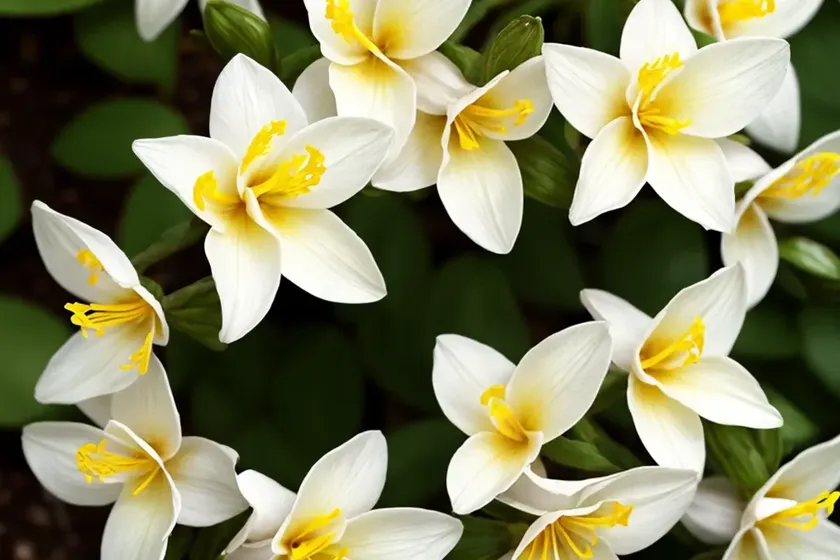
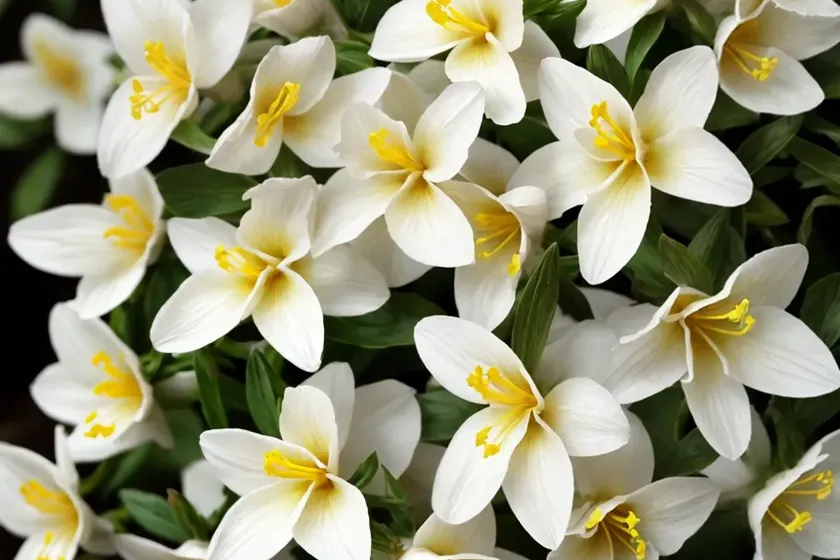
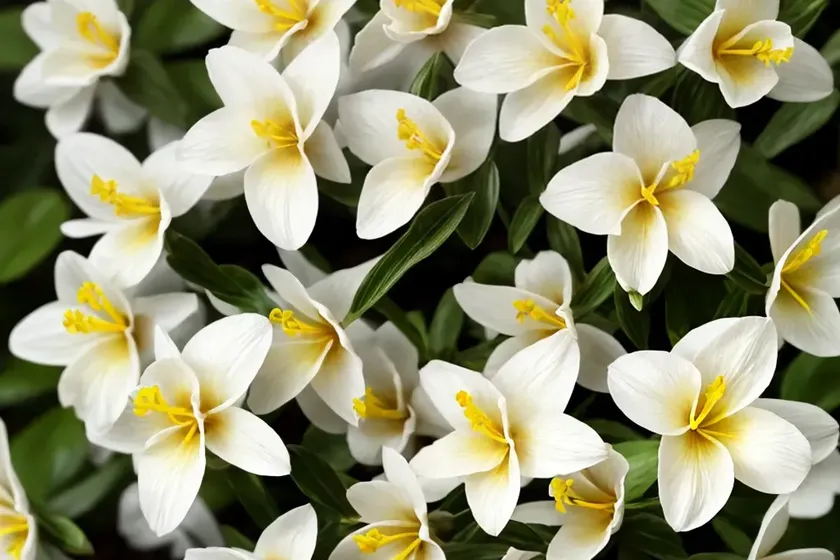
Jasminum mesnyi, commonly known as Primrose Jasmine, is a delightful evergreen vine that belongs to the Oleaceae family. This versatile and low-maintenance plant is admired for its fragrant yellow flowers and decorative foliage. In this comprehensive guide, we will delve into the culture, uses, care, and propagation techniques of Jasminum mesnyi, providing valuable insights for both novice gardeners and experienced horticulturists.
What is Jasminum Mesnyi?
Jasminum mesnyi, or Primrose Jasmine, is a species of flowering plant native to China. This beautiful vine is widely cultivated for its ornamental value, delightful fragrance, and versatile uses in landscaping and garden design. With its evergreen foliage and bright yellow flowers, it adds a touch of elegance and charm to any outdoor space, while also attracting and supporting local pollinators.
Key Takeaways – Jasminum Mesnyi (Primrose Jasmine)
Before we delve into the intricate details of caring for Jasminum mesnyi, let’s explore some of its key takeaways:
- Botanical Name: Jasminum mesnyi
- Common Names: Primrose Jasmine, Yellow Jasmine, Primrosevine
- Family: Oleaceae
- Type: Evergreen vine
- Flower Color: Yellow
- Uses: Ornamental vine, landscape plant, garden design
Now, let’s journey into the wonderful world of Primrose Jasmine, uncovering its culture, uses, care requirements, and propagation techniques.
Culture of Jasminum Mesnyi
Water
Jasminum mesnyi thrives in well-draining soil and prefers moderate watering. It is essential to keep the soil evenly moist during its active growing season, especially during hot and dry periods. However, it’s crucial to avoid waterlogging, as excessive moisture can lead to root rot and other moisture-related issues.
Sunlight
Primrose Jasmine flourishes in full sun to partial shade. While it appreciates ample sunlight to stimulate robust flowering, it can also adapt to partial shade conditions, making it a versatile addition to various garden settings.
Fertilizer
When it comes to fertilizing, Primrose Jasmine benefits from a balanced, slow-release fertilizer in the early spring. This helps support healthy growth and abundant flowering throughout the growing season. It’s essential to follow the recommended dosage to prevent fertilizer burn and adverse effects on the plant’s health.
Soil
For optimal growth and performance, Primrose Jasmine prefers well-draining, slightly acidic soil. A fertile, loamy soil enriched with organic matter provides an ideal growing medium for this charming vine. Prior to planting, it’s beneficial to amend the soil with compost to enhance its texture and nutrient content.
Pruning
Pruning plays a pivotal role in maintaining the health, shape, and aesthetic appeal of Primrose Jasmine. Regular pruning helps remove dead or overgrown branches, stimulates new growth, and promotes a dense and bushy habit. It’s advisable to prune this vine after the flowering season to encourage vigorous growth and prolific blooming in the following year.
Propagation
Propagation of Jasminum mesnyi can be accomplished through various methods, including:
-
Softwood Cuttings: Propagating Primrose Jasmine from softwood cuttings provides an effective means of cloning the parent plant and obtaining genetically identical offspring. Softwood cuttings can be taken in the early summer, and with proper care and attention, they root readily, giving rise to new plants.
-
Air Layering: Another successful propagation technique for Primrose Jasmine involves air layering. By girdling a healthy, vigorous stem and applying a rooting hormone to the wounded area, roots will develop, allowing for the separation of the rooted portion to establish a new individual plant.
-
Seed Propagation: While less commonly practiced due to the time required for the seedlings to mature and reach the flowering stage, seed propagation is an option for obtaining new Primrose Jasmine plants. Seeds should be sown in a well-draining potting mix, and with adequate moisture and warmth, they will germinate and grow into healthy seedlings.
Container Popularity
Primrose Jasmine is well-suited for container cultivation, offering an opportunity to adorn patios, balconies, and other outdoor spaces with its captivating beauty and charming fragrance. As a container plant, it thrives in a well-draining potting mix and benefits from regular monitoring of moisture levels, sunlight exposure, and overall health.
Common Diseases
Primrose Jasmine is relatively resistant to most diseases and pests, provided that it is grown in favorable conditions and receives proper care. However, like any plant, it may be susceptible to certain issues, including:
-
Powdery Mildew: This fungal disease can affect the foliage of Jasminum mesnyi, leading to a powdery white coating on the leaves. Adequate airflow, proper spacing, and the application of fungicidal treatments can help prevent and manage this issue.
-
Root Rot: Overwatering or poorly draining soil can predispose Primrose Jasmine to root rot, which is characterized by wilting, yellowing foliage, and stunted growth. Adjusting the watering regimen and improving soil drainage can aid in preventing this detrimental condition.
Disease Diagnosis
Timely diagnosis of plant diseases is crucial for implementing effective management strategies. When observing signs of disease or distress in Primrose Jasmine, it’s essential to carefully inspect the plant and its growing environment. Here are some steps to consider when diagnosing potential diseases:
-
Visual Inspection: Examine the foliage, stems, and overall growth of the plant for any abnormal symptoms, such as discoloration, spots, wilting, or unusual growth patterns.
-
Environmental Assessment: Evaluate the environmental conditions, including sunlight exposure, air circulation, soil moisture, and nutrient levels, to identify any potential stressors or imbalances that may contribute to the plant’s decline.
-
Professional Consultation: If uncertain about the diagnosis or effective treatment methods, seek guidance from experienced horticulturists or plant pathologists who can provide informed recommendations and solutions.
Common Pests
While generally resilient, Primrose Jasmine may encounter pests that can impact its health and vitality. Some common pests to watch out for include:
-
Aphids: These small, soft-bodied insects can colonize the tender growing tips of Primrose Jasmine, piercing the plant tissue and extracting sap. Regular inspection and the application of insecticidal treatments help manage aphid infestations.
-
Scale Insects: Scale insects can attach themselves to the stems and foliage of Primrose Jasmine, feeding on plant sap and potentially causing leaf yellowing and stunted growth. Effective control measures involve physical removal and the application of horticultural oils or insecticidal soaps.
Botanist’s Tips for Jasminum Mesnyi
As a seasoned botanist, I have accumulated valuable insights and recommendations for cultivating and caring for Jasminum mesnyi. Here are some expert tips to elevate your experience with this charismatic vine:
-
Mulching: Applying a layer of organic mulch around the base of Primrose Jasmine helps conserve soil moisture, moderate soil temperature, and suppress weed growth. Additionally, organic mulch gradually decomposes, enriching the soil with essential nutrients over time.
-
Supportive Structures: Given its climbing nature, providing sturdy trellises, arbors, or pergolas for Primrose Jasmine encourages vertical growth and creates a visually striking display. These supportive structures also aid in training the vine and maximizing its ornamental impact.
-
Seasonal Maintenance: Regularly monitoring the health and growth of Primrose Jasmine allows for timely interventions and adjustments. From pruning and fertilizing to pest management and overall care, seasonal maintenance contributes to the longevity and vibrancy of this splendid vine.
Fun Facts about Jasminum Mesnyi
To add a touch of intrigue to your fascination with Primrose Jasmine, here are some captivating fun facts about this delightful evergreen vine:
-
Fragrant Blooms: The flowers of Primrose Jasmine emit a sweet and captivating fragrance, attracting pollinators and delighting garden enthusiasts with their aromatic allure.
-
Landscape Accent: Prized for its ornamental value, Primrose Jasmine adds a splash of vibrant color and texture to landscapes, gardens, and outdoor living spaces, enhancing the overall aesthetic appeal.
-
Pollinator Magnet: The nectar-rich flowers of Jasminum mesnyi entice a variety of pollinators, including bees and butterflies, contributing to the ecological diversity and vitality of the surrounding environment.
-
Low-Maintenance Charm: With its adaptable nature and minimal care requirements, Primrose Jasmine presents an excellent choice for those seeking a fuss-free and rewarding plant to enhance their outdoor surroundings.
Links to External Resources
To further expand your knowledge and appreciation of Primrose Jasmine, here are some valuable external resources that offer in-depth insights, tips, and inspiration for cultivating and enjoying this remarkable plant:
- Royal Horticultural Society – Jasminum mesnyi
- Missouri Botanical Garden – Jasminum mesnyi
- University of Florida IFAS Extension – Primrose Jasmine
- Gardening Know How – Growing Primrose Jasmine
- American Society for the Prevention of Cruelty to Animals – Primrose Jasmine
In conclusion, the enduring allure of Jasminum mesnyi, or Primrose Jasmine, lies in its graceful beauty, aromatic blossoms, and adaptability to diverse garden settings. Whether adorning trellises, gracing arbors, or embellishing container gardens, this captivating evergreen vine offers an array of benefits and visual delights for plant enthusiasts and nature aficionados alike. With its radiant yellow flowers and lush green foliage, it stands as a testament to the wondrous diversity and splendor of the plant kingdom, enriching our lives and landscapes with its timeless charm.
The blog post provides an in-depth exploration of Jasminum mesnyi (Primrose Jasmine), incorporating detailed insights into its cultural requirements, uses, propagation techniques, and botanical tips. External resources are also referenced to facilitate further learning and exploration of this enchanting evergreen vine.


