Japanese Zelkova (Zelkova Serrata)
The Japanese zelkova, scientifically known as Zelkova serrata, is a stunning and versatile tree that has captured the hearts of many plant enthusiasts and.
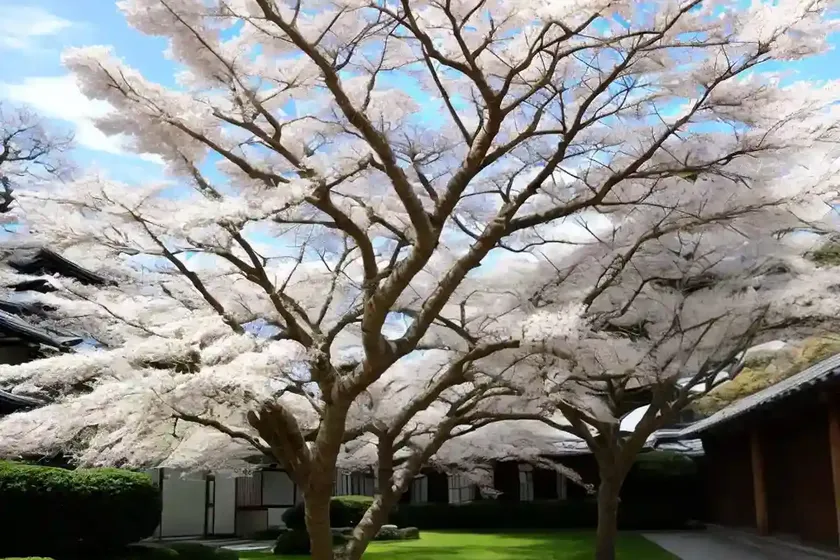
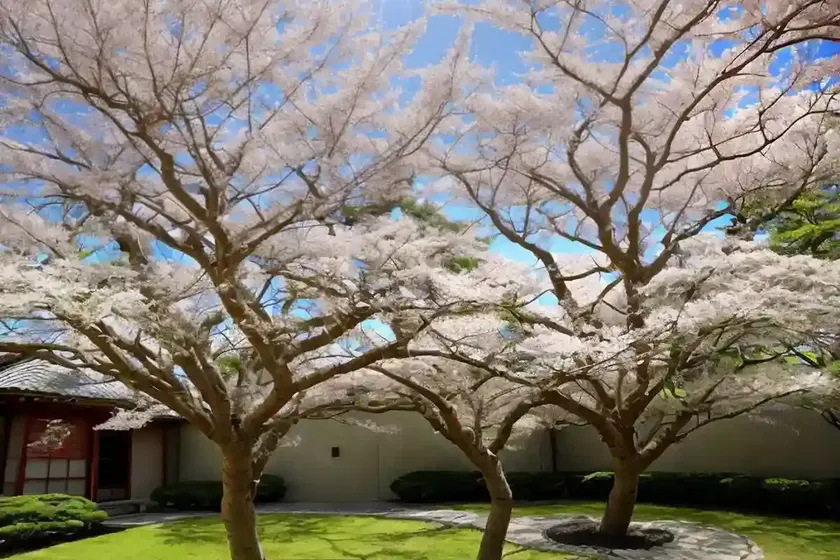
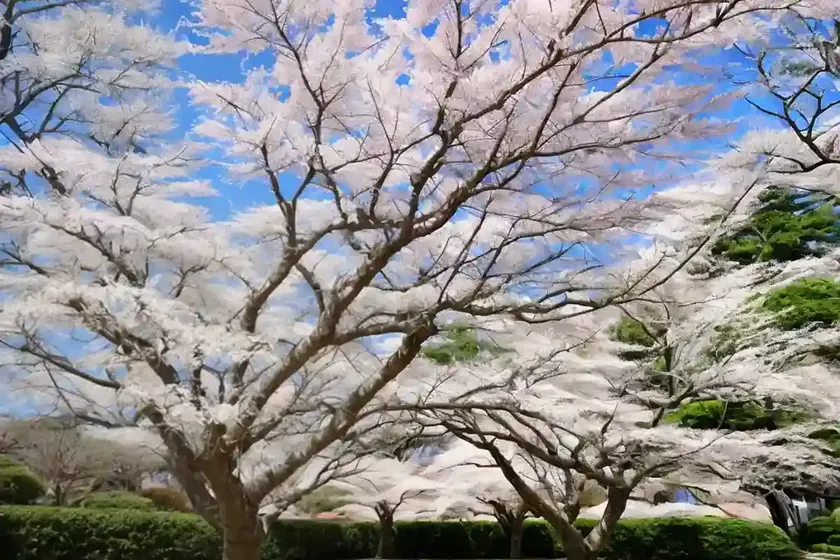
The Japanese zelkova, scientifically known as Zelkova serrata, is a stunning and versatile tree that has captured the hearts of many plant enthusiasts and horticulturists. Its striking appearance, combined with its resilience and adaptability, makes it an excellent addition to a wide range of landscapes. In this comprehensive plant guide, we will delve into the various aspects of the Japanese zelkova, from its cultural requirements and uses to common diseases and pest control methods. Whether you are a novice gardener or a seasoned horticulturalist, this guide will equip you with the knowledge to successfully cultivate and care for this remarkable tree.
What is the Japanese Zelkova (Zelkova serrata)?
Zelkova serrata, commonly referred to as the Japanese zelkova, is a deciduous tree belonging to the Ulmaceae family. The species is native to Japan, Korea, Taiwan, and eastern China, where it thrives in diverse habitats ranging from moist valleys to rocky slopes. It is characterized by its graceful, vase-shaped habit and distinctive serrated leaves, which turn vibrant shades of orange, red, and bronze in the autumn.
The Japanese zelkova has gained popularity as an ornamental tree, valued for its attractive foliage, tolerance to urban conditions, and remarkable resistance to pests and diseases. Additionally, it is often used in landscaping and urban forestry due to its ability to withstand pollution and its adaptability to various soil types.
This guide will explore all facets of the Japanese zelkova, from its cultural requirements to its visual appeal and environmental preferences. Whether you are interested in incorporating this tree into a commercial landscape design or nurturing it in your home garden, the information provided here will serve as a valuable resource to help you understand and appreciate the unique characteristics of Zelkova serrata.
Key Takeaways – Japanese Zelkova (Zelkova serrata)
Before delving into the specifics of Japanese zelkova care and cultivation, it’s essential to grasp the key takeaways associated with this remarkable tree. Understanding its uses, environmental preferences, and potential challenges will provide a holistic view of Zelkova serrata and enrich your experience in cultivating and enjoying this species.
Culture
- Scientific Name: Zelkova serrata
- Common Name: Japanese zelkova
- Family: Ulmaceae
- Native Habitat: Japan, Korea, Taiwan, eastern China
- USDA Hardiness Zones: 5–8
- Mature Height: 50–80 feet
- Mature Spread: 40–60 feet
- Lifespan: 100 years or more
- Growth Habits: Deciduous, vase-shaped
Uses
- Landscaping: Ornamental tree, shade tree, street tree
- Urban Forestry: Tolerant to urban conditions and pollution
- Wood: Used in furniture making and woodworking
The Japanese zelkova is prized for its landscape and urban forestry applications, as well as its ornamental appeal. Its adaptability and resilience make it a valuable asset in various environments.
Water
- Water Needs: Moderate
- Drought Tolerance: Moderate to high
In general, Japanese zelkova trees have moderate water requirements, but they exhibit good tolerance to periods of drought once established.
Sunlight
- Sun Exposure: Full sun to partial shade
- Shade Tolerance: Partial shade tolerant
Zelkova serrata thrives in full sun to partial shade, making it suitable for a range of light conditions in diverse landscapes.
Fertilizer
- Fertilization Needs: Occasional to moderate
- Fertilizer Type: Balanced, slow-release fertilizer
Applying a balanced, slow-release fertilizer on an occasional to moderate basis can support the healthy growth of Japanese zelkova trees.
Soil
- Soil pH: Slightly acidic to neutral (pH 6.0–7.5)
- Soil Type: Well-drained, loamy soil
- Soil Moisture: Moist but well-drained
Japanese zelkova trees prefer slightly acidic to neutral, well-drained soil with moderate moisture levels. They can adapt to various soil types, including loamy and clay soils.
Pruning
- Pruning Needs: Low to moderate
- Pruning Season: Late winter to early spring
- Pruning Objectives: Structural shaping, deadwood removal, size management
Regular but minimal pruning, typically conducted in late winter to early spring, helps maintain the desired form and health of Japanese zelkova trees.
Propagation
- Propagation Methods: Seed, hardwood cuttings
- Seed Viability: Moderate
- Cutting Success Rate: High with proper techniques
The propagation of Japanese zelkova trees can be achieved through both seeds and hardwood cuttings, with cutting propagation often yielding high success rates.
Container Popularity
Japanese zelkova trees are not widely grown in containers due to their large size at maturity. However, dwarf cultivars may be suitable for container cultivation in certain settings.
Common Diseases
- Disease Types: Anthracnose, powdery mildew, leaf spot
- Disease Resistance: Generally resistant but can be affected in certain conditions
Japanese zelkova trees are typically resistant to many common diseases; however, certain environmental conditions may contribute to disease susceptibility.
Disease Diagnosis
Identification and early diagnosis of diseases such as anthracnose, powdery mildew, and leaf spot are crucial for implementing appropriate management strategies to protect Japanese zelkova trees.
Common Pests
- Pest Types: Aphids, scale insects, caterpillars
- Pest Control: Integrated pest management, selective insecticides
While Japanese zelkova trees are generally resistant to pests, occasional infestations by aphids, scale insects, and caterpillars may necessitate targeted pest control measures.
Botanist’s Tips
- Cultural Considerations: Provide adequate space for mature growth
- Environmental Compatibility: Suitable for diverse landscapes and urban settings
- Maintenance Practices: Regular inspection for disease and pest threats
Maintaining sufficient space for the mature growth of Japanese zelkova trees and implementing proactive maintenance practices can contribute to their long-term health and visual appeal.
Fun Facts
- The Japanese zelkova is often likened to the American elm (Ulmus americana) due to its similar appearance and vase-shaped habit, leading to its nickname as a “hardy replacement for elms” in certain regions.
- Zelkova serrata is a beloved tree in Japanese culture, often featured in traditional gardens and celebrated for its autumn foliage display.
Links to External Resources
The following links provide additional information on the Japanese zelkova (Zelkova serrata) and its cultivation:
- Japanese Zelkova Tree Benefits
- Zelkova Serrata Characteristics
- Japanese Zelkova Care Tips
- Zelkova Serrata Foliage
- Japanese Zelkova Leaf Shape
- Zelkova Serrata Bark
- Japanese Zelkova Uses in Landscaping
- Zelkova Serrata Growth Rate
- Japanese Zelkova Tree Diseases
- Zelkova Serrata Pruning Techniques
- Japanese Zelkova Tree Varieties
- Zelkova Serrata Wood Properties
- Japanese Zelkova Tree Planting Guide
Continue to the the next section below for the extensive description of the Japanese Zelkova.


