Japanese Zelkova (Zelkova Serrata ‘Village Green’)
As a plant scientist, I am excited to delve into the fascinating world of Japanese zelkova, specifically focusing on its ‘Village Green’ variety. Japanese.
As a plant scientist, I am excited to delve into the fascinating world of Japanese zelkova, specifically focusing on its ‘Village Green’ variety. Japanese zelkova, scientifically known as Zelkova serrata, is a striking tree that is valued for its ornamental features, adaptability, and multiple landscape uses. Through this comprehensive guide, we will explore the intricacies of Japanese zelkova, diving into its cultural requirements, uses, maintenance tips, and much more. So, let’s embark on this enriching journey to unravel the beauty and intricacies of the Japanese zelkova tree.
What is a Plant: Japanese Zelkova (Zelkova serrata ‘Village Green’)?
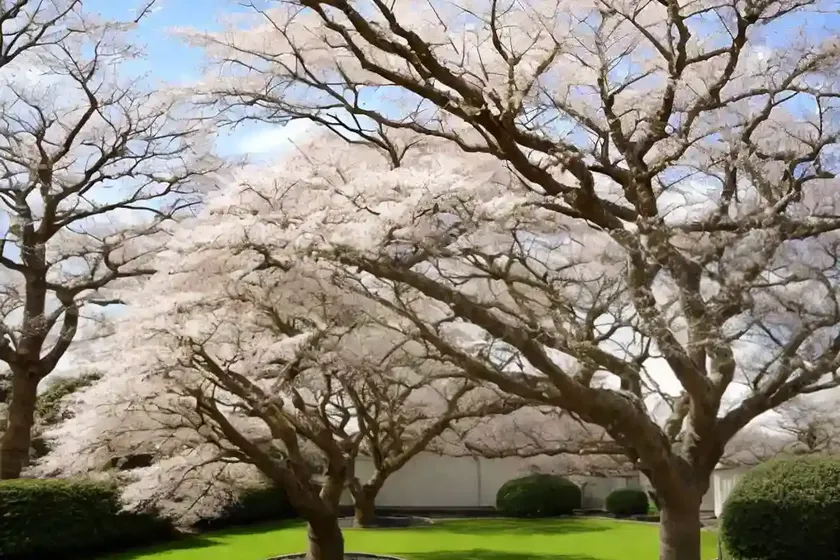
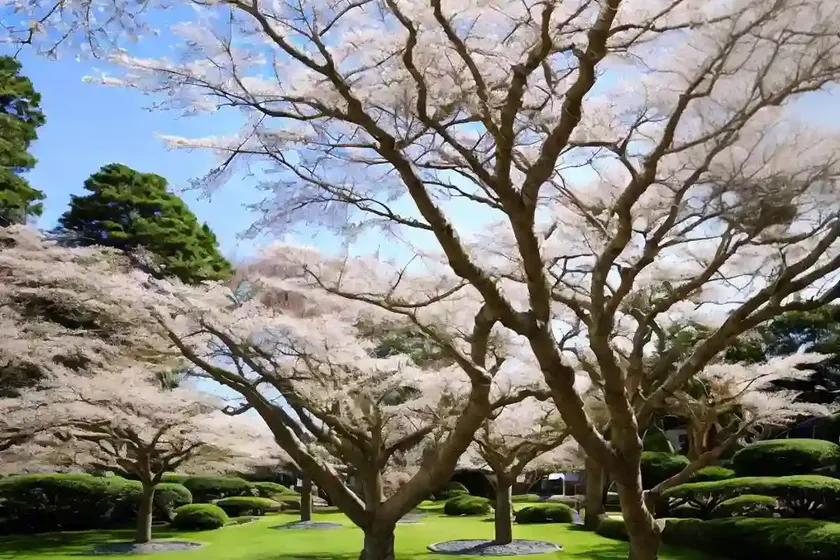
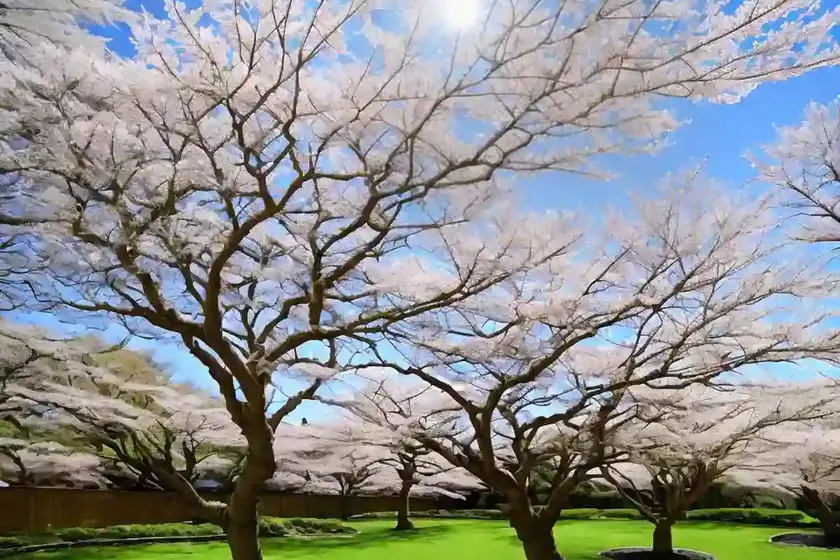
The Japanese zelkova, or Zelkova serrata ‘Village Green’, is a deciduous tree that belongs to the Ulmaceae family. It is indigenous to Japan, Korea, and Eastern China, and is renowned for its resilience and elegant appearance. The tree typically forms a broad, vase-shaped crown with a spreading canopy, making it an excellent choice for landscaping and urban environments.
Zelkova serrata ‘Village Green’ is prized for its vibrant green foliage in spring and summer, transitioning into stunning bronze, red, or purple hues in the fall, creating a splendid display of autumn colors. With its adaptability to a range of soil and climatic conditions, it has become a popular choice for various landscape designs, including parks, streetscapes, and residential gardens.
Key Takeaways – Japanese Zelkova (Zelkova serrata ‘Village Green’)
Before we dive into the intricate details of this remarkable tree, let’s take a moment to summarize the key takeaways that we will explore in this guide.
- Plant Name: Japanese zelkova (Zelkova serrata ‘Village Green’)
- Common Names: Village Green zelkova
- Scientific Classification:
- Family: Ulmaceae
- Genus: Zelkova
- Species: serrata
- Cultivar: ‘Village Green’
Now, let’s delve into the essential aspects of cultivating and caring for Japanese zelkova trees, starting with its cultural requirements.
Culture
Cultivating Japanese zelkova involves understanding and addressing its specific cultural requirements to ensure optimal growth and health. Here are the fundamental cultural aspects to consider when growing Zelkova serrata ‘Village Green’:
Uses
Ornamental Purposes
- Japanese zelkova is primarily cultivated for its ornamental value, serving as a majestic shade tree with its spreading canopy and vibrant foliage.
- It is commonly employed in landscaping to add visual interest, especially during the fall when the leaves exhibit a brilliant array of colors.
Urban Landscaping
- Due to its tolerance of urban conditions, such as air pollution and compacted soil, Japanese zelkova is frequently utilized in urban landscaping projects and street plantings.
Shade Tree
- The wide-spreading canopy of Japanese zelkova makes it an excellent choice for providing shade in parks, gardens, and public spaces.
Water
Japanese zelkova trees require adequate moisture, especially during their initial establishment phase and periods of drought. However, they are known for their moderate drought tolerance once fully established. It is essential to provide regular watering, especially during prolonged dry spells, to ensure the tree’s vigor and health.
Sunlight
Zelkova serrata ‘Village Green’ thrives in full sun to partial shade. While it can tolerate a range of light conditions, providing ample sunlight promotes robust growth and enhances the tree’s fall color display.
Fertilizer
- When it comes to fertilizer application, Japanese zelkova generally responds well to a balanced, slow-release fertilizer.
- It is recommended to fertilize the tree in early spring before the growing season begins, providing essential nutrients to support healthy foliage and overall growth.
Soil
- Japanese zelkova adapts well to a variety of soil types, including loamy, well-draining soils.
- It is essential to avoid waterlogged or compacted soils, as they can lead to root rot and hinder the tree’s development.
Pruning
Pruning plays a crucial role in maintaining the health, form, and aesthetics of Japanese zelkova trees. Consider the following aspects when pruning Zelkova serrata ‘Village Green’:
- Timing: Prune the tree during late winter or early spring when it is dormant to minimize stress and allow for optimal healing.
- Purpose: Pruning aims to remove dead, damaged, or crossing branches, shape the tree’s canopy, and enhance air circulation within the crown.
- Technique: Employ proper pruning techniques to make clean cuts and promote swift wound closure, reducing the risk of disease and pests.
Now that we have explored the cultural requirements and basic care practices for Japanese zelkova, let’s shift our focus to propagation methods and the tree’s popularity in container gardening.
Propagation
Propagating Japanese zelkova can be achieved through several methods, including seed propagation and vegetative propagation. Here are some common techniques used for propagating Zelkova serrata ‘Village Green’:
Seed Propagation
- Collect mature seeds from the tree during the fall and sow them in well-draining, fertile soil.
- Germination typically occurs within a few weeks to a few months, and young seedlings can be transplanted once they have developed several sets of true leaves.
Vegetative Propagation
- Utilize techniques such as hardwood or softwood cuttings to propagate specific cultivars with desired traits.
- Grafting is another effective method for propagating Japanese zelkova, ensuring that the new plant inherits the characteristics of the parent tree.
Container Popularity
While Japanese zelkova is often preferred for landscaping and outdoor plantings, it can also thrive in containers under the right conditions. Here are some considerations for growing Zelkova serrata ‘Village Green’ in containers:
- Container Size: Select a spacious container that provides ample room for the tree’s roots to develop.
- Drainage: Ensure that the container has adequate drainage holes to prevent waterlogging and root rot.
- Soil: Use a well-draining potting mix suitable for woody plants and incorporate organic matter to promote healthy root development.
- Placement: Position the container in a location that receives sufficient sunlight and provides ample space for the tree’s growth.
Now that we have covered the basic cultural requirements, uses, and propagation methods, we will turn our attention to the popularity of Japanese zelkova in the gardening and landscaping community.
Popularity
Japanese zelkova, especially the ‘Village Green’ cultivar, has garnered widespread popularity among gardeners, landscapers, and urban planners. Let’s explore the key reasons behind the tree’s appeal and its various applications in horticulture and urban environments.
Landscape Design
- Versatile Aesthetic: Japanese zelkova’s elegant form, vibrant foliage, and magnificent fall colors make it a versatile choice for various landscape designs, ranging from traditional to contemporary settings.
- Urban Tolerance: The tree’s ability to thrive in urban environments, enduring pollution, and compacted soil, has made it a sought-after option for urban landscaping projects and green spaces.
Residential Gardens
- Ornamental Value: Homeowners often integrate Japanese zelkova into their gardens to benefit from its striking appearance and shade-providing qualities.
- Seasonal Appeal: The tree’s spectacular autumn color transformation adds visual interest and creates a captivating seasonal display in residential landscapes.
Parks and Public Spaces
- Shade Provision: Japanese zelkova’s broad canopy and shade-providing attributes make it an ideal choice for parks, public squares, and recreational areas.
- Low Maintenance: Its adaptability and minimal maintenance requirements make it a practical and visually appealing addition to public landscapes.
Commercial Landscapes
- Street Plantings: The tree’s tolerance of urban conditions and its aesthetic appeal have resulted in its frequent use in street plantings and commercial landscapes.
- Design Versatility: Landscape architects often incorporate Japanese zelkova into commercial projects to introduce natural elements and enhance the visual appeal of the surroundings.
Japanese zelkova has undoubtedly made a mark in the gardening and landscaping realm, offering an array of benefits and applications. It is now imperative to explore the potential threats to the tree’s health, including common diseases and pest infestations, and understand effective diagnosis and management strategies.
Common Diseases
While Japanese zelkova is generally resilient, it is susceptible to certain diseases that can impact its vigor and aesthetic appeal. Here are some common diseases that may affect Zelkova serrata ‘Village Green’ and their associated symptoms:
Anthracnose
- Symptoms: Dark, sunken lesions on leaves, premature defoliation, and overall decline in tree health.
- Management: Implement proper sanitation measures, prune affected branches, and consider fungicidal treatments, especially during wet, humid conditions.
Powdery Mildew
- Symptoms: White powdery growth on leaves, distortion of foliage, and reduced photosynthetic capacity.
- Management: Enhance air circulation, remove affected foliage, and apply fungicidal sprays if necessary to control mildew development.
Leaf Spot Diseases
- Symptoms: Circular to irregular spots on leaves, yellowing, and premature leaf drop.
- Management: Maintain good cultural practices, including balanced watering and proper spacing to minimize disease incidence.
Disease Diagnosis
Diagnosing diseases in Japanese zelkova necessitates careful observation of symptoms, environmental conditions, and potential stress factors. When encountering signs of disease, consider the following diagnostic considerations:
- Visual Inspection: Examine the tree for any abnormalities in foliage, bark, or overall growth patterns.
- Environmental Factors: Assess the prevailing weather conditions, soil moisture levels, and any recent stresses the tree may have experienced.
- Pathogen Identification: Consult with plant health professionals to identify the specific pathogens responsible for the observed symptoms.
Once a disease is accurately diagnosed, prompt intervention and appropriate management practices can be implemented to mitigate the impact and preserve the tree’s health.
Common Pests
Japanese zelkova trees can fall prey to various pests that can disturb their growth and aesthetics. Being aware of these potential pests and their management strategies is essential for maintaining the tree’s vitality. Here are some common pests that might affect Zelkova serrata ‘Village Green’:
Japanese Beetles
- Damage: Skeletonized foliage, leading to defoliation and diminished vigor.
- Management: Employ traps, insecticidal sprays, or biological control agents to reduce beetle populations and minimize feeding damage.
Spider Mites
- Damage: Fine webbing on leaves, stippled foliage, and reduced photosynthetic capacity.
- Management: Encourage natural predators, implement cultural control measures, and consider miticidal treatments if necessary.
Scale Insects
- Damage: The weakening of the tree due to sap-feeding activities, honeydew secretion, and sooty mold development.
- Management: Use horticultural oils, introduce natural enemies, and prune heavily infested branches to manage scale populations.
Understanding the life cycles and habits of these pests can aid in early detection and timely intervention, safeguarding the health and vitality of Japanese zelkova trees.
Botanist’s Tips
Through my research and hands-on experience with Japanese zelkova, I have compiled a set of practical tips and recommendations to facilitate the successful cultivation and care of Zelkova serrata ‘Village Green’. Here are some valuable insights for nurturing and managing Japanese zelkova trees:
- Selecting a Planting Site: Choose a well-drained location with adequate sunlight for optimal growth and fall color development.
- Watering Practices: Provide regular irrigation, especially during the establishment phase, and monitor soil moisture to prevent water stress.
- Mulching Benefits: Apply a layer of organic mulch around the base of the tree to retain soil moisture and suppress weed growth.
- Monitoring for Pests and Diseases: Regularly inspect the tree for signs of pests, diseases, or environmental stresses, and take proactive measures to address issues promptly.
- Pruning Guidance: Practice regular pruning to maintain the tree’s form, remove dead or diseased branches, and improve air circulation within the canopy.
- Annual Maintenance: Schedule annual fertilization, mulching, and soil assessments to ensure that the tree receives essential nutrients and maintains soil health.
By integrating these tips into your cultivation practices, you can promote the vitality and resilience of Japanese zelkova, fostering its aesthetic appeal and longevity in your landscape.
Fun Facts
As we conclude our exploration of Japanese zelkova, let’s uncover some fascinating and lesser-known facts about this exceptional tree:
- Historical Significance: The wood of Zelkova serrata has been historically utilized in Japan for making taiko drums due to its excellent acoustic properties and durability.
- Tolerance of Adverse Conditions: Japanese zelkova is recognized for its resilience in challenging urban environments, showcasing its adaptability and tolerance of pollution and compacted soils.
- Wildlife Support: The tree attracts pollinators and beneficial insects, contributing to local biodiversity and ecological balance in its surroundings.
- Cultural Symbolism: In Japanese culture, Japanese zelkova holds cultural significance and is often depicted in art and literature as a symbol of strength and longevity.
These intriguing facts shed light on the multifaceted nature of Japanese zelkova and its contributions to ecosystems, culture, and human creativity.
Links to External Resources
For further exploration and detailed insights into Japanese zelkova, I recommend exploring the following external resources:
- The American Conifer Society, an authoritative source for information on Japanese zelkova varieties and cultivation practices.
- Royal Horticultural Society, offering comprehensive guidance on tree care, propagation, and disease management for Zelkova serrata ‘Village Green’.
- University Extension Programs, such as the University of Minnesota Extension, provide valuable resources on urban tree planting, maintenance, and pest management.
These resources offer a wealth of knowledge and expertise on Japanese zelkova, enriching your understanding of this remarkable tree and equipping you with the tools to nurture and celebrate its beauty in various settings.
In conclusion, Japanese zelkova, particularly the ‘Village Green’ cultivar, stands as a testament to nature’s artistry and resilience. Its captivating foliage, adaptability, and multiple landscape uses make it an invaluable addition to urban and natural environments. By embracing the insights and recommendations presented in this guide, you can embark on a rewarding journey of cultivating and caring for Japanese zelkova, enhancing your surroundings with its grace and seasonal splendor.
As a plant scientist and advocate for sustainable landscape practices, I encourage you to explore the beauty and benefits of Japanese zelkova, celebrating its role as a beacon of beauty, strength, and natural harmony.
For a comprehensive understanding of Japanese zelkova, including its cultural requirements, maintenance tips, and landscape uses, feel free to explore the resources and insights provided in this extensive guide. Should you have any further inquiries or require additional guidance on plant care and cultivation, I am here to offer my expertise and assistance. Let’s continue to nurture and appreciate the diverse wonders of the botanical world.


