Japanese Zelkova (Zelkova Serrata ‘Green Vase’)
Welcome to this comprehensive guide on the Japanese Zelkova tree, specifically the ‘Green Vase’ variety. In this extensive guide, we will delve into all.
Introduction
Welcome to this comprehensive guide on the Japanese Zelkova tree, specifically the ‘Green Vase’ variety. In this extensive guide, we will delve into all aspects related to the care and cultivation of this beautiful tree species. The Japanese Zelkova, scientifically known as Zelkova Serrata, is a magnificent tree that holds cultural significance and boasts a wide array of uses in landscaping and horticulture. We will explore its cultural significance, ideal growing conditions, propagation, common diseases and pests, as well as maintenance tips and fun facts. Whether you are a seasoned horticulturist or an enthusiastic homeowner looking to enrich your garden, this guide will provide invaluable insights into the Japanese Zelkova tree and its ‘Green Vase’ variety.
What is the Japanese Zelkova (Zelkova Serrata ‘Green Vase’)?
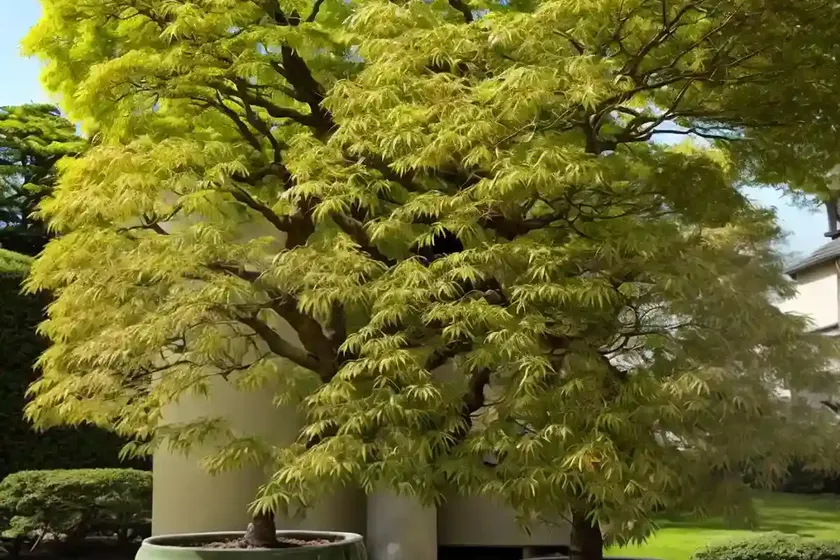
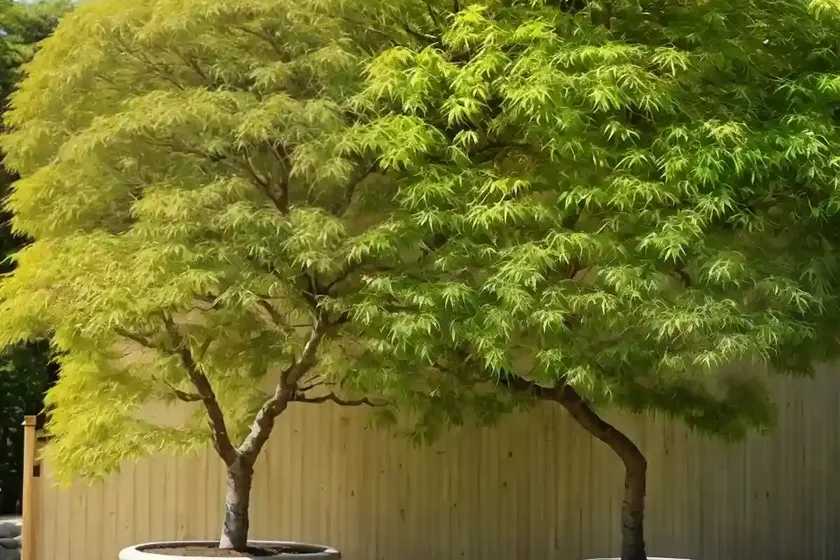
The Japanese Zelkova, or Zelkova Serrata, is a deciduous tree native to Japan, Korea, and China. It belongs to the Ulmaceae family and is renowned for its graceful, vase-shaped form, making it a popular choice for landscaping and ornamental plantings. The ‘Green Vase’ cultivar of Zelkova Serrata is particularly treasured for its elegant, upright growth habit and vibrant green foliage. This cultivar has gained widespread recognition for its outstanding performance as a shade tree and its ability to thrive in urban landscapes, making it a highly sought-after choice for parks, gardens, and streetscapes.
Now, let’s delve into the various aspects of caring for and cultivating the Japanese Zelkova ‘Green Vase’, covering its cultural significance, ideal growing conditions, maintenance, and more.
Key Takeaways – Japanese Zelkova (Zelkova Serrata ‘Green Vase’)
Here are the key takeaways that we will explore in detail throughout this guide:
- Culture
- Uses
- Water
- Sunlight
- Fertilizer
- Soil
- Pruning
- Propagation
- Container Popularity
- Common Diseases
- Disease Diagnosis
- Common Pests
- Botanist’s Tips
- Fun Facts
- Links to External Resources
Let’s proceed by examining each of these aspects comprehensively.
Culture
The Japanese Zelkova tree holds significant cultural importance, particularly in East Asia, where it has been cherished for centuries. Its graceful appearance and adaptability have made it a symbol of elegance and strength. In Japanese culture, the Zelkova Serrata has been traditionally valued as a sacred tree, often planted near shrines and temples to represent longevity and resilience. Its association with tranquility and enduring beauty has also led to its inclusion in traditional garden designs, where it serves as a tranquil focal point amidst carefully curated landscapes.
Uses
The Japanese Zelkova tree, especially the ‘Green Vase’ variety, serves a multitude of purposes, making it a versatile asset in landscaping and horticulture. Some of its key uses include:
- Shade Tree: The ‘Green Vase’ Zelkova’s wide, arching canopy provides excellent shade, making it an ideal choice for parks, recreational areas, and residential landscapes.
- Street Tree: Its tolerance to urban conditions and graceful form make it a popular selection for street plantings and urban green spaces.
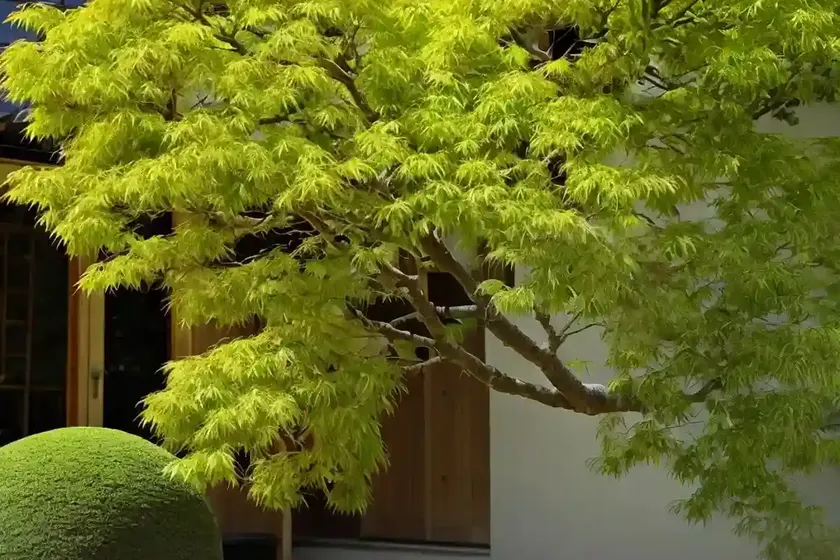
- Ornamental Tree: The tree’s striking appearance, with its vibrant green leaves and appealing silhouette, lends itself well to ornamental plantings in gardens and public spaces.
- Habitat for Wildlife: The Zelkova tree’s foliage and structure provide crucial habitat and food sources for various wildlife species, including birds and insects.
Water
Proper watering is essential for the optimal growth and health of the Japanese Zelkova ‘Green Vase’. While the tree is relatively tolerant of varying moisture levels, especially once established, it benefits from regular watering, particularly during its initial establishment phase and in prolonged dry spells. Here are some key guidelines for watering this tree:
- Establishment Phase: After planting, provide sufficient water to ensure the soil around the root ball remains consistently moist. This initial phase is crucial for the tree to develop a strong root system.
- Mature Trees: Established Zelkova trees generally require watering during extended dry periods, especially in regions with low rainfall. Adequate soil moisture is essential for sustaining healthy growth and foliage density.
Sunlight
The Japanese Zelkova ‘Green Vase’ thrives in environments with ample sunlight, displaying robust growth and vibrant foliage when provided with the appropriate light conditions. When selecting a planting site for this tree, consider the following sunlight requirements:
- Full Sun to Partial Shade: The ‘Green Vase’ Zelkova flourishes in full sunlight, receiving at least 6 hours of direct sunlight daily. It can also tolerate partial shade, particularly in hotter regions, where some protection from intense midday sun can be beneficial.
- Ideal Orientation: Choose a location that offers ample exposure to sunlight, preferably facing south or west to ensure the tree receives optimal light for photosynthesis and overall development.
Fertilizer
Fertilization plays a pivotal role in sustaining the vigor and vitality of the Japanese Zelkova ‘Green Vase’. Providing appropriate nutrients supports strong growth, lush foliage, and overall resilience to environmental stressors. Key considerations for fertilizing this tree include:
- Balanced Fertilizer: Apply a balanced, slow-release fertilizer designed for trees and shrubs in early spring, before the onset of new growth. This helps provide essential nutrients for the entire growing season.
- Avoid Excessive Nitrogen: While the ‘Green Vase’ Zelkova benefits from regular fertilization, avoid over-reliance on high-nitrogen fertilizers, as this can promote excessive foliar growth at the expense of overall tree health.
Soil
The soil composition and structure significantly impact the growth and well-being of the Japanese Zelkova ‘Green Vase’. Understanding the ideal soil conditions for this tree is crucial for successful cultivation and long-term health. Here are some essential soil considerations:
- Well-Drained Soil: The ‘Green Vase’ Zelkova thrives in well-drained, loamy soil that offers good aeration and moisture retention. Avoid waterlogged or compacted soils, as they can impede root development.
- Soil pH: This tree prefers slightly acidic to neutral soil with a pH range of 6.0 to 7.5. Conduct a soil test to assess the pH and nutrient levels, making amendments as needed to achieve optimal growing conditions.
Pruning
Pruning is an integral aspect of maintaining the Japanese Zelkova ‘Green Vase’ tree’s form, health, and structural integrity. When carried out thoughtfully and skillfully, pruning enhances the tree’s aesthetic appeal and overall longevity. Here are key considerations for pruning this tree:
- Formative Pruning: During the early years, conduct formative pruning to establish a well-balanced and structurally sound framework for the tree. Remove any competing or crossing branches to maintain a strong central leader and evenly spaced lateral branches.
- Seasonal Pruning: Perform routine maintenance pruning in late winter to early spring, when the tree is dormant. This is an ideal time to remove dead or diseased wood, as well as any unwanted sprouts or branches to maintain the tree’s desired shape.
Propagation
Propagating the Japanese Zelkova ‘Green Vase’ allows for the expansion of its presence and the preservation of desirable traits. While propagation is commonly achieved through grafting or cutting methods, seeds can also be used, though they may not reliably produce true-to-type offspring. Here are some common propagation methods for this tree:
- Cutting Propagation: Select healthy, semi-hardwood cuttings from a mature Zelkova ‘Green Vase’ tree, typically in mid to late summer. Treat the cuttings with a rooting hormone and plant them in a well-draining rooting medium to encourage root development.
- Grafting: Utilize grafting techniques to propagate the ‘Green Vase’ Zelkova onto compatible rootstock. This method allows for the replication of specific cultivar traits and ensures genetic uniformity in the propagated trees. Grafting is often performed during late winter to early spring.
Container Popularity
The Japanese Zelkova ‘Green Vase’ exhibits remarkable adaptability to container cultivation, making it a favored choice for urban and small-space landscapes. When grown in containers, this tree offers versatile options for gardeners and landscapers seeking to incorporate its elegance in various settings. Some key considerations for container cultivation include:
- Container Selection: Choose generously sized containers with adequate drainage holes to accommodate the tree’s root system and promote healthy growth. Select containers made of durable materials such as fiberglass or glazed ceramic to withstand outdoor conditions.
- Soil and Water Management: Utilize well-draining, high-quality potting mix and ensure regular watering, especially during hot and dry periods. Container-grown Zelkova trees may require more frequent watering compared to those planted in the ground.
Common Diseases
Understanding and identifying the common diseases that may affect the Japanese Zelkova ‘Green Vase’ is crucial for maintaining its health and vitality. While this tree is generally resilient, it can be susceptible to certain ailments that require prompt attention and appropriate management. Here are some prevalent diseases to be aware of:
Leaf Spot Diseases
Symptoms: Circular or irregularly shaped spots on the leaves, often accompanied by discoloration or browning.
Causal Agents: Fungal pathogens such as Elsinoe and Cercospora species.
Management: Prune and dispose of infected foliage, ensure proper air circulation, and consider preventative fungicidal treatments.
Powdery Mildew
Symptoms: White, powdery patches on the upper leaf surfaces, often leading to leaf distortion and reduced vigor.
Causal Agent: Various Erysiphales fungi.
Management: Improve air circulation, maintain moderate humidity levels, and consider fungicidal treatments if necessary.
Anthracnose
Symptoms: Irregularly shaped lesions on the leaves, often leading to premature defoliation in severe cases.
Causal Agent: Colletotrichum species and other anthracnose-causing fungi.
Management: Conduct sanitation measures, such as removing and destroying fallen leaves, and consider fungicidal applications during periods conducive to disease development.
Disease Diagnosis
Accurate diagnosis of diseases affecting the Japanese Zelkova ‘Green Vase’ is essential for implementing appropriate management strategies. Consultation with a plant health specialist or pathologist may be necessary for precise disease identification, especially when symptoms are ambiguous or unfamiliar. Key diagnostic measures include:
- Visual Symptoms: Carefully observe the appearance and progression of disease symptoms on the leaves, stems, and branches. Note any discoloration, lesions, or abnormalities.
- Laboratory Analysis: In cases of uncertainty or severe disease outbreaks, submit plant samples to a diagnostic laboratory for pathogen isolation and identification.
Common Pests
While the Japanese Zelkova ‘Green Vase’ is generally resilient to pests, it can occasionally encounter infestations that require vigilant monitoring and management. Recognizing the signs of common pests allows for timely intervention and the preservation of the tree’s health. Here are some of the primary pests to watch for:
Aphids
Identification: Small, soft-bodied insects often found clustered on the undersides of young leaves, causing distortion and sooty mold formation.
Management: Utilize insecticidal soaps or horticultural oils to control aphid populations, and encourage natural predators such as ladybugs.
Scale Insects
Identification: Hard, shell-like structures on stems and branches, often accompanied by sticky honeydew secretions and sooty mold.
Management: Apply horticultural oils during the dormant season to smother scale insects, and consider introducing natural predators for ongoing control.
Caterpillars
Identification: Feeding damage on leaves, often resulting in irregularly shaped holes and defoliation.
Management: Handpick caterpillars when feasible, and consider biological insecticides containing Bacillus thuringiensis for targeted control.
Botanist’s Tips
Incorporating expert tips and insights can greatly enhance the success of cultivating the Japanese Zelkova ‘Green Vase’. Here are some valuable tips from botanists and arborists regarding the care and maintenance of this tree:
-
Mulching: Apply a layer of organic mulch around the base of the tree to conserve soil moisture, regulate soil temperature, and suppress weed growth. Maintain a mulch-free space around the trunk to prevent moisture-related issues.
-
Regular Inspections: Periodically inspect the tree for signs of pests, diseases, or environmental stress. Early detection allows for prompt intervention and minimizes potential damage.
-
Structural Support: In regions prone to high winds or heavy snow, consider providing supplemental support, such as staking, for young Zelkova trees to prevent wind damage and ensure upright growth.
Fun Facts
As we delve into the world of the Japanese Zelkova ‘Green Vase’, here are some intriguing and delightful facts about this remarkable tree:
-
Autumn Splendor: The ‘Green Vase’ Zelkova transforms into a stunning display of colors during the fall, featuring vibrant shades of golden yellow, burnt orange, and fiery red.
-
Ancient Heritage: Zelkova Serrata has a rich history dating back centuries, with some specimens in Japan believed to be over a thousand years old, revered as living symbols of strength and endurance.
-
Wildlife Haven: The Zelkova tree provides valuable habitat and food for various bird species, including robins, waxwings, and warblers, which seek shelter and sustenance within its branches.
Links to External Resources
For further exploration of topics related to Japanese Zelkova ‘Green Vase’ care and cultivation, consider accessing the following resources:
- Japanese Maple Tree Care Guide
- Zelkova Serrata Varieties – Morton Arboretum
- Green Vase Zelkova Tree – University of Florida IFAS Extension
- Japanese Zelkova Tree Facts and Information – Gardenia
- Zelkova Serrata ‘Green Vase’ Characteristics – Missouri Botanical Garden
Conclusion
The Japanese Zelkova ‘Green Vase’ stands as a testament to the exquisite beauty and remarkable resilience of tree species. Its cultural significance, diverse uses, and captivating attributes make it an invaluable addition to landscapes, gardens, and urban environments. By understanding and implementing the best practices in care, maintenance, and disease management, you can ensure the thriving presence of this remarkable tree and create lasting impressions of elegance and vitality in your outdoor spaces.
Incorporating the insights and recommendations provided in this comprehensive guide will empower you to cultivate, preserve, and celebrate the allure of the Japanese Zelkova ‘Green Vase’, unlocking its potential as a defining element of natural beauty and grace.
Remember, as with any living organism, practice patience, attentive care, and appreciation for the intrinsic splendor of the Japanese Zelkova ‘Green Vase’, and you will be rewarded with enduring moments of awe and admiration.


