Japanese Hemlock (Tsuga diversifolia): A Comprehensive Guide
The Japanese hemlock, also known as Tsuga diversifolia, is a stunning and versatile species that has captured the hearts of plant enthusiasts and horticulturists alike. This evergreen conifer boasts a variety of uses, from landscaping to timber production, and thrives in a range of environmental conditions. In this comprehensive guide, we will delve deep into the world of Japanese hemlock, exploring everything from its cultural significance to its propagation techniques. Whether you are a seasoned botanist or an avid gardener, this guide will provide valuable insights into the care, maintenance, and unique characteristics of Tsuga diversifolia.
What is the Japanese Hemlock (Tsuga diversifolia)?
The Japanese hemlock (Tsuga diversifolia) is a species of coniferous tree native to Japan. It belongs to the Pinaceae family, which includes other iconic conifers such as pines, firs, and spruces. Tsuga diversifolia is known for its graceful, pyramidal form, with dense, lustrous foliage that adds an elegant touch to any landscape. The species is highly valued for its ornamental and commercial properties, making it a sought-after choice for both botanical gardens and timber production.
Key Takeaways – Japanese Hemlock (Tsuga diversifolia)
Before we delve into the specific care requirements and characteristics of the Japanese hemlock, let’s take a moment to highlight some key takeaways about this remarkable species:
- Scientific Name: Tsuga diversifolia
- Family: Pinaceae
- Native Habitat: Japan
- Type: Evergreen conifer
- Cultural Significance: Historically revered in Japanese culture for its aesthetic and symbolic value
- Uses: Ornamental landscaping, timber production, ecological conservation
With these key points in mind, we can now shift our focus to the essential care guidelines for cultivating and nurturing Japanese hemlock in various settings, from gardens to container plantings.
Culture
Cultivating the Japanese hemlock involves understanding its specific requirements in terms of water, sunlight, soil, and fertilization. By providing the ideal cultural conditions, you can encourage the healthy growth and development of Tsuga diversifolia, ensuring that it thrives in its chosen environment.
Uses
Landscaping
The Japanese hemlock is highly valued for its ornamental qualities, making it a popular choice for landscaping projects. Its graceful form and glossy, dark green foliage make it an eye-catching addition to gardens, parks, and arboretums. Whether planted as a standalone specimen or incorporated into mixed conifer plantings, Tsuga diversifolia adds a touch of elegance and structure to outdoor spaces.
Timber Production
Apart from its ornamental appeal, the Japanese hemlock is also valued for its timber, which is used in construction, woodworking, and furniture making. Its straight grain and moderate density make it a favorable choice for various wood-based applications.
Water
The water needs of Tsuga diversifolia are closely tied to its environmental conditions and the soil in which it is planted. As a general guideline, Japanese hemlock prefers evenly moist, well-draining soil. During the establishment phase, it is important to maintain a consistent watering schedule, ensuring that the root system remains adequately hydrated.
Sunlight
In its natural habitat, the Japanese hemlock is accustomed to dappled sunlight or partial shade. When cultivated in landscapes or gardens, it thrives in similar light conditions, though it can also tolerate full sun with adequate moisture. Understanding the lighting preferences of Tsuga diversifolia is essential for selecting the ideal planting location and promoting healthy growth.
Fertilizer
Appropriate fertilization can support the vigorous growth and vitality of Japanese hemlock. A balanced, slow-release fertilizer applied in spring can provide the necessary nutrients for robust foliage and overall plant health. It is important to follow manufacturer’s instructions and avoid over-fertilization, which can be detrimental to the plant.
Soil
The Japanese hemlock thrives in well-draining, acidic soil with ample organic matter. It is important to avoid waterlogged or compacted soils, as they can lead to root suffocation and poor growth. Incorporating organic amendments such as compost or peat moss can improve soil structure and fertility, creating an optimal growing medium for Tsuga diversifolia.
Pruning
Pruning is an essential aspect of Japanese hemlock care, especially when it comes to shaping the plant and managing its growth. Regular pruning can help maintain a desirable form and density, while also removing any dead or diseased branches. It is advisable to prune Tsuga diversifolia during the dormant season to minimize stress on the plant and promote vigorous regrowth in the following growing season.
Propagation
The propagation of Japanese hemlock can be achieved through various methods, including seed propagation, cuttings, and grafting. Each technique has its unique advantages and challenges, and the choice of propagation method often depends on the specific goals of the grower, as well as the available resources and expertise.
Container Popularity
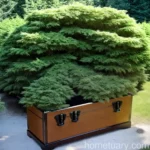
The Japanese hemlock is well-suited for container cultivation, making it a versatile choice for patios, decks, and urban landscapes. Its compact growth habit and ornamental foliage make it an attractive option for adding greenery to small outdoor spaces. Container-grown Tsuga diversifolia can thrive when provided with adequate care and maintenance, allowing it to adorn outdoor living areas with its enduring charm.
Container Care
When cultivating Japanese hemlock in containers, it is important to consider its specific cultural requirements, including watering, sunlight, fertilizer, and soil. Container-grown plants are more susceptible to fluctuations in environmental conditions, making regular monitoring and care essential for their health and vitality.
Common Diseases
Just like any other plant, the Japanese hemlock is susceptible to certain diseases that can affect its overall health and appearance. Understanding the common diseases and their symptoms is crucial for timely intervention and management of these issues.
Disease Diagnosis
Identifying and diagnosing diseases in Japanese hemlock requires a keen eye for symptoms such as browning foliage, needle loss, and dieback. Conducting regular inspections and being aware of common disease patterns can help in early detection and appropriate treatment.
Common Pests
Pest infestations can pose a threat to the health and vigor of Japanese hemlock, necessitating proactive measures for control and prevention. Recognizing common pests that afflict Tsuga diversifolia is essential for implementing targeted pest management strategies.
Botanist’s Tips
As an experienced botanist, I have gathered insights and tips for cultivating Japanese hemlock based on years of study and observation. These practical tips are designed to provide valuable guidance for enthusiasts and horticulturists seeking to optimize the growth and performance of Tsuga diversifolia in various settings.
Fun Facts
Uncover the fascinating aspects of Japanese hemlock with these intriguing fun facts. From its ecological importance to its cultural significance, these nuggets of information shed light on the enchanting world of Tsuga diversifolia, inviting you to deepen your appreciation for this remarkable species.
Links to External Resources
Explore further information, resources, and insights on Japanese hemlock from reputable sources and organizations. These external links provide a comprehensive view of Tsuga diversifolia, offering valuable knowledge and guidance for those looking to deepen their understanding of this iconic conifer.
With a deeper understanding of the cultural significance, care requirements, and unique characteristics of the Japanese hemlock (Tsuga diversifolia), you are well-equipped to cultivate and appreciate this exceptional species. Whether you are drawn to its ornamental beauty, timber potential, or ecological value, Tsuga diversifolia stands as a testament to the enduring allure of conifers in the botanical world.
The enchanting world of Japanese hemlock awaits your exploration, inviting you to connect with nature and revel in the timeless elegance of Tsuga diversifolia. Whether planted in a garden, adorning a landscape, or thriving in a container, the grace and resilience of this species inspire admiration and reverence, enriching the tapestry of horticultural diversity. Dive into the realm of the Japanese hemlock and discover the endless wonders it holds, from its leafy boughs to its cultural echoes, and let its enduring presence enrich your botanical journey.