Satin Potho (Scindapsus Pictus ‘Argyraeus’)
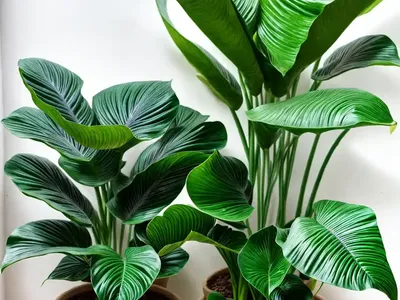
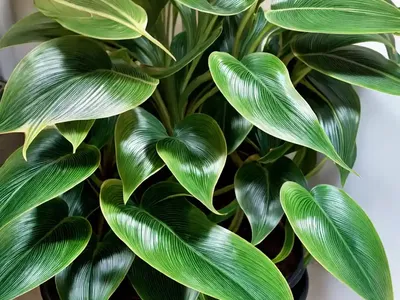
The Satin Pothos, scientifically known as Scindapsus pictus ‘Argyraeus’, is a tropical plant highly favored for its stunning satin-like silver-green.
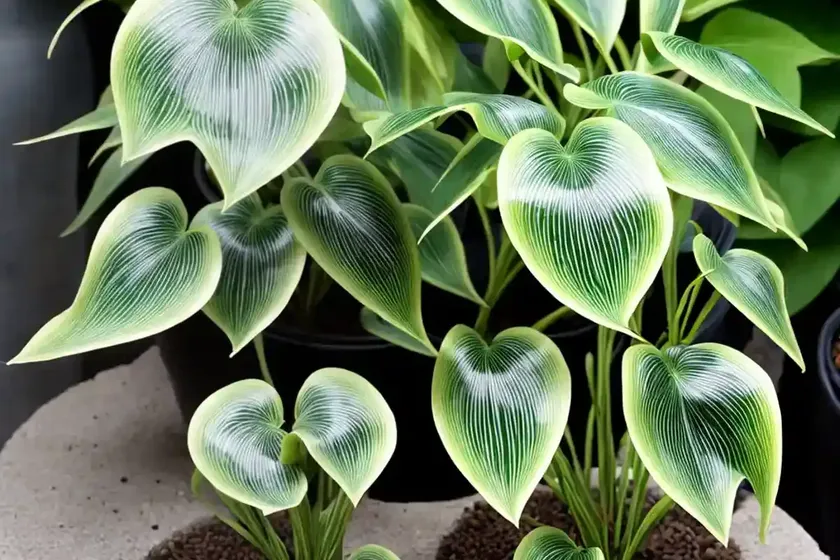
Introduction to Satin Pothos
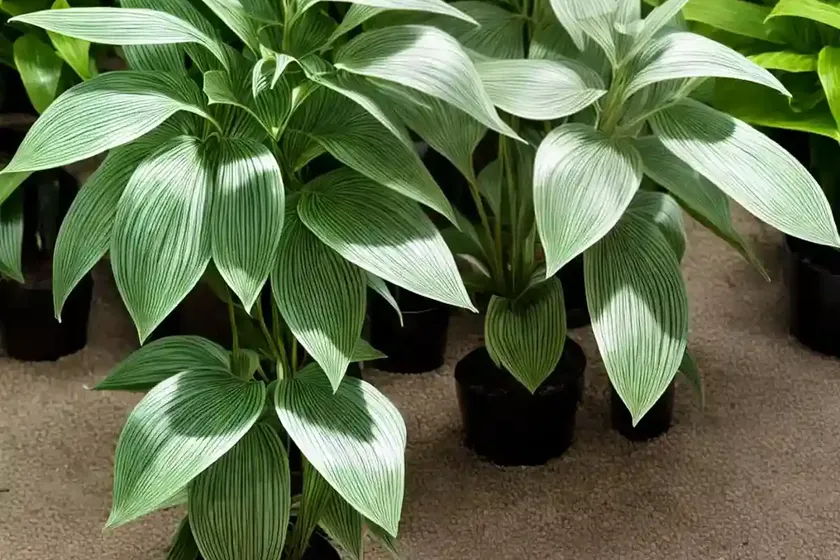
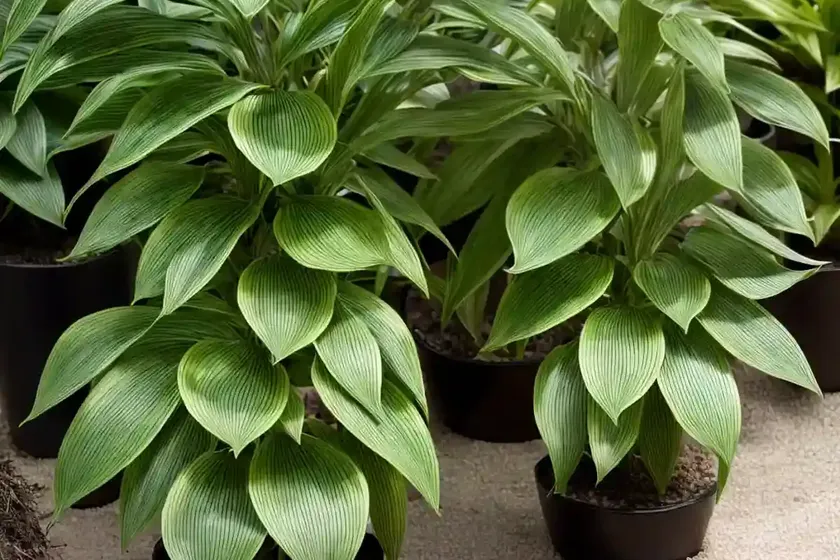
The Satin Pothos, scientifically known as Scindapsus pictus ‘Argyraeus’, is a tropical plant highly favored for its stunning satin-like silver-green foliage and its low maintenance requirements. This trailing plant is native to the jungles of Southeast Asia and belongs to the Araceae family, which includes well-known plants such as philodendrons and anthuriums.
With its beautiful leaf patterns, the Satin Pothos is a popular choice for both indoor and outdoor decoration. While this plant is relatively easy to care for, providing the appropriate growing conditions ensures the best results. In this detailed guide, we will explore every aspect of Satin Pothos care, from its cultural requirements to common diseases and propagation methods.
Key Takeaways – Satin Pothos (Scindapsus Pictus ‘Argyraeus’)
Before delving into the specifics of caring for Satin Pothos, let’s review the key takeaways regarding this captivating plant.
Culture
- Family: Araceae
- Common Name: Satin Pothos
- Scientific Name: Scindapsus pictus ‘Argyraeus’
- Native Habitat: Southeast Asia
- Growth Habit: Trailing vine
Uses
- Indoor decoration: Satin Pothos is widely used as a hanging plant or in decorative containers due to its attractive foliage.
- Air purification: Like many other indoor plants, Satin Pothos contributes to improving indoor air quality by filtering out toxins and impurities.
Water
- Watering Requirements: The plant prefers consistently moist soil but should not be waterlogged. Moderate watering is ideal to avoid water stress and root rot.
- Humidity Needs: Satin Pothos thrives in medium to high humidity levels.
Sunlight
- Light Conditions: Thrives in bright, indirect light but can tolerate lower light conditions. Direct sunlight should be avoided as it can scorch the foliage.
Fertilizer
- Fertilization: Regular feeding with a balanced, diluted fertilizer during the growing season promotes healthy growth.
Soil
- Soil Type: Well-draining, aerated potting mix provides a suitable growing medium.
Pruning
- Maintenance: Occasional pruning is beneficial for controlling the plant’s size and encouraging bushy growth.
Propagation
- Propagation Methods: Satin Pothos can be propagated through stem cuttings in water or directly in the soil. This allows for easy expansion of your plant collection.
Container Popularity
- Container Gardening: Well-suited for hanging baskets or decorative containers due to its trailing growth habit.
Common Diseases
- Disease Susceptibility: Satin Pothos is relatively resistant to diseases when provided with suitable care and growing conditions.
Common Pests
- Pest Resistance: While generally hardy, Satin Pothos may attract common houseplant pests such as spider mites and mealybugs, requiring vigilant pest control measures.
Botanist’s Tips
- Top Tip: Regularly inspect and maintain the plant to ensure healthy growth and overall well-being.
Now that we have a brief overview of the Satin Pothos plant, let’s dive into the specifics of caring for and cultivating this striking tropical species.
Satin Pothos Care Guide
Light Requirements for Satin Pothos
Satin Pothos thrives in bright, indirect light but can tolerate lower light conditions as well. However, it’s essential to avoid direct sunlight, as it can lead to scorching and potential damage to the foliage. Ideal locations include near east or north-facing windows where the plant can receive bright but filtered light throughout the day.
If you’re growing Satin Pothos indoors, position it a few feet away from the window to prevent direct exposure to intense sunlight, especially during the peak hours of the day. In low-light conditions, the plant may exhibit slower growth, but it will still maintain its attractive foliage.
Watering Tips for Satin Pothos
Proper watering is crucial for the health and vitality of Satin Pothos. While the plant prefers consistently moist soil, it’s important to allow the top few inches of the soil to dry out between waterings. Overwatering can lead to root rot and other moisture-related issues, while underwatering may cause the foliage to wilt and the plant to become stressed.
To ensure adequate moisture levels, water the plant thoroughly until the excess water drains from the bottom of the pot. Empty the saucer under the pot after watering to prevent waterlogging. During the growing season, typically spring and summer, you can water more frequently, while in the cooler months, it’s best to reduce the watering frequency.
Soil Requirements for Satin Pothos
A well-draining and airy potting mix is essential for the successful cultivation of Satin Pothos. A mix specifically formulated for tropical plants or a standard indoor potting mix enriched with perlite or orchid bark provides the necessary drainage and aeration for the plant’s roots.
When repotting or planting Satin Pothos, ensure that the pot has drainage holes to prevent water buildup at the roots. This allows for excess water to escape and helps maintain the appropriate soil moisture levels for the plant’s well-being.
Fertilizing Satin Pothos
Applying a balanced, water-soluble fertilizer according to label instructions during the growing season stimulates healthy growth and maintains the plant’s vibrancy. A general-purpose, diluted fertilizer can be applied every 4-6 weeks from spring to early fall. Refrain from over-fertilizing, as excessive nutrients can lead to salt buildup in the soil and cause fertilizer burn.
Pruning and Maintenance
Regular pruning helps manage the size and shape of Satin Pothos, prevents leggy growth, and encourages bushier, more compact foliage. Trimming back the vine tips and removing any leggy or discolored stems promotes a fuller appearance and maintains the plant’s overall health.
When pruning, use clean, sharp scissors or pruning shears to make precise cuts without causing unnecessary damage to the plant. Additionally, ensure that any dead or diseased foliage is promptly removed to prevent the spread of potential issues and maintain the plant’s aesthetic appeal.
Propagating Satin Pothos
Satin Pothos is relatively easy to propagate through stem cuttings, making it an excellent plant for expanding your indoor jungle or sharing with friends and family. Here’s a simple guide to propagating Satin Pothos:
-
Choose Healthy Cuttings: Select a healthy, vibrant stem cutting with several leaves and aerial roots, if possible.
-
Prepare the Cutting: Using clean, sharp scissors or pruning shears, take a cutting that is approximately 4-6 inches long, ensuring that it includes at least one or two nodes where leaves attach to the stem.
-
Rooting in Water: Place the cutting in a container of water, ensuring that the nodes are submerged while the leaves remain above the waterline. Change the water every few days to maintain freshness and prevent stagnation.
-
Rooting in Soil: Alternatively, you can directly plant the cutting in a small pot filled with moist, well-draining potting mix. Keep the soil consistently moist and provide adequate warmth and indirect light for successful rooting.
-
Root Development: Within a few weeks, you should notice roots forming on the cutting. Once the roots are several inches long and well-established, you can transplant the cutting into its own pot and care for it as an independent plant.
By following these propagation techniques, you can easily create new Satin Pothos plants and expand your greenery collection.
Common Diseases of Satin Pothos
Satin Pothos is relatively resistant to diseases, especially when provided with suitable growing conditions. However, a few issues may arise, particularly if the plant is subjected to unfavorable conditions. Common diseases that may affect Satin Pothos include:
- Root rot: Caused by overwatering and waterlogged soil, leading to the decay of the plant’s roots and subsequent wilting and decline.
- Fungal infections: Excessive moisture or poor air circulation can contribute to fungal issues such as powdery mildew or leaf spot diseases.
To prevent these problems, it’s essential to monitor the plant closely, provide appropriate care, and address any issues promptly to maintain the plant’s health and vitality.
Common Pests affecting Satin Pothos
While generally hardy, Satin Pothos may attract common houseplant pests such as spider mites, mealybugs, aphids, and scale insects, particularly when grown in indoor environments. Regular inspection of the foliage and stems is essential to detect and address any pest infestations early on.
To control and manage pests on Satin Pothos, consider the following measures:
-
Manual Removal: Gently wipe the affected areas with a damp cloth or cotton swab to physically remove pests and their egg clusters.
-
Natural Predators: Introducing beneficial insects such as ladybugs or predatory mites can help control pest populations.
-
Horticultural Oils: Applying neem oil or insecticidal soap as directed can effectively eliminate and repel pests while minimizing harm to the plant.
By implementing these pest control strategies, you can safeguard your Satin Pothos from common invaders and help maintain its overall health and vigor.
Botanist’s Tips for Satin Pothos Care
To ensure the optimal growth and well-being of Satin Pothos, consider the following expert tips:
-
Moderation in Watering: Avoid overwatering, as it can lead to root rot and other moisture-related issues. Allow the soil to partially dry out between waterings to prevent waterlogging.
-
Inspect Regularly: Routinely check the plant for signs of pest infestations, disease, or any nutrient deficiencies, and take appropriate action as needed.
-
Prune for Fullness: Regularly prune the plant to maintain a more compact and bushy appearance. Trimming can also help manage the plant’s size.
-
Provide Humidity: As a tropical plant, Satin Pothos thrives in medium to high humidity environments. Consider using a humidifier or placing the plant on a pebble tray to increase moisture levels.
-
Monitor Light Levels: Ensure that the plant receives adequate, indirect light to promote healthy growth and maintain its vibrant foliage.
By following these tips and guidelines, you can cultivate a thriving and visually stunning Satin Pothos plant in your home or garden.
Fun Facts about Satin Pothos
-
Variegated Foliage: The striking silver-green foliage of Satin Pothos features mesmerizing patterns, making it a captivating addition to any indoor or outdoor space.
-
Air Purification: Similar to its relatives within the Araceae family, Satin Pothos contributes to indoor air purification by filtering out pollutants and enhancing air quality.
-
Trailing Vine: The plant’s trailing growth habit, with its lush foliage cascading from containers or hanging baskets, creates an elegant and alluring display.
Links to External Resources
To further enrich your knowledge of Satin Pothos and its care requirements, here are some valuable resources for additional information:
- The Spruce – Satin Pothos Plant Profile
- Gardening Know How – Growing Satin Pothos Indoors
- University of Florida IFAS Extension – Guide to Indoor Plant Care
- American Society for the Prevention of Cruelty to Animals (ASPCA) – Plants Non-Toxic to Cats
With these resources, you can expand your understanding of Satin Pothos and access expert advice for successful cultivation and care.
Conclusion
Satin Pothos, with its enchanting foliage and minimal care requirements, is an excellent choice for both novice and experienced plant enthusiasts. By providing adequate light, moisture, and well-draining soil, along with regular maintenance and monitoring, you can cultivate a flourishing and visually striking Satin Pothos plant.
Whether used as a hanging display, an air-purifying accent, or a versatile decorative plant, Satin Pothos adds natural beauty and elegance to any indoor or outdoor setting. With the insights and recommendations provided in this comprehensive guide, you can embark on a rewarding journey of caring for and enjoying the enchanting Satin Pothos in your home or garden.
Remember to explore the provided external resources to expand your knowledge and enhance your success in cultivating and caring for Satin Pothos. By incorporating these insights into your plant care routine, you can foster a thriving and visually appealing Satin Pothos plant that enriches your living spaces and brings joy and natural splendor to your everyday life.