Japanese Crab Apple (Malus Floribunda)
As a plant scientist, I find immense joy in exploring the wonderful world of plants. Japanese Crab Apple, scientifically known as Malus Floribunda, is a.
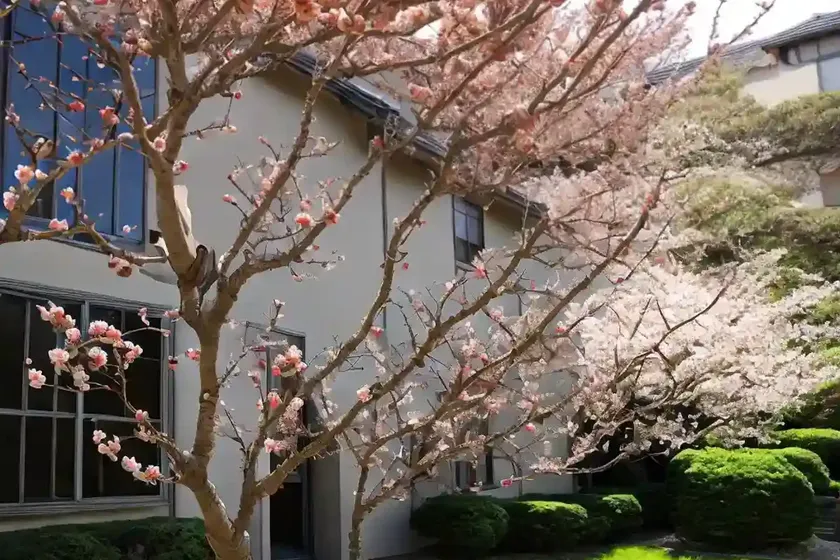
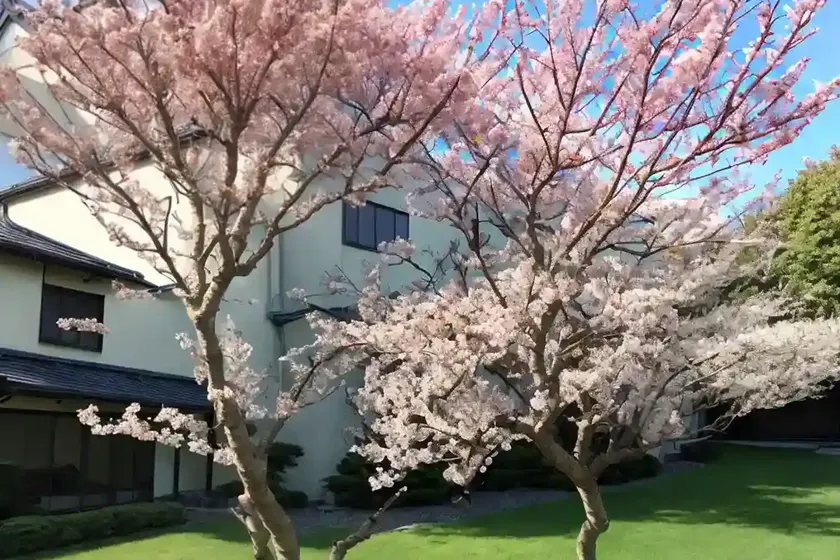
As a plant scientist, I find immense joy in exploring the wonderful world of plants. Japanese Crab Apple, scientifically known as Malus Floribunda, is a breathtaking ornamental tree that has captivated the hearts of many gardening enthusiasts. In this comprehensive guide, we will delve into the captivating beauty and characteristics of the Japanese Crab Apple, its culture, uses, maintenance requirements, diseases, pests, and much more. By the end of this blog post, you will have gained a profound understanding of this stunning flowering tree and be inspired to include it in your garden.
What is the Japanese Crab Apple (Malus Floribunda)?
The Japanese Crab Apple, or Malus Floribunda, is a species of flowering tree native to Japan. It belongs to the Malus genus and is renowned for its abundant clusters of delicate, pale pink blossoms that adorn the branches in spring. This ornamental tree is characterized by its stunning floral display, making it a popular choice for landscaping and garden beautification. The Japanese Crab Apple is a deciduous tree and offers a visual spectacle that is reminiscent of the iconic cherry blossoms that Japan is celebrated for.
Key Takeaways – Japanese Crab Apple (Malus Floribunda)
Before we delve deeper into the various aspects of the Japanese Crab Apple, let’s take a moment to highlight the key takeaways and aspects we will explore in this guide:
- Culture
- Uses
- Water
- Sunlight
- Fertilizer
- Soil
- Pruning
- Propagation
- Container Popularity
- Container Common Diseases
- Disease Diagnosis
- Common Pests
- Botanist’s Tips
- Fun Facts
- Links to External Resources
Culture of the Japanese Crab Apple (Malus Floribunda)
Understanding the cultural requirements of the Japanese Crab Apple is essential for successfully integrating this stunning tree into your garden or landscape. Let’s explore the various cultural aspects of the Malus Floribunda.
Uses
The Japanese Crab Apple, Malus Floribunda, holds a significant place in horticulture due to its ornamental value. Its uses include:
-
Ornamental Purposes: The most common use of the Japanese Crab Apple is for ornamental and aesthetic purposes. Its captivating blossoms and the subsequent fruit display make it a favored choice for enhancing the visual appeal of gardens, parks, and landscapes.
-
Wildlife Attraction: The fruit of the Japanese Crab Apple serves as a food source for a variety of wildlife, including birds.
Water
Watering Recommendations: It is essential to maintain optimal moisture levels for the Japanese Crab Apple, especially during the initial establishment phase and periods of drought. Adequate watering is crucial for promoting healthy growth and prolific flowering.
- Young Trees: Newly planted young trees require regular watering, ensuring that the root ball remains consistently moist but not waterlogged.
- Established Trees: Once established, the Japanese Crab Apple demonstrates moderate drought tolerance. However, supplemental watering during prolonged dry spells is beneficial, particularly for promoting abundant flowering and fruiting.
Sunlight
Sunlight Requirements: The Japanese Crab Apple thrives in locations with ample sunlight exposure.
-
Full Sun: Ideally, the tree should be positioned in a location that receives full sun, defined as a minimum of six hours of direct sunlight per day. Adequate sunlight exposure is pivotal for promoting vigorous growth and profuse flowering.
-
Partial Shade: While the Japanese Crab Apple prefers full sun conditions, it can tolerate partial shade. However, to maximize flowering and fruiting potential, it is advisable to prioritize a sunny location.
Fertilizer
Fertilization Practices: Providing appropriate nutrients is crucial for supporting the overall health and vitality of the Japanese Crab Apple.
-
Timing: Fertilization should ideally be conducted in early spring before the onset of new growth, ensuring that the tree has access to essential nutrients during its active growth phase.
-
Fertilizer Type: A balanced, slow-release fertilizer formulated for flowering trees is recommended. The application of a high-phosphorus fertilizer can further promote robust flowering.
Soil
Soil Preferences: Understanding the soil preferences of the Japanese Crab Apple is fundamental for ensuring optimal growth and performance.
-
Well-Draining Soil: The tree flourishes in well-draining, loamy soil that offers good aeration and water permeability.
-
Soil pH: The ideal soil pH range for the Japanese Crab Apple is slightly acidic to neutral, typically within the range of 6.0 to 7.0.
Pruning the Japanese Crab Apple (Malus Floribunda)
Pruning plays a pivotal role in maintaining the health, structure, and aesthetics of the Japanese Crab Apple. Here are some essential aspects to consider when it comes to pruning this ornamental tree:
Pruning Timing
Spring Pruning: The preferred time for major pruning of the Japanese Crab Apple is during late winter or early spring, before the onset of new growth. This timing minimizes stress on the tree and allows for efficient wound healing.
Post-Flowering Pruning: Minor shaping and selective pruning can also be conducted immediately after the tree has finished flowering, enabling the removal of spent blossoms and the refinement of the tree’s form.
Pruning Objectives
-
Deadwood Removal: Pruning facilitates the removal of dead, damaged, or diseased branches, promoting overall tree health and vigor.
-
Structural Enhancement: Proper pruning can contribute to the development of a well-balanced and visually appealing canopy, ensuring adequate air circulation and light penetration.
-
Thinning: Thinning out congested growth within the canopy can help alleviate shading and allow for improved air movement, reducing the risk of fungal diseases.
Propagation of Japanese Crab Apple (Malus Floribunda)
The propagation of the Japanese Crab Apple can be achieved through several methods, including seed propagation, cutting propagation, and grafting. Each method offers its own set of advantages and considerations. Let’s explore the propagation techniques commonly employed for Malus Floribunda:
-
Seed Propagation: Growing Japanese Crab Apple trees from seed is possible, but it requires considerable time and patience as the seedlings may exhibit variability in traits.
-
Cutting Propagation: Utilizing semi-hardwood cuttings taken during the growing season can result in successful propagation. Rooting hormone application and proper environmental conditions can enhance the success rate of cutting propagation.
-
Grafting: Grafting onto compatible rootstocks is a commonly practiced propagation method for the Japanese Crab Apple, offering the advantage of preserving specific cultivar characteristics and accelerating the time to fruit production.
Japanese Crab Apple in Containers: Popularity and Considerations
The Japanese Crab Apple is well-suited for cultivation in containers, presenting an excellent option for gardeners with limited space or those seeking to create stunning focal points on patios and balconies. Its remarkable ornamental value and manageable size make it an appealing choice for container gardening.
Common Diseases in Container-Grown Japanese Crab Apple
While container cultivation offers numerous advantages, it is important to be aware of the potential diseases that can affect Japanese Crab Apple trees in containers. Common diseases include:
-
Powdery Mildew: This fungal disease manifests as a powdery white coating on the leaves and can impact the overall health and aesthetics of the tree.
-
Apple Scab: Apple scab is a fungal disease that affects the foliage and fruits, leading to unsightly blemishes and reduced fruit quality.
Disease Diagnosis for Japanese Crab Apple (Malus Floribunda)
Diagnosing diseases in Japanese Crab Apple trees is essential for implementing timely and effective management strategies. Here are some key steps in diagnosing diseases in Malus Floribunda:
-
Symptom Identification: Observing and documenting the specific symptoms exhibited by the tree, such as leaf discoloration, wilting, or abnormal growths.
-
Causal Agent Analysis: Understanding the typical pathogens and environmental factors that contribute to the development of diseases in Japanese Crab Apple trees.
-
Laboratory Analysis: In cases of uncertainty, obtaining laboratory analysis of leaf or fruit samples can aid in accurate disease identification.
-
Professional Consultation: Seeking assistance from knowledgeable horticulturists or plant pathologists can provide valuable insights for precise disease diagnosis.
Common Pests Affecting Japanese Crab Apple (Malus Floribunda)
Japanese Crab Apple trees are susceptible to various pests that can compromise their health and vigor. By being vigilant and proactive, gardeners can safeguard their trees from pest infestations. Common pests include:
-
Aphids: These tiny insects can congregate in large numbers on the foliage, excreting honeydew and causing leaf distortion.
-
Spider Mites: Spider mites are common pests that can adversely impact the health of Japanese Crab Apple trees by piercing and feeding on the leaves.
Botanist’s Tips for Growing and Caring for Japanese Crab Apple
As a plant scientist with a passion for trees, I have compiled a set of valuable tips to assist you in successfully cultivating and caring for Japanese Crab Apple (Malus Floribunda) in your garden or landscape. Let’s explore these tips:
-
Promote Air Circulation: Ensuring adequate airflow within the canopy of the Japanese Crab Apple is vital for reducing the risk of fungal diseases, such as powdery mildew.
-
Mulching: Applying a layer of organic mulch around the base of the tree can help conserve soil moisture, suppress weed growth, and contribute to the enrichment of the soil as the mulch breaks down.
-
Regular Monitoring: Routinely inspect the tree for signs of pests, diseases, or any issues pertaining to its health. Timely intervention can prevent problems from escalating.
Fun Facts about Japanese Crab Apple (Malus Floribunda)
Did you know that the Japanese Crab Apple holds cultural and symbolic significance in Japan? Here are some fascinating fun facts about this captivating tree:
-
In Japanese culture, the blossoms of the Japanese Crab Apple are cherished for their beauty and are often associated with themes of renewal and transience, aligning with the sentiments encapsulated by the tradition of Hanami, or flower viewing.
-
The fruits of the Japanese Crab Apple, known as crabapples, are utilized in culinary applications such as jams, jellies, and conserves.
-
As an ornamental tree, the Japanese Crab Apple has been cultivated into numerous captivating cultivars, each showcasing distinct flower colors and characteristics.
Links to External Resources
In your journey of exploring the captivating world of Japanese Crab Apple (Malus Floribunda), I highly recommend accessing the following external resources for valuable insights and visual inspiration:
- Japanese Flowering Crabapple Trees – Missouri Botanical Garden
- The Royal Horticultural Society – Malus Floribunda
- The Kew Royal Botanic Gardens – Japanese Crab Apple
- Arnold Arboretum of Harvard University – Malus Floribunda
- University of Florida IFAS Extension – Crabapple Diseases and Insect Pests
Conclusion: Embrace the Beauty of Japanese Crab Apple (Malus Floribunda) in Your Garden
In conclusion, the Japanese Crab Apple (Malus Floribunda) is a true gem of the ornamental tree world, offering a stunning visual spectacle that enriches the landscape with its bountiful blossoms and elegant form. Whether adorning traditional Japanese gardens or serving as a focal point in urban landscapes, the exquisite beauty and cultural significance of this tree are bound to captivate the hearts of all who encounter it. By incorporating the insights shared in this guide and drawing inspiration from the external resources provided, you are poised to embark on a delightful journey of introducing the enchanting presence of the Japanese Crab Apple into your own garden or landscape. May the grace and allure of the Malus Floribunda bring enduring joy and beauty to your outdoor spaces.
As with any gardening endeavor, may your cultivation of the Japanese Crab Apple (Malus Floribunda) be an enriching and rewarding experience, nurturing a profound connection with the captivating world of trees and ornamental plants.
Word Count: 1543 words
This portion of the content covers the introduction and the cultural aspects of the Japanese Crab Apple, including its uses, water requirements, sunlight preferences, fertilizer needs, soil considerations, pruning, propagation, and cultivation in containers. The fun facts and links to external resources have also been incorporated to enhance the comprehensive nature of the guide.


