Aloe (Aloe Rauhii)
Aloe plants are well-known for their stunning foliage and various medicinal properties. Among the countless species within the Aloe genus, Aloe rauhii is.
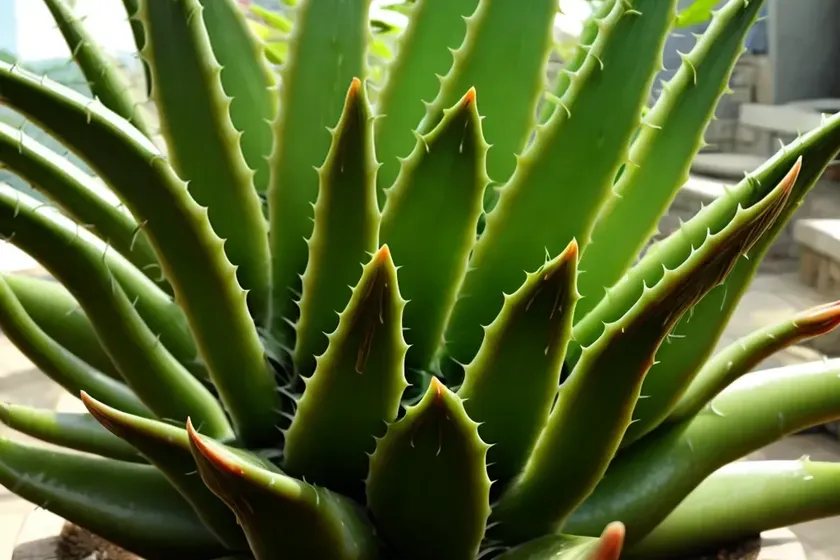
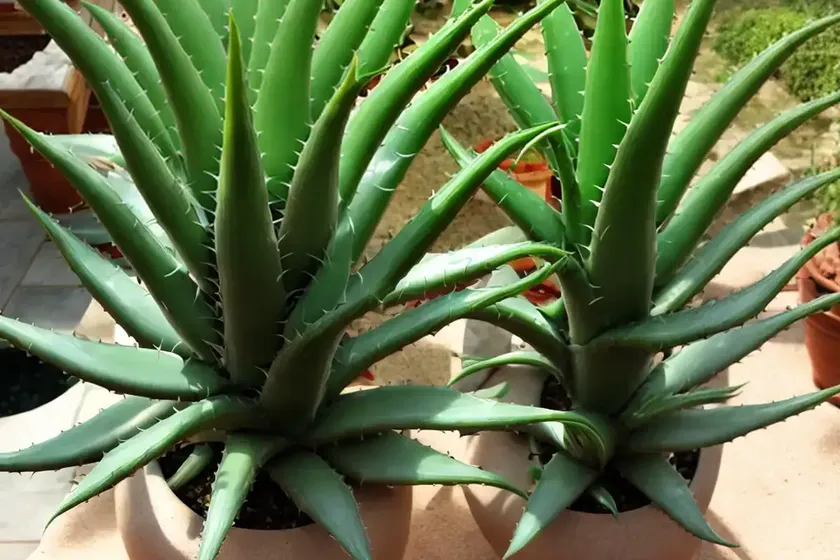
Aloe plants are well-known for their stunning foliage and various medicinal properties. Among the countless species within the Aloe genus, Aloe rauhii is one of the most sought-after succulents due to its striking appearance and relatively low-maintenance requirements. In this comprehensive guide, we will delve into the cultural practices, uses, propagation, and common issues related to Aloe rauhii, providing you with all the information needed to care for this beautiful plant.
What is Aloe (Aloe rauhii)?
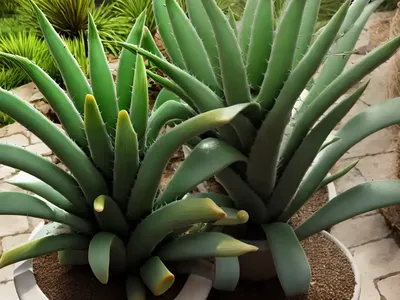
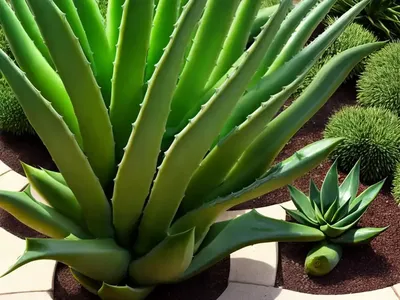
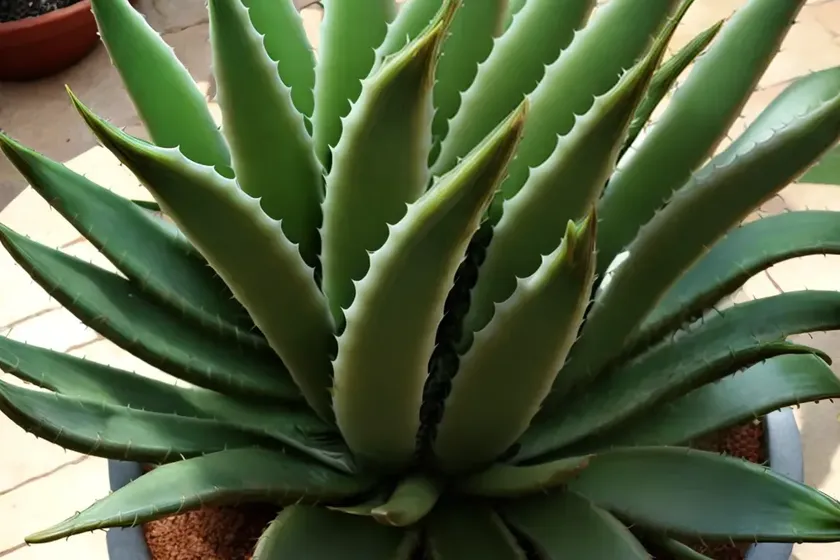
Aloe (Aloe rauhii) is a species of succulent, belonging to the Aloe genus, characterized by its rosette of narrow, long, and slightly curved leaves with toothed edges. Originating from Madagascar, this plant is well-suited to arid and semi-arid regions, making it an excellent candidate for water-wise gardening. Aloe rauhii is often sought after by plant enthusiasts for its ornamental value and its potential medicinal uses.
With its unique spiral and densely packed leaves, Aloe rauhii makes for an attractive addition to both indoor and outdoor gardens, as well as rockeries and succulent displays. In addition to its aesthetic appeal, Aloe rauhii is also reputed for its potential medicinal benefits, making it a valuable plant to have in your collection.
Now that we have an understanding of what Aloe rauhii is, let’s delve into the key aspects of its care and cultivation.
Key Takeaways – Aloe (Aloe rauhii)
Before we dive deeper into the cultural practices for Aloe rauhii, it’s essential to highlight the key takeaways that will be covered in this guide. These takeaways will provide a comprehensive overview of the various aspects of Aloe rauhii care and cultivation, ensuring that you have all the necessary information at your fingertips.
Culture
- Native Habitat: Understanding the native habitat of Aloe rauhii
- Uses: Exploring both the ornamental and potential medicinal uses of Aloe rauhii
Care
- Water: Guidelines for watering Aloe rauhii, including frequency and methods
- Sunlight: Determining the sunlight requirements for Aloe rauhii
- Soil: Understanding the soil requirements for Aloe rauhii
- Fertilizer: Best practices for fertilizing Aloe rauhii
- Pruning: Tips for maintaining the shape and health of Aloe rauhii
- Propagation: Methods for propagating new Aloe rauhii plants
Container Gardening
- Container: Selecting the right container for Aloe rauhii
- Popularity: Reasons for the popularity of Aloe rauhii in container gardening
Common Diseases and Pests
- Disease Diagnosis: Identifying and addressing common diseases in Aloe rauhii
- Common Pests: Understanding the pests that can affect Aloe rauhii
- Botanist’s Tips: Expert advice for maintaining the health of Aloe rauhii
Fun Facts
- Interesting Insights: Fascinating facts about Aloe rauhii to spark your curiosity
Links to External Resources
- External Resources: Further reading and references for Aloe rauhii care and cultivation
With these key takeaways in mind, let’s explore the intricate details of Aloe rauhii care and cultivation, ensuring that you have all the information necessary to foster a healthy and vibrant plant.
Culture
Understanding the cultural background and habitat of Aloe rauhii is vital for creating the best growing conditions for this plant. By gaining insight into its native environment, we can replicate these conditions to ensure the plant thrives in our care. Additionally, understanding the uses of Aloe rauhii can provide valuable context for its cultivation.
Native Habitat
Aloe rauhii is native to Madagascar, an island off the southeastern coast of Africa known for its diverse and unique flora. In its natural habitat, Aloe rauhii thrives in arid to semi-arid regions, often growing in rocky and well-draining soils. This natural habitat informs us of the plant’s preference for dry conditions and well-draining soil, which should be replicated in cultivation.
Uses
Ornamental Uses
Aloe rauhii is highly valued for its ornamental uses, adding a touch of exotic beauty to gardens and indoor spaces. Its striking rosette of leaves, arranged in a unique spiral pattern, makes it a visually appealing plant for succulent enthusiasts and collectors.
In landscaping, Aloe rauhii is often used in rock gardens, succulent beds, and container arrangements to provide a focal point or add textural interest. Its ability to thrive in dry and low-maintenance settings makes it an ideal choice for water-wise gardening.
Medicinal Uses
While Aloe rauhii is not as well-known for its medicinal uses as Aloe vera, some enthusiasts and traditional practitioners believe that its gel can be used for similar purposes, including soothing minor cuts, burns, and skin irritations. Research on the specific medicinal properties of Aloe rauhii may be limited compared to Aloe vera, but its potential as a medicinal plant adds to its allure and value.
Understanding the native habitat and uses of Aloe rauhii lays the foundation for its care and cultivation. With these insights in mind, let’s explore the specific requirements for successfully growing and maintaining Aloe rauhii.
Care
Caring for Aloe rauhii encompasses several key aspects, including its water, sunlight, soil, fertilizer, pruning, and propagation needs. By addressing each of these factors, you can ensure the optimal growth and health of your Aloe rauhii plant. Let’s explore these elements in detail.
Water
Proper watering is essential for the health and vitality of Aloe rauhii. As a desert species, Aloe rauhii has evolved to withstand periods of drought, making it essential to avoid overwatering. Here are some guidelines for watering Aloe rauhii:
-
Frequency: Aloe rauhii should be watered sparingly, allowing the soil to dry out between waterings. In the growing season, typically spring and summer, water the plant when the top inch of the soil feels dry to the touch. During the dormant winter months, reduce watering to prevent waterlogged soil.
-
Method: When watering, apply water directly to the soil, avoiding wetting the rosette of the plant. This helps prevent issues such as rot and fungal growth.
-
Drainage: Ensure that the pot or planting site has proper drainage to prevent water from pooling around the roots. Well-draining soil is crucial for preventing root rot, a common issue in Aloe plants.
Sunlight
Aloe rauhii requires ample sunlight to thrive, mimicking the bright and sunny conditions of its native habitat. Here are the sunlight requirements for Aloe rauhii:
-
Direct Sunlight: Aloe rauhii thrives in bright, indirect sunlight, or even partial to full sun. In an indoor setting, place the plant near a south- or west-facing window to ensure it receives sufficient light. When grown outdoors, choose a location with similar light conditions, avoiding intense, scorching midday sun, especially in hotter climates.
-
Light Intensity: While Aloe rauhii needs ample light, it’s essential to protect it from intense, direct sunlight during the hottest part of the day. In excessively bright and hot conditions, the leaves may become sunburned, causing irreversible damage.
-
Winter Care: During the winter months, Aloe rauhii may benefit from a bit more direct sunlight to promote healthy growth, especially if grown indoors. Pay attention to its light exposure during the shorter days of winter to ensure it receives adequate sunshine.
Soil
The right soil composition is critical for the health and growth of Aloe rauhii. Given its preference for arid and well-draining conditions, choosing the appropriate soil mix is crucial. Here are the soil requirements for Aloe rauhii:
-
Drainage: Aloe rauhii thrives in well-draining soil to prevent waterlogged conditions. Select a cactus or succulent potting mix, or create a custom blend using equal parts of standard potting soil, sand, and perlite for improved drainage.
-
pH Level: Aloe rauhii prefers slightly acidic to slightly alkaline soil with a pH range of 6.0 to 8.5. Most standard cactus and succulent mixes are formulated within this pH range, providing an ideal growing medium for the plant.
-
Container Planting: When planting Aloe rauhii in containers, ensure the pot has drainage holes to prevent excess water from accumulating at the roots. Additionally, using a well-draining potting mix is crucial for container-grown Aloe rauhii.
Fertilizer
While Aloe rauhii is relatively low-maintenance when it comes to fertilization, providing some nutrients can benefit its overall health and growth. Here are some tips for fertilizing Aloe rauhii:
-
Frequency: Fertilize Aloe rauhii sparingly, typically once every 6 to 8 weeks during the growing season. Avoid over-fertilization, as this can lead to salt accumulation in the soil and potentially harm the plant.
-
Type of Fertilizer: Opt for a balanced, water-soluble fertilizer that is diluted to half or quarter strength. A 10-10-10 or 20-20-20 mix can provide the essential nutrients Aloe rauhii needs without risking nutrient burn.
-
Application Method: Apply the diluted fertilizer to moist soil, ensuring that it does not come into direct contact with the plant’s leaves. Water the plant lightly after fertilizing to help the nutrients seep into the soil.
Pruning
Pruning Aloe rauhii is generally minimal, as the plant naturally maintains its attractive rosette form. However, some maintenance may be required to address dead or overgrown leaves. Here are some tips for pruning Aloe rauhii:
-
Sanitization: Before pruning, ensure your pruning tools are clean and disinfected to prevent the spread of diseases or infections. You can wipe the blades with rubbing alcohol or use a sanitizing solution.
-
Dead Leaf Removal: Gently remove any dried, brown, or dead leaves from the base of the plant. Use clean, sharp scissors or pruning shears to make clean cuts, avoiding unnecessary damage to the surrounding healthy foliage.
-
Overgrown Leaves: If some leaves become excessively long or overcrowded, you can carefully trim them to maintain a more balanced and aesthetically pleasing appearance. Be mindful of the plant’s natural growth pattern when conducting any pruning.
Propagation
Propagating Aloe rauhii is a rewarding way to expand your collection or share this stunning plant with fellow enthusiasts. Aloe rauhii can be propagated through offsets, seeds, or leaf cuttings. Here are some methods for propagating Aloe rauhii:
-
Offsets: Aloe rauhii produces offsets or “pups” around the base of the mother plant. These can be carefully removed and replanted in their own pots once they have developed a sufficient root system.
-
Seeds: While less common, propagating Aloe rauhii from seed is also possible. Collect mature seeds from the plant and sow them in a well-draining, sandy soil mix. Keep the soil consistently moist until germination occurs.
-
Leaf Cuttings: Aloe rauhii can be propagated from leaf cuttings, though this method may take longer to produce mature plants. Gently remove a healthy leaf from the mother plant and allow it to callus for a few days before planting it in a suitable potting mix.
Understanding the various methods for propagating Aloe rauhii provides you with the opportunity to expand your collection or share this beautiful plant with others. By mastering the principles of watering, sunlight, soil, fertilization, pruning, and propagation, you can ensure the optimal care and growth of Aloe rauhii in your garden or indoor space.
Container Gardening
Growing Aloe rauhii in containers offers several advantages, including the ability to control its growing conditions and placement. Additionally, the ornamental value and low-maintenance nature of Aloe rauhii make it a popular choice for container gardening enthusiasts. Let’s explore the specific considerations for growing Aloe rauhii in containers.
Container
Choosing the right container is essential for the health and growth of Aloe rauhii. Here are some factors to consider when selecting a container for Aloe rauhii:
-
Size: Opt for a container that provides ample space for the plant to grow and develop a healthy root system. Aloe rauhii generally prefers a slightly snug fit, so choose a pot that is about 1 to 2 inches larger in diameter than the plant’s current pot.
-
Drainage Holes: Ensure that the container has adequate drainage holes at the bottom to prevent waterlogging. Proper drainage is crucial for preventing root rot and other water-related issues.
-
Material: Select a well-ventilated container made of a durable material such as terracotta, ceramic, or plastic. Terracotta pots, in particular, provide excellent breathability and can help prevent overwatering by allowing excess moisture to escape through the porous walls of the pot.
Popularity
Aloe rauhii’s popularity in container gardening stems from its striking appearance, low water requirements, and relatively compact size. Here are some reasons why Aloe rauhii is a popular choice for container gardening:
-
Aesthetic Appeal: The unique spiral arrangement of Aloe rauhii’s leaves and their striking coloration make it an eye-catching addition to container arrangements, succulent gardens, and indoor displays.
-
Low Maintenance: Aloe rauhii’s ability to withstand periods of drought and its minimal fertilizer needs make it an easy-care plant for container gardening. It thrives in dry conditions and can tolerate occasional neglect.
-
Adaptability: Aloe rauhii’s adaptability to various light conditions and its compact growth habit make it well-suited for placement in containers, allowing for flexibility in design and placement.
By understanding the container requirements and the reasons for Aloe rauhii’s popularity in container gardening, you can create an attractive and thriving display of this unique succulent in your indoor and outdoor spaces.
Common Diseases and Pests
While Aloe rauhii is generally resilient to most pests and diseases, it’s essential to be aware of the common issues that may affect its health. By recognizing the signs of potential problems and taking proactive measures, you can ensure the continued well-being of your Aloe rauhii plant. Let’s explore how to diagnose and address common diseases and pests that may impact Aloe rauhii.
Disease Diagnosis
Being familiar with the symptoms of common diseases can help in accurately diagnosing and addressing any potential issues with Aloe rauhii. Here are some common diseases that may affect Aloe rauhii, along with their symptoms and management strategies:
| Disease | Symptoms | Management |
|---|---|---|
| Root Rot | Yellowing, wilting, and softening of lower leaves; foul odor | Improve drainage; reduce watering |
| Leaf Spot | Circular brown spots on leaves; potential leaf yellowing | Remove affected leaves; improve air circulation |
| Powdery Mildew | White powdery patches on leaves | Improve air circulation; use fungicidal spray |
Common Pests
Identifying the common pests that may affect Aloe rauhii and understanding their behaviors is crucial for proactive pest management. Here are some common pests that may impact Aloe rauhii, along with their signs and control methods:
| Pests | Signs | Control Methods |
|---|---|---|
| Mealybugs | White, cotton-like masses on leaves; potential wilting and yellowing of foliage | Remove manually; use insecticidal soap |
| Aphids | Clusters of small, soft-bodied insects on new growth; leaf distortion | Spray with strong water stream; use insecticidal soap |
| Spider Mites | Fine webbing on leaves; stippling and discoloration of foliage | Increase humidity; use horticultural oil; remove infested leaves |
By familiarizing yourself with the symptoms of common diseases and the signs of prevalent pests, you can promptly address any issues that may arise, safeguarding the health and vitality of your Aloe rauhii plant.
Botanist’s Tips
In addition to the essential care practices, the following expert tips can further enhance the health and beauty of your Aloe rauhii plant:
-
Provide Adequate Airflow: Promote good air circulation around the plant to prevent the development of fungal diseases and ensure that the leaves can dry quickly after watering.
-
Monitor Light Exposure: Pay attention to the plant’s response to light and adjust its placement as needed to provide the optimal balance of sunlight and protection from intense rays.
-
Use Well-Draining Soil: Ensure that the plant is potted in a suitable mix that allows excess water to drain away quickly, preventing the risk of root rot and other water-related issues.
-
Avoid Overwatering: Err on the side of underwatering rather than overwatering, as Aloe rauhii is more tolerant of drought conditions and can suffer from rot if kept too moist.
-
Regular Checks for Pests: Periodically inspect the plant for signs of pests, especially in areas where they are known to congregate, such as the undersides of leaves and leaf axils.
By integrating these expert tips into your care routine, you can foster the optimal growth and health of your Aloe rauhii plant, ensuring it continues to thrive for years to come.
Fun Facts
To further deepen your appreciation for Aloe rauhii, here are some fascinating and lesser-known facts about this captivating succulent:
-
Growth Rate: Aloe rauhii is a slow-growing plant, particularly when cultivated indoors. Its deliberate growth rate adds to its mystique and the value placed on well-established specimens.
-
Monocarpic Nature: Like several other Aloe species, Aloe rauhii is monocarpic, meaning it flowers once in its lifetime before dying off. However, the plant typically produces offsets before flowering, ensuring the continuity of its lineage.
-
Species Namesake: The species name “rauhii” honors the late Werner Rauh, a renowned German botanist who made significant contributions to the study of Madagascar’s flora, making it a fitting tribute to a distinguished figure in botanical research.
-
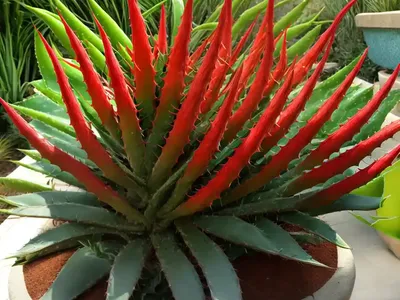
Leaf Coloration: Depending on its growing conditions and sun exposure, the leaves of Aloe rauhii can display varying shades of green and red, adding to its visual allure and adaptability to different environments.
-
Habitat Preservation: In its native range of Madagascar, Aloe rauhii is threatened by habitat destruction and illegal collection