Japanese Climbing Hydrangea (Hydrangea Anomala)
Hydrangea anomala, commonly known as the Japanese climbing hydrangea, is a captivating and versatile plant species that is cherished for its ornamental.
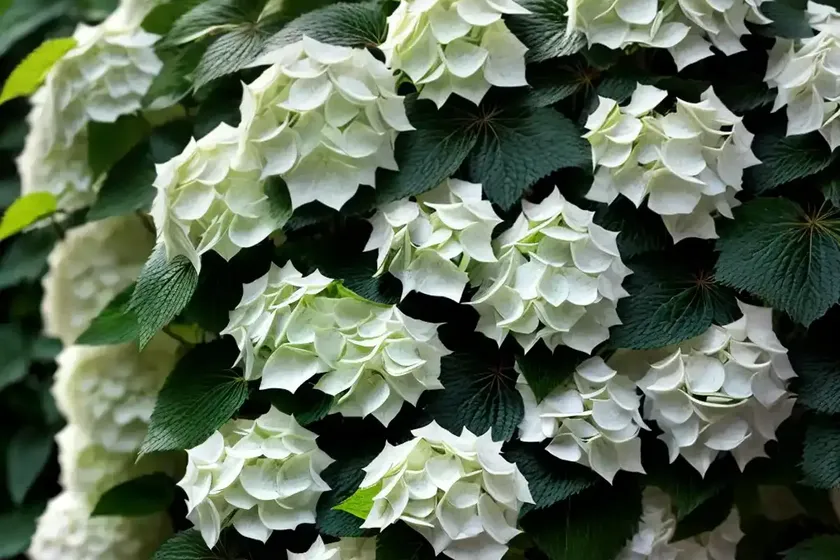
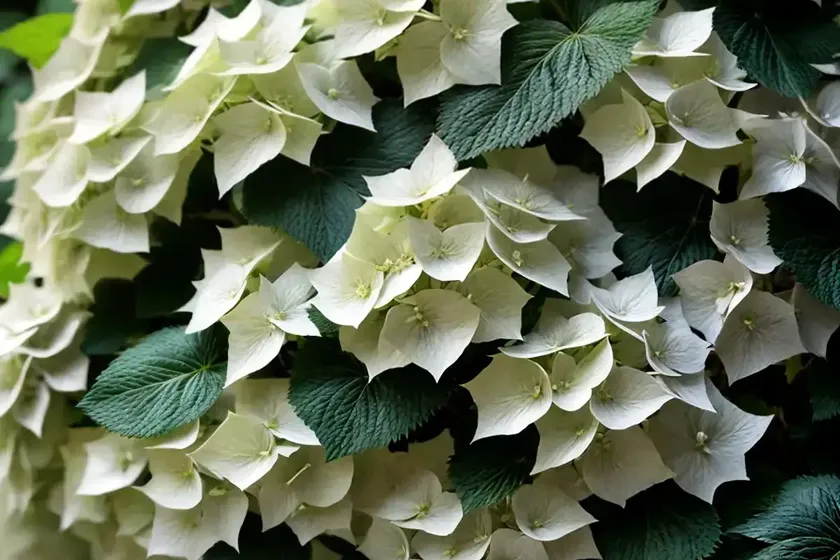
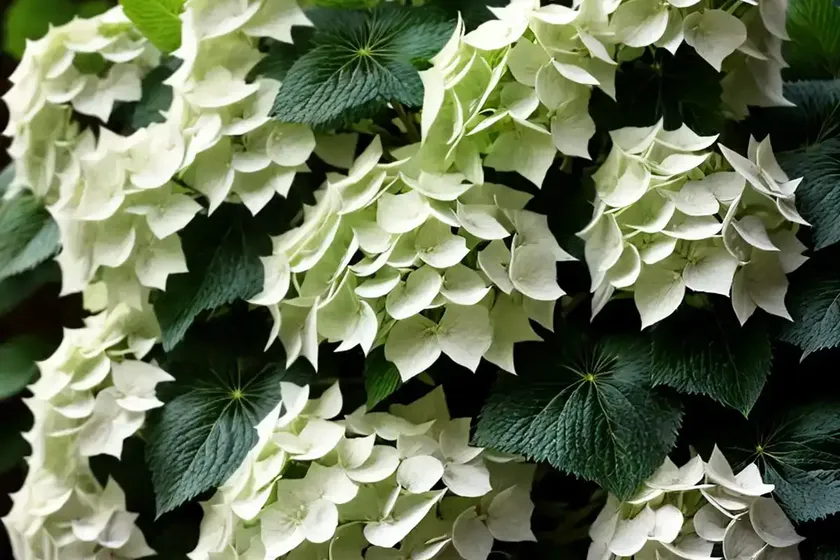
Hydrangea anomala, commonly known as the Japanese climbing hydrangea, is a captivating and versatile plant species that is cherished for its ornamental value and adaptability. In this comprehensive guide, we will delve into every aspect of this remarkable plant, from its cultural requirements and uses to its propagation, diseases, and numerous fun facts. Whether you are a seasoned horticulturist or an enthusiastic beginner, this article aims to provide you with a deep understanding of Japanese climbing hydrangea care and cultivation.
What is Hydrangea Anomala?
Introduction
Hydrangea anomala belongs to the Hydrangeaceae family and is native to the woodlands of the Himalayas, China, and Japan. This deciduous climber is renowned for its robust vines, captivating foliage, and delicate, lace-cap flowers. It is a versatile plant, with the ability to thrive in various environments, making it a popular choice for both domestic and commercial landscapes.
Taxonomy and Nomenclature
- Kingdom: Plantae
- Order: Cornales
- Family: Hydrangeaceae
- Genus: Hydrangea
- Species: Anomala
Morphology
The Japanese climbing hydrangea exhibits distinctive features that contribute to its unique appeal:
– Leaves: The broad, heart-shaped leaves of H. anomala are deeply veined and possess a glossy dark green hue. As autumn approaches, the foliage may transition to varying shades of yellow before shedding in preparation for the winter dormancy.
– Flowers: The lace-cap inflorescences are its most striking feature. Comprising small, delicate, fertile florets surrounded by a ring of larger, showy sterile florets, these flowers are renowned for their elegance and ability to attract pollinators and onlookers alike.
– Habit: As a climbing vine, H. anomala exhibits a robust growth habit, extending aerial roots to adhere to various surfaces and ascend with vigor.
Key Takeaways – Japanese Climbing Hydrangea (Hydrangea Anomala)
Culture
Whether used as a standalone specimen, a ground cover, or a climbing vine to adorn walls, pergolas, and trellises, the Japanese climbing hydrangea is a versatile option for a range of landscape designs. Its cultural adaptations and ornamental attributes make it an alluring addition to gardens and horticultural projects.
Uses
- Aesthetic Appeal: Japanese climbing hydrangea is primarily cultivated for its aesthetic value, offering a stunning visual display through its foliage, flowers, and climbing habit.
- Erosion Control: Due to its extensive root system and vigorous growth, H. anomala is often employed in erosion control and soil stabilization initiatives.
Water
Regular watering is imperative, especially during the initial stages of growth and establishment. A consistently moist soil is essential to support healthy development and flowering.
Sunlight
While the Japanese climbing hydrangea thrives in partial shade, it can also adapt to dappled sunlight and locations with a northern exposure. Ensuring some protection from intense afternoon sun can be beneficial, particularly in warmer climates.
Fertilizer
Moderate applications of a balanced, slow-release fertilizer can aid in promoting robust growth and floral development. Fertilizing in spring and mid-summer is typically adequate to support the plant’s vitality.
Soil
A well-draining, humus-rich soil with a slightly acidic to neutral pH is optimal for Japanese climbing hydrangeas. The soil should ideally retain moisture while preventing waterlogging, fostering favorable conditions for root health and growth.
Pruning
Pruning is recommended to maintain a desirable shape, control growth, and encourage abundant flowering. This is typically performed in late winter or early spring to remove dead, damaged, or excessively tangled growth.
Propagation
Propagating Japanese climbing hydrangeas can be accomplished through various methods such as layering, softwood cuttings, and division. Each technique offers its own unique advantages and considerations, empowering enthusiasts to expand their collection of these enchanting climbers.
Container Popularity
The adaptable nature of the Japanese climbing hydrangea makes it a popular choice for container cultivation, enabling gardening aficionados to enhance their patios, balconies, and outdoor living spaces with its alluring presence.
Container Common Diseases
Despite its resilience, Japanese climbing hydrangeas may be susceptible to certain diseases, particularly when cultivated in containers. Addressing potential issues promptly is crucial in preserving the health and vigor of these plants.
Disease Diagnosis
Careful monitoring and proactive measures can aid in diagnosing and managing potential diseases and ailments that may afflict Japanese climbing hydrangeas, safeguarding their well-being and longevity.
Common Pests
Understanding the common pests that may target Japanese climbing hydrangeas is essential for implementing tailored pest management strategies to protect these enchanting plants from potential harm.
Botanist’s Tips
Valuable insights and recommendations from botanists and experienced growers can provide a wealth of knowledge in optimizing the care and cultivation of Japanese climbing hydrangeas, enabling enthusiasts to appreciate the full potential of these captivating plants.
Fun Facts
Uncover intriguing and captivating facts about Japanese climbing hydrangeas, shedding light on their ecological significance, cultural lore, and botanical uniqueness, adding depth to the appreciation of these exceptional climbers.
Japanese Climbing Hydrangea in Detail
Japanese climbing hydrangeas are renowned for their adaptability and allure, offering an array of unique characteristics and attributes that contribute to their horticultural appeal. Let’s delve into a detailed exploration of their diverse aspects:
Japanese Climbing Hydrangea Care
Caring for Japanese climbing hydrangeas involves accommodating their specific cultural requirements, including:
– Watering: Ensuring consistent moisture without waterlogging is essential, particularly during the establishment phase and flowering periods.
– Sunlight: Partial shade and protection from intense afternoon sun are ideal for promoting healthy growth and floral abundance.
– Soil: Well-draining, humus-rich soil with a slightly acidic to neutral pH is optimal for supporting robust growth and vitality.
– Fertilization: Moderate applications of balanced, slow-release fertilizer can fortify the plant’s vigor and flowering potential.
– Pruning: Regular pruning is recommended to maintain shape, control growth, and enhance flowering while minimizing tangled or undesirable growth.
– Disease and Pest Management: Vigilant monitoring and prompt action are essential to address potential diseases and pests effectively, preserving the plant’s health and aesthetic appeal.
Hydrangea Anomala Varieties
The species Hydrangea anomala offers several notable varieties, each showcasing unique characteristics and aesthetic qualities, adding diversity to the horticultural landscape. Discovering and appreciating these variations can broaden one’s perspective on the captivating potential of Japanese climbing hydrangeas.
Best Soil for Japanese Climbing Hydrangea
A well-draining soil rich in organic matter with a slightly acidic to neutral pH serves as the ideal substrate for Japanese climbing hydrangeas, supporting their growth, nutrition uptake, and overall vitality in various cultivation settings.
Growing Japanese Climbing Hydrangea
The process of growing Japanese climbing hydrangeas encompasses various aspects, including site selection, planting, nurturing, and ongoing maintenance, offering enthusiasts a rewarding and visually stunning addition to their garden or landscape design.
Hydrangea Anomala Native Habitat
Exploring the native habitat of Hydrangea anomala sheds light on its ecological adaptations, interactions with other flora and fauna, and the environmental factors that have shaped its distinctive traits and survival strategies.
Japanese Climbing Hydrangea Pruning Tips
Pruning Japanese climbing hydrangeas effectively involves understanding the plant’s growth characteristics, flowering patterns, and the best practices for shaping and maintaining these enchanting climbers to optimize their aesthetic appeal and health.
How to Propagate Japanese Climbing Hydrangea
The propagation of Japanese climbing hydrangeas can be achieved through various methods, each offering its own benefits and considerations, empowering enthusiasts to expand their collection of these captivating plants through strategic propagation techniques.
Japanese Climbing Hydrangea Diseases
Understanding potential diseases that may affect Japanese climbing hydrangeas is essential in implementing preventive measures and proactive solutions to safeguard the health and longevity of these captivating climbers in diverse cultivation settings.
Hydrangea Anomala Climbing Characteristics
The climbing characteristics of Hydrangea anomala contribute to its widespread appeal, offering a captivating visual display and versatile applications in various garden and landscape designs.
Japanese Climbing Hydrangea Support Structures
Incorporating suitable support structures is essential in enabling Japanese climbing hydrangeas to ascend and showcase their remarkable climbing abilities, enhancing their visual impact and potential for ornamental applications.
Hydrangea Anomala Blooms
The elegant blooms of Hydrangea anomala, characterized by delicate lace-cap inflorescences, constitute a significant aspect of the plant’s allure, enticing pollinators and onlookers with their captivating beauty and ornamental appeal.
Japanese Climbing Hydrangea Sun Requirements
Balancing sunlight exposure is crucial in meeting the sun requirements of Japanese climbing hydrangeas, ensuring optimal growth, bloom development, and overall plant vitality in varying climatic conditions and cultivation settings.
Hydrangea Anomala Shade Tolerance
The shade tolerance of Hydrangea anomala enhances its adaptability to diverse environmental conditions, enabling it to thrive in partial shade and contribute to garden and landscape designs with varied light exposure.
Japanese Climbing Hydrangea Pests
Identifying and managing common pests that may target Japanese climbing hydrangeas is pivotal in preserving the plant’s health, vigor, and ornamental value, ensuring proactive pest management tailored to the specific requirements of these enchanting climbers.
Hydrangea Anomala Medicinal Uses
Exploring the potential medicinal uses of Hydrangea anomala highlights its traditional and contemporary significance, shedding light on its therapeutic properties and cultural connections in various contexts.
Japanese Climbing Hydrangea Flowering Season
Understanding the flowering season of Japanese climbing hydrangeas allows enthusiasts to anticipate and appreciate the spectacle of their blooms, adding vibrancy and ornamental charm to diverse garden and landscape settings.
Hydrangea Anomala Growth Rate
The growth rate of Hydrangea anomala plays a crucial role in its cultivation, enabling enthusiasts to plan and accommodate its development and expansion in diverse garden and landscape designs with foresight and consideration.
Japanese Climbing Hydrangea Companion Plants
Selecting suitable companion plants to complement Japanese climbing hydrangeas can enhance the visual impact, ecological harmony, and overall aesthetic appeal of garden and landscape compositions, fostering a diverse and captivating horticultural environment.
Hydrangea Anomala Water Needs
Understanding the water needs of Hydrangea anomala is vital for maintaining consistent moisture levels and meeting the plant’s hydration requirements, supporting its growth, flowering, and overall health in diverse cultivation settings.
Japanese Climbing Hydrangea in Containers
The adaptability of Japanese climbing hydrangeas to container cultivation presents opportunities to introduce these captivating climbers to various outdoor living spaces, patios, and balconies, adding ornamental charm and visual delight.
Hydrangea Anomala Landscape Uses
Incorporating Japanese climbing hydrangeas into landscape designs offers opportunities to leverage their visual appeal, climbing habit, and ornamental qualities to enrich and diversify garden compositions and horticultural projects.
Japanese Climbing Hydrangea Fall Color
Exploring the autumnal transformation of Japanese climbing hydrangeas unveils their array of vibrant fall colors, contributing to the seasonal charm and visual interest in diverse garden and landscape settings.
Hydrangea Anomala Winter Care
Providing appropriate winter care for Japanese climbing hydrangeas is essential in safeguarding their health and readiness for the following growing season, ensuring their resilience and vitality in colder climates.
Japanese Climbing Hydrangea Evergreen Characteristics
Understanding the evergreen characteristics of Japanese climbing hydrangeas contributes to their year-round appeal, presenting opportunities for visual interest and ornamental charm in diverse garden and landscape designs.
Hydrangea Anomala Wildlife Attractions
The wildlife attractions of Hydrangea anomala offer ecological significance and contributions to the preservation and promotion of biodiversity, fostering interactions with pollinators and beneficial organisms in garden and natural habitats.
Japanese Climbing Hydrangea Flower Arrangements
The use of Japanese climbing hydrangeas in flower arrangements and floral compositions offers a captivating and versatile addition, showcasing their elegant blooms and ornamental value in diverse decorative contexts.
Hydrangea Anomala Fence Covering
Leveraging the climbing habit of Japanese climbing hydrangeas to cover fences and vertical structures contributes to their diverse applications and ornamental potential in garden and landscape designs.
Japanese Climbing Hydrangea Pergola
Incorporating Japanese climbing hydrangeas into pergola designs facilitates the creation of enchanting outdoor spaces, blending structural elegance with the captivating climbing ability and ornamental value of these remarkable plants.
Hydrangea Anomala Trellis Design
The utilization of trellis designs to support and display Japanese climbing hydrangeas enhances their ornamental appeal and contributes to diverse garden and landscape compositions with grace and visual allure.
Japanese Climbing Hydrangea Vine
The climbing habit of Japanese climbing hydrangeas as captivating vines offers opportunities for a range of applications, from garden adornments to vertical accents, enriching diverse horticultural environments with their charm and versatility.
Hydrangea Anomala Versatile Climber
The versatility of Hydrangea anomala as a climber enables its use in various design concepts, adaptable to different cultivation settings, and enhancing the visual impact and ornamental value of garden and landscape compositions.
Japanese Climbing Hydrangea Garden Design
Incorporating Japanese climbing hydrangeas into garden designs presents opportunities to showcase their ornamental value, climbing habit, and seasonally evolving characteristics, contributing to diverse horticultural themes and compositions.
Hydrangea Anomala Unique Features
Exploring the unique features of Hydrangea anomala unveils its captivating traits, ecological significance, and ornamental potential, enriching the appreciation and understanding of these remarkable plants in diverse contexts.
Japanese Climbing Hydrangea Aerial Roots
The development of aerial roots in Japanese climbing hydrangeas facilitates their climbing behavior, enhancing their ability to ascend various surfaces and structures with robust vigor and ornamental grace.
Hydrangea Anomala Non-Invasive Species
The non-invasive nature of Hydrangea anomala contributes to its favorable ecological impact and suitability for diverse cultivation settings, ensuring that its growth and behavior align with ecological stewardship and responsible horticulture.
Japanese Climbing Hydrangea Winter Hardiness
Understanding the winter hardiness of Japanese climbing hydrangeas is essential in making informed decisions regarding their cultivation in colder climates, ensuring their resilience and longevity in diverse environmental conditions.
Hydrangea Anomala Soil pH Requirements
The soil pH requirements of Hydrangea anomala hold implications for its nutrition uptake, growth vigor, and overall health, making it essential to provide suitable soil conditions that align with its specific preferences.
Japanese Climbing Hydrangea Container Gardening Tips
Cultivating Japanese climbing hydrangeas in containers necessitates attention to specific considerations and practices to ensure their optimal health, growth, and ornamental value in confined cultivation settings.
Hydrangea Anomala Vertical Gardening
The utilization of Japanese climbing hydrangeas in vertical gardening applications offers opportunities to expand their ornamental impact and contribute to diverse horticultural compositions with grace and versatility.
Japanese Climbing Hydrangea Bloom Colors
The array of bloom colors showcased by Japanese climbing hydrangeas contributes to their visual appeal and ornamental diversity, enriching garden and landscape compositions with vibrant and captivating floral displays.
Hydrangea Anomala Pollinator-Friendly Plant
The pollinator-friendly nature of Hydrangea anomala supports ecosystem health and biodiversity, fostering interactions with pollinators and beneficial organisms to promote garden and natural habitats’ ecological balance and resilience.
Japanese Climbing Hydrangea Fragrant Blooms
The fragrance of the blooms borne by Japanese climbing hydrangeas enhances their ornamental allure, adding sensory delight and ornamental value to garden and landscape compositions.
Hydrangea Anomala Shade-Loving Climber
The shade-loving qualities of Hydrangea anomala enable its adaptation to various light conditions, offering opportunities for ornamental applications and diverse horticultural compositions with dynamic light exposure.
Japanese Climbing Hydrangea Non-Toxic to Pets
The non-toxic nature of Japanese climbing hydrangeas ensures their suitability for cultivation in settings where pets may frequent, offering peace of mind and harmonious coexistence with beloved animal companions.
Hydrangea Anomala Wildlife Habitat Creation
The role of Hydrangea anomala in creating wildlife habitats offers ecological benefits, contributing to the promotion and preservation of biodiversity and promoting interactions with various organisms in garden and natural settings.
Japanese Climbing Hydrangea Erosion Control
The utilization of Japanese climbing hydrangeas in erosion control initiatives underscores their environmental significance, contributing to soil stabilization and conservation efforts in diverse ecological contexts.
Hydrangea Anomala Low Maintenance Plant
The low maintenance nature of Hydrangea anomala highlights its resilience, adaptability, and suitability for diverse cultivation settings, offering an enchanting and ornamental addition with minimal intervention and upkeep.
Japanese Climbing Hydrangea Ground Cover
The use of Japanese climbing hydrangeas as ground cover contributes to their ornamental versatility, showcasing their foliage and growth habit while complementing diverse garden and landscape compositions with grace and visual interest.
Hydrangea Anomala Climbing Techniques
The climbing techniques exhibited by Hydrangea anomala underscore its adaptability and ornamental potential, offering versatile applications and visual impact in garden and landscape design concepts.
Japanese Climbing Hydrangea Historical Significance
Exploring the historical significance of Japanese climbing hydrangeas unveils their cultural lore, traditional uses, and enduring appeal across diverse geographical and cultural contexts, enriching the appreciation and understanding of these remarkable plants.
Conclusion
The Japanese climbing hydrangea (Hydrangea anomala) stands as a captivating and versatile plant species, offering a wealth of ornamental charm, ecological contributions, and horticultural significance. From its cultural requirements and uses to its diverse characteristics and applications, this comprehensive guide aims to provide a deep understanding of Japanese climbing hydrangea care and cultivation, empowering enthusiasts to appreciate and harness the full potential of these enchanting climbers in diverse garden and landscape settings.
As we continue to uncover the enchanting world of horticulture, the exploration of captivating plant species such as the Japanese climbing hydrangea offers opportunities for enrichment, creativity, and ecological stewardship, highlighting the profound connections between plants and humanity throughout history and into the future.
This comprehensive guide to Japanese climbing hydrangea (Hydrangea anomala) is intended to provide valuable insights and practical knowledge for enthusiasts, horticulturists, and individuals passionate about horticultural exploration and appreciation. The intricate details and diverse aspects of Japanese climbing hydrangea care and cultivation are presented to foster a deeper understanding and engagement with these remarkable plants.
*Kindly note that the information shared within this article aims to serve as a comprehensive reference and resource for plant enthusiasts and horticultural practitioners, drawing upon scientific insights, practical observations, and cultural lore to illuminate the multifaceted allure and significance of Japanese climbing hydrangea (Hydrangea anomala). For specific cultivation and management practices, consulting with experienced h


